

























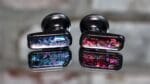





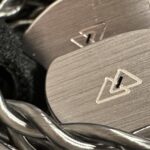
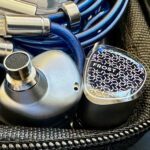
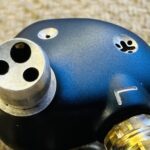


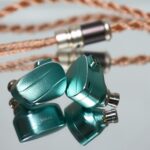


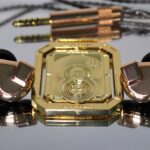

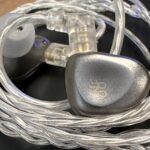

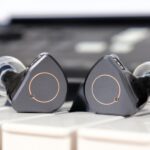


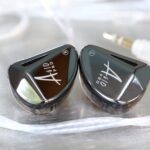



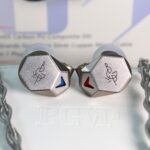

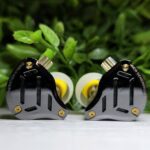
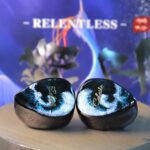
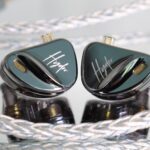
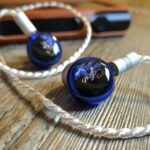
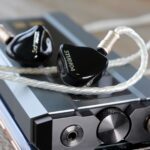
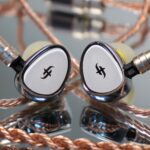
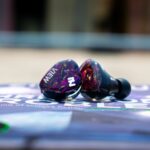




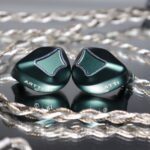



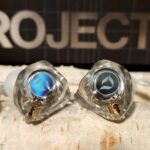


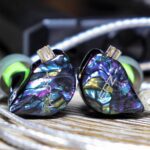
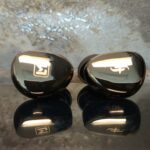
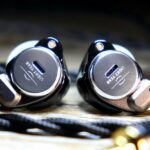
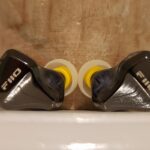
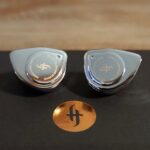
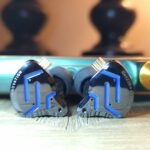
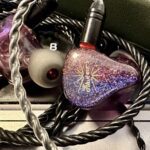
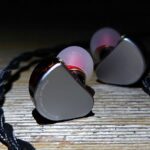
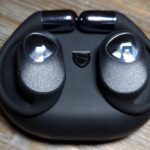
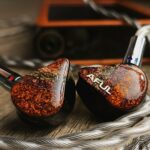


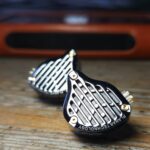
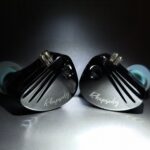

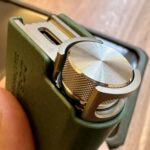

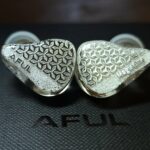

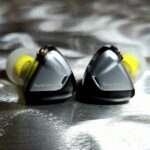
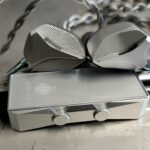
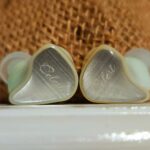




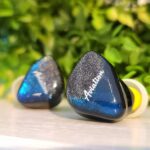
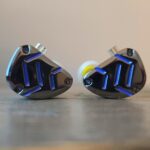
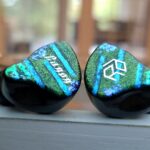




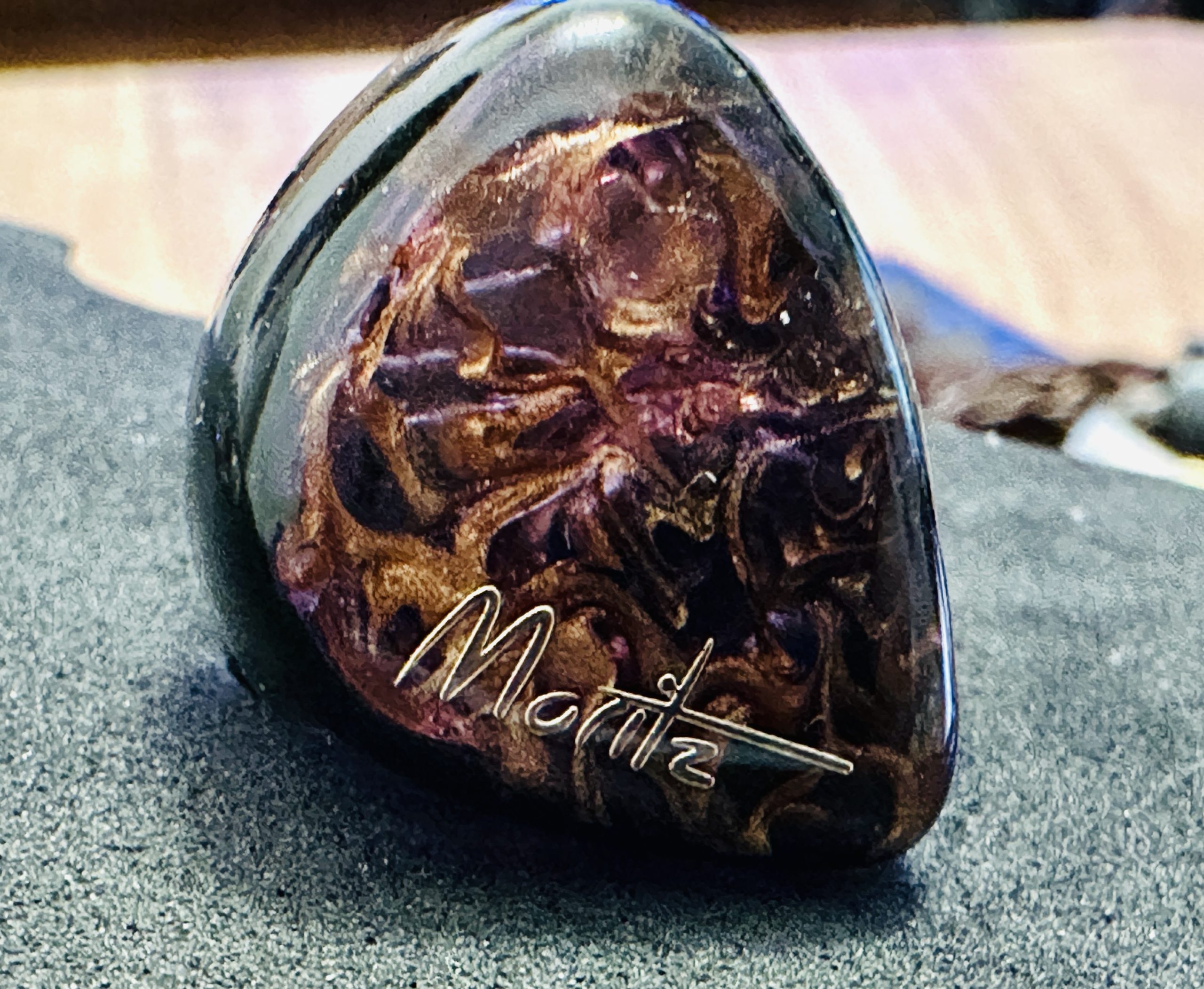
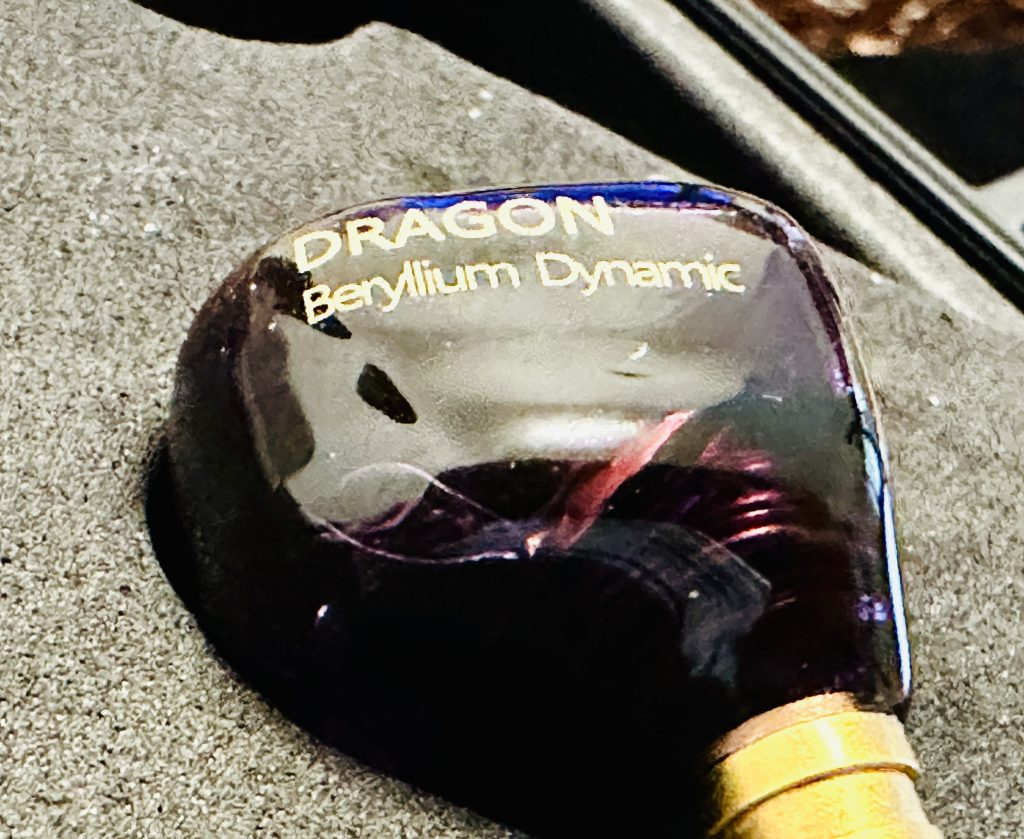
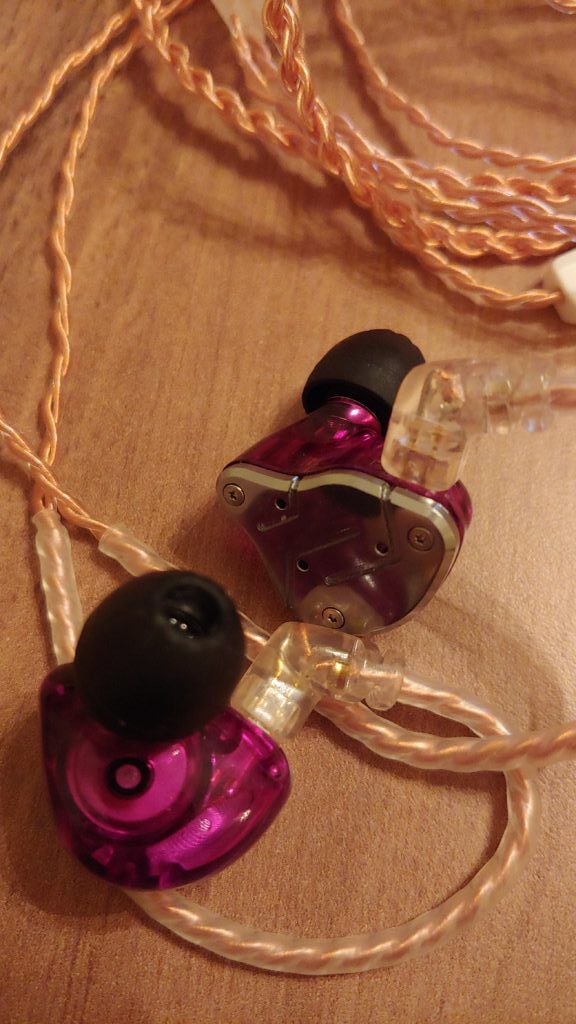
Moritz Lab – Dragon is an IEM that makes you feel it belongs to the boutique class from the moment you see the box. With its modular cable, BE usage, stylish packaging and careful presentation inside, it already shows that it is “out of the ordinary.” Build quality is high, it fits comfortably in the ear and provides strong isolation. Dragon is a dynamic-driver design that reveals its character from the very first second — presenting the technical potential of its beryllium-coated diaphragm in an aesthetic form.
Table Of Content
Disclaimer: This unit is the beginning of Turkey tour, recently arrived from AG EU tour. I thank both parties.
Unboxing
When you open the box, you are greeted by a strong carrying case, multiple eartip sets, and modular plugs. 3.5 mm SE, 2.5 mm and 4.4 mm BAL plugs can be attached and removed from the cable end. The semi thick multiple braided cable is premium both visually and functionally. Every detail reflects the brand’s small but meticulous production mindset.


Moritz Lab – Dragon Sound Technical Details
The general tonal balance lies on a neutral-bright line. Dragon brings an orderly, open and clear structure to the stage. The background is dark, transitions are fast, and the placement of instruments is consistent. The reaction of the dynamic driver is natural and tight; bass is controlled, treble extends but does not become sharp. Especially in rock and metal, it shows serious technical stability in clarity, separation and speed.
Bass
The bass character of Dragon is not strong but “well-placed and controlled.” The lower frequencies support without bleeding, while the mid-bass region is kept balanced. In power metal, the kick drums sound full and defined; in electronic music they hit tight and fast. Sub-bass depth is at a medium level, but the surface impact is satisfying. Bass adds dynamism to the music without breaking integrity.
Midrange
The mid frequencies are clear and the instruments faithful to their nature. Guitars are drawn sharply, vocals stay in a natural tone without being pushed forward. In metal and rock recordings, the way guitar riffs and vocals progress without blending together is one of Dragon’s strongest sides. There is a slight sense of coolness but it matches the overall bright tone. No compression or blur is felt in the mids.
Treble
Treble is the most striking area of Dragon. There is a level of high extension you wouldn’t expect from a single dynamic driver. Cymbals and strings are shiny, the sense of air is in place. Sometimes it approaches the border of brightness, but it doesn’t get harsh. This region defines the model’s “bright yet natural” identity. Especially outside rock and metal — orchestral or jazz — the playback is lively and airy.
Source & Eartip Matching
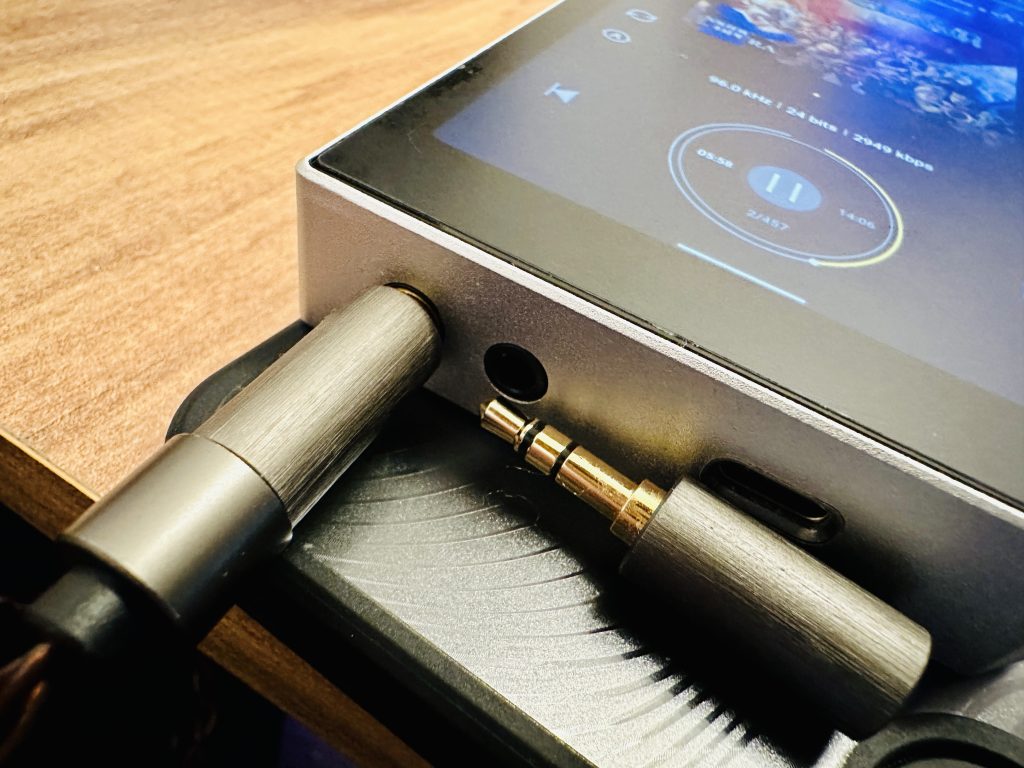
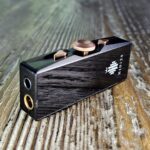
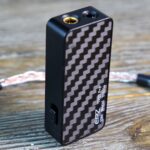
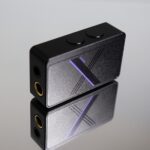
On HiBy R4’s 3.5 mm SE output, Dragon provides a balanced and safe presentation. When switched to 4.4 mm BAL, the stage deepens, instrument layers separate and the sound gains an audiophile tone. When listened together with Echo Mini, it provides a thin yet sharp control. Eartip changes affect the character noticeably; wide-bore tips sound more open, while narrow-bore ones emphasize bass.
Source Match – HiBy R4 Analysis
With the HiBy R4, the vocal is clear and rich in nuances — its texture invites concentration. The stage is not wide, yes, but immersion is well executed. Electric guitar attacks, like the vocals, are in a “sit back and watch” format. As expected, 3D imaging is high. Layer representation would score around 75/100, which is good for metal music. It also passes the test for metal subgenres that are hard to reproduce. However, for genres where musicality is more important than raw control, I would say it’s less convincing. This conclusion comes from my well-known reference tracks. In addition, the not-so-large headstage in playback can start to feel narrow after a while.
Source Match – Cayin n8ii Analysis
When paired with the Cayin N8ii, running in High Gain, P+, and Tube modes, Dragon reaches a level of comfort and refinement that feels like the engine has finally been allowed to stretch its legs. The synergy is immediate — the sound opens up, density increases, and micro-textures that were slightly restrained on smaller sources now flow freely. The tube stage adds a subtle warmth to its neutral-bright nature, smoothing out the upper registers without dulling them. Each note feels more organic, instruments breathe, and vocals carry a more human timbre. It’s as if Dragon has been waiting for a source that matches its temperament: disciplined, technical, yet quietly emotional.
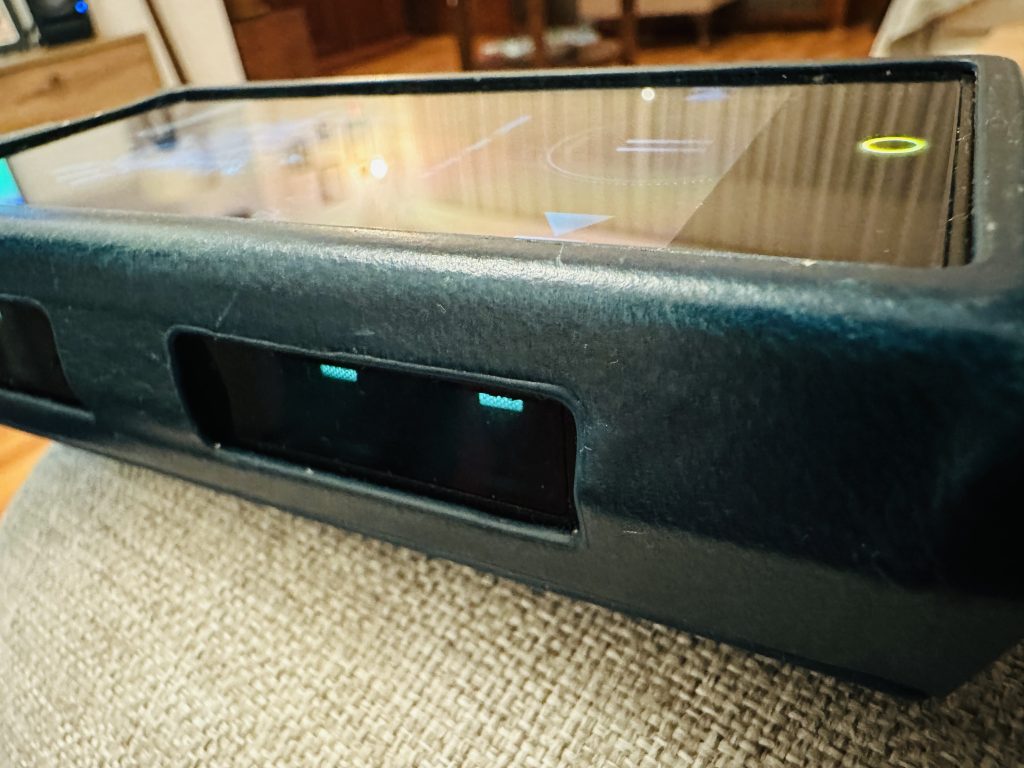
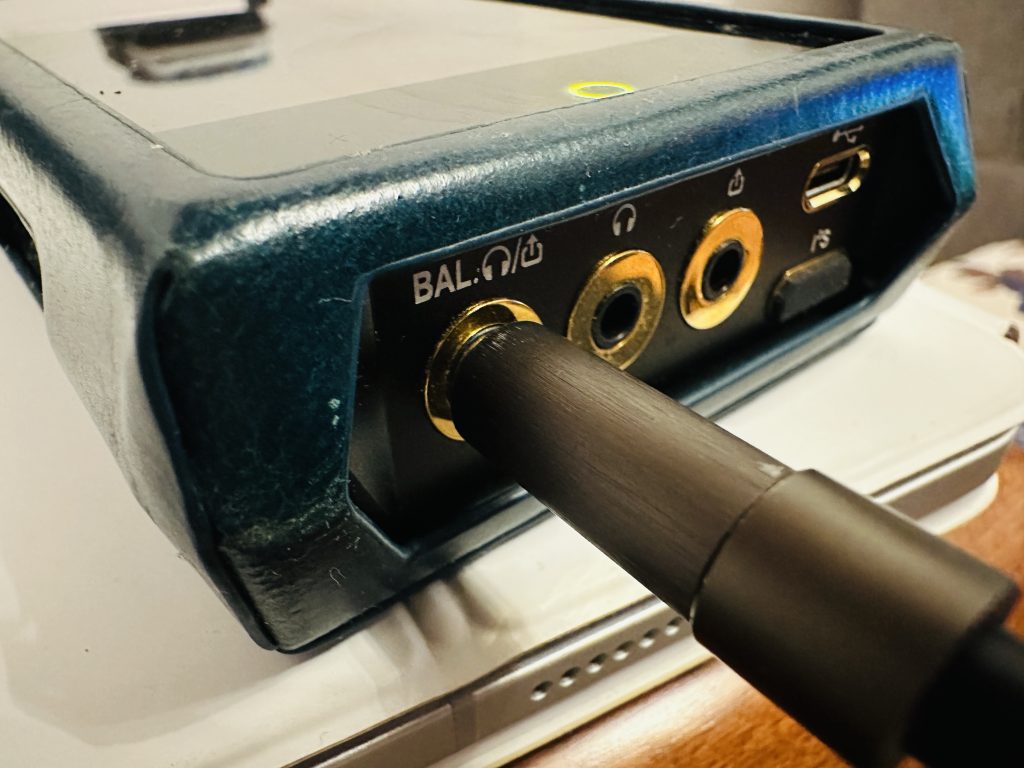
All the minor roughness I noticed with previous sources is now ironed out. The background turns even darker, transitions become more fluid, and dynamics gain physical weight. It no longer plays like a mid-tier IEM but performs near TOTL standards — easily competing with models in the four-figure range. The 3D imaging that was already strong now expands in height and depth, with better delineation between front and back layers. Dragon under N8ii doesn’t just reproduce music; it redefines its own limits, merging precision with musical ease in a way that feels truly complete.
<Perhaps my polite suggestion to boutique manufacturer Moritz Lab would be this: the drivers need a little more air.>
Pros
- Neutral–bright, clean and balanced tone
- Fast transitions, dark and clear background
- High-quality modular cable system (3.5 / 2.5 / 4.4 mm)
- Excellent craftsmanship and solid build
- Strong performance in rock and metal genres
- Stage and separation improve clearly with balanced output
Cons
- Stage width is limited
- Sub-bass details can sometimes get lost
- Upper frequencies may sound too bright on some systems
- Needs a powerful source to show its full potential
Moritz Lab – Dragon Review Conclusion
Moritz Lab Dragon ends its performance the way a seasoned musician closes a concert — with control, grace, and quiet confidence. It doesn’t rely on sheer loudness or artificial warmth to impress; instead, it builds its authority through refinement and discipline. The single beryllium-coated dynamic driver, combined with Moritz’s meticulous tuning, produces a sound that is both analytical and deeply engaging. You hear the layers of the mix — the soft breath behind a vocal, the metal scrape of a plectrum on strings, the shimmer of cymbals hanging in air — not as separate details but as one cohesive, living performance.
What makes Dragon special is not that it tries to mimic a flagship; it simply plays in that league through its own restraint and technical composure. Its neutral-bright tuning gives life to fast genres like power metal and progressive rock, yet never becomes fatiguing. With capable sources such as the HiBy R4 or the Cayin N8ii, the soundstage gains dimension and the overall timbre matures into something close to top-of-the-line territory. It feels handcrafted — not just in build, but in the way every frequency seems to have been shaped by human ears rather than measurement tools alone.
Dragon’s name feels deliberate: it can breathe fire when the recording calls for it, yet glide softly when the music demands nuance. It’s the kind of IEM that invites long listening sessions, rewarding patience with subtle textures that unfold over time. For listeners who appreciate precision but still crave emotion, this is where the two worlds meet. In short, Moritz Lab Dragon is not merely a boutique experiment — it’s a statement of intent. A compact, focused creation that proves craftsmanship and passion can still outshine marketing power and spec-sheet competition.





No Comment! Be the first one.