

























































































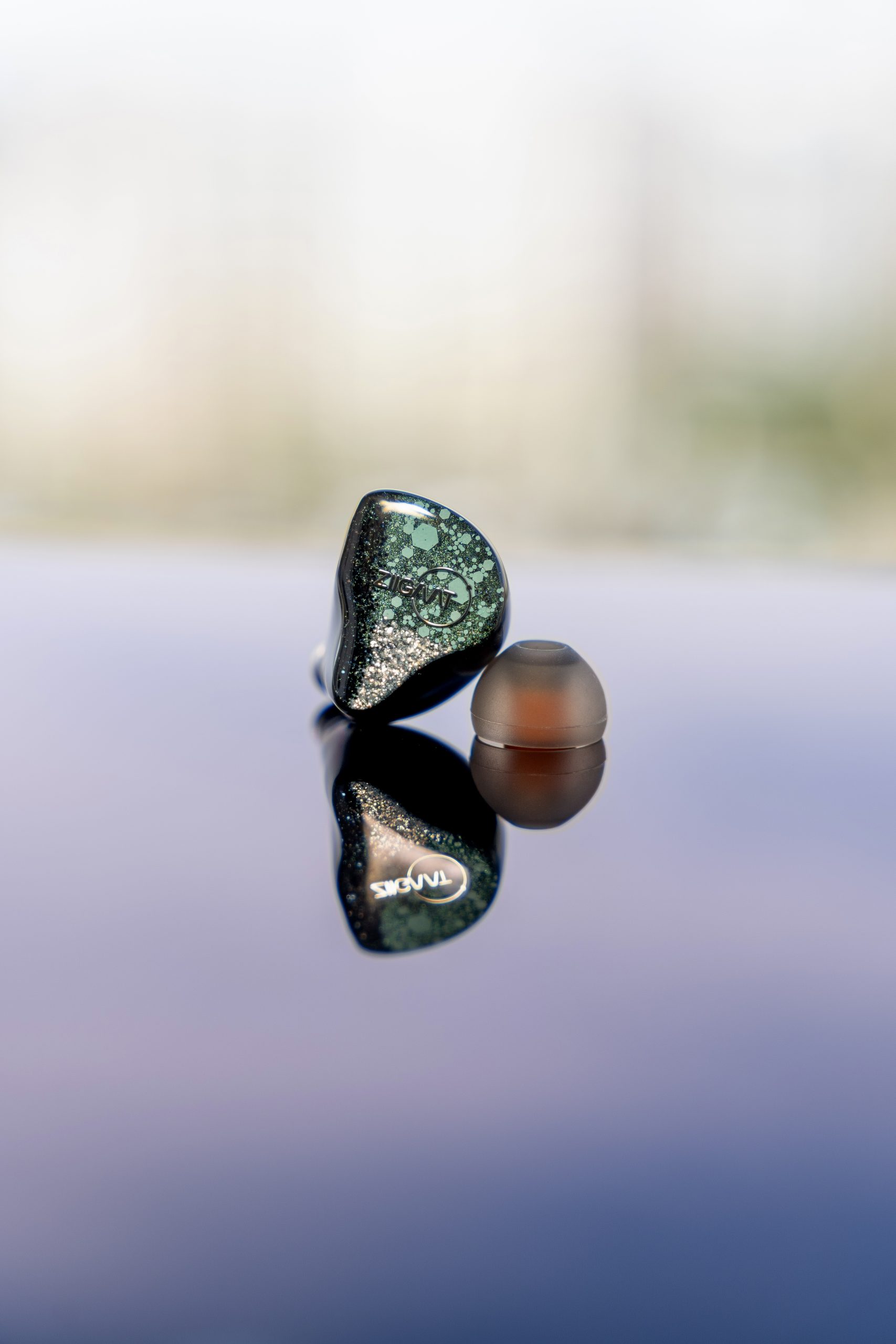
I finally got my hands on the Ziigaat Arcanis. And after putting them through some really rigorous testing over the course of several days swapping ear tips. Listening to different types of headphones, and comparing them to several competitors in the same price range.
Table Of Content
I feel like, I have a good grasp of what these headphones are for. If you’re curious but haven’t yet formed a clear idea, here are my thoughts.
Disclaimer: I would like to thank Linsoul and Ziigaat for providing the Arcanis In-Ear Monitor for review purposes. I am not affiliated with Linsoul and Ziigaat beyond this review and these words reflect my true and unaltered opinions about the product.


Build and First Impressions
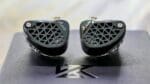
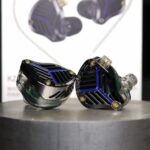
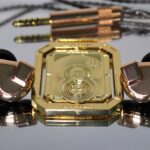
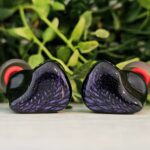
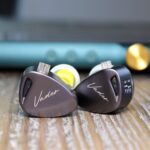
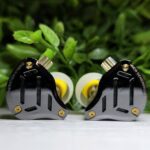
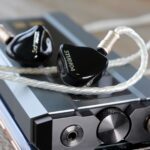
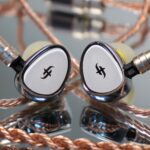
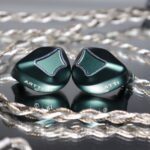
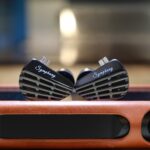
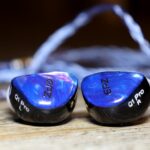
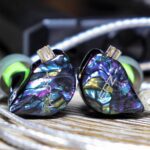
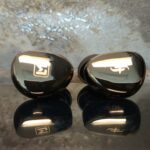
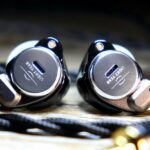
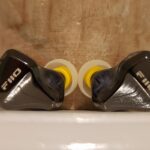
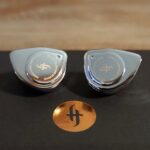
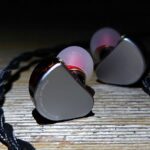
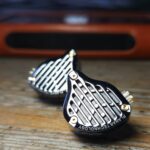
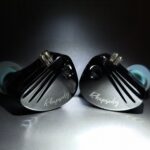
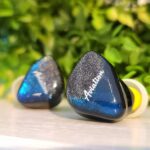
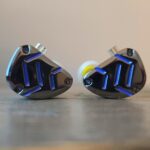
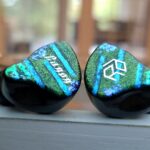
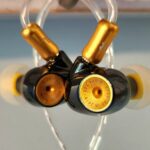
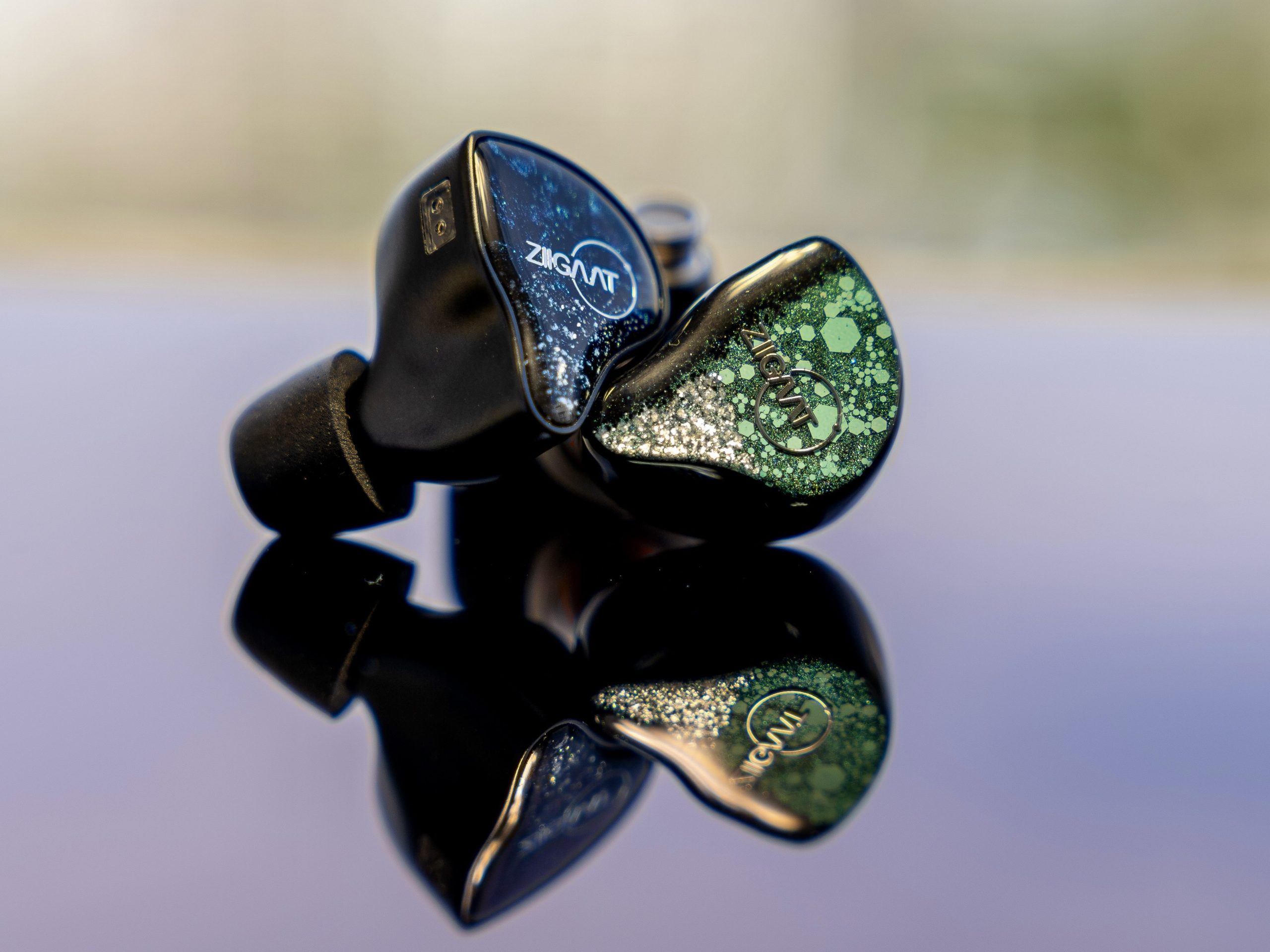
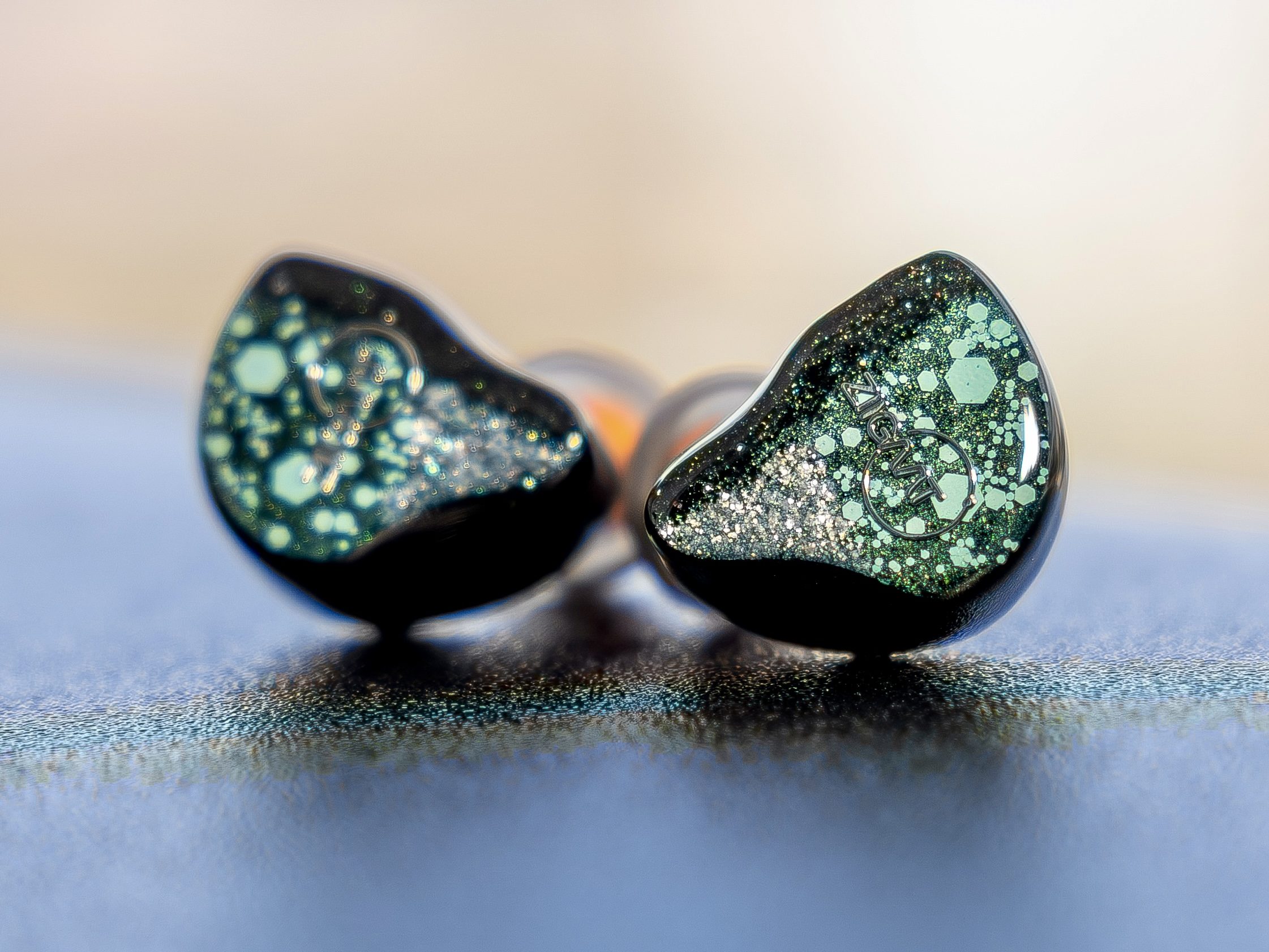
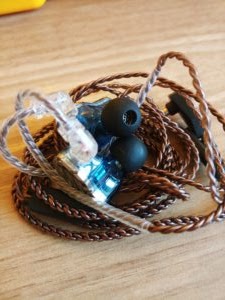
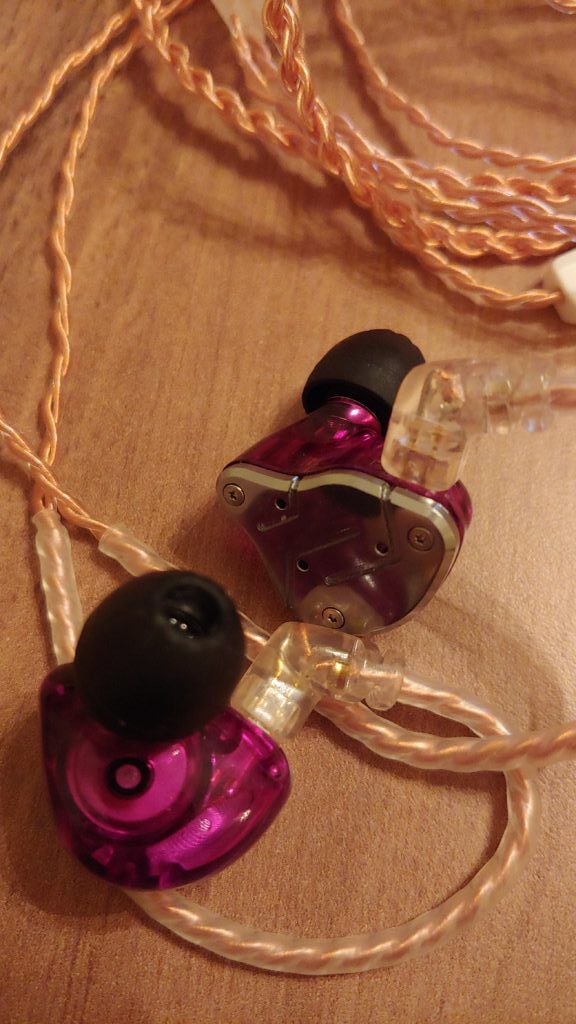
First of all, these are striking looking headphones without being overly over the top. The handcrafted resin bodies feature a subtle gilded front face that reflects light differently depending on the angle, giving each device its own unique character. Compared to the Odyssey 2, the Arcanis feel a bit thinner and sit a bit shallower in the ear; they’re probably better suited to those with smaller ears.
The isolation is excellent; I tested them on a short flight and found that with the right earbud tips, external noise was largely eliminated. The included cable is a 4-core OCC silver-plated copper braided cable that’s lightweight, flexible, and surprisingly low in microphonics. (However, I prefer the Arcanis and the Kiwi Ears Terras Upgrade cable.)
A good mix of silicone and foam ear tips, a small, albeit underwhelming, carrying case, and a few spare filters are also included in the box. Nothing groundbreaking, but not too stingy either. An IEM of this quality simply deserves better peripherals.


Driver Setup and Features:
Now for the fun part: The Arcanis uses a slightly more complex hybrid configuration than your standard IEM.
Bass: 2x 10mm PET Dynamic Drivers in an isobaric arrangement, designed to deliver controlled, deep, and distortion-free bass.
Mid/Treble: 5 Knowles BA drivers for midrange and treble: 2x 32873 for lower mids, 2x 29689 for mid/mid-treble, and 1x 33518 tweeter for the highs.
Specs: 20Hz–25kHz frequency response, 12Ω impedance, and sensitivity of approximately 106dB. They can easily be driven through a DAC or mid-range DAP, but as with most hybrids, better sources will reveal more detail.
Bass Performance:
The bass here is controlled, textured, and satisfying. It’s not for bassheads looking for chest-rattling sub-bass everywhere I’m a bass fiend myself but this is studio-quality bass. It’s just right and has plenty of depth when it needs it. Kick drums hit very cleanly, EDM drops feel impactful, and even on modern hip-hop tracks, the bass has a tactile sense of presence.
The Decay has a tight and responsive tone rather than a lingering, booming tone. Compared to something like the Moondrop Blessing 3, the Arcanis’s bass feels warmer and more natural, leaning towards the kind of presentation you’d get from a quality bookshelf speaker rather than a boosted tuning.
Midrange and Vocals:
This is where the Arcanis really shines, in my opinion. The vocals stand out, textured, and natural, as if to say, “Get out of my way.” Male vocals have a nice body without being too heavy-handed, while female vocals are clear and vibrant. Acoustic guitars and pianos have a realistic tone, with just enough warmth to keep things engaging without muddying them. The transition between the dynamic drivers and the BAs is smooth, with no weird dips or treble peaks. This IEM continues to amaze me, man.
If you’re a fan of artists like Billie Eilish or Lana Del Rey, you’ll notice how the midrange keeps the vocals exactly where they should be, without being overshadowed or exaggerated. Compared to the Odyssey 2, the Arcanis isn’t neutral, but rather a bit more focused on the midrange, giving it a musical edge.
Treble and Air
The upper frequencies are detailed and airy, but never fatiguing. This is an IEM you’ll never want to take out of your ear. Cymbals have a clear attack and sustain, violins sparkle, and the electronic highs sparkle without being harsh or piercing. I even tried some notoriously hissy tracks, and the Arcanis held its own. For those sensitive to treble, it’s more refined than aggressive, a bit more relaxed than brighter IEMs like the Dunu SA6, but I still feel a fairly soluble relief.

Soundstage and Imaging
One area where the Arcanis excels is the soundstage. It feels open, holographic, and wider than typical sub-$700 hybrids. Its width extends beyond your head, and its depth allows instruments to naturally appear in space. Imaging is accurate, with precise panoramic effects accurately tracked, and orchestral tracks are surprisingly easy to examine. While it doesn’t have flagship-level planar expansion, it exhibits excellent layering for its class.
Genre Versatility
I think the Arcanis is a truly versatile IEM. It excels in acoustics, vocals, and jazz, leaving you impressed. EDM and hip-hop are punchy and fun, but true bass enthusiasts may want more slam. Rock and metal tracks (like the XENNS Mangird Top Pro) benefit from the separation, while guitars and drums retain their clarity and feel as if they’re playing right next to you.
Overall, if your music library is mixed, I’m sure this IEM will fit in perfectly. The only caveat is that this tuning prioritizes balance and refinement for listeners seeking exaggerated lows or ultra-bright highs. In my opinion, this is an IEM crafted with exceptional technical prowess. For those who want to get the most out of their $400.
Comparisons
With the Odyssey 2: The Odyssey 2 is more V-shaped, fun, and energetic.
The Arcanis, on the other hand, is smoother, more midrange, and more natural for vocals and acoustic instruments. It’s like saying, “Hey, move a little further, kiddo.”
Pros
High-end build and aesthetically unique. Quite comfortable.
Balanced hybrid tuning: controlled bass, rich midrange, refined treble.
Strong technical performance: soundstage, imaging, and detail.
Not tiring; very comfortable for long sessions.
Scalable to better source equipment, but performs quite well with simple DACs as well. Powers 12 ohms very easily.
Cons
The bass isn’t for hardcore bassists. It has the refinement of a very technical bookshelf speaker. The depth is definitely pleasing. As a bass lover, I can say I was pleased.
The soundstage depth is excellent for the price, but not at the level of a flagship speaker over $1,000.
2 DD + 5 Knowles BA
Final Thoughts
The Ziigaat Arcanis doesn’t rely on gimmicks or over-the-top tunings. Balance, musicality, and listening pleasure are at the forefront of this IEM. At its price point, it easily rivals the likes of Moondrop, ThieAudio, and other established hybrids.
If you’re looking for a hybrid that handles vocals gracefully, covers a wide range of music, and feels like a small work of art in your ears, the Arcanis is definitely worth a listen. It may not be flashy or over-the-top, but it’s one of the most satisfying IEMs I’ve tried in this price range.
Thanks for reading.. (ADR from Electro Audio World) – Instagram: electroaudioworld
- Youtube Ziigaat ARCANIS – Unboxing video
- Ziigaat Arcanis Purchasing Link

Used photo Gear : Sony A7 III + Sigma 24–70mm F/2.8 DG DN II Art Lens





No Comment! Be the first one.