









































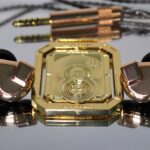










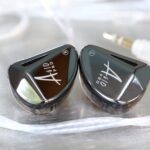










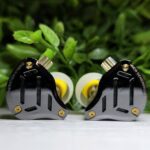















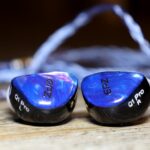








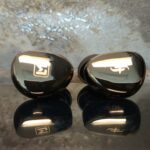



























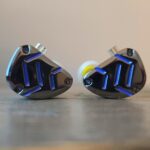


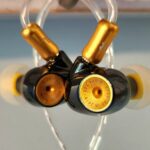





The Melody Wings Venus didn’t arrive with urgency. No dramatic first impression, no immediate “wow” moment. Instead, it sat there — quietly — asking to be used, not judged. Over several listening sessions, different plugs, different eartips, and different moods, its character slowly revealed itself.
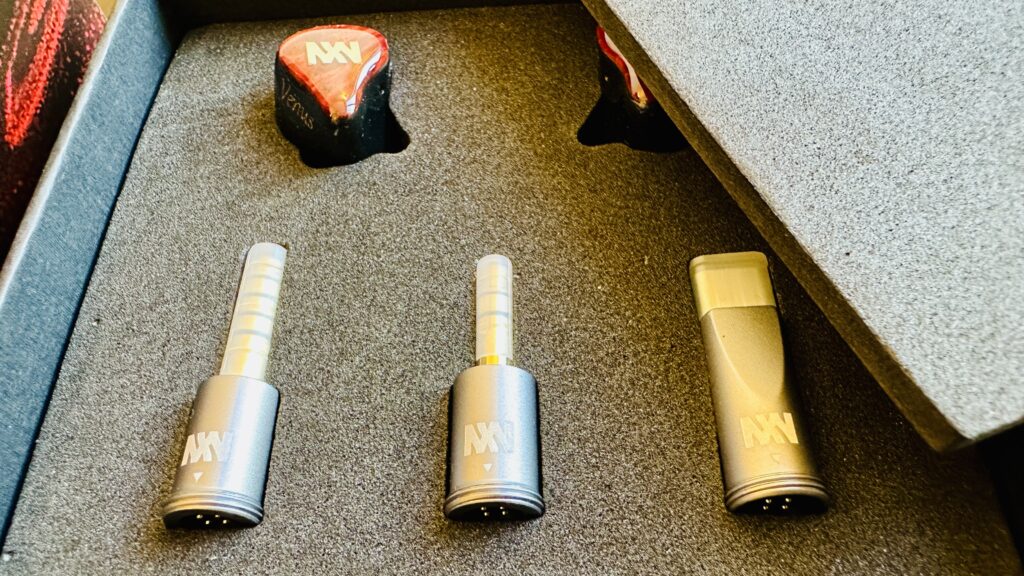
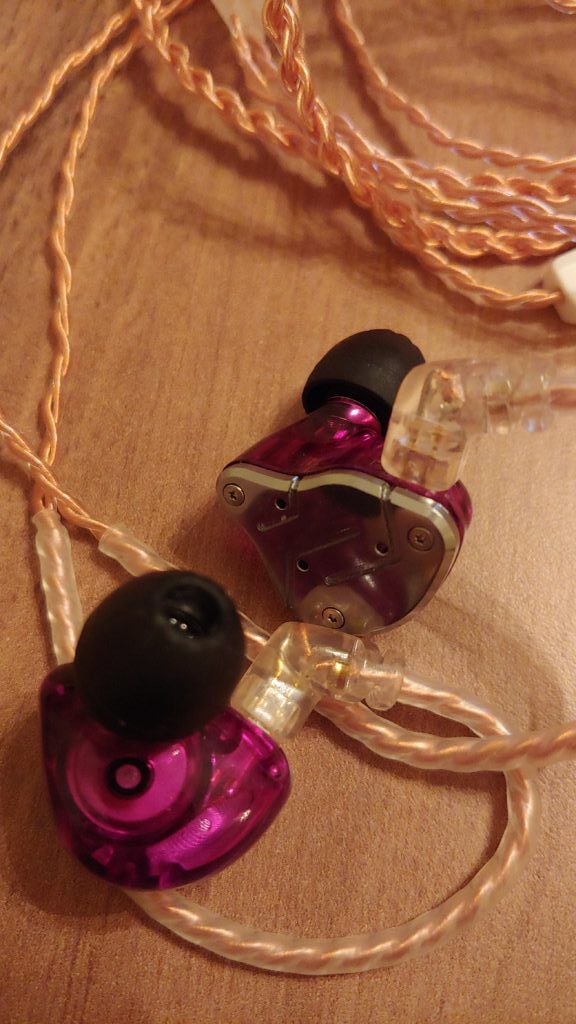
Venus comes in a red, marble-textured box and includes multiple eartips, a soft multi-braided cable, a carrying case, and interchangeable terminations: 3.5mm single-ended, 4.4mm balanced, and USB-C. That already tells you something. This is not an IEM meant to be locked into one setup.


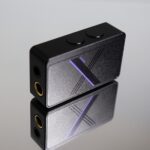
All listening notes below are based primarily on the HiBy R4, taken across multiple days rather than a single sitting.
Sound Overview – Living with the Venus
What defines the Melody Wings Venus most is adaptability. Its tuning does not impose itself. Instead, it reacts. Eartips matter. Output matters. Even listening volume subtly changes how it presents itself.
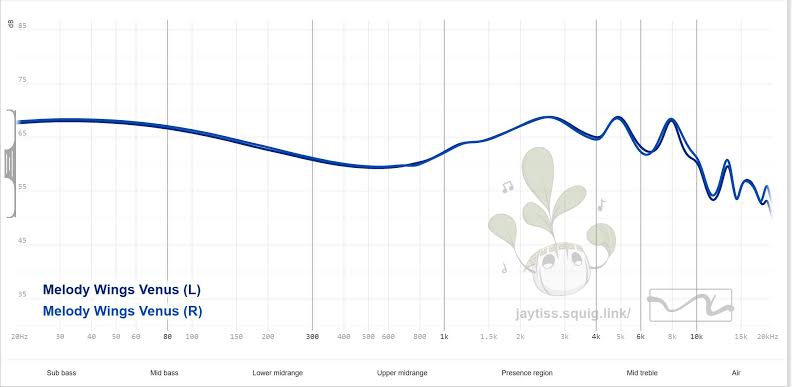
At its core, Venus leans toward a balanced, slightly monitor-oriented sound with a clean background and disciplined behavior. It avoids extremes. There’s no exaggerated bass shelf, no artificially boosted sparkle. It feels more like a tool that can loosen up — if you let it.
Technical Performance – Notes from Daily Use
The first consistent thing I noticed across sessions was the background. Venus stays dark. Not artificially black, but genuinely quiet. That silence allows micro-details to appear naturally, especially when the recording quality cooperates.
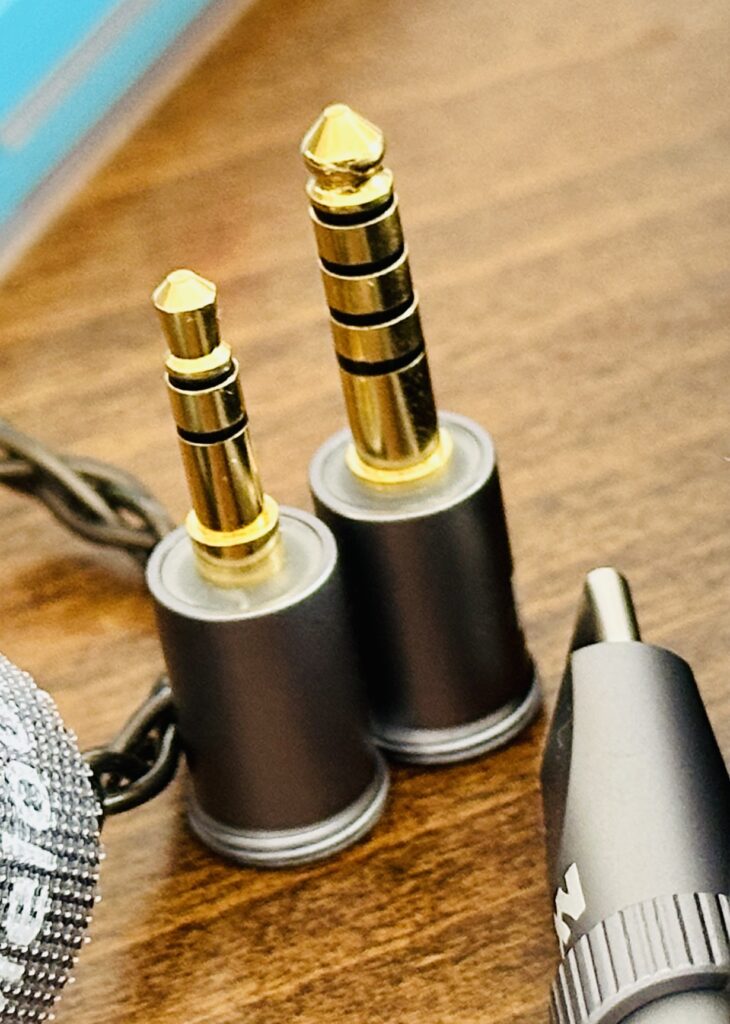
Transient response is quick. Notes start and stop without hesitation. Layering is clear enough to follow individual elements in electronic tracks, yet never feels dissected. The soundstage is not wide, but it breathes. USB-C adds depth and spatial separation, while 4.4mm balanced sharpens edges and outlines.
This is not a technical showpiece. It’s more about order than spectacle.
Bass – Controlled, Never Overstated
Bass on the Venus took time to understand. The dynamic driver is present, but it doesn’t behave like a traditional slam-focused DD. Sub-bass exists, but it stays in line. You hear it before you feel it.
On 3.5mm, bass functions more as structural support than a focal point. Switching to 4.4mm balanced brings more physicality, especially in electronic music. Low-end textures become more tangible, transitions cleaner. Still, in rock and metal, bass does not thicken or bloom. It remains controlled, almost reserved.
This feels less like tuning choice and more like limited driver ventilation. The bass never misbehaves — but it also never fully lets go.
Midrange – Where Venus Feels Most Stable
The midrange is the most reliable part of the Venus. Vocals sit naturally in the mix, neither forward nor distant. Upper mids are open enough to reveal detail, but never push into shoutiness.
Over USB-C, mids flow more freely. There’s a sense of ease — phrasing feels less rigid. Balanced output tightens everything up, bringing a more neutral, monitor-like stance. Emotional warmth is not the priority here; clarity is.
For long sessions, this midrange works. It doesn’t demand attention. It stays readable.
Treble – Safe, Sometimes Too Safe
Treble behavior depends heavily on setup. With 3.5mm, cymbals in heavy metal can sound a bit flat — present, but lacking depth. There’s no harshness, no glare, but also limited dimensionality.
Eartip changes help significantly. Colored-tube tips open things up, giving treble more air and separation. USB-C smooths the upper treble further, and strangely enough, that smoothness often sounds more natural over time.
Venus does not chase excitement in the highs. It chooses safety and long-term listenability.
Eartip and Plug Observations
Venus has two personalities.
- With deeper, black-tubed tips → tighter, more monitor-like, more analytical
- With colored, semi-transparent tips → relaxed, musical, easier to enjoy
Balanced output pushes technical clarity forward. USB-C trades some precision for flow and spatial realism, especially in rock and metal where low-frequency congestion is avoided surprisingly well.
This is not subtle tuning variance. These changes are audible and meaningful.
Pros and Cons
Pros
- Clean, dark background
- Consistent imaging and separation
- Strong response to eartips and output changes
- 3.5mm, 4.4mm, and USB-C included in the box
Cons
- Limited bass slam for a dynamic driver
- Treble can feel flat on 3.5mm with certain genres
- Not ideal for listeners seeking thick, weighty low end

Melody Wings Venus Review Conclusions
The Melody Wings Venus is not designed for quick judgment. It’s not a “five-minute demo” IEM. It asks you to sit with it, adjust it, and listen again.
When treated casually, it may sound restrained. When configured intentionally, it reveals a clean, adaptable, and surprisingly nuanced character. It doesn’t chase excitement — it waits for the chain to bring it out.
For listeners who enjoy tuning through pairing rather than EQ, Venus offers something rare: room to experiment. And that, over time, becomes its strongest quality.






No Comment! Be the first one.