





































































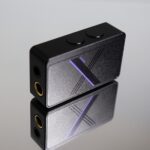










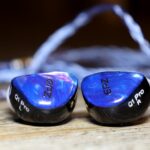














































Listening affects more than sound quality — from ear fatigue to dopamine and stress relief, here’s all science says about audio and your health
There’s a version of this hobby that ends badly. You start with a pair of IEMs, then a DAC, then a stack, then three more IEMs you bought at midnight “just to compare.” You’re listening six hours a day, you have tinnitus in your left ear, and every time you hear music without your rig you feel vaguely disappointed. Nobody warns you about that part.
But there’s another version — the one most audiophiles actually live, where deliberate listening becomes something closer to a practice. Where the ritual of sitting down with a good source and a good pair of earphones gives your brain something it doesn’t get anywhere else. Where the music actually sounds better and also, quietly, makes you feel better.


The difference between those two outcomes isn’t luck. It’s awareress. And that’s what this “Listening affects more than sound quality — from ear fatigue to dopamine and stress relief, here’s all science says about audio and your health series is about.
Over the next four pieces, we’re going to look at the relationship between audio and health from three angles that most audio publications never touch: what happens to your ears over time, what music actually does to your brain, and what it does to your emotional state. Not in a “music heals!” wellness-blog kind of way. In a here’s-what-the-research-says, here’s-what-it-means-for-how-you-listen way.
Why this matters to an audiophile specifically
Most people who think about ear health are thinking about concerts or construction sites—obvious, acute noise exposure. What audiophile listeners deal with is different. It’s sustained, moderate-level exposure over years. It’s the particular fatigue that comes from hyper-detail retrieval, where your brain is doing active analytical work rather than passive background listening. And it’s the paradox of high-isolation IEMs, which let you hear everything at lower volumes but also create a sealed acoustic environment your ears weren’t designed for.
The brain angle is where things get genuinely interesting. Music listening is one of the few activities that engages nearly every region of the brain simultaneously, and audiophile-level listening—where you’re tracking imaging, separation, timbre, dynamics—activates it differently than background music does.
The frisson response, that involuntary shiver some people get from certain passages, is better understood now than it was ten years ago, and the profiles of people who experience it frequently look a lot like this hobby’s core audience.
The emotional side is the most practical. Genre, tempo, key, and timbral character all have predictable effects on mood state — not universally, but with enough consistency to be genuinely useful. If you know what you’re reaching for emotionally, you can choose your listening session accordingly. That might sound obvious, but most people don’t do it consciously, and the difference between intentional and passive listening is larger than it seems.
What this series covers
The first piece goes into ear health and listening fatigue — what’s actually happening when your ears feel tired, what the safe exposure guidelines mean in practice for IEM users, and how passive isolation changes the math. Or Listening affects more than sound quality — from ear fatigue to dopamine and stress relief, here’s all science says about audio and your health
The second is about neuroscience — the dopamine system, the frisson response, and what active versus passive listening actually looks like in brain imaging studies. There’s a reason your best listening sessions feel different from background music, and it’s not just the gear.
The third piece maps music genres to emotional states in real terms, drawing on mood and affect research rather than vague associations. It ends with some practical guidance on using that map deliberately.
None of this requires you to listen differently if you don’t want to. But if you’ve ever wondered why a particular album hits harder on certain days, or why you come out of a two-hour session feeling energized rather than drained, the answers are in here.
The hobby is more interesting when you understand what’s actually happening. And immense in Listening affects more than sound quality — from ear fatigue to dopamine and stress relief, here’s all science says about audio and your health
Listening to music is one thing. Understanding what it actually does to your body and mind is another. The four pieces below each take on a different angle of that question. Listening fatigue is where most people start — the physical and neurological reasons a long session leaves you drained rather than refreshed. From there, the neuroscience of music explains what’s happening upstream, in the brain, when a recording genuinely moves you. And finally, genre and mood brings it back to the practical: how different sonic structures steer attention, energy, and emotion in ways that aren’t arbitrary.
Taken together, they make a case that how you listen matters as much as what you listen to.






No Comment! Be the first one.