

























































Kiwi Ears Étude IEM Review: Earthquake In Ear with KVT “Pietro’s Take”


Disclaimer:
Hello MBA readers! Today, we have yet another IEM from Kiwi Ears: the Kiwi Ears Étude. They’ve been cooking up IEMs like wild lately. I don’t know if it’s just me, but there have been so many of them, and I haven’t even had the chance to try them all because there are just too many. Despite the sheer number of IEMs, they manage to maintain innovation and uniqueness with very good results. I haven’t listened to an IEM with a vibrating driver since the CVJ KONOKA, and I have to say I’m pleasantly surprised that this technology has improved.
Table Of Content
Thanks to Kiwi Ears for this review unit.
I’m not an audiophile; I’m just a guy who likes to test out different IEMs and DACs and spends a lot of time listening to music. I fall into the audio enthusiast category.
So I’m not going to use super technical words to review it, but I will do my best to describe it.
Tech Specs:
- Drivers: 1 Dynamic Driver + 3 Balanced Armatures + 1 Vibration Transducer
- Sensitivity: 104dB SPL/mW
- Impedance: 5Ω
- Frequency Response: 20Hz – 20kHz
- Cable Details: 0.78mm 2-Pin Connector
- Cable Length: 1.2 Meters
Packaging:
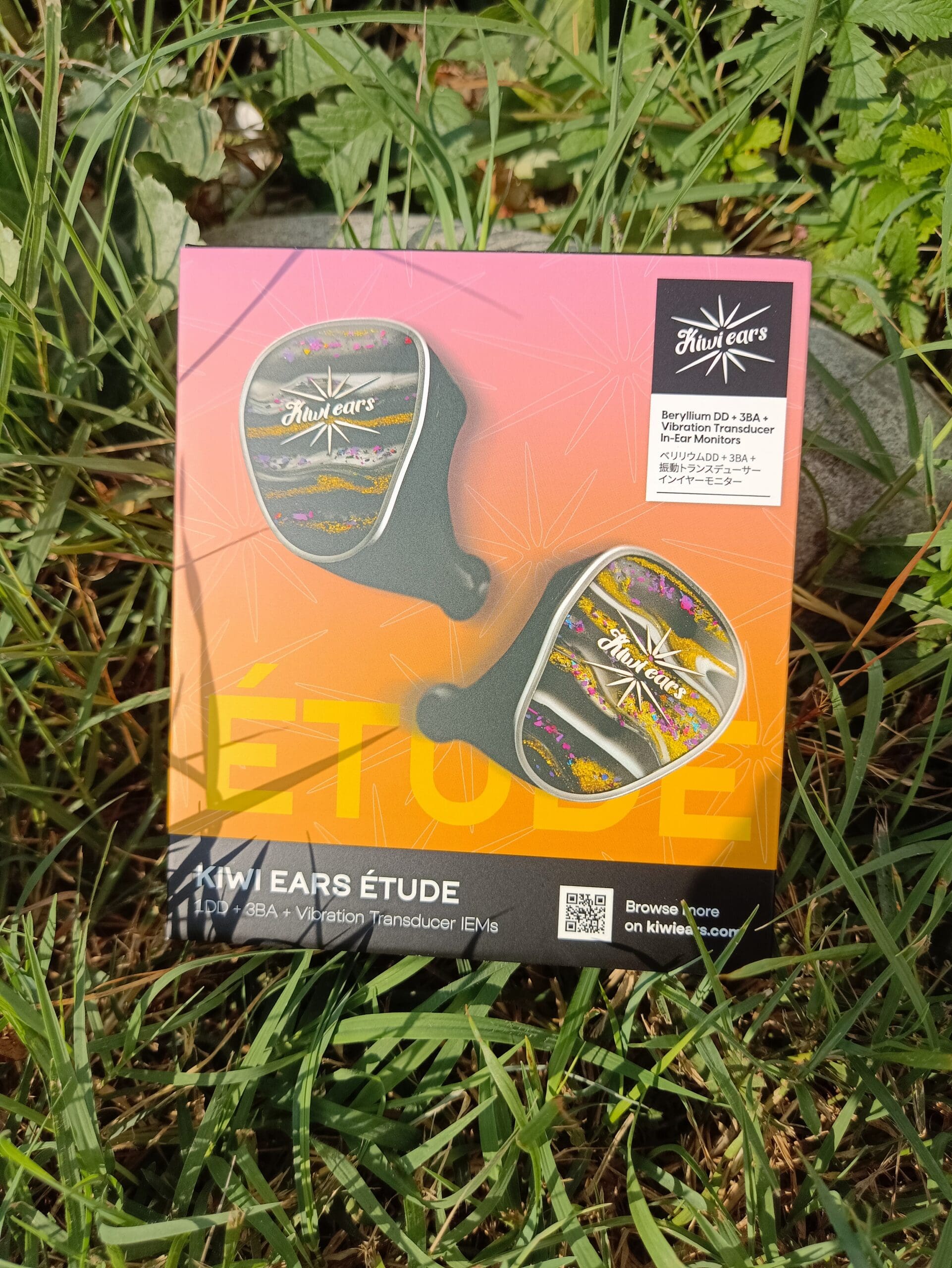
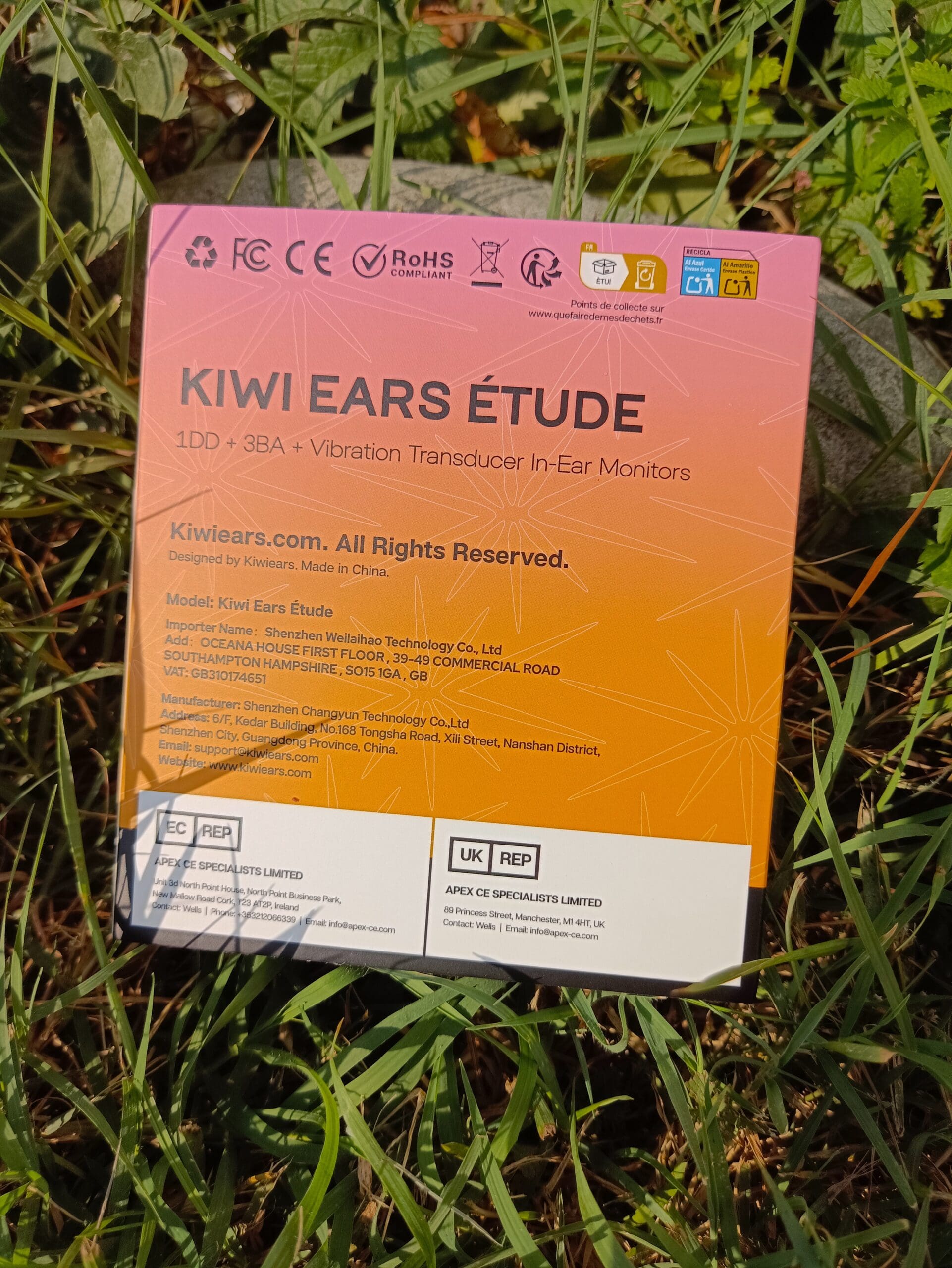

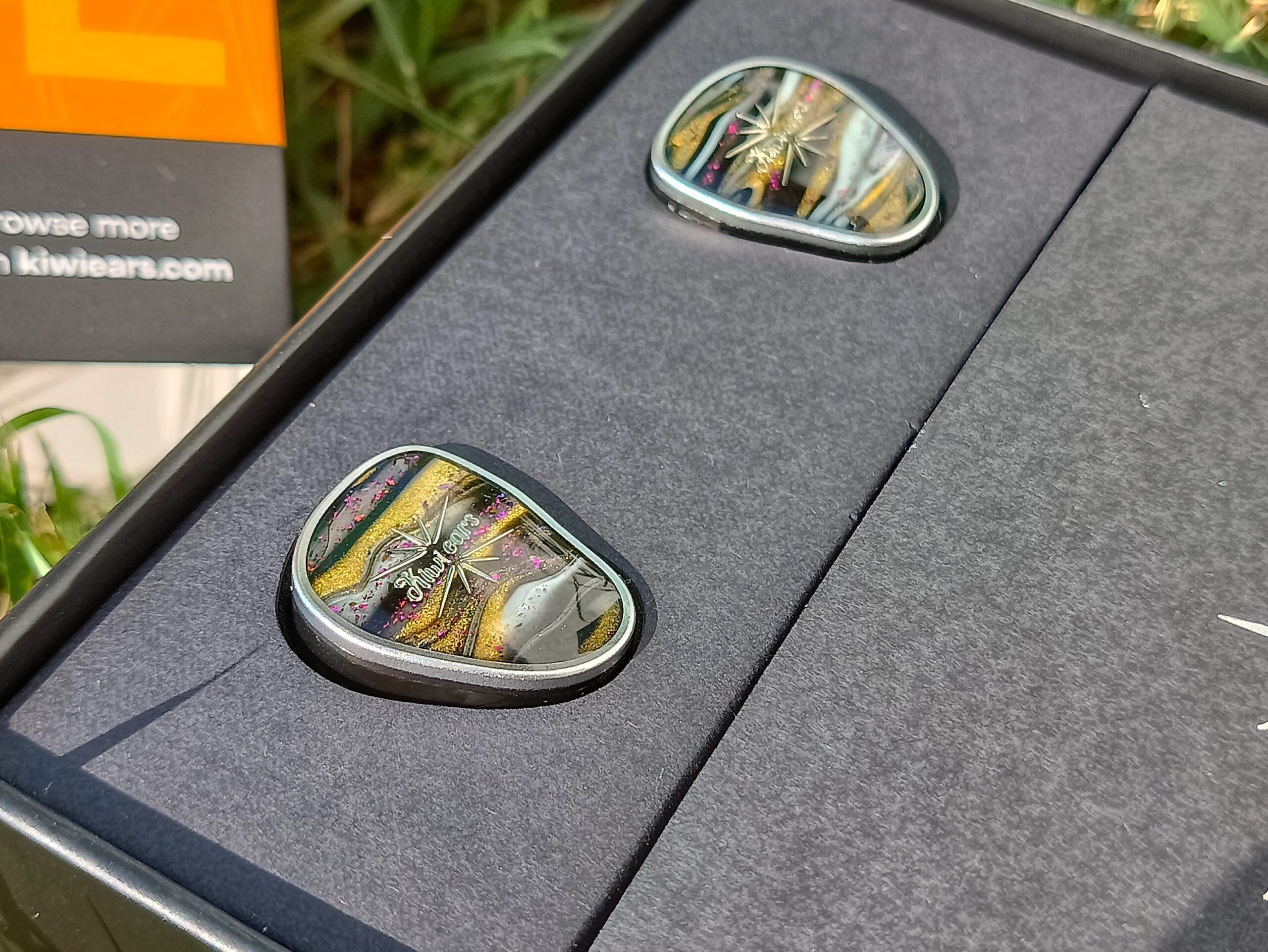
The packaging is very nice; it has a refined look and a modular internal structure. In each housing, we find some components.
Inside we find:
- Branded hard case
- 3.5mm cable
- 9 pairs of Eartips (Bass, Balanced, and Neutral)
- Manuals and warranty sheets.


I must say that there are many tips, but a particularly premium model is not present. The 3.5mm cable is sufficient since the drivers are very efficient, but you still need to have a worthy amplifier. Using the Fosi K7, I do not feel a lack of power, but a 4.4mm option would definitely be considered.
Design/Build Quality:
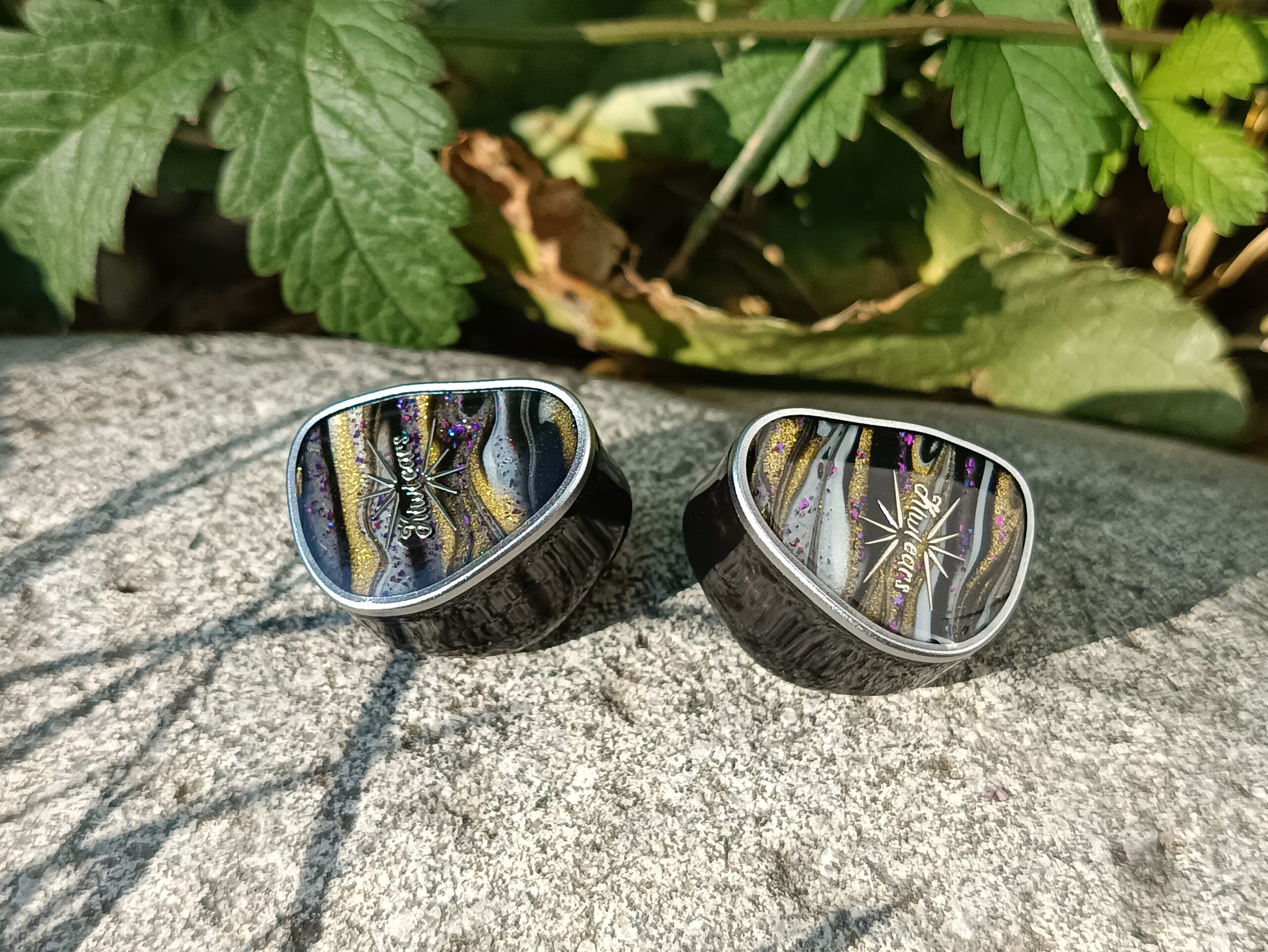
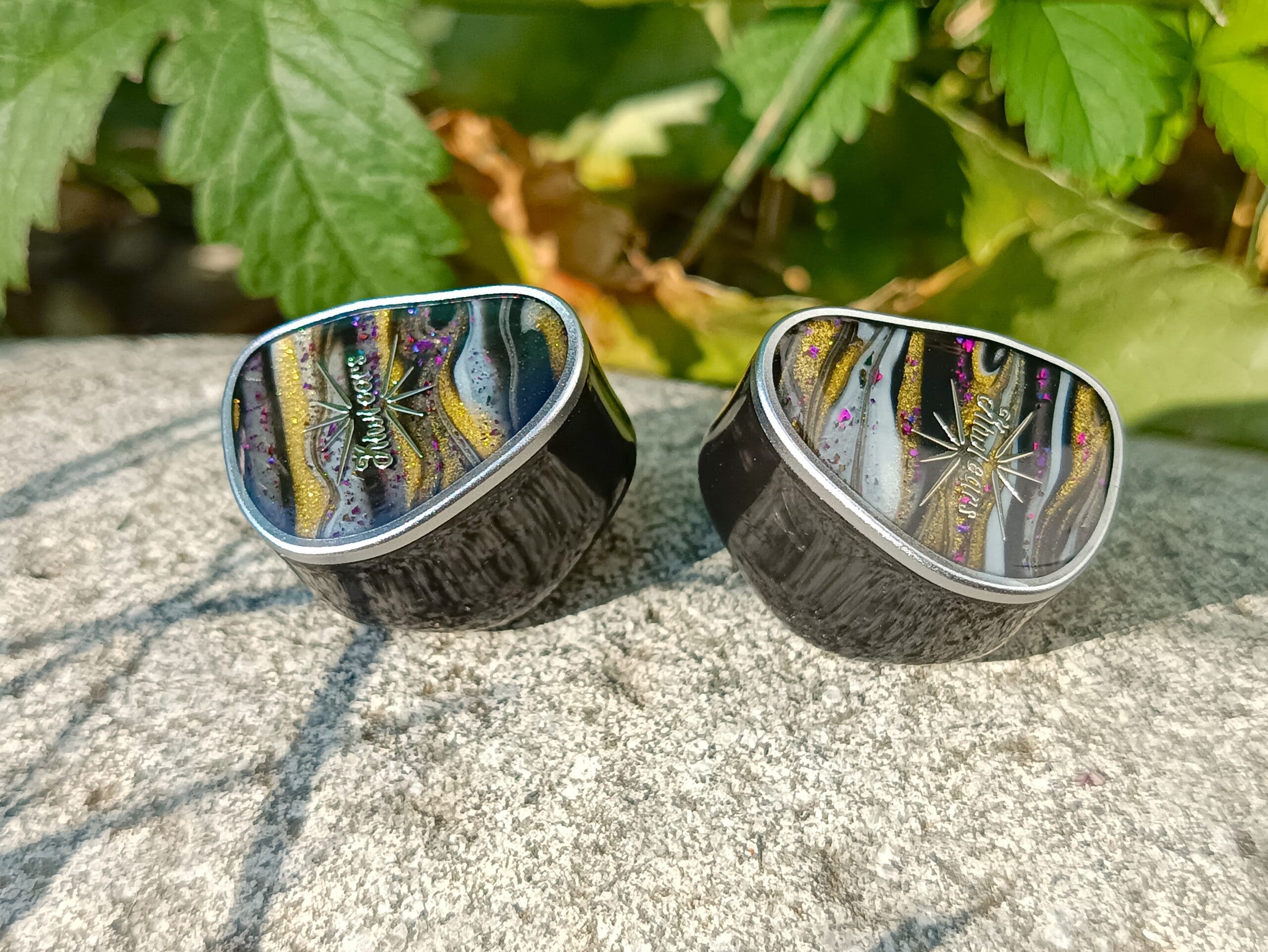
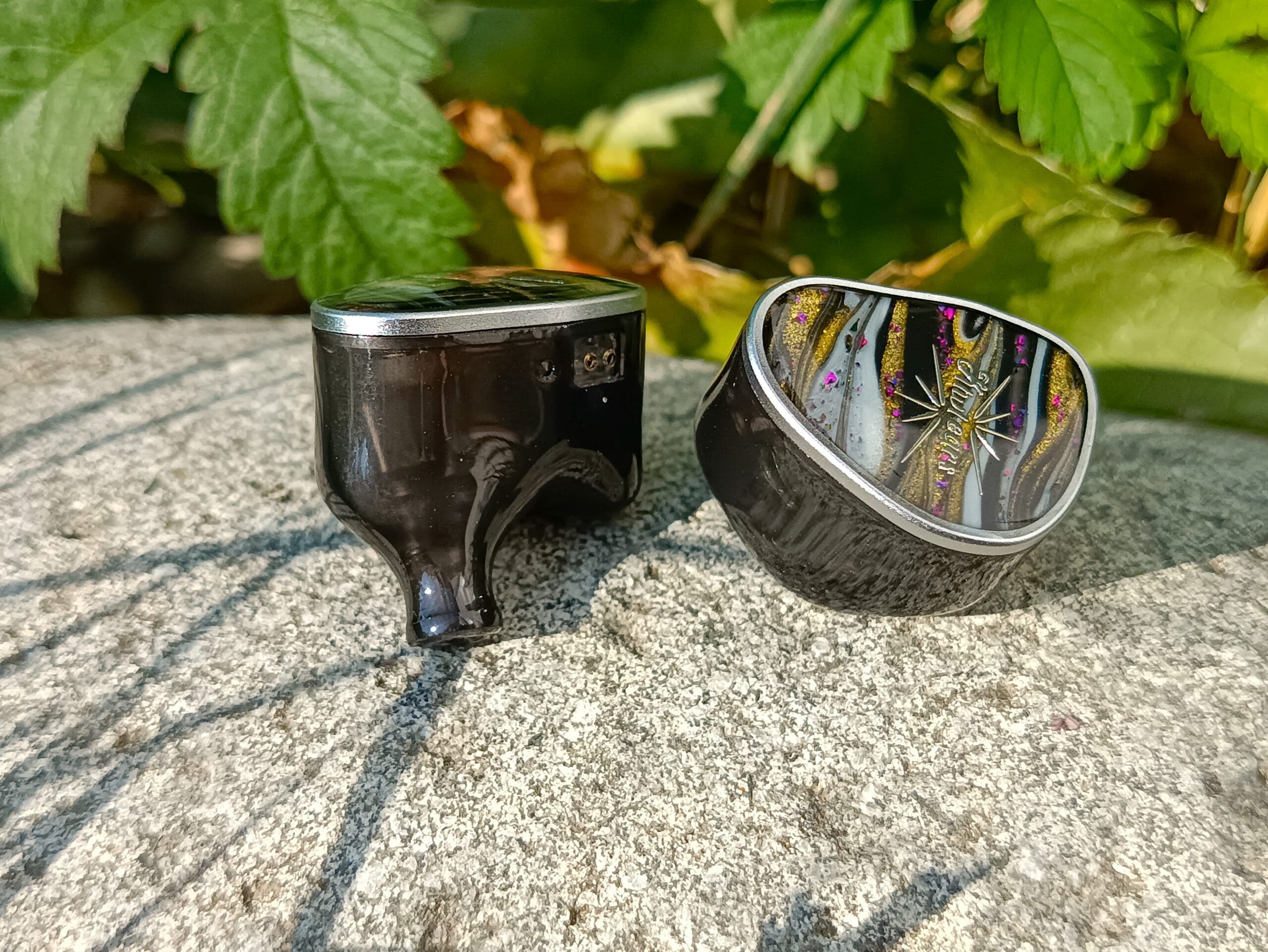
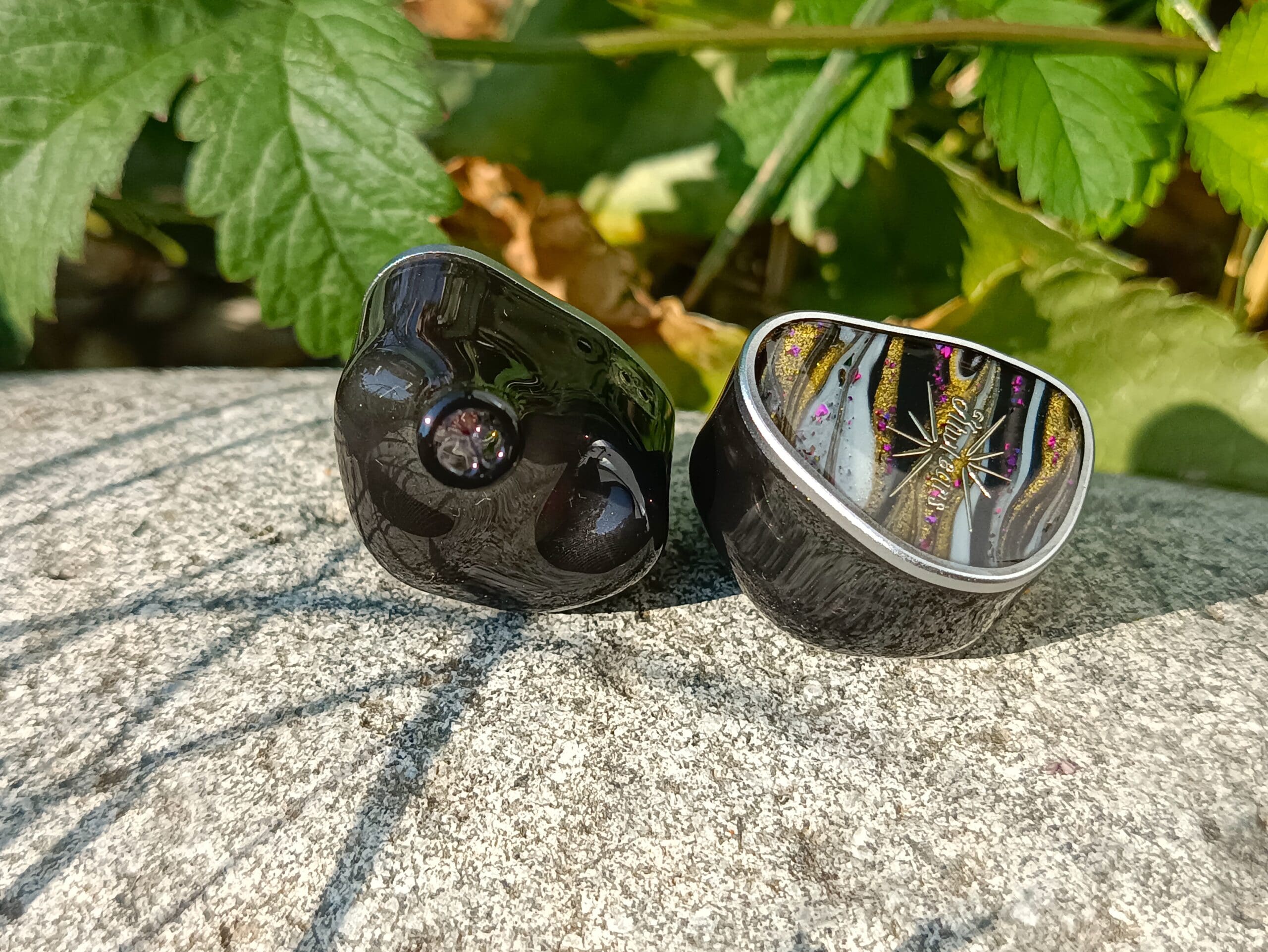
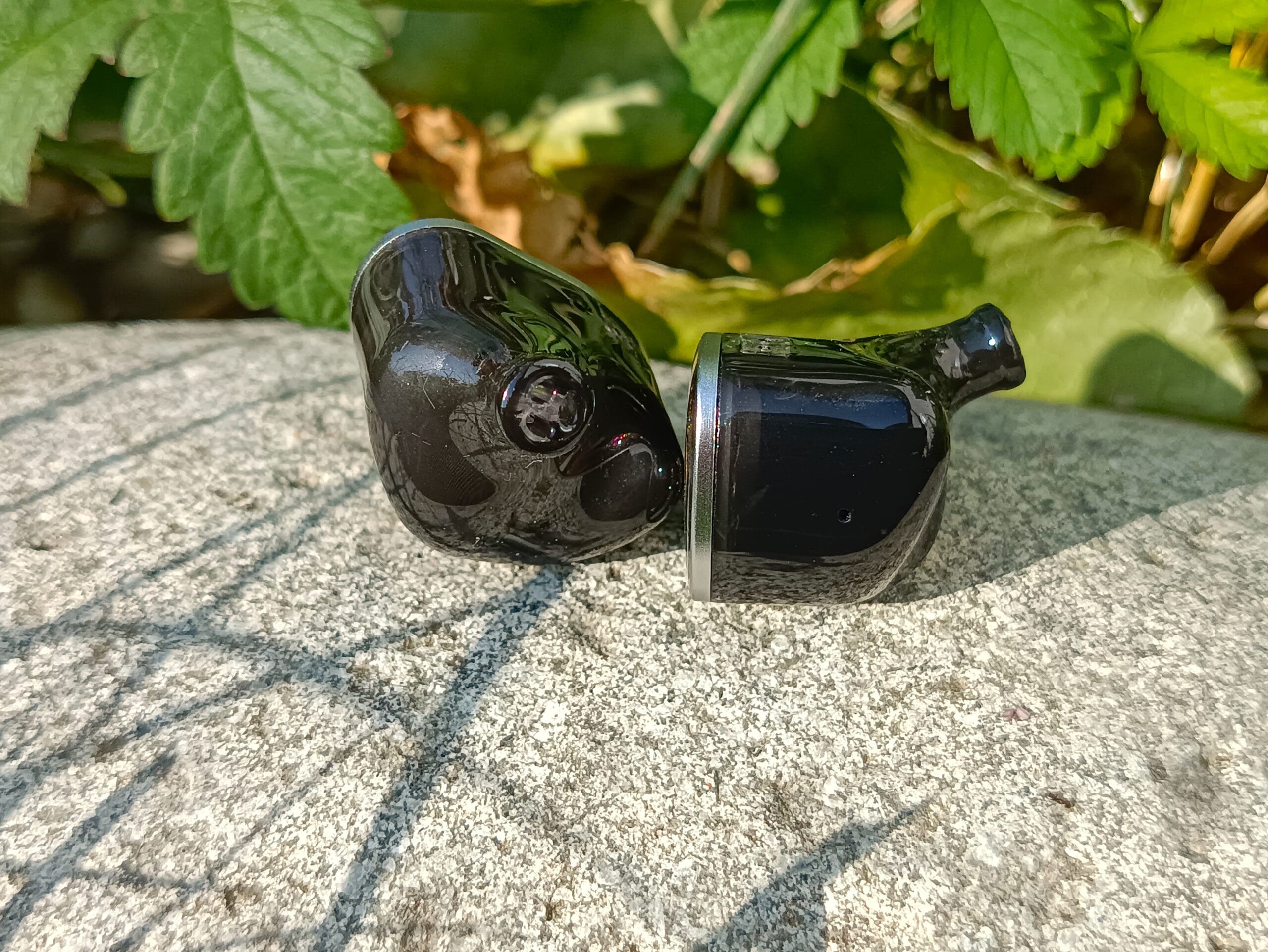
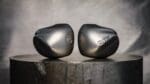
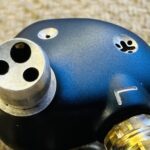
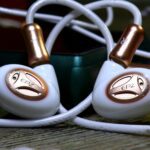
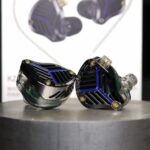
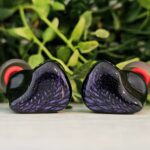
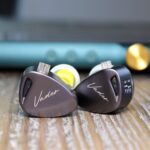
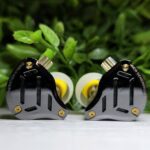
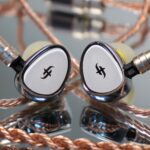
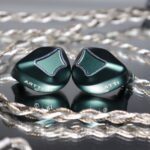
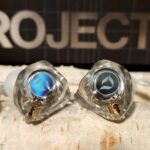
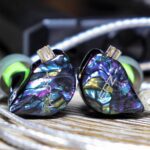
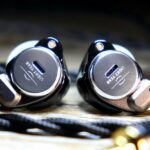
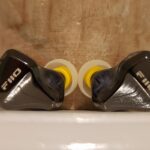
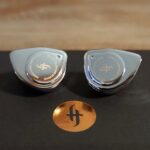
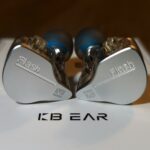
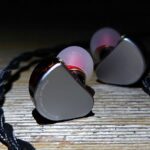
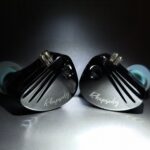
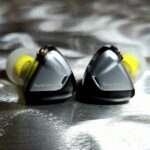
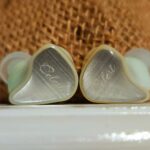
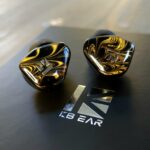
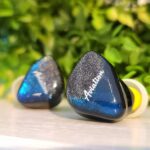
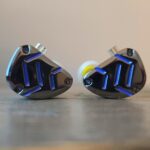
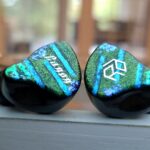
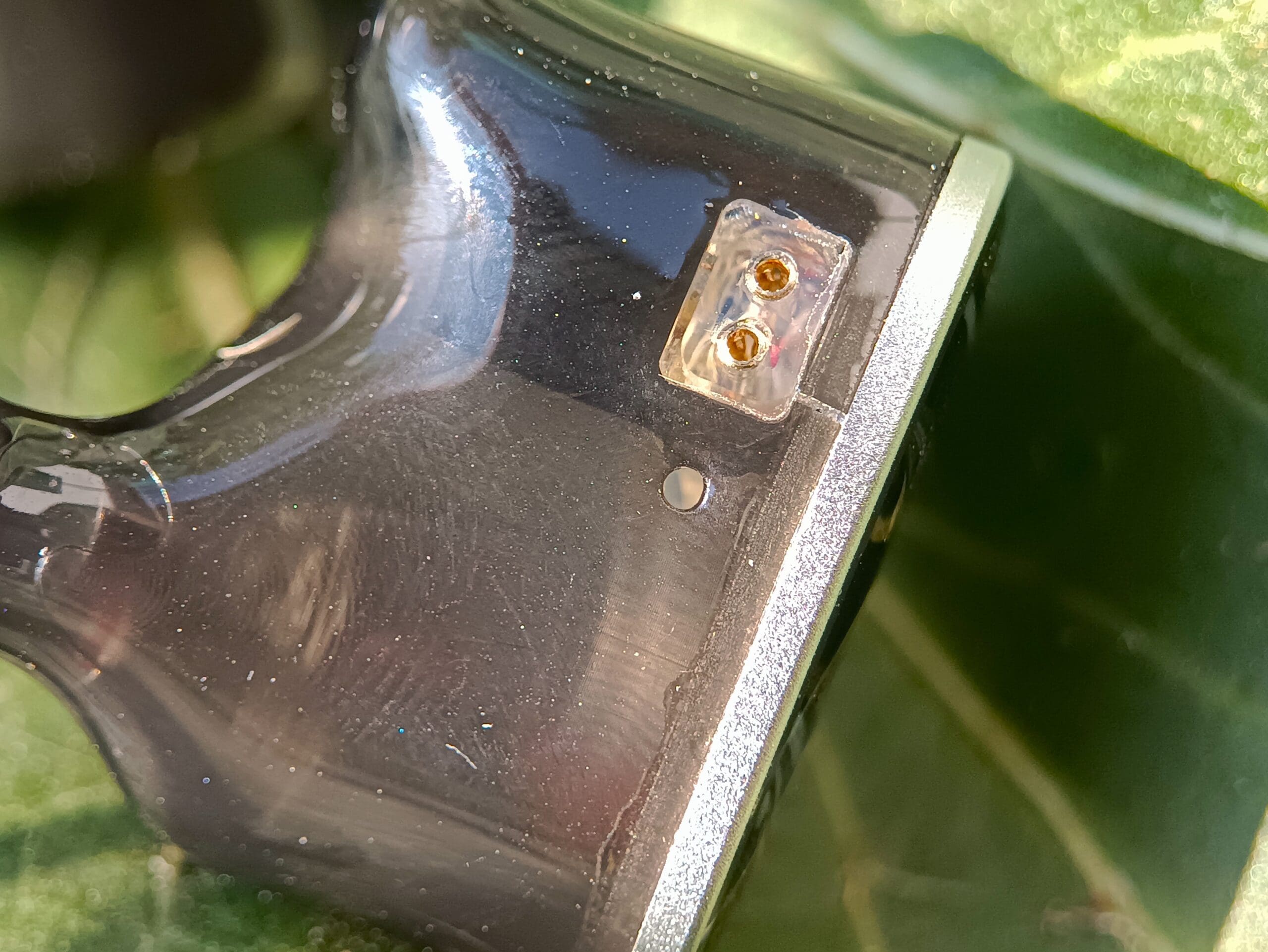
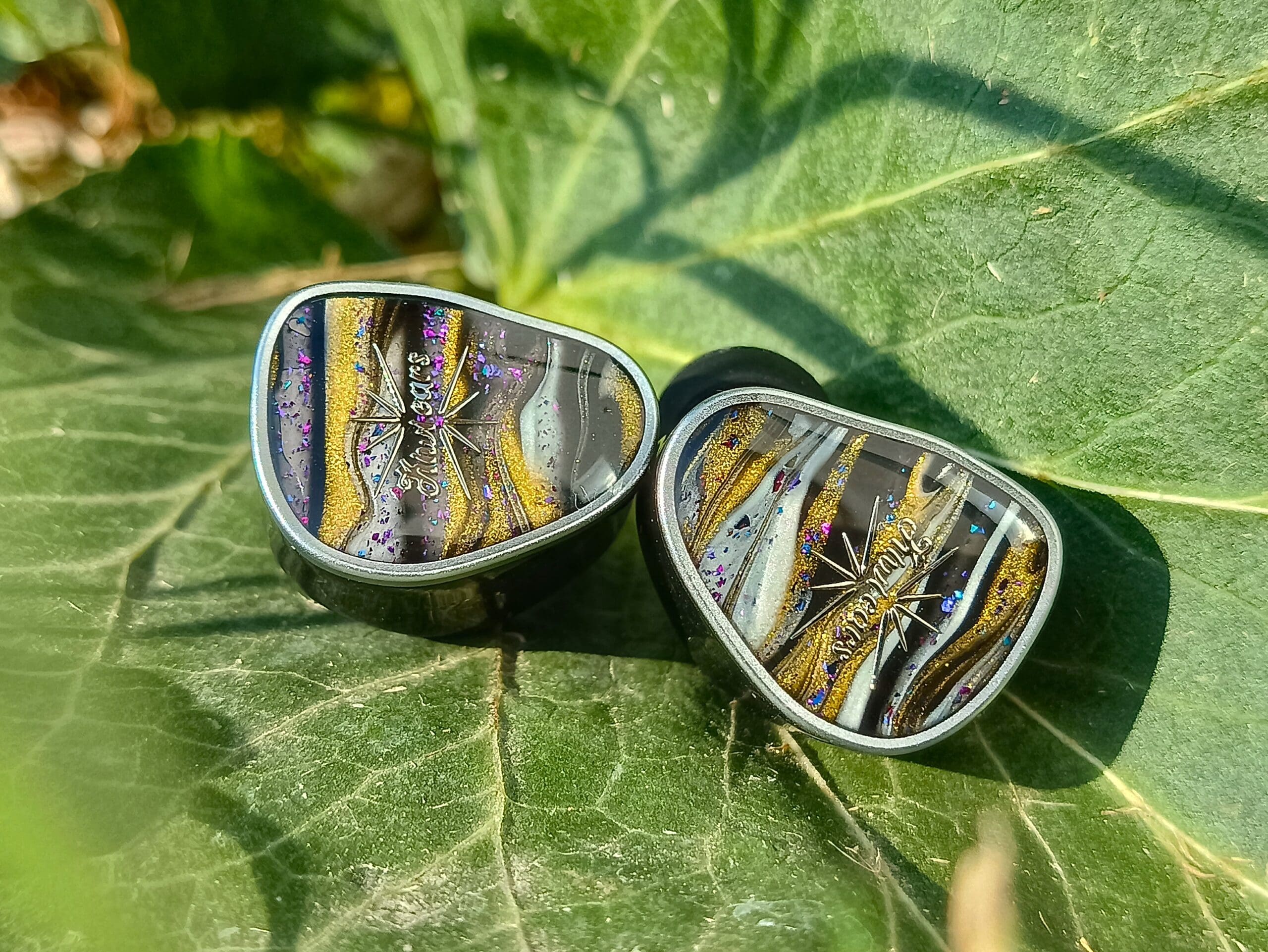
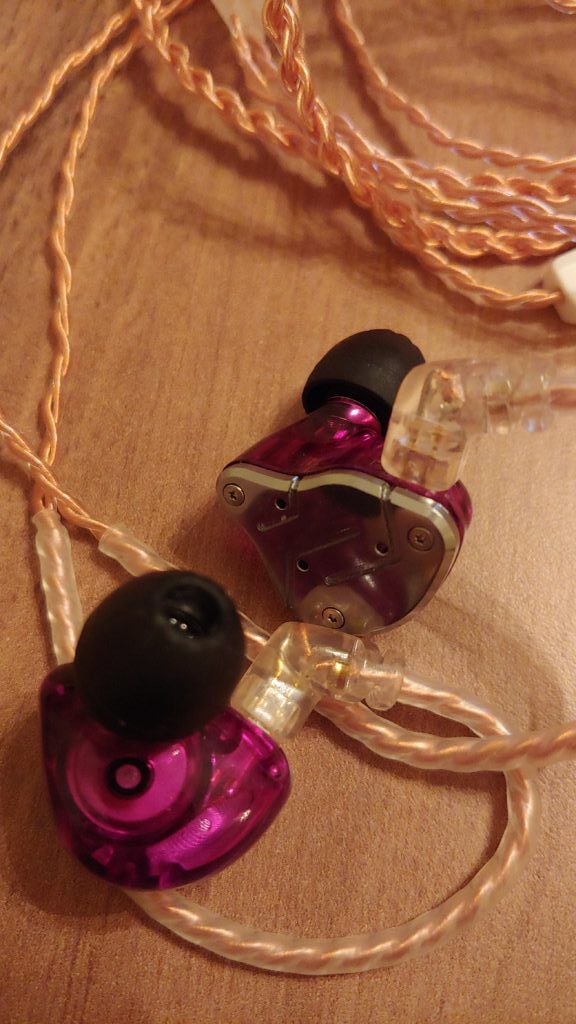
The Kiwi Ears Étude, like many of the Kiwi Ears currently produced, has a similar design to the Aethers. The aesthetics are slightly different, but they’re very similar and easily recognizable by the different faceplates, which include different colors. The shells are quite light and thick enough to accommodate the different drivers. There are two ventilation holes, one near the connector and one on the back of the IEM. I must say that the quality of the shells is generally very good, even for the price range and audio quality.
Kiwi Ears is churning out a remarkable number of products, all closely related, but all with a certain soul.
Initial Sound Impression:
I finally have the chance to hear a well-implemented KVT vibrating driver! Thank God! After the terrifying experience with the KONOKAs, I no longer considered this technology, but I can finally give it another chance. A few years have passed, so I imagine that studies and possible implementations have also made progress, but the Kiwi Ears Étude truly proves to be something special. A well-structured hybrid IEM with a fun but well-done tuning.
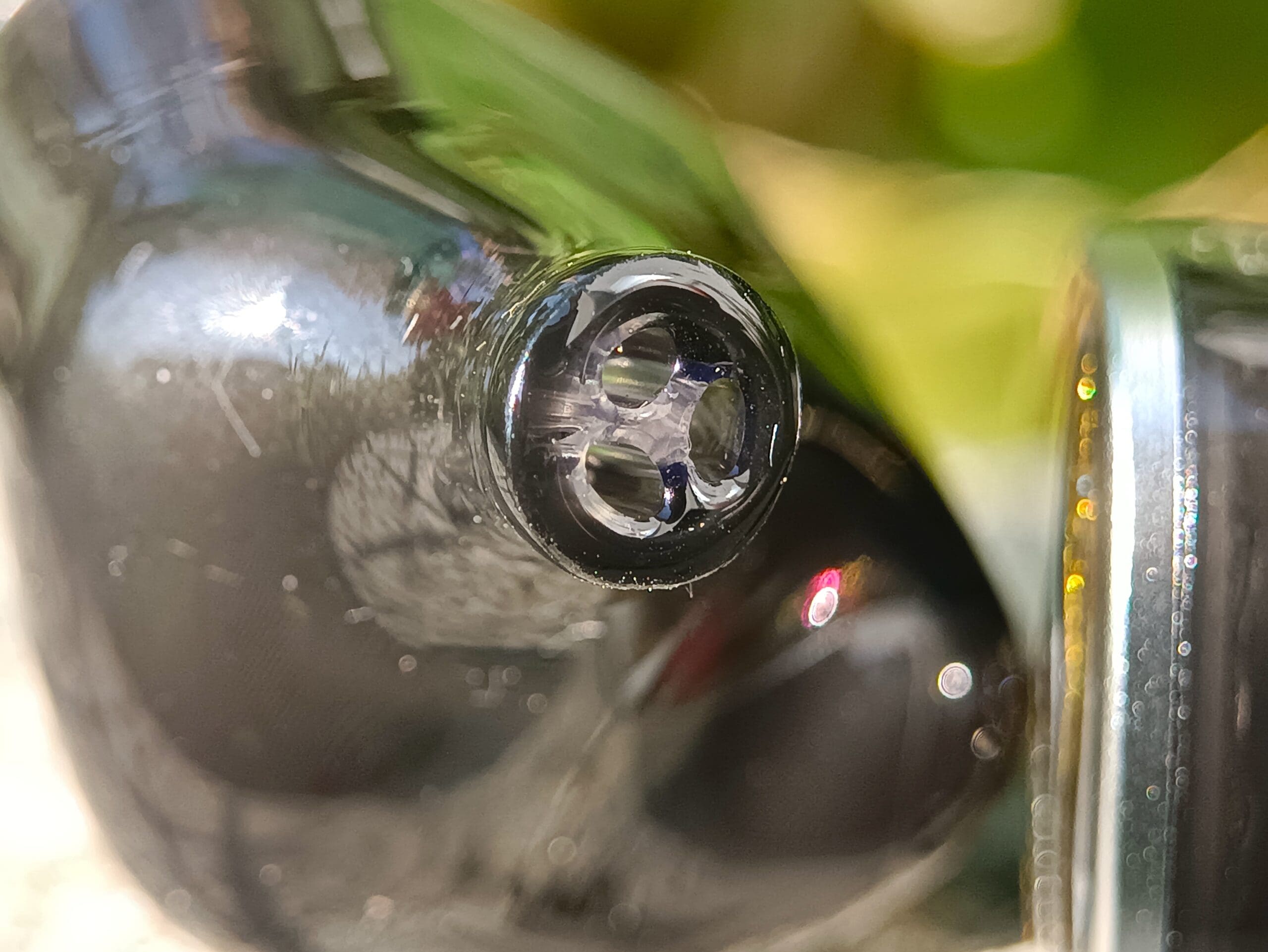
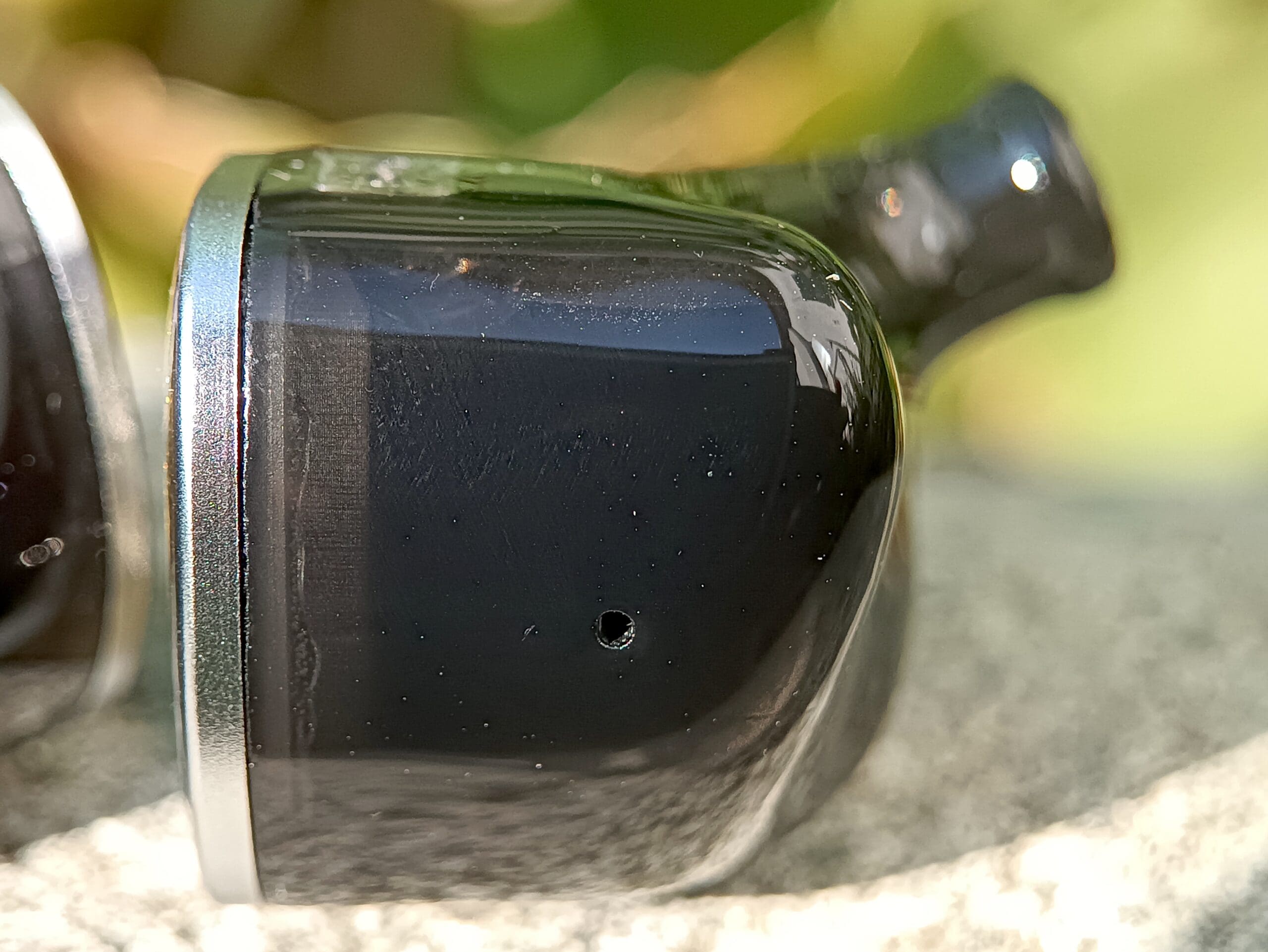

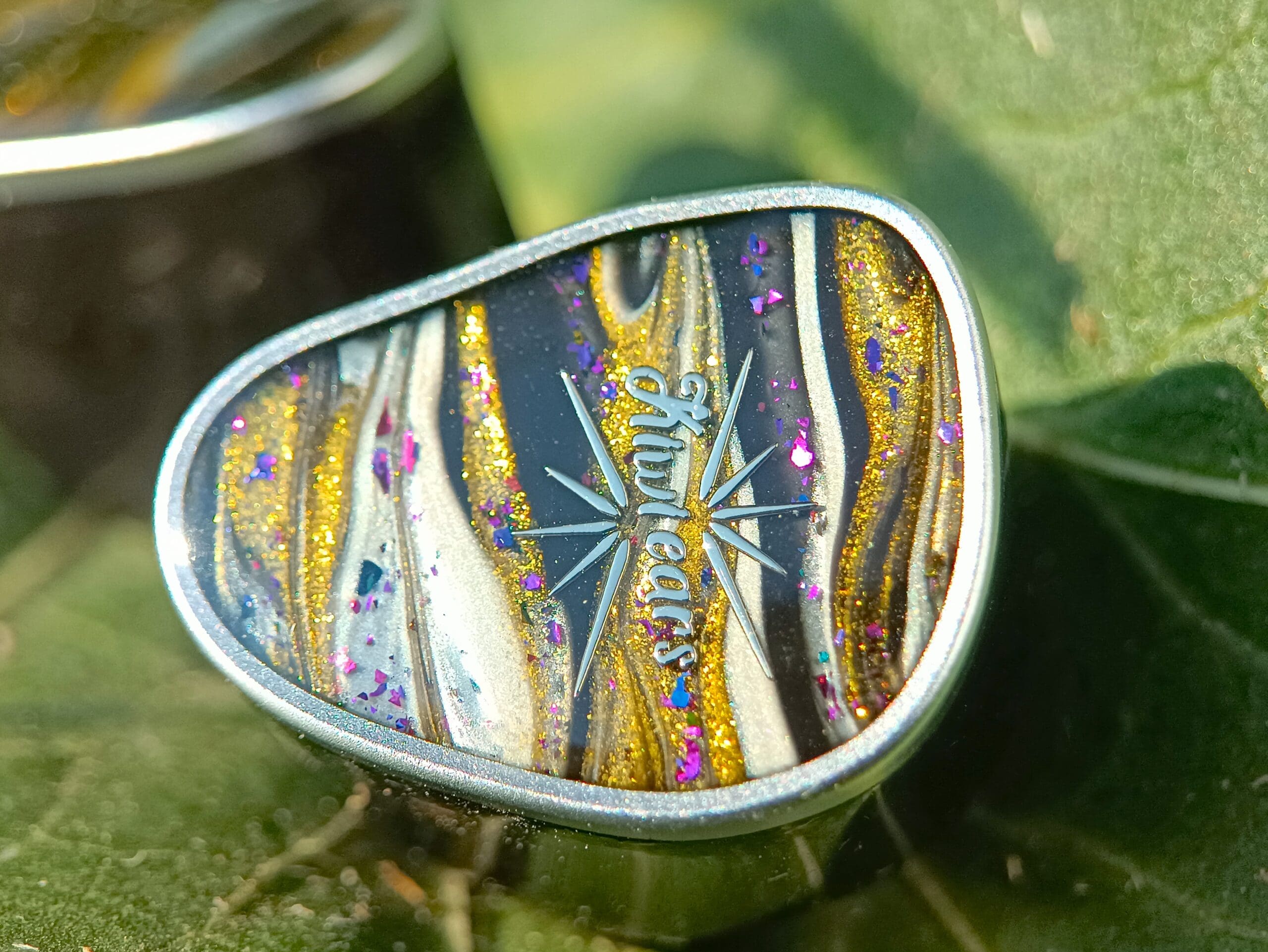
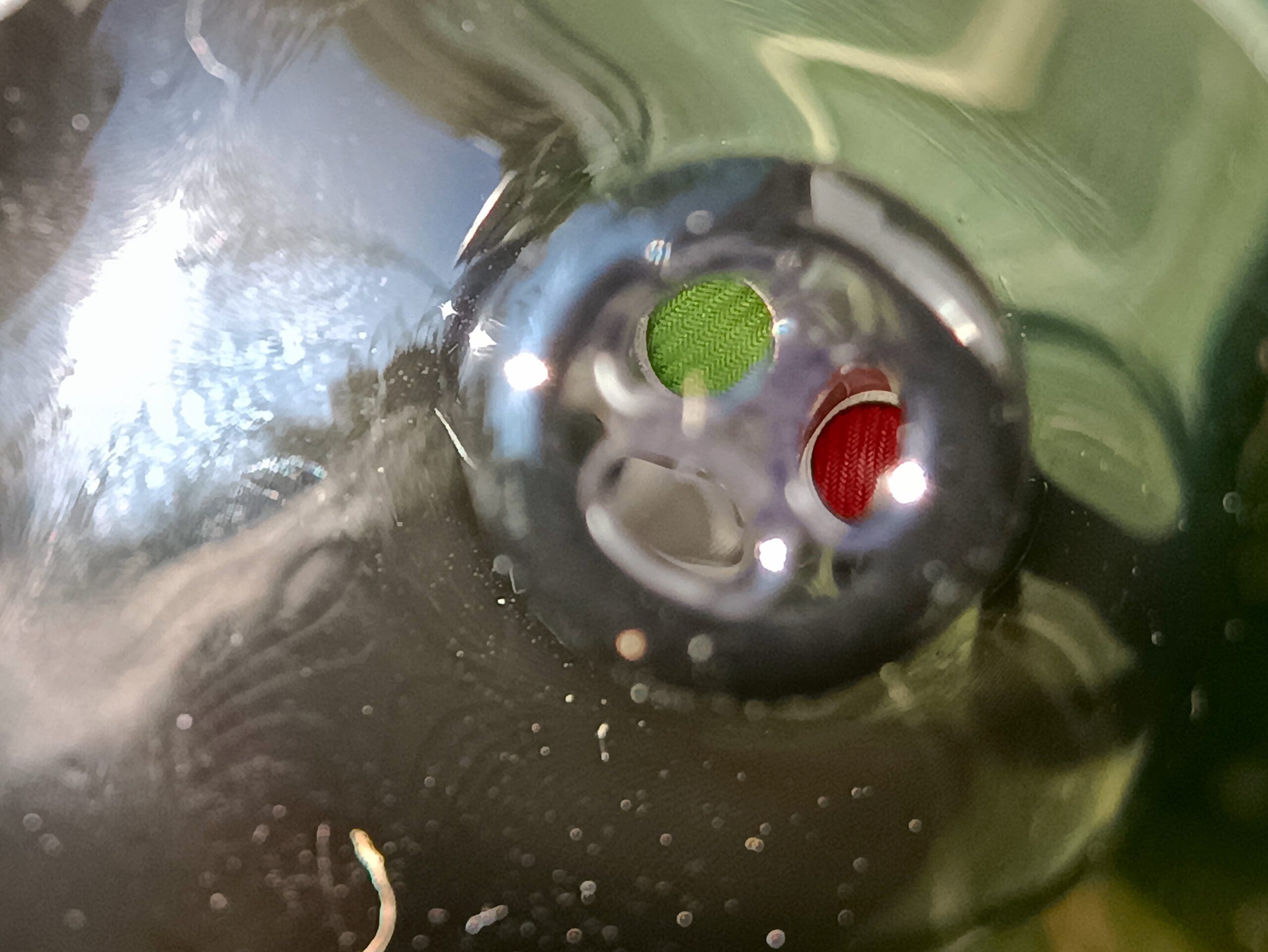
As noted by others, it is an IEM better suited to music than other purposes because the vibrating driver comes into play even during phone calls or unsolicited situations. Keeping this in mind, music reproduction is perfect. The performance is energetic with an excellent presence of tactile bass. The vibrating driver does not create unnatural artifacts like I had heard in the CVJs, but performs smoothly and harmoniously, adding sub-bass and reverb/resonance. It might be a strange effect, but these are not headphones for analytical listening, but for fun. Although the main ingredient is fun, the drivers are of very good quality and deliver a bright, detailed, and discreetly technical sound.
Equipment used for testing:
Device:
- MacOS
- Poco M4 Pro
Software:
- Amazon Music UHD 24-bit 96kHz
DAC:
Fosi Audio K7
Comfort & Fit:
You should definitely keep in mind that they’re not exactly small. Their thickness and even their somewhat large size probably make them unsuitable for all ears.
As for the nozzle, it has a fairly normal size, the IEM has fairly light and comfortable shells in terms of shape.
Tips & Cable Rolling?
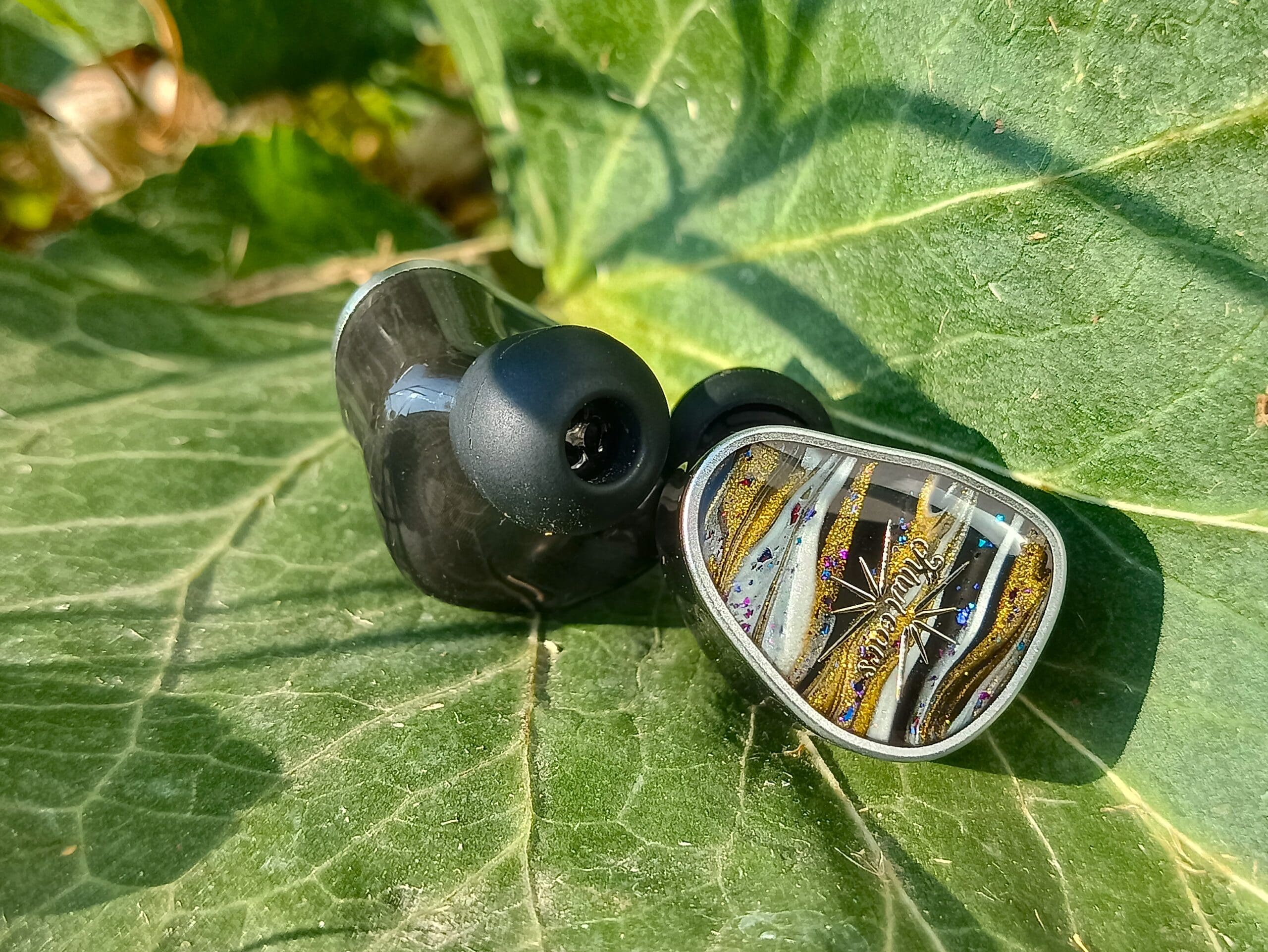
The included EarTips don’t do them justice at all, and I recommend doing all the necessary tests with your own EarTips. I settled on the Divinus Velvet, as usual. The stock cable, in my opinion, could use some improvement…I think I’ve said this several times already. Even though it wasn’t necessary, I used a balanced cable.
Final sound impression:
After more than a week of use, I can say they’re well-made hybrids. I think it’s easier to love them than hate them, but it all depends on what you expect. If your goal is an analytical and serious IEM for mostly critical listening, then perhaps you should look elsewhere. But if you’re looking for something fun and carefree, you’re in the right place. The vibrating driver has been perfectly implemented with the Kiwi Ears sound, and the result is pure enjoyment. They may not be perfect, but they’ll definitely make you smile all the time. One thing is certain: Kiwi Ears is putting a lot of effort and dedication into their products, establishing themselves as a brand you can trust.
Bass
The bass is handled by the dynamic DD with a beryllium dome and the vibrating KVT driver. The combination of the two delivers a satisfying, at times amusing, result. The dynamic driver provides detail and depth, while the KVT driver implements what a normal driver cannot offer: the tangible part. The effect it creates is a sort of perception of a thumpy bass, as you get when listening in front of large speakers, obviously limited to the ears and not to the entire body. Overall, it’s a particular result, one of a kind, that you may or may not like. Keep in mind that the KVT driver comes into play with any form of audio, including during phone calls, where it is not required.
Mids
Kiwi Ears’ mids are consistently extremely pleasant, well-tuned, energetic, and vivid. These mids draw you in, track after track, for increasingly carefree and enjoyable listening. The balanced armatures have a tonality I’d call natural and maintain remarkable clarity and separation. Both male and female vocals sound very natural to my taste, as do musical instruments. There’s only a faint reverb from the KVT audible on some tracks.
Treble
The treble, despite the balanced armatures, fortunately, remained at a human level and therefore was not fatiguing during long listening sessions. Details and air were well presented.
Soundstage and Imaging:
The soundstage has a distinct feel, in that the KVT offers a slightly different soundstage feel, sometimes deeper, sometimes more intimate. Imaging and separation are excellent, but still in line with the price.
Comparison:
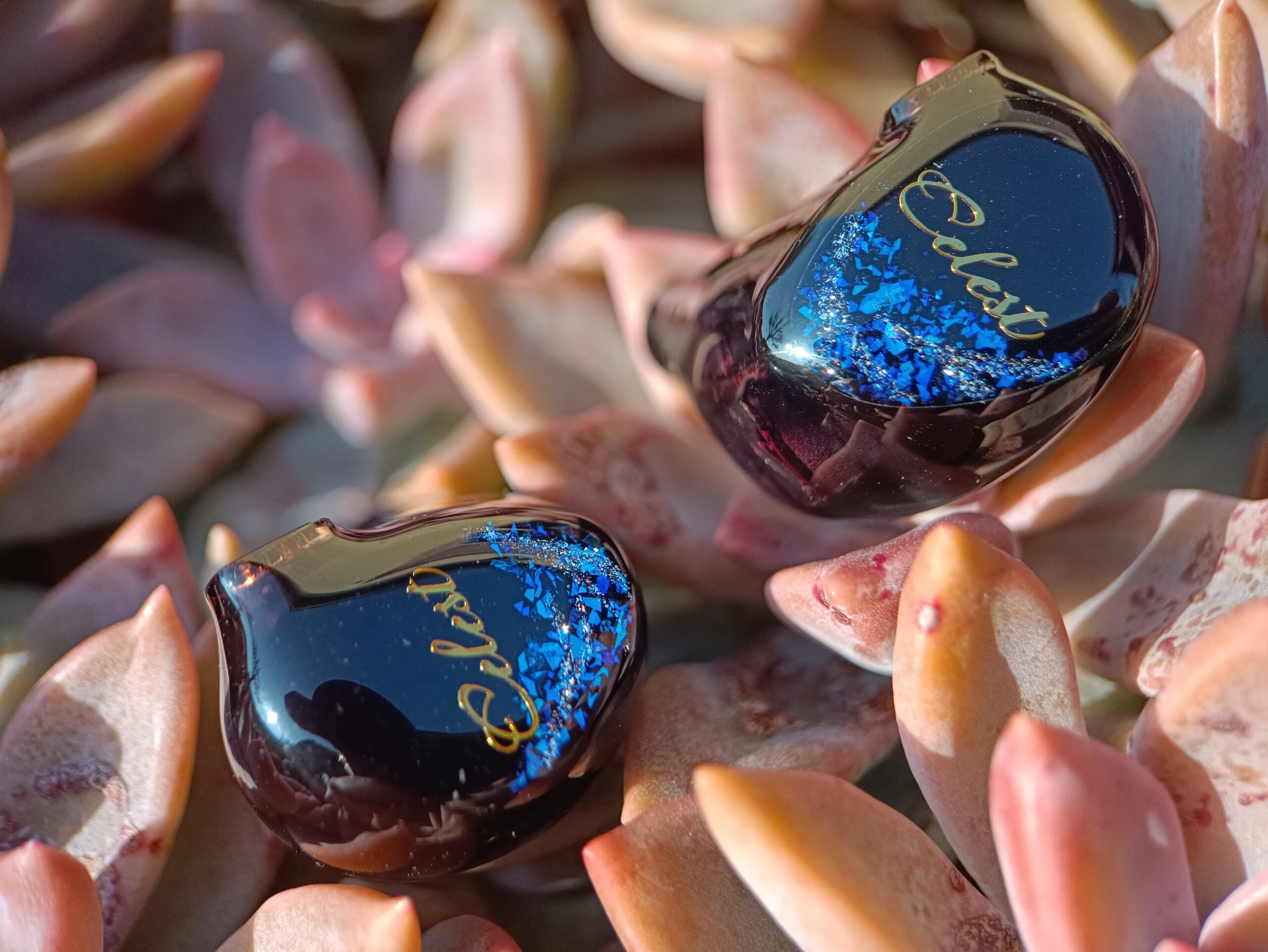
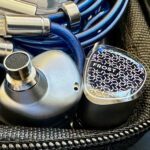
The Celest Plutus Beast remains a very special IEM that I’ve really liked. Obviously, like everything these days, their performance has been surpassed day after day. The technologies used are different, but the desired result was the same. Both have that particular resonance when you touch or bump the shells. Aesthetically, however, the Celests are truly beautiful like the Phoenixcall.
In a way, you could think of it as an improved version of the Celest Plutus Beasts.
There are many comparisons to be made, but I don’t have many to make with the KVT. There are so many hybrids that could be better or worse; it all depends on the listener and what they’re looking for. These definitely have that special something that others don’t have, and without being too serious, they’re fun.
Conclusion:
The Kiwi Ears Étude is undoubtedly something special and in a league of its own. Kiwi Ears is proving its ability to mix different driver combinations and consistently achieve interesting and high-performance tuning. In my opinion, it’s a truly interesting IEM and certainly an excellent implementation of that vibrant KVT driver. I remember trying the CVJ Konokas years ago, but they were a filthy piece of junk. But it must be acknowledged that it was one of the very first attempts. What could the Kiwi Ears Etude have included? A switch to bypass the KVT during phone calls. They would have been more versatile for all uses.
8/10
Pros:
- Good build quality
- Funny & Unique sound
- Nice Bass & Sub-bass tactile presence
- The KVT driver is well implemented
- Esotic hybrid at a low price
- Well-balanced, crispy mids
- Nice soundstage
Cons:
- Accessories can be better
- Needs some power to shine
- Sometimes it’s slightly muddy
- Good only for music
- No switch to turn off the KVT
More information (no affiliations):



No Comment! Be the first one.