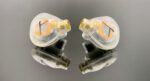




















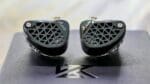















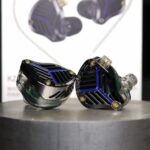



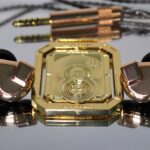

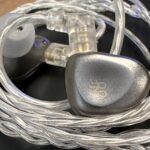


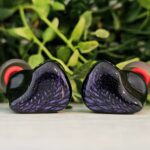
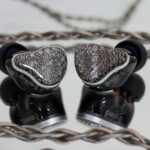
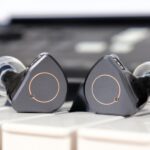






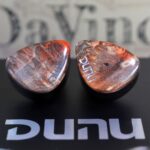



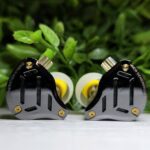
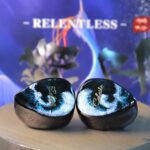

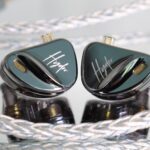


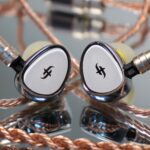





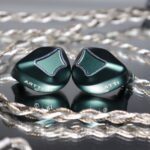

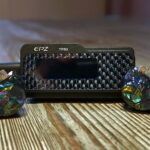
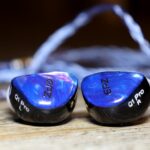



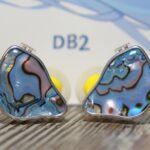



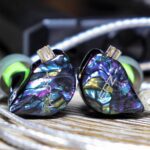
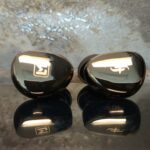
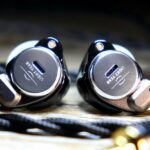
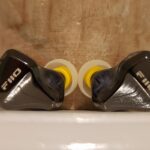

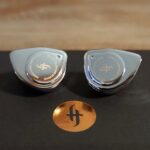



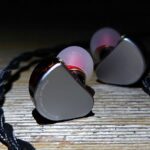





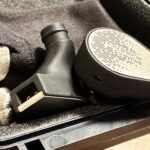




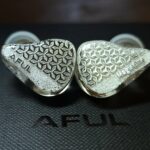



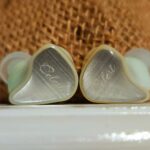




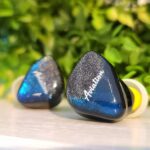
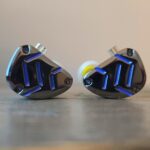

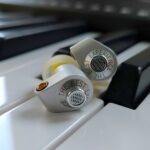




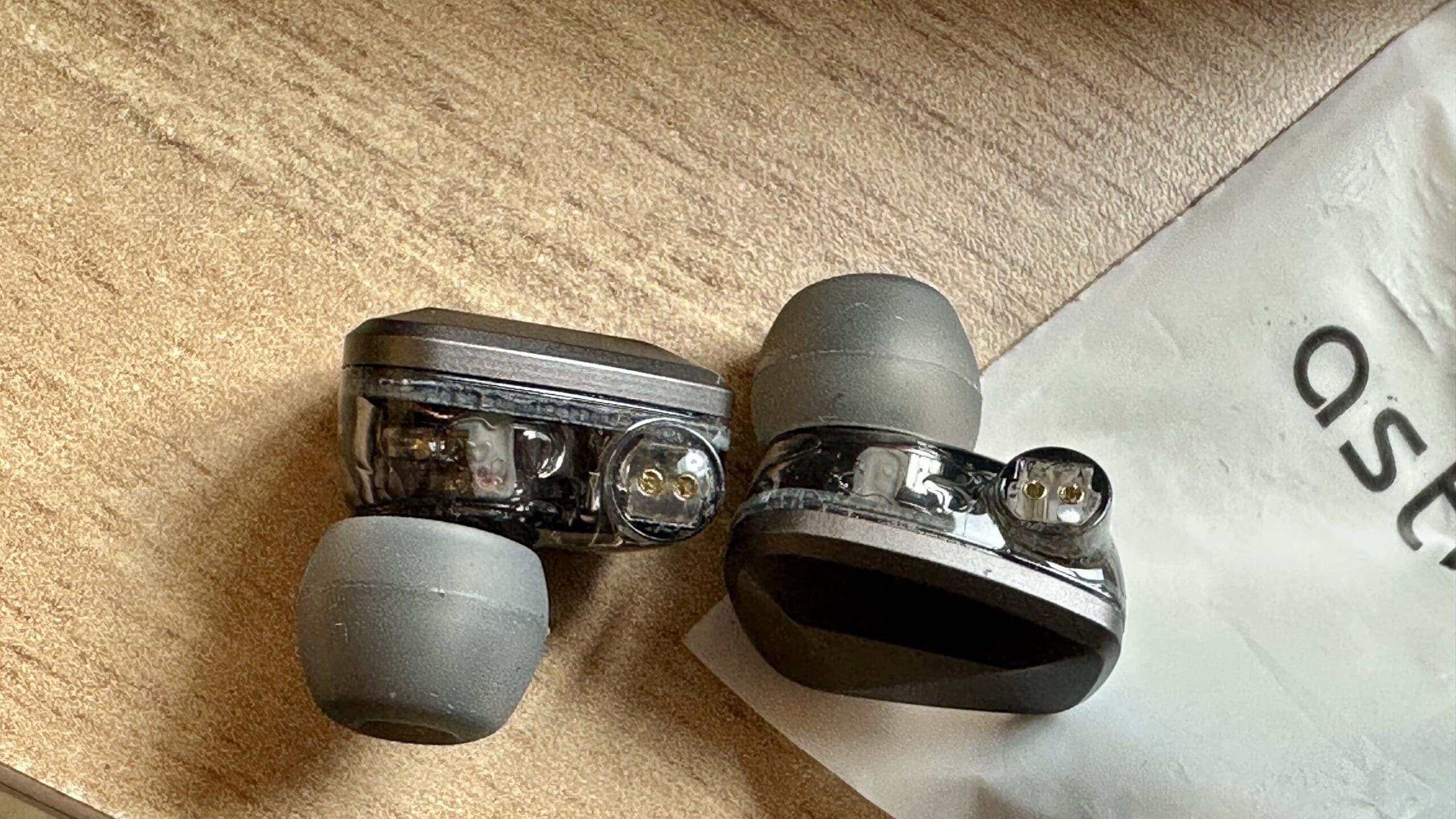
The GX100 isn’t the kind of earphone that wins you over instantly. Instead, it unfolds with time — first catching your ear with airy sparkle, then surprising you with how well it handles layered recordings. It’s an experiment in piezo layering at a budget price, and that in itself is fun to witness.


Sound Technical Details
The presentation is forward, with an upper-frequency focus that feels lively but sometimes unforgiving. Imaging is tight, though instruments often play “too close” to the listener. Dynamics are steady, and the piezo layer clearly adds treble extension and air. That same extension, if paired with poor tips or harsh recordings, can tilt things into brightness. Volume control and eartip choice matter more than usual here.
Bass
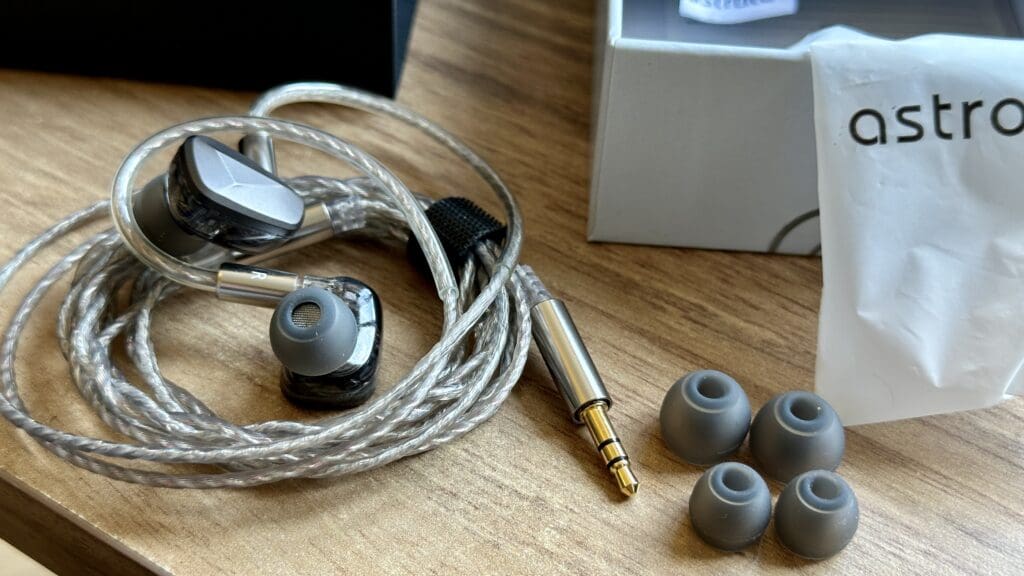
Bass sits on the lean side, especially with wide-bore tips. There’s presence in the midbass, enough to give body to kick drums and electric bass lines, but sub-bass rolls off early. On first listen, it feels underwhelming. Switching tips or revisiting tracks later, though, reveals more body than expected — just not the kind that slams hard.
For listeners who prefer tight, restrained bass, this works. But anyone after thump and rumble will find themselves missing weight. In rock’n’roll passages, the rhythm section drives the groove but never steals the spotlight.
Midrange
The midrange is where clarity shines. Vocals are upfront and articulate, almost too close at times, creating an intimate stage. Brass instruments and strings cut through with emotion, adding drama. There’s a hint of nasality in the vocal line before choruses, noticeable but not deal-breaking.
Layering is surprisingly good: chaotic mixes don’t collapse, and even when multiple instruments compete, separation holds. It’s not a wide-open panorama, but within its tight staging, details come alive.
Fun Fact: Piezo drivers first found fame in cheap devices like buzzers and greeting cards — now they’re tuned for audiophile treble sparkle.
Treble
Treble is where the piezo layer makes its mark. Cymbals have sharp attack, transients sparkle, and micro-details (like background murmurs or room echoes) appear easily. The upper extension adds that “air” audiophiles love, though the risk of metallic edge lurks if the recording is harsh.
Long sessions at high volume might feel fatiguing, but keep it moderate and the highs feel alive, spacious, and engaging. This piezo integration is better than many past attempts — less gimmicky, more purposeful.
Suprise: With the Tuatha De Danann’s track, it outperformed itself and displayed a Celtic metal performance just fit for the piezos.
Early piezo IEMs were infamous for being harsh; only in the last few years have brands learned to smooth them out for real musicality.
Trivia
Pros & Cons
Pros
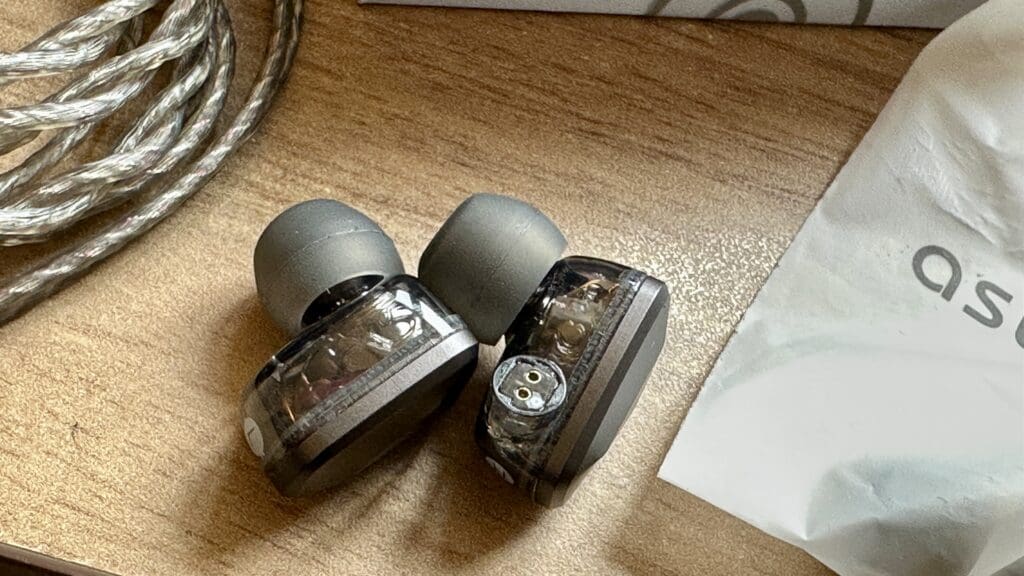
- Airy, extended treble with piezo sparkle
- Clear and forward mids, vocals shine
- Handles complex mixes with good separation
- Surprising technicality for budget class
- Engaging spatial effects and micro-detail retrieval
Cons
- Lean bass, lacks slam and rumble
- Stage intimacy may feel crowded
- Slight vocal nasality at times
- Tip-dependent performance
- Bright recordings can get fatiguing
Conclusion
The GX100 is not a “basshead” set, nor is it a warm blanket. It’s an earphone for those curious about piezo sparkle and detail on a budget. Give it good recordings and it rewards you with airy treble, dramatic mids, and an overall lively ride. Poor recordings, on the other hand, will be exposed. It’s an IEM that grows with patience — and that makes it a fun discovery in the entry-level world





No Comment! Be the first one.