















































































































FiiO has never been one brand with one direction. At any given moment they’re shipping desktop R2R gear alongside Bluetooth dongles, planar headphones alongside tribrid IEMs — which sounds scattered until you realize each product is answering a different question from the same listener base. The JT7, K13 R2R, FT1 Pro, and BTR11 aren’t a coherent “system” in the marketing sense. They’re four honest attempts to solve four distinct problems, and that’s what makes them worth covering together.
Table Of Content
FiiO JT7 — A Portable Planar That Actually Travels
A 95x86mm planar driver at $109 is not something the market normalizes easily Mobileaudiophile — and FiiO knows it. The JT7’s entire pitch is that planar technology doesn’t have to mean a heavy, desk-bound headphone with a dedicated amplifier on the table beside it. At 318g it sits well below the typical planar weight range, the cups fold flat, and it ships with both a 3.5mm single-ended and a 4.4mm balanced cable in the box. The portability angle is genuine rather than cosmetic.
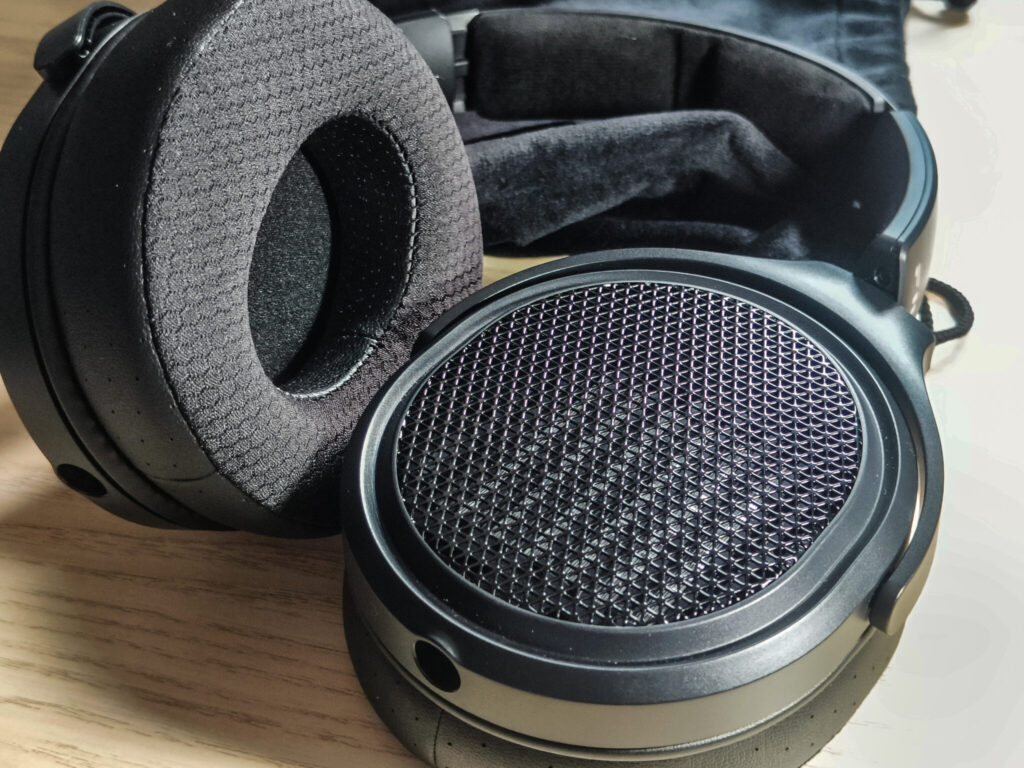
The driver itself carries FiiO’s F.E.S. (Elastic System) technology, a proprietary design where multi-dimensional textures are incorporated on the diaphragm surface, mimicking the surround ring on a dynamic driver the goal being more diaphragm movement without the distortion that typically follows. The tuning leans warm and natural rather than hyper-analytical, with resolution that presents detail in an unforced way rather than pushing micro-information to the forefront. That’s a deliberate choice, and it fits the portable use case better than a brightness-forward signature would. The 18Ω impedance does make it somewhat sensitive to source noise, so pairing matters — but at this price, that’s a manageable trade-off. FiiO JT7 Review here.
FiiO K13 R2R — Desktop R2R Without the Boutique Tax
R2R DACs carry a reputation that their prices have always helped sustain. The K13 R2R is FiiO’s argument that discrete resistor ladder conversion doesn’t require a four-figure investment or a waiting list. The unit combines a multibit R2R DAC stage with a solid-state amplifier section capable of driving most planars and dynamics — it’s a genuine all-in-one desktop solution, not a DAC requiring a separate amp downstream.
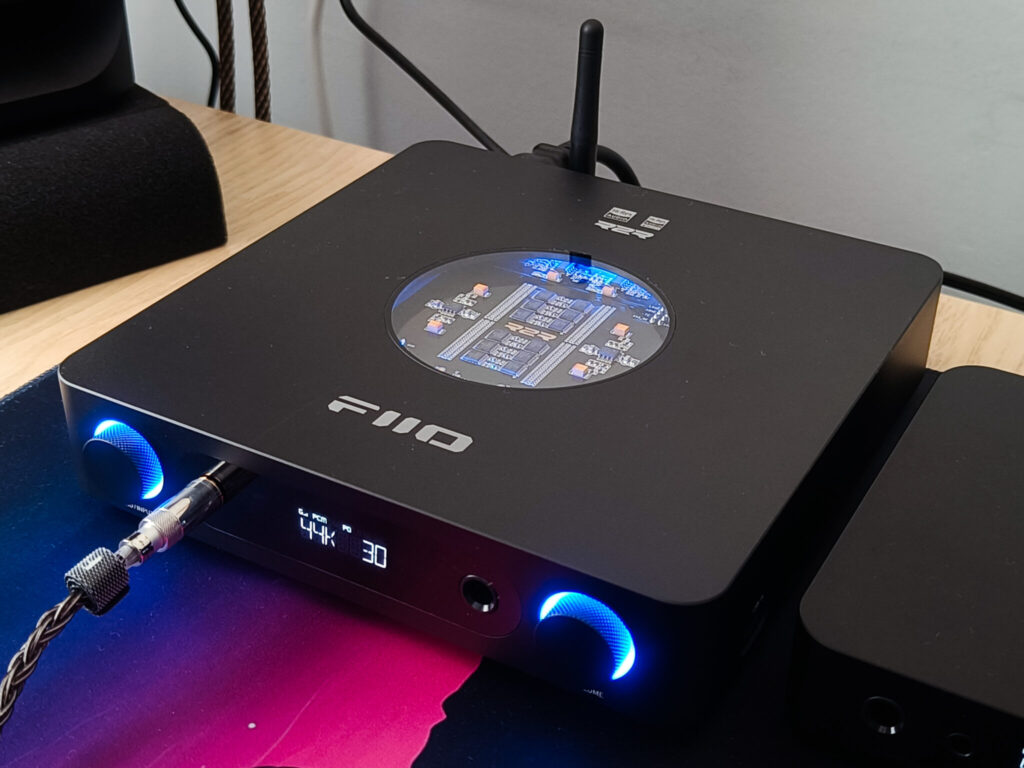
The sonic character R2R listeners look for — a certain body in the lower midrange, a less “etched” quality to transients compared to delta-sigma implementations — is present here, though FiiO has been careful not to lean into vintage warmth at the expense of resolution. The result is a desktop piece that can serve both headphone listeners who find modern DAC sound fatiguing and those who simply want a competent desktop hub. At its price, it competes directly with Topping and SMSL delta-sigma offerings while delivering a meaningfully different presentation. [Full K13 R2R Review — here
FiiO FT1 Pro — Open-Back Without the Open-Back Anxiety
Open-back headphones are a hard sell to anyone who hasn’t committed to a dedicated listening environment. The FT1 Pro makes that case more accessible than FiiO’s previous headphone attempts by pairing a large-aperture dynamic driver with a build quality and pad comfort profile that addresses the “I can’t wear these for three hours” complaint leveled at competitors in this range.

The tuning is reasonably close to a Harman-derived target without being slavishly corrected — there’s a slight warmth to the low end that keeps the presentation from feeling clinical, and the treble has been smoothed at the 8–10kHz region where fatigue typically originates. Soundstage is wide without the diffuse, unlocalized quality that open-backs can develop when the driver isn’t well-controlled. It won’t replace higher-end references in your chain, but as a first serious open-back — or a comfortable everyday headphone — it earns its position. [Full FT1 Pro Review — Here
FiiO BTR11 — The Dongle That Remembers It’s Also a DAC
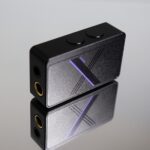
Most Bluetooth DAC/amps are either excellent Bluetooth receivers with mediocre analog stages, or solid DAC/amps with unreliable wireless implementations. The BTR11 is FiiO’s most mature attempt at getting both right simultaneously. It carries a CS43198 DAC chip, supports LDAC and aptX Adaptive, and outputs up to 240mW at 32Ω from its balanced 4.4mm port — numbers that matter because they mean the BTR11 can drive harder loads than competing wireless dongles without falling apart.
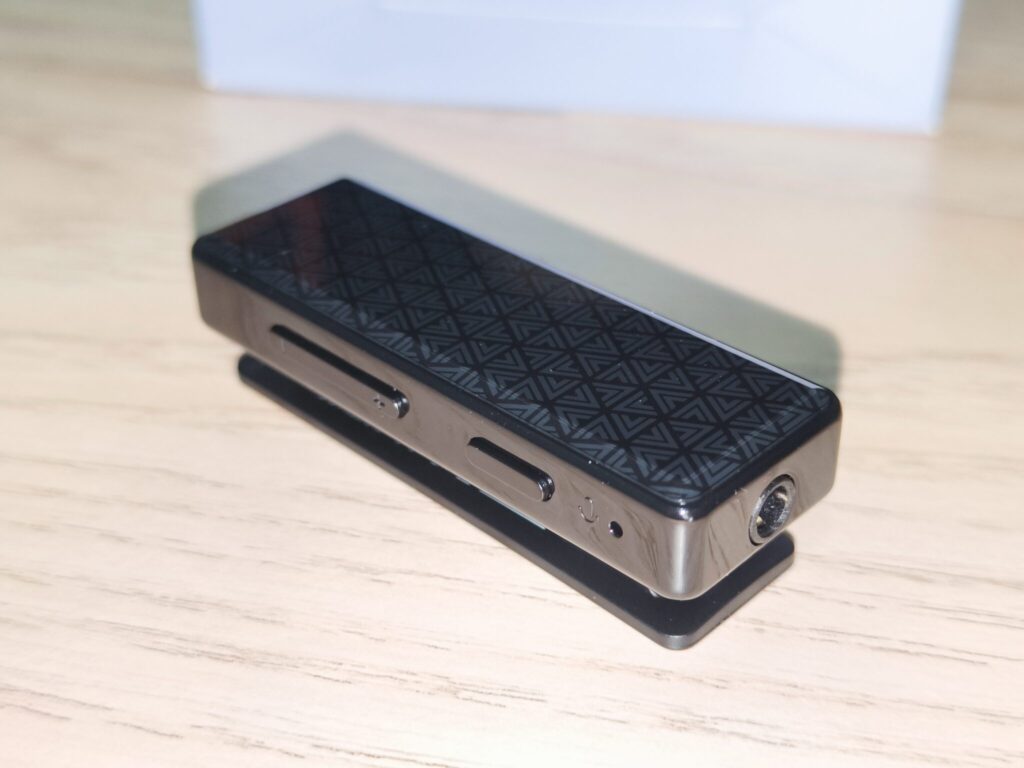
The practical differentiator is in how it handles source switching. Moving between a laptop, phone, and tablet without manually re-pairing has historically been a pain point in this category; FiiO has addressed this in the BTR11’s firmware with a more reliable multipoint implementation. It’s also one of the few devices in this form factor that handles high-sensitivity IEMs without audible hiss — the noise floor is clean enough that sensitive BAs don’t expose the background. For listeners who want the DAC/amp quality improvement without being tethered to a cable, it’s the most complete answer FiiO has given so far. [Full BTR11 Review — Here
Two more products round out FiiO’s 2025 portable lineup, and they sit at opposite ends of the use case spectrum. The JM21 is a dedicated Android DAP built for listeners who want a proper source device in their pocket. The EH11 is a Bluetooth on-ear headphone that looks like it came out of 1983 and sounds considerably better than that implies. Neither one is trying to compete with the flagship tier, and neither one needs to. What they share with the rest of this lineup is the same practical logic: real hardware, real output quality, real-world pricing.
FiiO JM21 (4+64 Version)
The JM21 is FiiO’s answer to a question a lot of people were quietly asking: can you get a real Android DAP, with balanced output and enough power for planar headphones, under $200? The answer turned out to be yes. The 464 version builds on the original with 4GB of RAM and 64GB of onboard storage, and more meaningfully, pushes battery life to 16 hours from the single-ended output. That’s a number that holds up in practice, not just on a spec sheet.
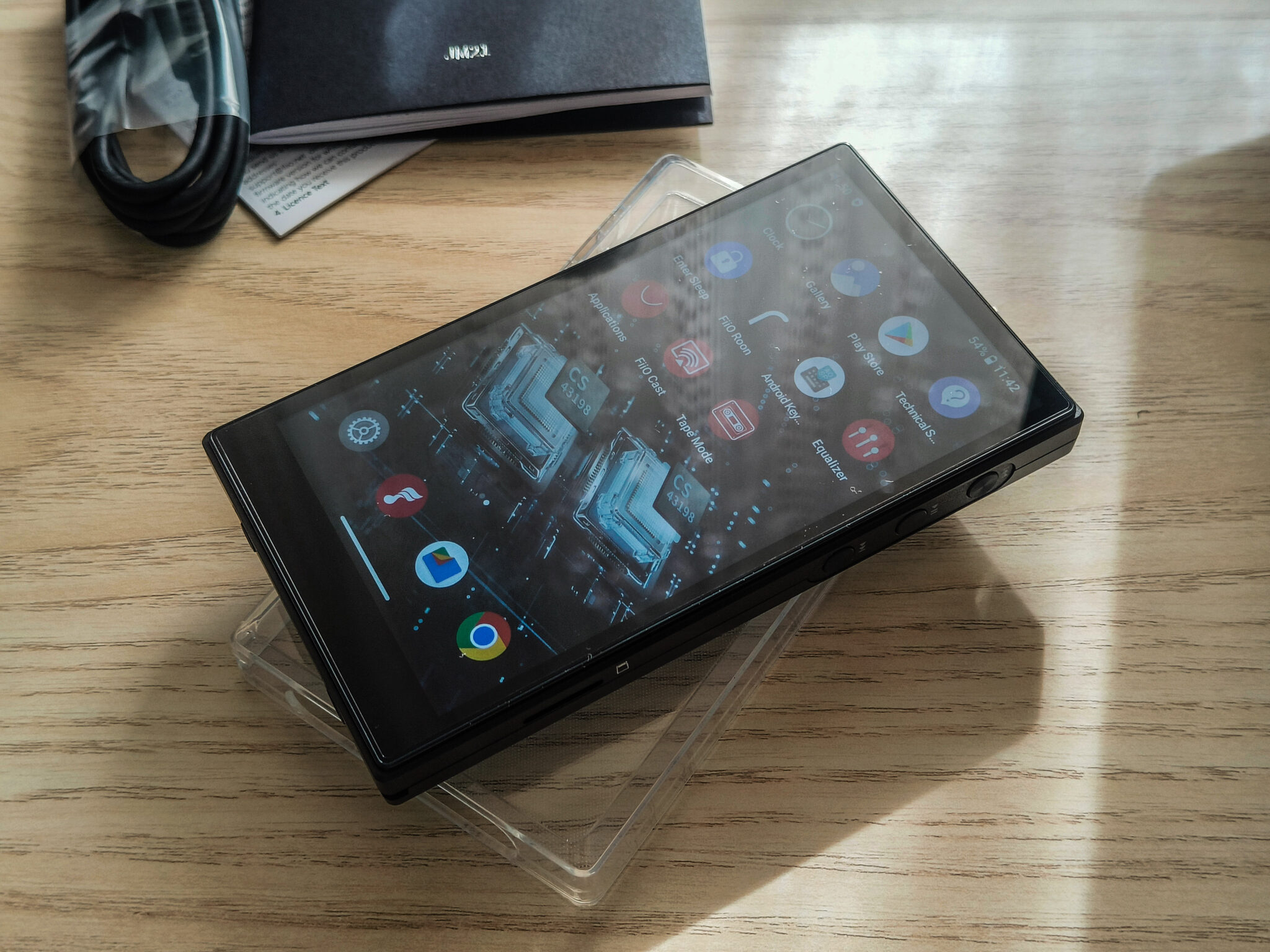
Inside, the dual CS43198 DAC setup paired with FiiO’s DAPS signal processing keeps the sound clean without going clinical. It’s not the most resolving DAP at any price, but it’s genuinely listenable and easy to live with. The Snapdragon 680 keeps Android 13 responsive for a music device, and the 4.4mm balanced output at 700mW means you’re not left guessing whether it can drive your headphones. Full review here.
FiiO EH11
The EH11 is one of those rare products where the design actually earns its attention rather than just asking for it. Retro mini on-ear form factor, wooden earcups, physical rotary knobs for volume and track navigation, all at $29.99. That last number is the one that makes the rest of it interesting.
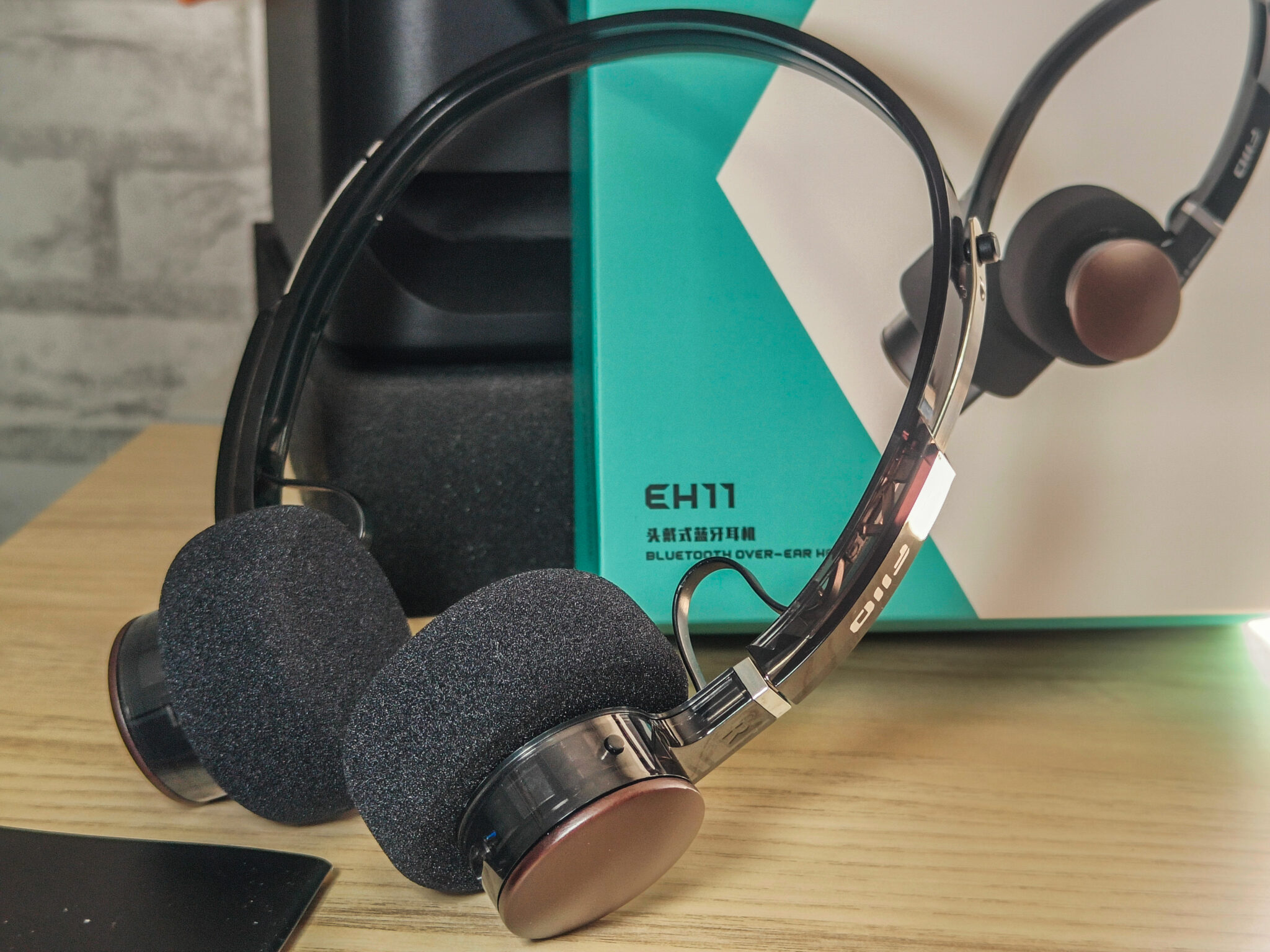
Technically it runs a 40mm long-throw dynamic driver in a semi-open housing, with Bluetooth 6.0 and LDAC support. The semi-open design is doing real work here: the soundstage feels wider than typical on-ears, and the tuning leans warm without getting muddy. Bass reaches lower than you’d expect from a headphone this light (92g), and the 30-hour battery means you’re not charging it every other day. It pairs naturally with the JM21 for a portable wireless setup that costs under $250 combined. Full review here.
The Through-Line
What connects these four products isn’t a single house sound or a shared feature set — it’s FiiO’s ongoing argument that serious audio gear shouldn’t require either a serious wallet or a serious commitment to audiophile culture. The K13 R2R democratizes a DAC topology. The JT7 makes tribrid IEMs a realistic consideration under $300. The FT1 Pro removes the environmental barrier to open-back listening. The BTR11 closes the gap between Bluetooth convenience and wired fidelity.
None of these products are perfect. But each of them moves the conversation forward on its specific problem — and that’s a more useful lens than asking whether they’d pass muster in a boutique listening session.





No Comment! Be the first one.