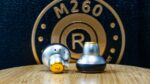































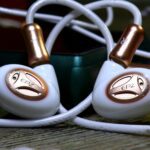

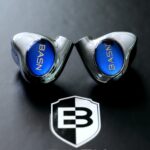

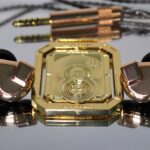

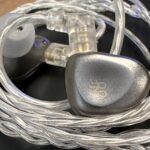

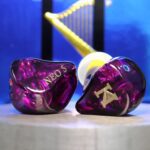
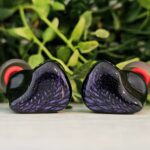
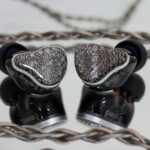
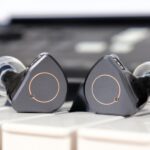


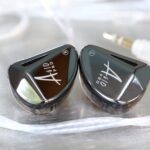
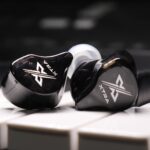

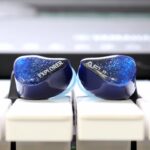


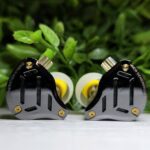
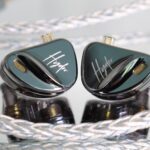
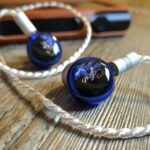
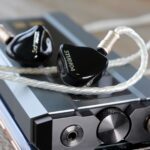
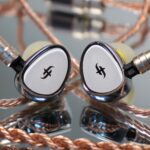
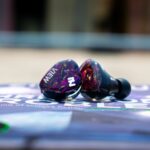

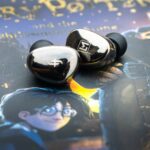

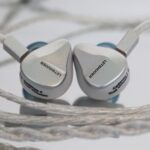
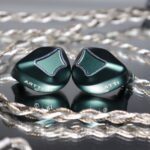
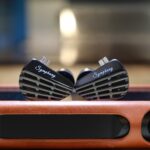
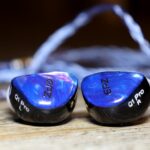
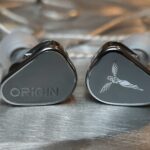


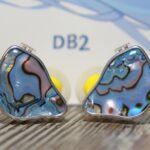
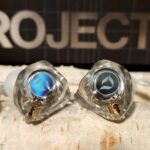
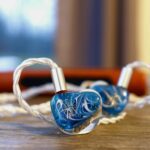

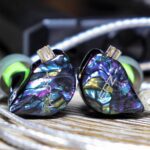
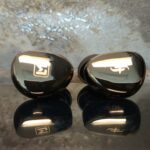
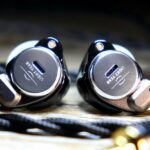
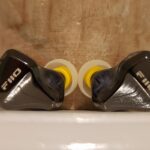











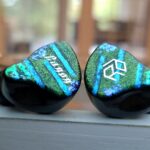
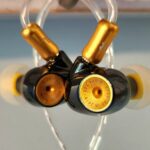



There’s a particular kind of pressure that comes with a first product launch, and most brands handle it badly. They overdesign, overpromise, throw in six drivers because three feels insufficient, and end up with something that screams “look how serious we are” instead of just being good. MAKINAaudio skipped that phase entirely. The T-100B is better for it.
Table Of Content

This is a Korean audio brand, and that detail matters more than it might seem.
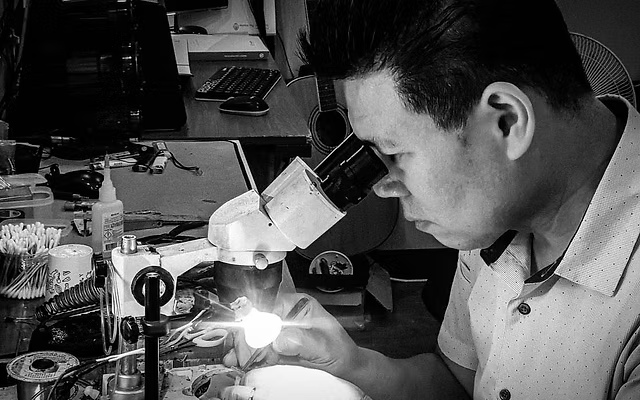
South Korea has a quietly serious custom IEM scene, one that doesn’t get nearly the attention of the Chi-Fi wave out of China, partly because the major players there have historically kept things domestic. Hidition is probably the name most Western enthusiasts would recognize, if they recognize any at all. Founded in Korea in 2003 as the country’s first custom-fit in-ear manufacturer, Hidition built its reputation on the NT6, a balanced armature flagship from 2011 that’s still talked about with something close to reverence in certain corners of Head-Fi. Its founder, Sung Byeoung-Ha, comes out of the hearing aid industry rather than the consumer audio world, which explains a lot about Hidition’s approach. He had been designing customs as a hobby alongside his main business servicing hearing aids, and remains a Starkey hearing aids representative to this day. That background tends to produce people who care more about fit and long-term comfort than chasing driver counts for marketing copy.
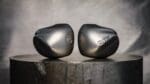
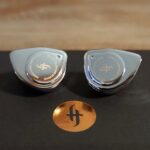
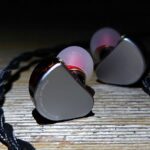
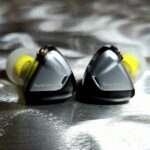
So when MAKINAaudio says the T-100B’s acoustic tuning was developed together with Sung, that’s not a name being dropped for credibility theater. It’s a signal about philosophy. Hidition’s catalog has always leaned toward coherence over spectacle, and the gaming-focused Hidition T-1 showed the same brand was willing to step outside the traditional custom-IEM box when the use case called for it. The T-100B goes in a different direction: an everyday-carry universal, single balanced armature driver, transparent shell.
Technical Aspects
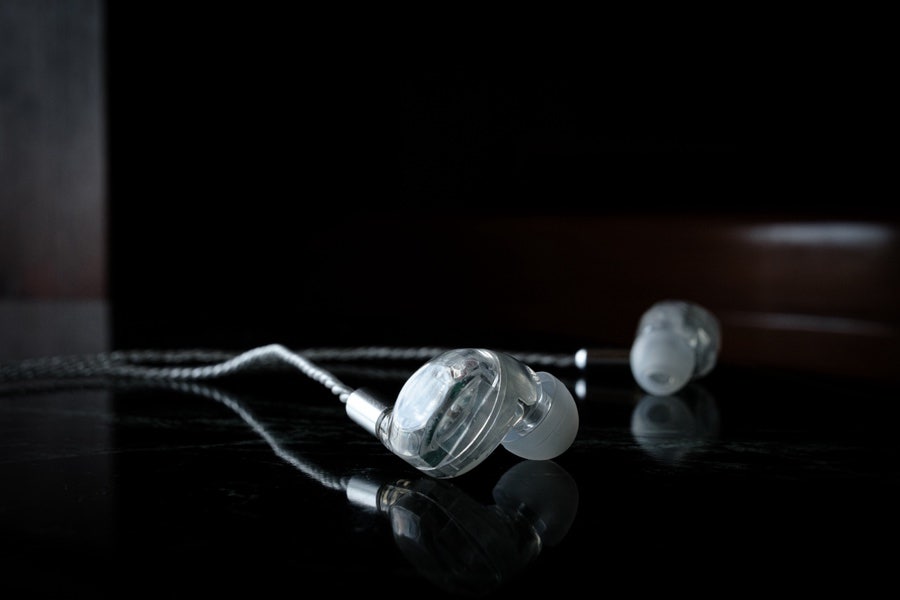
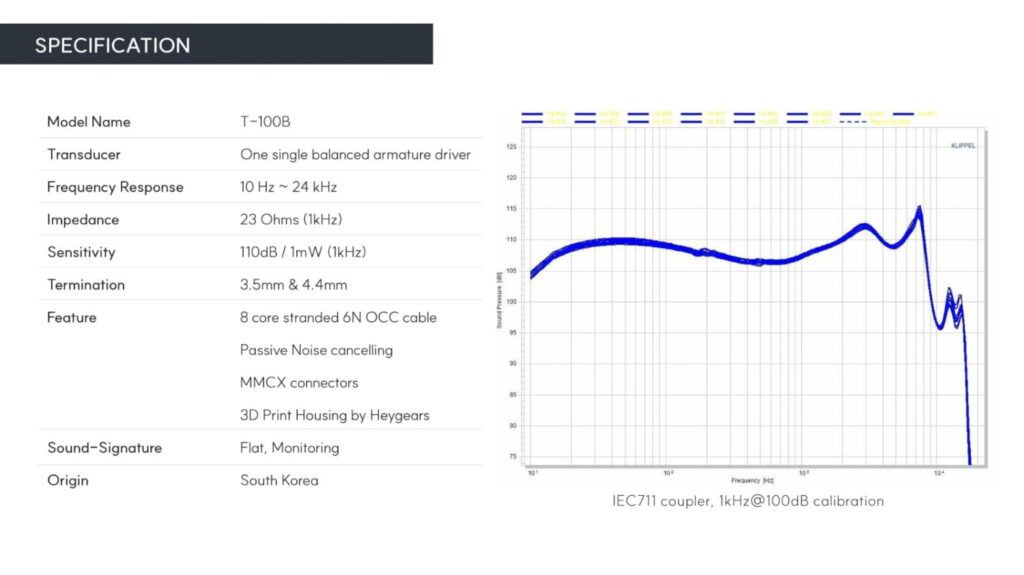
Single BA designs get a bad reputation sometimes, mostly because cheap single-driver earphones from a decade ago were genuinely mediocre. The technology has matured since then. A well-implemented single BA gives you speed, midrange clarity, and a tonal consistency that multi-driver crossovers sometimes struggle with, since every crossover point is a potential seam where the sound can feel slightly disjointed. MAKINAaudio’s framing, that they prioritized coherence and long-term listening comfort over driver count, tracks directly with what Hidition has valued in its own lineup for years.
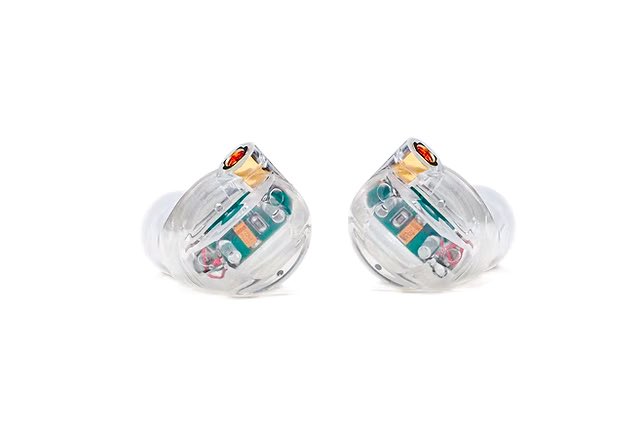
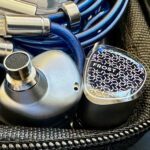
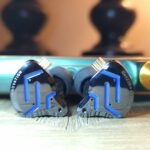
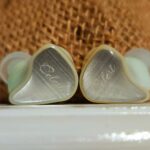
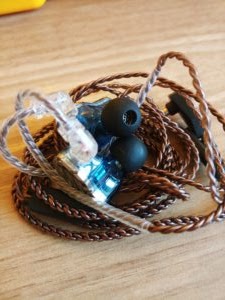
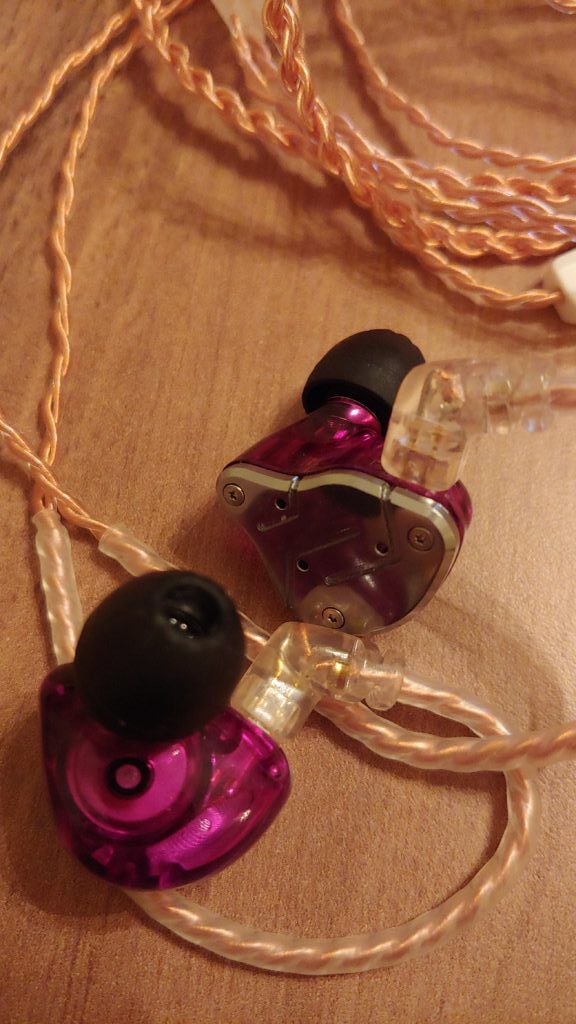
The transparent shell says something too. There’s a whole design language in portable audio right now built around showing the internals rather than hiding them under an opaque faceplate. THIEAUDIO has leaned into this with its Hype-series IEMs, using clear resin specifically to put the engineering on display. MAKINAaudio is working in the same visual tradition, but the reasoning lands differently.
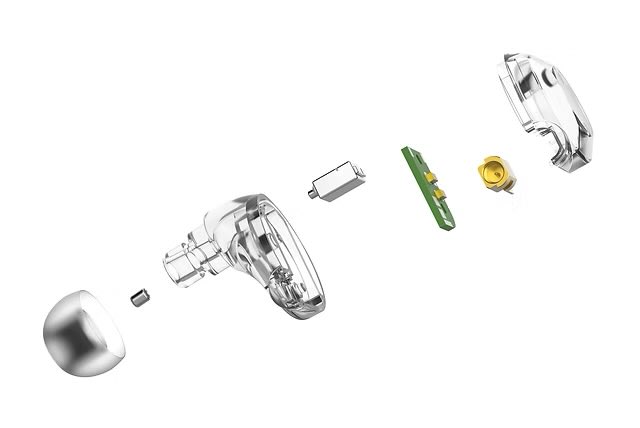
It’s not “look how complex this is,” because a single driver isn’t visually dramatic in the way an eight-BA crossover is. It’s closer to: this is what’s actually in here, nothing hidden, nothing decorative covering it up. For a single-driver product, that reads almost as a statement of confidence. There’s nowhere to hide a weak design behind a busy faceplate.
Ergonomics
The Everyday Carry framing is probably the part that will matter most for how this product gets received. A huge percentage of IEM releases position themselves as either budget all-rounders or specialist tools, built explicitly for studio reference, gaming, bass-heads, whatever niche the marketing team landed on that week. The T-100B is meant to be something you actually carry in your pocket and use with whatever’s on hand that day, a phone dongle, a portable DAC/amp, a gaming rig, a desktop chain. That’s harder to design for than it sounds. The tuning can’t lean too hard in any direction. It has to be forgiving across source quality, comfortable across long sessions, tonally balanced enough that it doesn’t fatigue you on a five-hour workday but still has enough character to be enjoyable on a proper listening evening.

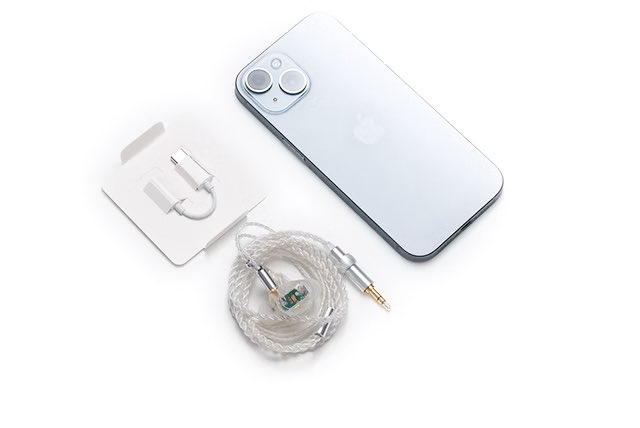
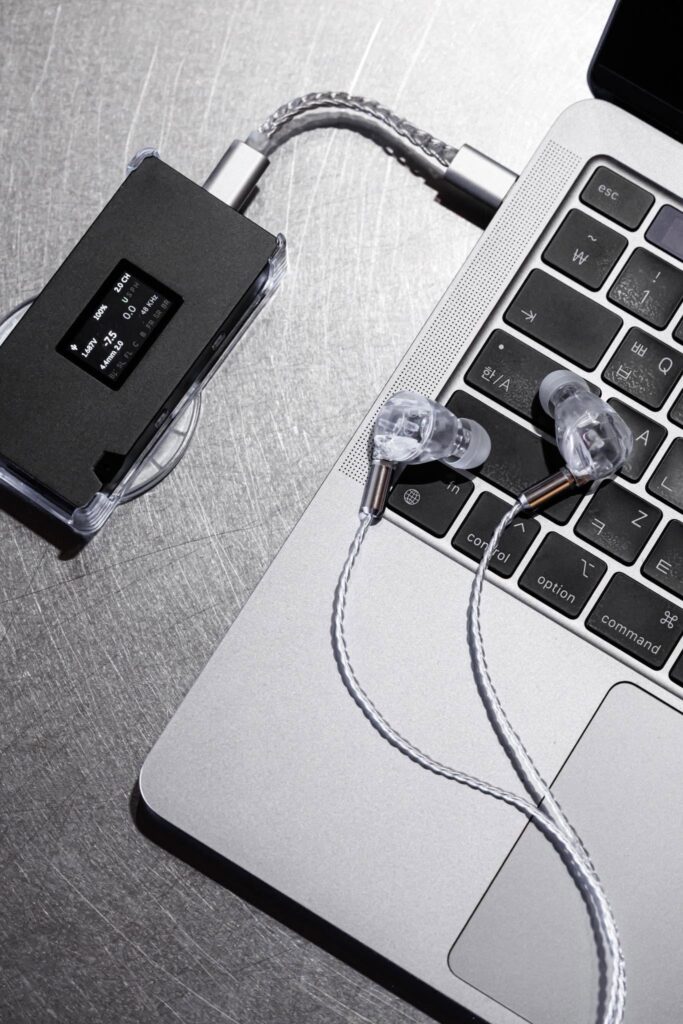
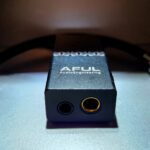
MAKINAaudio’s note that during development they frequently used the Apple USB-C to 3.5mm adapter as a reference source backs this up. That’s about as unglamorous a source device as exists in this hobby. Using it as a benchmark suggests the team was tuning for how people actually listen, not for a curated desktop setup that 90% of buyers will never replicate.
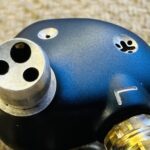
The fit guidance is more thoughtful than most companies bother with. The note that the shell was originally designed around an over-ear fit, but that many listeners get an excellent result wearing the cable straight down with eartips one size larger than usual, is the kind of detail that only comes from actually testing with real people. Eartip choice and cable orientation shift the perceived tonality of an IEM more than people realize, especially with a single-driver design where there’s less internal tuning headroom to compensate for seal variations.
There’s also a cultural lens worth applying here, and it’s not a stretch. Korean food culture is built around balance across an entire meal rather than any single dish dominating. A traditional bap-sang spread, rice, soup, banchan side dishes, works because nothing is meant to overwhelm. Kimchi eaten in isolation at full portion becomes harsh. As a side to rice at the right serving, it’s sharp and invigorating, because the dish is designed for its position in the larger system, not for standalone consumption. That’s not a bad way to think about what the T-100B is trying to do tonally. A single BA driver can’t specialize in any one frequency range the way a dedicated woofer can in a multi-driver design, so the entire tuning has to function as one cohesive meal rather than a collection of standout elements. Whether that translates to a jjigae-like richness, where every flavor arrives at once, or something closer to the quieter savory persistence Koreans call kusuhan-mat (구수한 맛, that deep pleasant savoriness that lingers without announcing itself) is exactly the kind of question only extended listening can answer. Umami in Korean cooking runs through a dish as connective tissue rather than its headline note. There’s a version of that idea that applies just as well to a single-driver IEM tuned for all-day wear: nothing shouts, but everything is there, holding the rest together.
kıtchen and cultural background
What MAKINAaudio is attempting here is a quieter kind of ambition than most new audio brands show. Modest driver count, transparent in both the literal and figurative sense, tuned in collaboration with someone whose background is hearing health rather than audiophile spec-chasing, positioned as a daily-use object rather than a flex piece. Whether the T-100B delivers on that promise comes down to actual listening, which is where the real test begins. The groundwork suggests a brand that thought carefully about what it wants to be before worrying about how loud it can shout about it.






No Comment! Be the first one.