






























































































































A Journey Through the Music That Brings the World Together
Table Of Content
- Introduction
- More Than a Biography
- Who Is Ry Cooder?
- Sitting Beside, Not Above
- The Journey Begins
- Following the Music
- Beyond the Records
- Understanding, Not Changing
- First Stop • American Roots
- How to Listen
- Second Stop • Back to the Birth of Jazz
- From Reflection to Celebration
- A Concert I’ll Never Forget
- How to Listen
- Third Stop • Across the Pacific
- How to Listen
- Fourth Stop • A Meeting with India
- An Album to Experience
- How to Listen
- Fifth Stop • When the Blues Comes Home to Africa
- More Than a Collaboration
- How to Listen
- Sixth Stop • Cuba Finds Its Voice Again
- Giving Cuba a Voice Again
- How to Listen
- Seventh Stop • When Cinema Learns to Listen
- How to Listen
- Conclusion • The Music That Connects Us
- The Journey Continues
Introduction
Some artists spend their entire lives perfecting their own style. Others chase success, technical brilliance, or fame. And then there are people like Ry Cooder, for whom music has always been something else entirely: a journey.
Much like the protagonist of Around the World in Eighty Days, Ry Cooder has spent a lifetime traveling across the globe. Not to win a wager or collect exotic destinations, but in search of something far more valuable: the sounds, traditions, and stories that might otherwise have remained confined within their own borders.
Of course, he was neither the first musician to embark on such a path nor, thankfully, the last. But it is important to remember the era in which he did it. From the late 1960s onward, exploring the world’s musical traditions meant experiencing them firsthand through real encounters, mutual respect, and genuine curiosity. There was no Internet, no streaming platforms, and no social media capable of placing every musical culture just a click away. The term world music had yet to become a recognized genre, and collaborations between artists from different continents were still exceptionally rare.
That is precisely what makes Ry Cooder’s journey so remarkable.
More Than a Biography
This is not intended to be a biography, nor a chronological guide through his discography. That would barely scratch the surface. His albums are simply the visible footprints of a much larger adventure, one built on listening, discovery, and an insatiable curiosity that carried him from the roots of American music to the rhythms of Cuba, from the songs of West Africa to the melodies of India, passing through early jazz, Hawaiian traditions, and countless other musical worlds along the way.
Rather than celebrating a career, this article is an invitation to follow that journey.
Because every destination Ry Cooder reached has something to teach us, not only about music, but about the people who created it.
Who Is Ry Cooder?
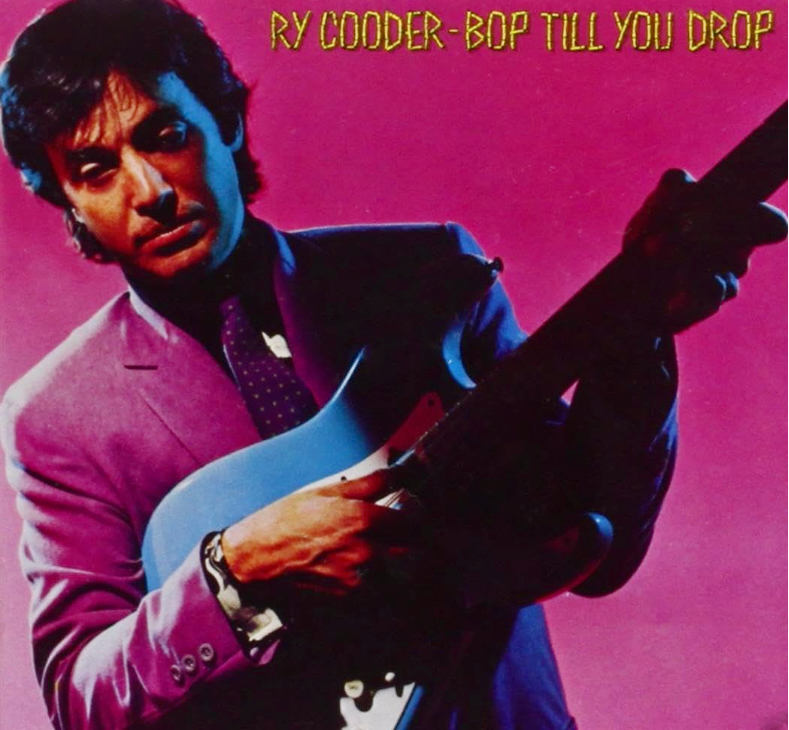
Born in Los Angeles on March 15, 1947, Ry Cooder is widely regarded as one of the most influential slide guitar players of the modern era. Yet calling him simply a guitarist hardly does him justice. Composer, arranger, producer, and tireless musical explorer, he has built a career spanning more than five decades, collaborating with artists from every corner of the world while helping introduce musical traditions that had long remained outside the mainstream.
Since the 1960s, Cooder has established himself as one of the industry’s most respected session musicians, performing alongside many of the biggest names in contemporary music. At the same time, he developed an extraordinary solo career, one where blues, folk, gospel, jazz, Tex-Mex music, Hawaiian traditions, and influences from Africa, India, and Cuba coexist with remarkable authenticity.
Beyond his solo recordings, Cooder has composed some of the most memorable film scores in modern cinema, including Wim Wenders’ Paris, Texas. He also created landmark projects such as Talking Timbuktu with Ali Farka Touré and Buena Vista Social Club, helping bring an extraordinary musical and cultural heritage to audiences around the world.
More than a musician, Ry Cooder has always been an explorer.
An artist convinced that every culture carries a unique voice, every tradition has a story worth telling, and every one of those stories deserves to be heard.
Sitting Beside, Not Above
If you’ve read my previous Arcotondo Tells article about Playing for Change, you may notice a familiar thread running through these pages. In both stories, music becomes a universal language capable of bringing people together across cultures and continents. Yet Ry Cooder’s journey follows a very different path.
He never set out to teach.
He never arrived believing he knew how music should be played, nor did he try to reshape other traditions according to his own vision.
Instead, he did exactly the opposite.
Ry Cooder stepped down from the pedestal that often comes with being an internationally respected musician and chose to sit beside those who had lived that music their entire lives.
Before playing, he listened.
He learned.
He observed.
Only then did he pick up his guitar and become part of their story.
The musicians he met were never anonymous street performers waiting to be discovered. Within their own communities, they were often deeply respected artists, guardians of traditions that had been passed down from one generation to the next. What they lacked was not talent or recognition at home, but the opportunity to be heard beyond their own borders.
Cooder understood the value of that heritage.
Rather than placing himself at the center of the stage, he chose to meet those musicians as equals, sharing the spotlight instead of taking it away from them.
Perhaps that was the most extraordinary decision of his entire career.
A celebrated musician willing to step away from the spotlight and become a fellow traveler instead.
Because some musical traditions don’t need someone to improve them.
They simply need someone willing to listen…
…and help the rest of the world do the same.
The Journey Begins
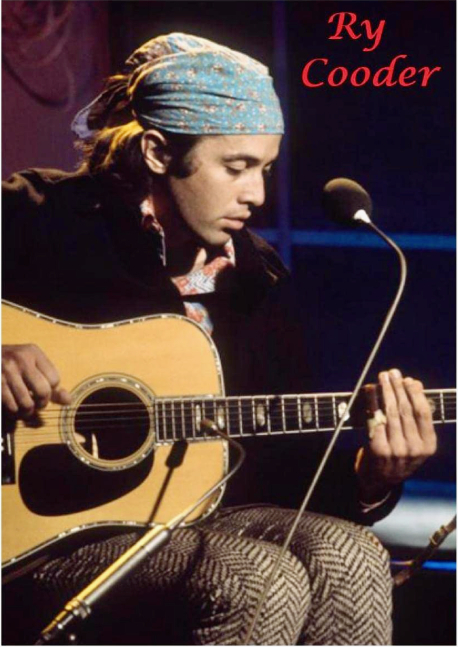
Every journey has a starting point.
For Ry Cooder, that journey could only begin in the United States.
Blues, folk, gospel, country, and the many voices of American roots music became his first musical language.
They shaped the musician he would become.
They remained the foundation of everything that followed.
Unlike many musicians of his generation, however, Cooder was never content with simply exploring what he already knew.
The deeper he dug into the roots of American music, the more he realized those roots extended far beyond America’s borders.
Every answer seemed to raise another question.
Every encounter pointed him toward a new destination.
Following the Music
Soon, curiosity became movement.
His travels first led him back to the earliest forms of jazz, born in the streets of New Orleans long before the age of big bands and sophisticated arrangements.
Then came Hawaii, where the slide guitar discovered an entirely different voice, one capable of expressing warmth, elegance, and extraordinary emotion.
Curiosity, however, knows no borders.
India introduced him to a spiritual approach to music, where improvisation and dialogue became inseparable.
West Africa revealed just how deeply American blues remains connected to its African origins, to the point where listening to certain musicians almost feels like hearing the blues return home after a very long journey.
Eventually, that journey reached Cuba.
Not simply another destination on the map, but a place where memory, tradition, and extraordinary talent came together in a project that would forever change the world’s perception of Cuban music.
Beyond the Records
Alongside these musical explorations, Cooder followed another path as well.
One less obvious, perhaps, but every bit as important.
His work for the cinema never sought to dominate the screen.
Instead, his scores quietly accompanied the images, using only a handful of notes to evoke landscapes, silence, and emotion with remarkable sensitivity.
Looking back today, it becomes clear that none of these destinations was ever an end in itself.
Each one was simply another step in a lifelong journey of listening, learning, and discovering how music can become a bridge between people who may speak different languages but share the same emotions.
Understanding, Not Changing
Looking back at Ry Cooder’s career, many people describe his work as fusion or cross-cultural contamination. Personally, I’ve never found either expression entirely convincing.
Fusion suggests blending different traditions into something new.
Contamination implies changing what already exists.
Ry Cooder’s approach was something else entirely.
Before playing someone else’s music, he tried to understand it.
He respected every tradition without attempting to make it more modern, more commercial, or more Western.
With humility, he stepped into each culture, allowing the people he met to guide the journey rather than trying to lead it himself.
That, perhaps, is the greatest lesson his career has to offer.
Listening comes before playing.
Understanding comes before changing.
Respect comes before interpretation.
The chapters that follow are not intended to rank Ry Cooder’s greatest albums. That would be both impossible and unfair.
Instead, they are a series of musical destinations.
Each record represents an encounter, a culture, a moment in time, and a doorway into an extraordinary musical world.
Rather than simply listening to these albums, I invite you to experience them with curiosity.
Let Ry Cooder guide you the way a well-traveled friend might introduce you to places you’ve never seen, yet somehow knows you’ll never forget.
Because this journey is not only about discovering remarkable music.
It is about discovering the people behind it.
First Stop • American Roots
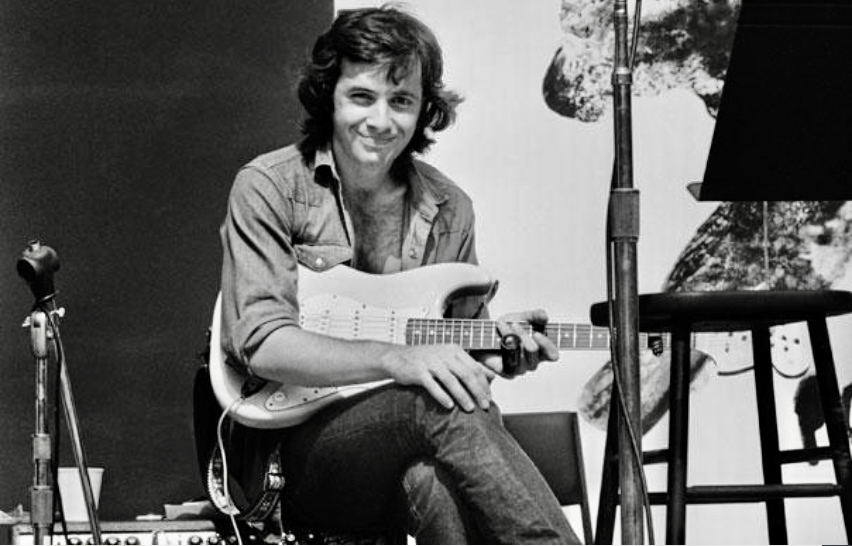
Every journey begins somewhere.
For Ry Cooder, it could only begin at home.
In his case, however, home means far more than the United States. It means returning to the very foundations of American music, where blues, folk, gospel, country, rhythm and blues, and Tex-Mex traditions have influenced one another for well over a century.
His debut album, Ry Cooder (1970), marks the beginning of that journey.
More than a first record, it is a statement of intent.
Rather than chasing chart success with original material, Cooder turned to the American songbook, reinterpreting traditional music with remarkable respect and maturity.
It is almost as though he were telling his audience:
Before we can look outward, we first need to understand where we come from.
That philosophy became even more evident over the following years.
Albums such as Into the Purple Valley and Boomer’s Story continued to explore America’s musical heritage, while Paradise and Lunch broadened the picture even further, blending gospel, rhythm and blues, and soul with effortless authenticity.
By the time Chicken Skin Music arrived, the journey had already begun to cross new borders.
American roots music met Mexican and Hawaiian traditions, foreshadowing what would become Ry Cooder’s defining characteristic: building bridges between cultures without ever changing their identity.
A few years later came Bop Till You Drop, remembered primarily as the first album in history to be recorded entirely using digital technology.
An impressive technical milestone, certainly.
Yet when it comes to Ry Cooder, the technology almost feels secondary.
Even here, it is never the story.
The music, and the people behind it, remain the true focus.
How to Listen
Don’t listen for virtuosity.
Extraordinary as Ry Cooder’s guitar playing is, technical brilliance has never been the point of these records.
Instead, approach them the way you would listen to a story passed down from one generation to the next.
Every song carries a small piece of America’s history: dusty roads, endless highways, wooden churches, railroad stations, forgotten towns, and ordinary people whose lives shaped the country’s musical identity.
This is music that never tries to impress you in a hurry.
It simply walks beside you, allowing every detail to reveal itself in its own time.
To truly understand Ry Cooder, this is where the journey must begin.
Before he became a citizen of the world, he first became a lifelong student of his own musical heritage.
Perhaps it was precisely that deep understanding of his own roots that later allowed him to recognize, appreciate, and respect the roots of everyone else.
Second Stop • Back to the Birth of Jazz
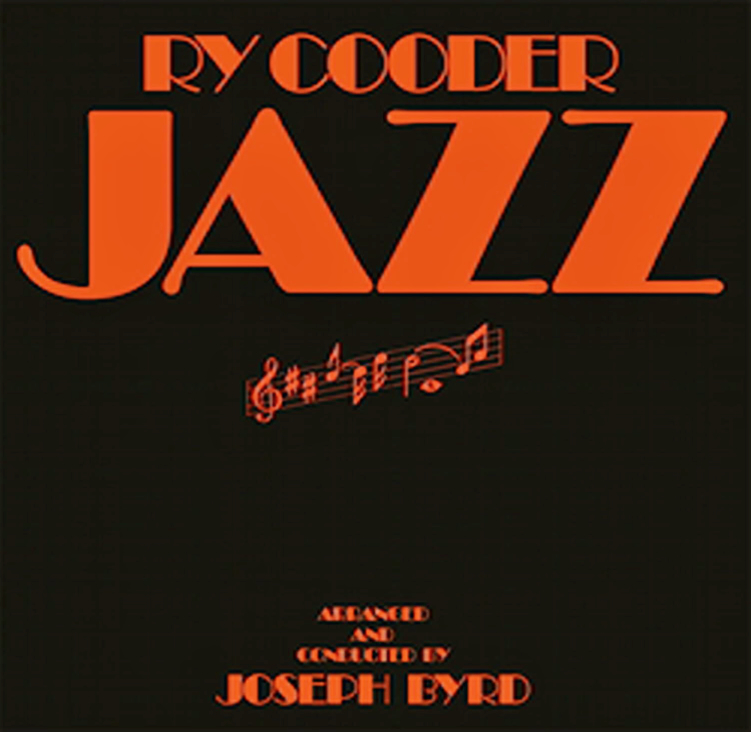
If I had to choose the one album that best reflects Ry Cooder’s relationship with musical tradition, it would probably be Jazz (1978).
At first listen, it may surprise you.
This is not an album that embraces modern jazz, with its dazzling virtuosity or complex harmonic language. Instead, it looks back to the streets of New Orleans in the early decades of the twentieth century, when jazz, blues, gospel, and folk traditions were still evolving together into something entirely new.
And that is exactly where its greatest strength lies.
You don’t need to be a fan of traditional jazz to appreciate this record.
In fact, the best way to approach it is to forget about genres altogether and simply allow yourself to be carried along by its warmth, energy, and unmistakable sense of humanity.
A powerful feeling of community runs through every track.
The instruments are constantly in conversation with one another, the voices don’t merely accompany the music but become part of its storytelling, and the rhythm unfolds naturally, never rushing, always inviting you to stay a little longer.
From Reflection to Celebration
Listening to this album has always reminded me of the traditional New Orleans jazz funerals.
Everything begins with a slow, solemn procession, filled with dignity and reflection.
Then, almost imperceptibly, something changes.
Grief gives way to memory.
Memory becomes celebration.
Suddenly, the music bursts into life with dancing, laughter, and an irrepressible joy.
It is one of the most powerful expressions of a culture that learned to transform suffering into creative energy.
Jazz follows that same emotional journey.
At times, it barely seems to whisper, allowing only a handful of voices and instruments to speak with remarkable intimacy.
Gradually, it opens into a joyful collective celebration without ever losing its authenticity.
Few albums capture the true spirit of early jazz with such honesty and conviction.
A Concert I’ll Never Forget
I was fortunate enough to see Ry Cooder perform in Milan around the time this album was released, and it remains one of my most treasured concert memories.
What impressed me most wasn’t his extraordinary technique, impressive though it certainly was.
It was the way he carried himself on stage.
He never tried to dominate the performance.
If anything, he often seemed happiest stepping into the background, giving the other musicians room to shine.
To some, that might seem like a small detail.
To me, it confirmed everything this article has been trying to say.
Ry Cooder never needed to be the star of the show.
The music already was.
How to Listen
Don’t go looking for the perfect solo or breathtaking displays of technique.
Close your eyes and imagine yourself standing on a street corner in New Orleans, where music grows naturally from people coming together.
Listen to the conversation between the instruments, the warmth of the voices, and the constant movement between quiet reflection and joyful celebration.
That is where the true soul of this album lives.
Third Stop • Across the Pacific
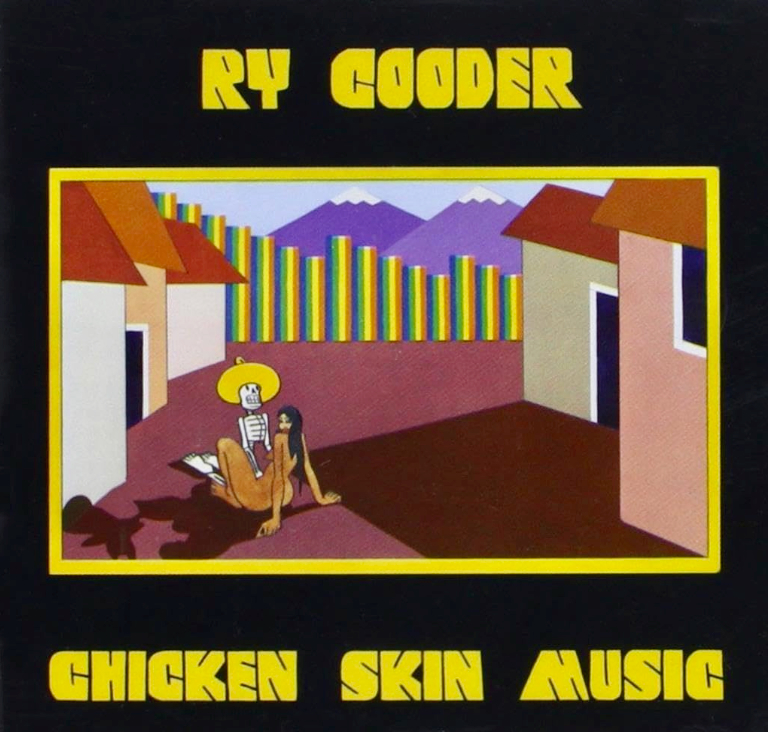
If Ry Cooder’s early work was firmly rooted in American musical traditions, Chicken Skin Music (1976) marked the moment when his journey began to change direction.
For the first time in his career, you can clearly sense his desire to look beyond the borders of the United States.
He wasn’t yet traveling halfway around the world.
Instead, he was discovering the musical dialogue between cultures that shared the same continent while speaking remarkably different musical languages.
Hawaiian music, Tex-Mex, American folk, and Mexican traditions coexist here without competing for attention.
None tries to overshadow the others.
Every song feels like a conversation built on mutual respect, as though people speaking different languages had somehow found a way to understand one another perfectly.
Listening to this album, you get the feeling that Ry Cooder had already discovered a truth that would shape the rest of his career:
Every musical culture has something to teach us.
The best way to learn is by playing together, never against one another.
Many critics see Chicken Skin Music as an early step toward what would later be called world music.
I see it a little differently.
To me, this album marks a personal turning point.
It is here that Cooder’s fascination with traditional music stops being exclusively American and begins to evolve into a curiosity with no borders.
This is the album where Ry Cooder stops looking only at his own roots and, metaphorically speaking, begins packing his suitcase.
How to Listen
Don’t look for a single musical thread running through these songs.
Look instead at the people behind them.
Each track opens a window onto a different place, yet the scenery changes with remarkable ease, never feeling forced or disconnected.
It is an album that invites you to travel without a passport, allowing yourself to be guided by differences rather than constantly searching for what already feels familiar.
Rather than simply listening to an album, imagine yourself sitting around a table with musicians from different traditions.
Each holds a different instrument.
Each carries a different story.
No one is trying to outshine anyone else.
Everyone has something worth sharing.
That is where the magic of Chicken Skin Music truly comes to life.
Fourth Stop • A Meeting with India
Some albums speak to the mind.
Others go straight to the heart.
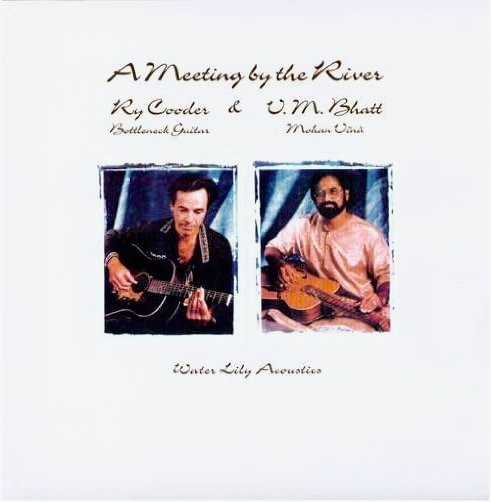
A Meeting by the River unquestionably belongs to the latter.
If I had to choose a single record that best captures Ry Cooder’s musical philosophy, this would probably be it.
No one here is trying to prove anything.
There is no ambition to merge two cultures into a new musical genre.
Instead, this is simply the meeting of two musicians who speak different musical languages yet share the same understanding of what music can be.
On one side is Ry Cooder’s unmistakable slide guitar.
On the other is Vishwa Mohan Bhatt’s Mohan Veena, supported by the rich textures of traditional Indian percussion.
Together, they create something far greater than the sum of their individual parts.
The music is quietly astonishing, never relying on spectacle to make its point.
The strings weave effortlessly around the pulse of the percussion, melodies drift in and out without ever feeling the need to arrive anywhere, and every note leaves just enough space for the next to breathe.
More than a dialogue, it feels like a conversation between two people who learned to listen long before they ever began to answer.
An Album to Experience
That is what I love most about this album.
Not the extraordinary musicianship, impressive though it is.
Not even the idea of bringing together two musical worlds that seem so far apart.
What captivates me is the music itself.
Its extraordinary ability to create an atmosphere that slowly surrounds you until, after only a few minutes, the room seems to disappear.
All that remains is a soundscape where every instrument occupies its own natural place, effortlessly and beautifully.
One more aspect of this recording deserves to be mentioned.
Its overall level is noticeably lower than that of most modern albums.
This isn’t a flaw.
It is a deliberate choice that preserves an exceptional sense of dynamic range.
Don’t be afraid to turn the volume up.
Only then will the album fully reveal the depth of its soundstage, the natural breathing of the instruments, and the remarkable feeling of immersion that makes it so special.
How to Listen
Don’t approach this album as you would a typical Western recording.
Forget about song structures, catchy choruses, or instantly memorable melodies for a while.
Instead, let the timbre of the instruments guide you.
Listen to the conversation between the Mohan Veena, the slide guitar, and the percussion.
Don’t ask where the music is going.
Simply allow it to take you there.
If you do, you won’t just hear an album.
You’ll witness a meeting.
And perhaps that is the greatest gift Ry Cooder and Vishwa Mohan Bhatt have given us.
Fifth Stop • When the Blues Comes Home to Africa
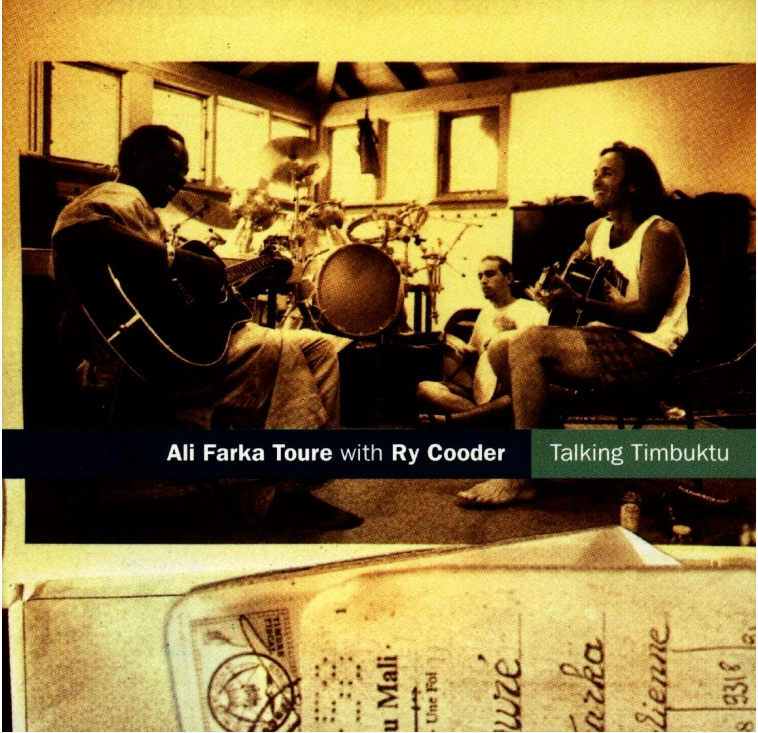
If A Meeting by the River invites you to slow down and listen, Talking Timbuktu does exactly the opposite.
It grabs you by the collar and pulls you straight into the music.
Recorded with Ali Farka Touré, this album is perhaps the clearest demonstration that American blues and the music of West Africa ultimately speak the same language.
It is far more than a collaboration between two extraordinary musicians.
It feels like a homecoming.
A journey back along the path that, centuries ago, carried the blues from the banks of the Niger River to the Mississippi Delta.
The first thing you notice is the energy.
Everything here is alive.
The guitars never seem to stop talking to one another.
The percussion creates an irresistible, hypnotic pulse, while the voices weave naturally into the music until everything flows as one.
This is not an album that asks you to sit quietly and observe.
It invites you to move with it, tap your foot, and surrender to its rhythm.
In many ways, it is an intensely electric record.
Not because of the instruments themselves, but because of the sheer energy flowing through every performance.
Every track carries its own momentum, creating a constant sense of movement that makes it almost impossible to remain still.
More Than a Collaboration
Yet even in this setting, Ry Cooder remains true to the philosophy that defines his entire career.
He never tries to take control or reshape African music into something more familiar to Western ears.
Instead, he steps naturally into Ali Farka Touré’s musical world, allowing his partner to lead the conversation.
Once again, Cooder chooses to be a traveling companion rather than the guide.
Perhaps that is why Talking Timbuktu remains so moving more than thirty years after its release.
It is not simply the meeting of two remarkable guitarists.
It is the story of two musical cultures, separated by thousands of miles, discovering that they have always shared the same roots.
How to Listen
After the meditative atmosphere of A Meeting by the River, change your mindset completely.
This is not the time for quiet contemplation.
Let the rhythm lead the way.
Listen to the constant conversation between the two guitars, the dialogue with the percussion, and the extraordinary sense of forward motion running through every track.
This is one of those albums that is almost impossible to experience without moving.
Sooner or later, your foot will begin to keep time and, before you even realize it, you’ll find yourself completely immersed in its world.
Perhaps that is its greatest achievement.
It doesn’t simply take you to Africa.
For nearly an hour, it makes you feel as though you’ve become part of its music.
Sixth Stop • Cuba Finds Its Voice Again
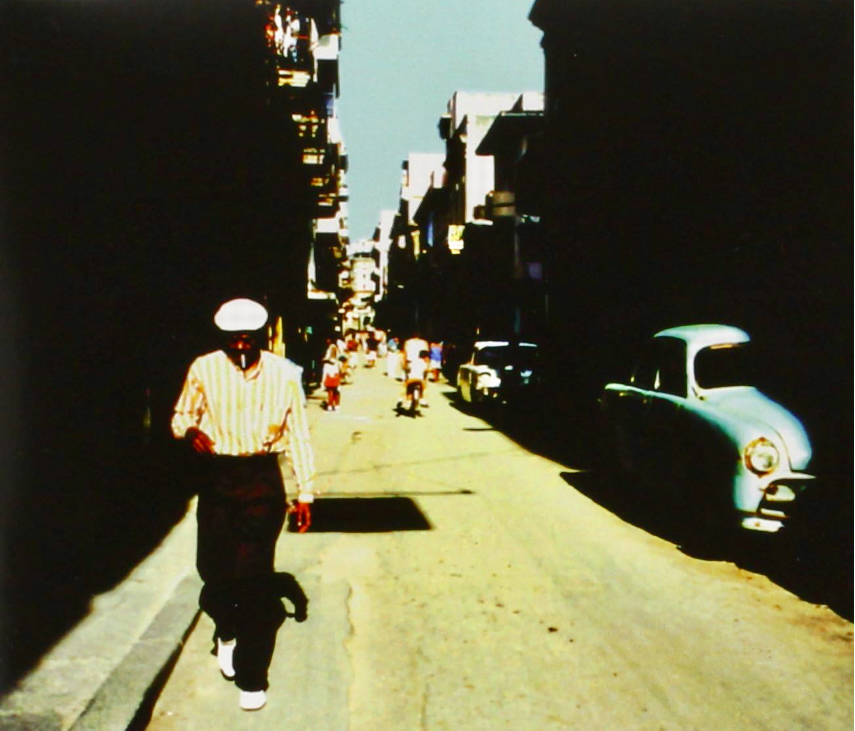
After the spirituality of India and the irresistible energy of West Africa, the journey arrives in Cuba.
Once again, the way we listen begins to change.
If A Meeting by the River invites quiet contemplation and Talking Timbuktu makes your body move, Buena Vista Social Club offers something entirely different.
It slows you down.
Then it lets you breathe.
Eventually, it leaves you smiling.
The guitars seem to caress every note, the percussion never forces the rhythm but allows it to unfold naturally, the horns add color without ever overwhelming the music, and the voices tell stories of everyday life with a sincerity that has become increasingly rare.
Whenever I listen to this album, simple images come to mind.
An open veranda at sunset.
The scent of the sea.
An old ceiling fan turning slowly overhead.
Friends gathering at the end of the day to do what they have always done: make music together.
Some people may picture a fine Cuban cigar.
Others a glass of well-aged rum.
Those images certainly belong to the collective imagination and help set the scene.
Personally, though, I don’t think they are necessary.
The music is enough.
It is the only true protagonist here, and perhaps the finest companion anyone could have on this journey.
Giving Cuba a Voice Again
The greatness of this project extends far beyond its artistic quality.
It brought extraordinary musicians back into the international spotlight after decades of being virtually unknown outside Cuba.
These were never forgotten amateurs or anonymous performers waiting to be discovered.
They were genuine masters of the Cuban tradition, deeply respected in their own country but largely overlooked by the rest of the world.
Once again, Ry Cooder chose the role he had always preferred.
He didn’t stand at the center of the stage.
He built the stage and invited others to step onto it.
Perhaps that is the most beautiful gesture of his entire career.
He used his own reputation not to be remembered himself, but to ensure that the world would remember them.
More than an album, Buena Vista Social Club is an act of gratitude toward a generation of musicians who still had so much left to say.
How to Listen
Don’t focus on technical perfection, even though the recording itself is exceptional.
Don’t focus on technical perfection, even though the recording itself is exceptional.
Listen to the people behind the music.
Hear voices shaped by time and hands that have spent a lifetime making music.
Notice how naturally the musicians converse with one another, never competing, always listening.
That effortless sense of humanity is what makes this album so timeless.
Seventh Stop • When Cinema Learns to Listen
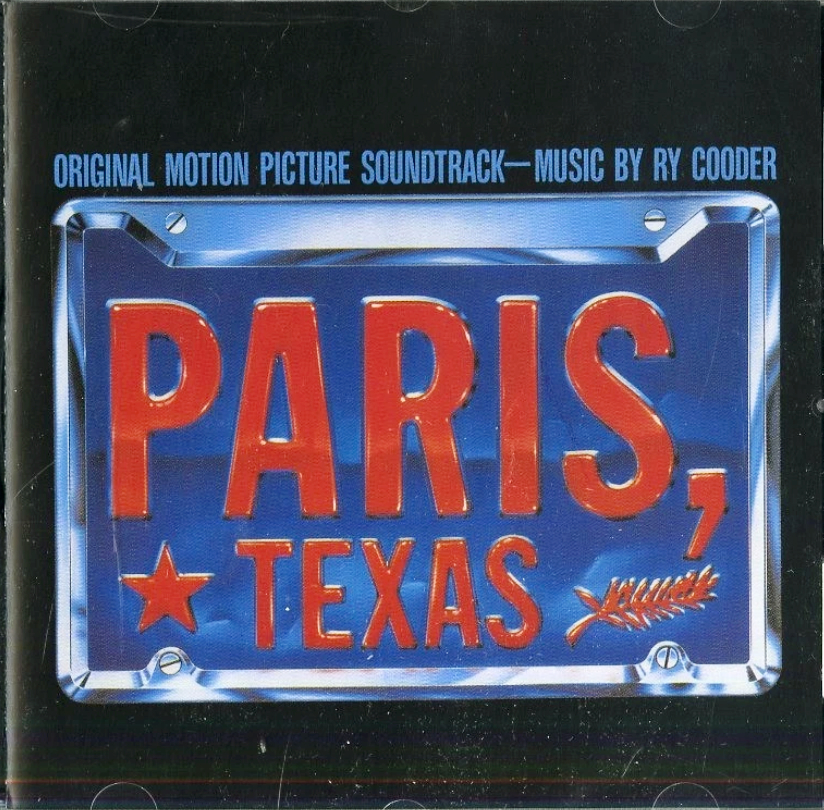
Ry Cooder didn’t limit his journey to records.
Sooner or later, it was inevitable that cinema would find him.
Or perhaps it would be more accurate to say that he found a way to bring music into films without allowing it to become mere background.
Throughout his career, he composed soundtracks for directors such as Walter Hill, Wim Wenders, and Louis Malle, creating scores that remain among the finest examples of music serving a story rather than competing with it.
The soundtrack to Paris, Texas stands above them all.
Few notes have ever painted such vivid images.
The opening slide guitar seems to stretch endlessly across the desert, carrying with it solitude, silence, distance, and longing.
Long before a single word is spoken, the music has already begun telling the story.
That is Ry Cooder’s extraordinary gift as a film composer.
He never writes music simply to accompany what appears on the screen.
He uncovers the emotions hidden beneath it.
The same sensitivity can be heard throughout his other film scores.
Whether the setting is the American Southwest, the streets of New Orleans, or entirely different worlds, his music never draws attention to itself for the sake of it.
Instead, it quietly becomes part of the landscape, so naturally that, after a while, it feels impossible to imagine the film without it.
This, too, reflects the philosophy that has accompanied him throughout his career.
Listening before speaking.
Understanding before interpreting.
Serving the story rather than serving himself.
Once again, Ry Cooder chooses to step back.
The film remains at the center.
The characters remain at the center.
The emotions remain at the center.
The music simply helps us see them more clearly.
How to Listen
Try something unusual.
Listen to the soundtrack before watching the film.
Allow the music to create its own images in your mind.
Notice how a single guitar can suggest vast landscapes, silent roads, forgotten memories, and emotions that words often fail to express.
Then watch the film.
You may discover that the music was already telling you the story long before the first scene unfolded.
That is the rare gift of a truly great film score.
It doesn’t merely accompany the images.
Sometimes, it teaches us how to see them.
Conclusion • The Music That Connects Us
By now, the journey has taken us across America, Cuba, Mali, India, and countless other places where music has become a universal language.
At first glance, these destinations might seem worlds apart.
Different cultures.
New voices.
Ancient traditions.
Countless stories.
Yet every stop along the way reveals the same simple truth.
Music has never cared about borders.
It has never asked where we come from.
It has never needed a passport.
Perhaps that is the greatest lesson Ry Cooder leaves us.
Not that every musical tradition is the same.
Quite the opposite.
Every musician has a story to tell.
Each culture has its own sound.
Every nation has a musical tradition worth listening to.
And each deserves to be heard exactly as it is.
That is why his work continues to matter.
He never tried to make the world sound the same.
He helped us hear how beautiful its differences already were.
Even his most recent work reflects that same curiosity.
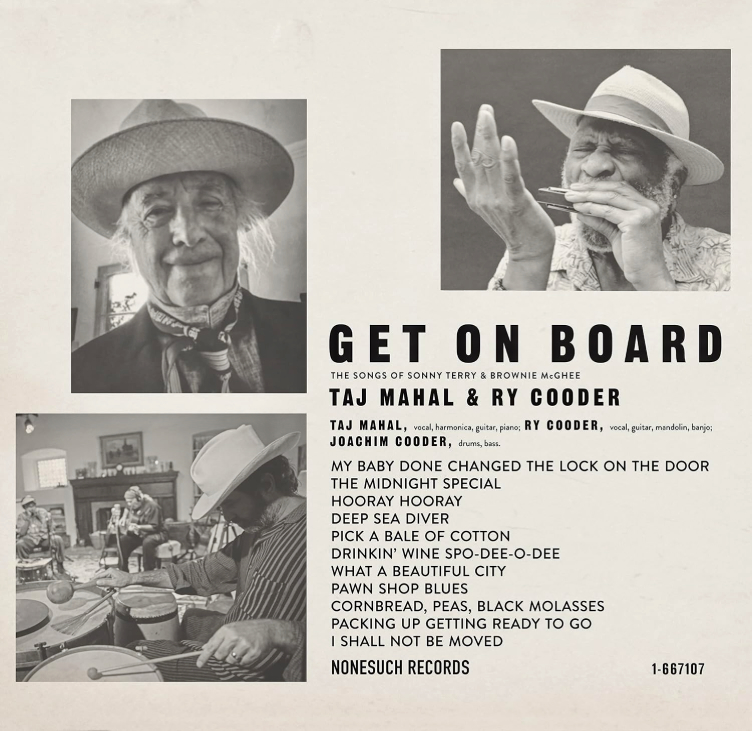
Get On Board, recorded with longtime friend Taj Mahal more than half a century after they first played together, feels less like a final destination than another conversation between two musicians who have spent a lifetime listening, learning, and sharing.g, and sharing.
It is a quiet reminder that some journeys never truly end.
The Journey Continues
In an age where algorithms increasingly decide what we listen to, where recommendations often lead us toward music that sounds reassuringly familiar, Ry Cooder spent his life moving in the opposite direction.
Toward the unexpected.
Beyond the familiar.
Always searching for voices waiting to be heard.
Perhaps that is why his work feels even more relevant today than when many of these albums were first released.
It reminds us that curiosity is still one of the greatest gifts a listener can possess.
Because every unfamiliar sound may become the beginning of a new journey.
And every journey begins with a single act.
Listening.
Music has no age.
Music has no nationality.
Music has no religion.
Music has no language.
Music has no borders.
It only asks one thing of us.
To listen.
And if, after reading these pages, even one person decides to explore an unfamiliar artist, discover a different musical tradition, or simply listen with a little more curiosity than before, then Ry Cooder’s journey will continue.
Through someone willing to listen.
Perhaps you.


No Comment! Be the first one.