
















































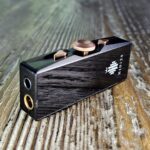

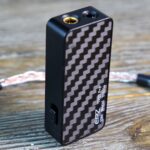
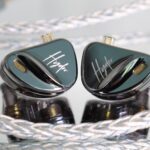

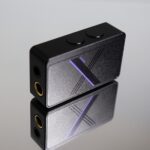












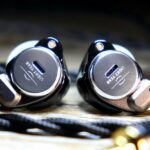
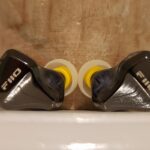
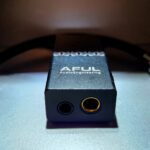
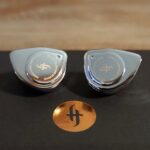






















The Muse HiFi M6 Double is not trying to be subtle. It arrives with a pair of JAN6418 military-grade miniature vacuum tubes mounted under glass, a flagship ES9039 DAC chip clocked by dual Accusilicon AS318B oscillators, and IN-17 Nixie tubes that display your volume in a warm amber glow borrowed from Cold War instrumentation. At $399 and limited to one thousand units worldwide, it is a device that makes a statement before you have pressed play. The question is whether the listening experience lives up to the theatre — and the honest answer is yes, conditionally and on its own terms.
Table Of Content
I came to the M6 Double through a loan from a close friend. Some health issues delayed serious listening time, which in retrospect turned out to matter — because this is a device that reveals itself gradually and rewards patience over first impressions.
Build and Design
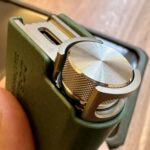
In the hand the M6 Double feels like something that was not designed by committee. The chassis is dense and deliberately proportioned — wider and heavier than most portable DAC/amps, with a solidity that reads less as premium polish and more as functional necessity. The twin JAN6418 tubes sit exposed behind a protective glass panel on the face, framed by a metal surround that gives the device the appearance of a small scientific instrument rather than consumer electronics. The buttons are firm and well-spaced, the output jacks sit flush without play, and the overall construction communicates that the internal components were the starting point and the enclosure was built around them rather than the other way around. It is not a device that disappears into a jacket pocket gracefully. It is a device that announces itself.


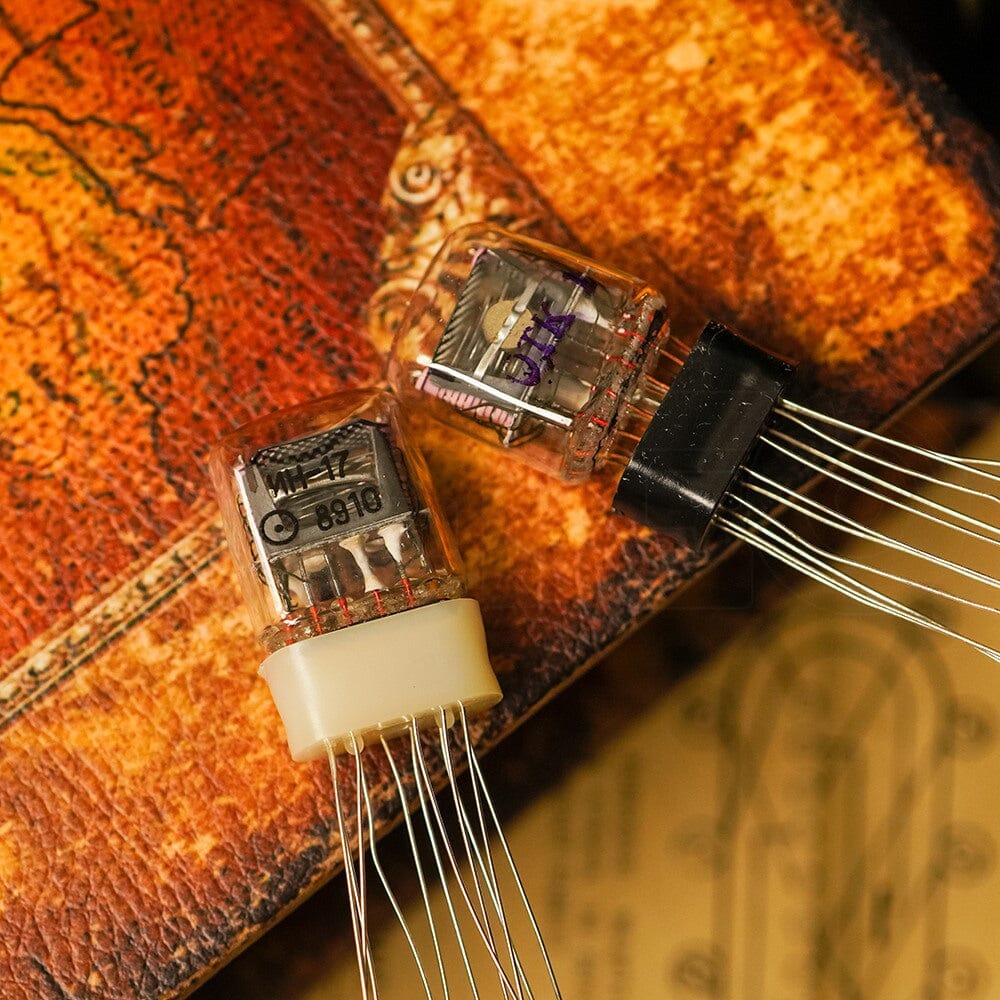
The volume display is the detail that stays with you. The IN-17 Nixie tubes used here are the same family of cold-cathode numerical indicators developed in the Soviet Union in the 1950s and used in scientific and military instrumentation for decades — each digit is formed by a separate illuminated cathode suspended in neon gas, stacked in layers behind the glass. When the M6 Double is in use, the current volume level appears in this display as a pair of numerals glowing in a warm, slightly uneven amber — the light is not uniform the way an LED or LCD would be, but has a flicker and depth that reads as alive. There is a tactile pleasure to turning the volume wheel and watching the numbers step through one by one, each transition accompanied by that characteristic Nixie glow. It is the kind of detail that serves no sonic function whatsoever and improves the experience considerably.
The Opening Position
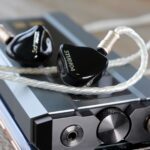
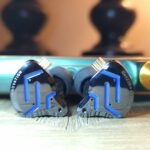
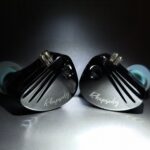
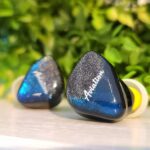
My test chain began with a Nothing CMF Phone 1 running UAPP into the Muse HiFi M6 Double, paired with the Letshuoer S12. The S12 is a planar magnetic IEM with a well-documented character: analytical, fast, slightly cool in tone, with a transparent midrange and a tendency toward brightness in the upper registers. It is a technically capable earphone that tends to reflect whatever is upstream of it with some honesty.
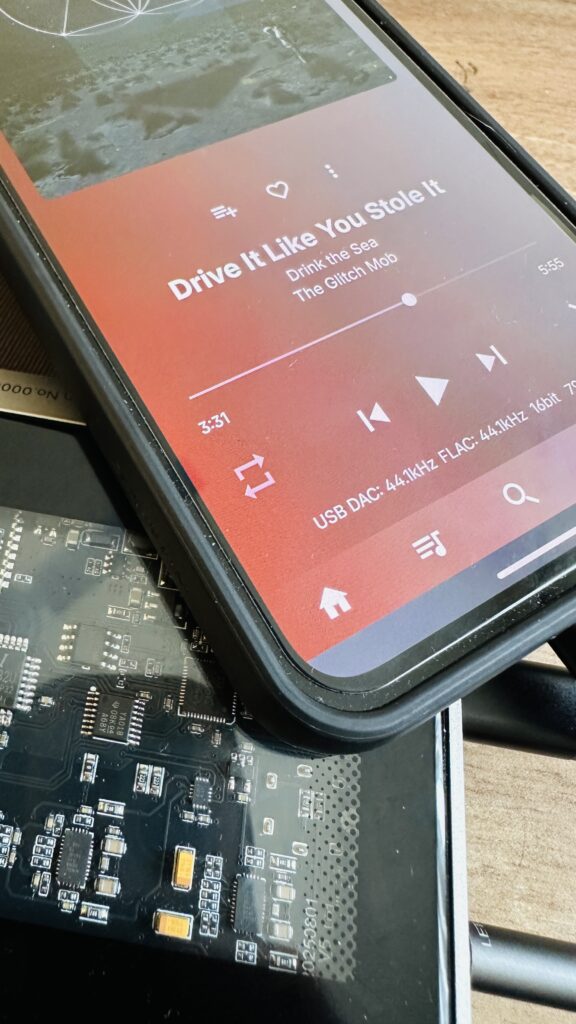
Through the CMF into the M6 Double at low gain in transistor mode, the S12 sounded disciplined in a way that was neither exciting nor offensive. The analytical edge was present, the stage sat slightly deeper and farther back than I am used to, and the transparent flow that makes this IEM enjoyable in extended sessions had not fully opened up. Electronic hits on Glitch Mob material took on a strange physical density — almost like hard rubber slaps rather than clean transient spikes — which was interesting, but the music was not yet alive in the way it can be. It felt like the device was waiting to be asked something.
Learning to Push It

The M6 Double does not give its best freely, and I say that as an observation rather than a criticism. At low gain, the S12 sits politely and somewhat flat. The planar driver is not receiving the current it wants and the result is compressed dynamics and a narrowed stage. Medium gain improves things — competent, comfortable, usable for background listening — but the S12 still has not opened up fully. High gain is where the relationship changes. At that point the S12 breathes properly: hits become punchier, transients snap with authority, and the transparent, lively character this IEM is capable of finally appears in full. The M6 Double is a device that performs best when treated as a real amplifier rather than a volume pot. That distinction matters more here than on most portable units I have used.
The S12 runs single-ended throughout these tests — 3.5mm into the M6 Double’s corresponding output. Worth noting explicitly: the 3.5mm output here is not a stripped-down afterthought. At high gain it delivers enough current to properly drive the S12, and the noise floor stays clean enough that the planar driver’s resolution comes through without contamination.
Source Quality and the R4 Difference
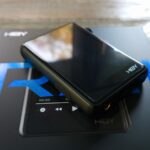
Swapping the CMF Phone for the HiBy R4 as USB transport brought a meaningful upgrade. The noise floor dropped, the S12’s planar texture became more resolved, and the sense of space between elements opened further. The R4’s clean digital output raises the M6 Double’s ceiling — there is a directness to the detail retrieval that was partially obscured through the phone. If you own a quality DAP, the M6 Double will let you hear the difference between sources rather than flattening it.
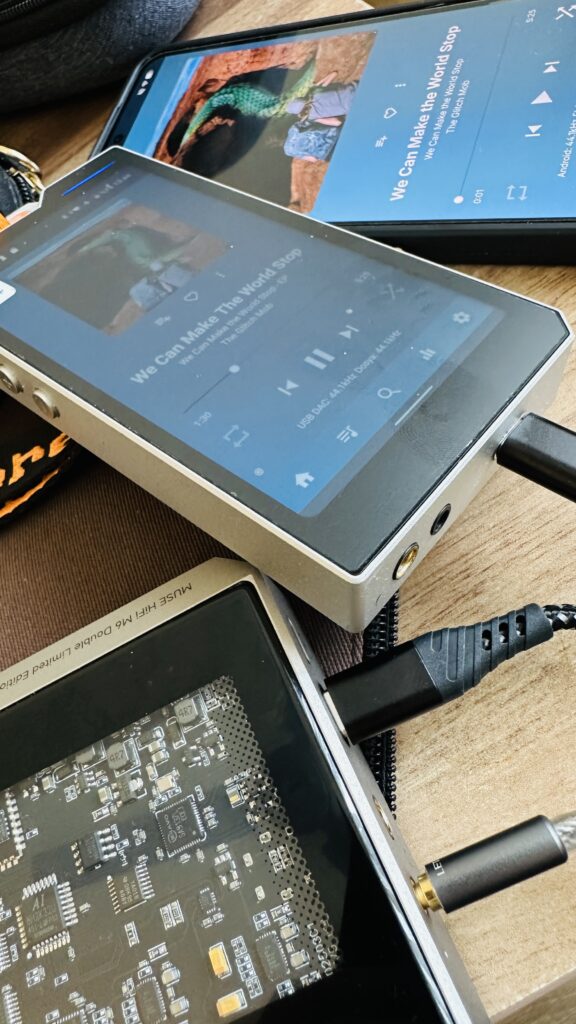
The Bluetooth LDAC connection from the R4 was more capable than expected. The finest edges of micro-detail soften very slightly and the presentation loses a small measure of precision, but the character remains intact enough that LDAC is a genuine option rather than a compromise of last resort. For commuting or casual sessions, it holds up.
Tube Mode — The Reason This Device Exists
Transistor mode on the M6 Double is good. Tube mode is why you buy it.
The JAN6418 tubes are directly heated pentodes with a military pedigree — NOS components rated for reliability under conditions that consumer audio will never approach. Muse has spent significant engineering effort on their implementation here, including a custom shock absorber system that isolates the tubes from physical vibration and eliminates the stethoscope effect that plagues cheaper tube portable designs. The result is a tube stage that is quiet, stable, and genuinely different in character from the transistor path rather than being a mild filter applied on top of it..
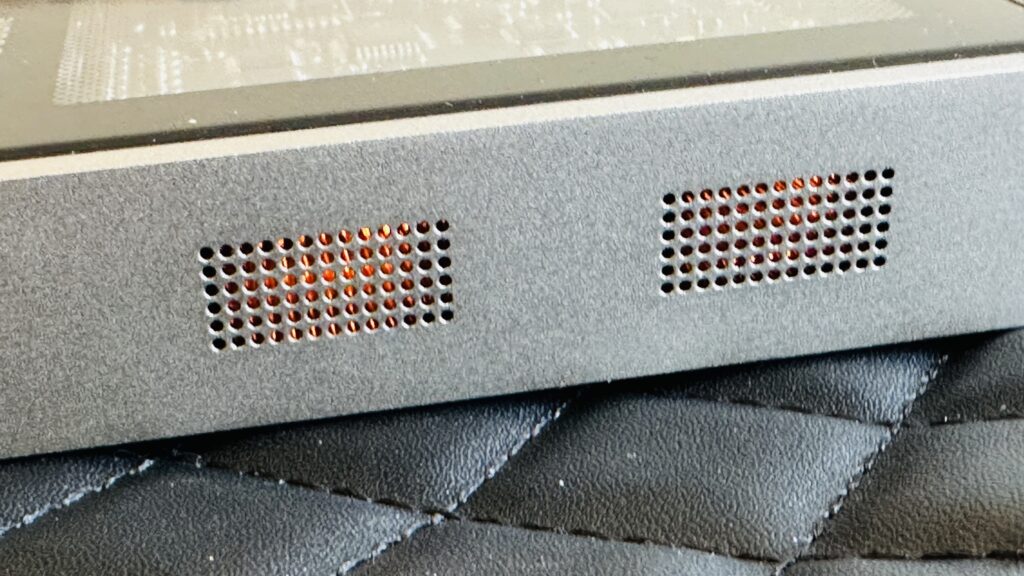
With the S12 at high gain through the 3.5mm output, tube mode transforms the listening experience in ways that go beyond the predictable warmth narrative. Yes, the midrange gains body and the upper treble edge softens — the S12’s clinical tendencies are genuinely reined in and the presentation becomes more inviting. But the more interesting effect is textural. Electronic sounds develop a physical quality that is difficult to describe without sounding vague: hits feel like they occupy space rather than simply occurring in time. On dense electronic material, individual elements separate with a kind of dimensional clarity that transistor mode, for all its technical precision, does not replicate. The S12’s planar speed is fully intact underneath — this is not a slow or romantic tube sound. It is controlled warmth layered over analytical foundations, and the combination suits the S12’s character specifically well.
Muse claims the tube output power has been significantly increased over earlier generations of this product, and the performance bears that out. This does not sound like a tube stage bolted onto a solid state amp as an afterthought. It sounds like the primary design intent, with the transistor mode present for those who want the cleaner path.
Digital Filters__
Seven filter modes are available, and unlike on some devices where the differences are academic, these interact meaningfully with the tube-versus-transistor choice and reward exploration. The default first filter is neutral and linear — a safe baseline that does nothing wrong. The second filter softens transient attack slightly, which reduces fatigue on brighter recordings but blunts impact on percussive material. The third filter pushes upper midrange presence forward noticeably, which lifts detail retrieval but introduces listening fatigue over extended sessions with the S12.
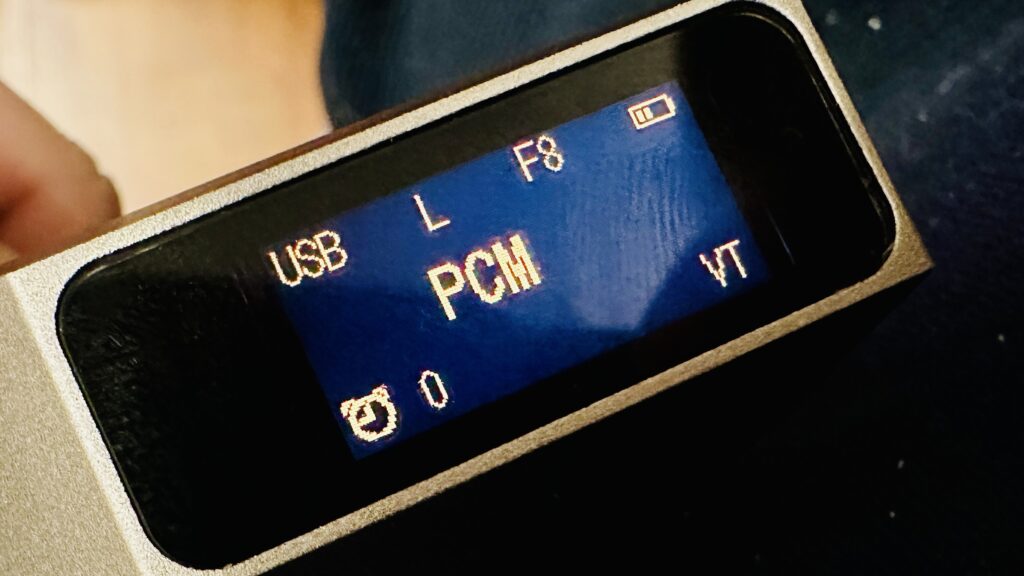
The fourth filter adds warmth and bloom to the low end and pairs well with tube mode for a more musical, less forensic character — it suits vocal and acoustic music well and is my recommendation for late-night listening. The fifth creates a more open and airy stage at a slight cost to imaging focus, which works well for ambient and orchestral material where width matters more than precision. The sixth is tight, fast, and analytically transparent — it feels closest to the transistor mode character and is where I spend most of my time on electronic and percussive genres. The seventh rolls off the high frequencies noticeably and removes a significant portion of the S12’s characteristic sparkle. It is a fatigue-reduction tool more than a performance filter, but effective at what it does over very long sessions.
The Letshuoer Amber — 3.5mm vs 4.4mm
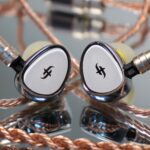
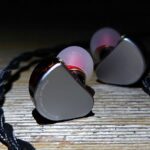
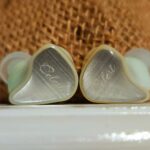
The Letshuoer Amber entered the chain specifically to test the output pairing difference. Unlike the S12, the Amber supports both single-ended and balanced connections OBO, which makes it the right tool to evaluate what the M6 Double’s two outputs actually do differently rather than theorising about it.
Through the 3.5mm output the Amber is warm, smooth, and comfortable. The midrange is full and the stage is intimate without feeling narrow. In tube mode with Filter 4 this becomes genuinely luxurious — rich low end, a forward and involving vocal presentation, and enough treble presence to stay out of darkness without drawing attention to itself. It is an easy, pleasurable listen that asks nothing from the listener and delivers considerable return.
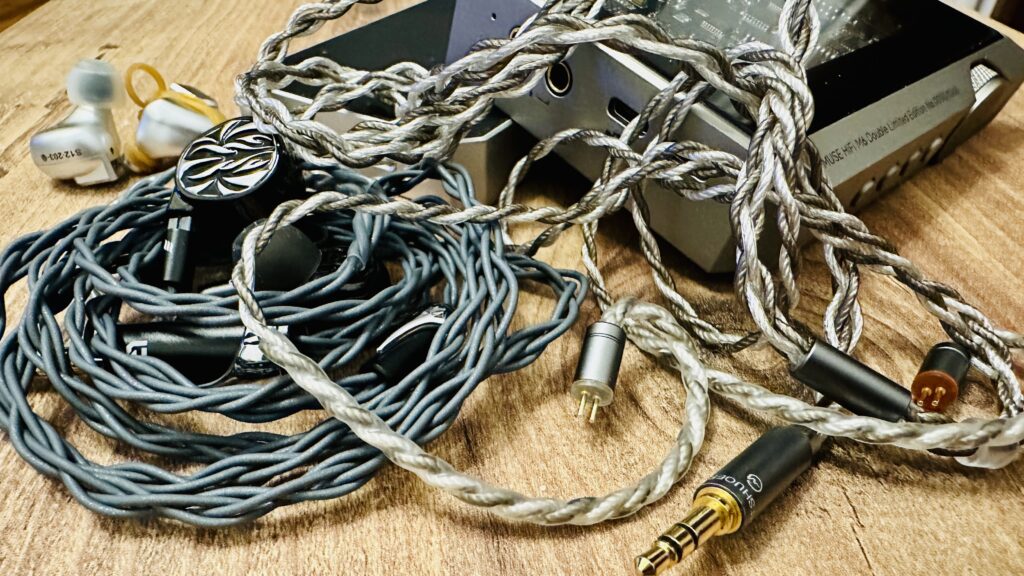
Moving to the 4.4mm balanced output changes the character meaningfully. The stage opens outward in both width and depth, imaging becomes more precise, and the separation between layers sharpens noticeably. The Amber’s warmth does not disappear — it becomes better organised. Individual elements sit more clearly in their own space, which on complex arrangements transforms the presentation from immersive to genuinely analytical without losing the tonal richness. In transistor mode through the balanced output the Amber starts to approach a reference character that its tuning does not typically suggest it is capable of. It is a different earphone through this connection — not better or worse in an absolute sense, but considerably more revealing.
The practical conclusion: the 3.5mm output on the M6 Double is fully capable and not a compromise, as the S12 tests confirmed. But the 4.4mm balanced output unlocks a different tier of performance for earphones that support it, and the Amber is the cleaner demonstration of that gap.
Whether it justifies the price depends on how you listen. If you are a passive listener who sets a volume and leaves it, the M6 Double will consistently underperform its potential and the $399 will feel unearned. If you tune actively, experiment with filters and gain, and listen to music that rewards the tube character — electronic, jazz, rock, anything with texture and dynamics — the M6 Double earns its price point with a listening experience that is difficult to replicate at this size and weight class.
Who Is It For
- Active listeners who tune gain, filters, and source to the recording
- Planar IEM owners seeking warmth and body to balance analytical driver character
- HiBy R4 or similar DAP owners wanting to extend into a dedicated amplification stage
- Enthusiasts drawn to tube amplification with genuine engineering rather than novelty
- Collectors who value limited production and distinctive industrial design
Who Is It Not For
- Listeners who prefer plug-and-play simplicity without configuration
- Those who listen primarily at low volumes — the M6 Double is built to be pushed
- Minimalists focused on chain simplicity and portability above all
- Buyers expecting significant gains without committing to the correct settings
Final Verdict
The Muse HiFi M6 Double is a device that respects the listener enough to require something back. It does not perform on autopilot. Paired with the Letshuoer S12 at high gain through the 3.5mm output in tube mode, or with the Letshuoer Amber through the 4.4mm balanced connection where the staging and separation open up into a different category of performance — this unit delivers one of the more distinctive and involving portable listening experiences I have encountered. Warm where it needs to be warm, fast where the music demands it, and theatrical in a way that makes the act of listening feel intentional rather than incidental. That combination of technical seriousness and emotional character is not easy to achieve in a portable device, and Muse has achieved it.
At $399 the M6 Double is not a casual purchase and it should not be evaluated as one. Against a strong dongle it offers more power, more tonal flexibility, tube amplification that genuinely changes the character of the music, and a Bluetooth implementation capable enough to reduce cable dependency. Against other portable DAC/amps at similar prices it offers something most do not: a real tube circuit with serious engineering behind it, not a cosmetic feature. Against the HiBy R4, which represents the top of the DAP category it competes with, it offers a fundamentally different sound philosophy — warmer, more physical, more emotionally direct.
The Nixie display glows. The tubes are real. The sound is worth the effort.
Pros
- Tube mode is a genuine sonic identity, not a cosmetic feature
- ES9039 with dual Accusilicon clocks is a technically rigorous DAC foundation
- 4.4mm balanced output delivers a meaningful staging and separation upgrade for earphones that support it
- Seven digital filters interact meaningfully with both amplification modes
- LDAC Bluetooth is strong enough for genuine daily use
- 4,500mAh battery provides substantial real-world runtime
- Tube shock absorber system eliminates microphonics — this is a quiet tube stage
- Limited production and distinctive aesthetic add genuine collector appeal
Cons
- Requires deliberate setup — incorrect gain and output choices actively undersell it
- Adds meaningful bulk and weight to a portable chain
- At $399, reward is conditional on active engagement with the unit’s settings
- The full performance ceiling is only accessible at high gain, which may not suit all listening levels
- Filter exploration requires patience that not all listeners will invest


No Comment! Be the first one.