





























































































Preface
Hello everyone,
Table Of Content
- Preface
- Build and Materials
- Headband and Ear Pads
- Cable and Portability
- Comfort
- Commented Specifications
- Specifications
- Sound Analysis
- Intended Tuning Philosophy
- Bass
- Bass Character
- Midrange
- Midrange in Different Genres
- Treble
- Source Dependency
- Soundstage and Imaging
- Soundstage and Imaging
- Blues Rock
- Rock
- Jazz / African Jazz
- Comparison with Beyerdynamic DT 900 PRO X
- Comparison with HIFIMAN HE400se
- Conclusions
- Long Term Usability
- VOTE
- 🟢 Pros
- 🔴 Cons
- Q&A
- Acknowledgements and Personal Note
- Availability
After the wonderful journey with the excellent DT 900 PRO X, the idea this time was to try something different. At the request of my son, who produces electronic music, the goal was to explore a pair of headphones that are more affordable, practical and versatile. Something better suited for DJ work and music production, but still capable of delivering a satisfying home listening experience.
The DT 270 PRO represents the compact entry point into Beyerdynamic’s professional lineup. It is not the DT 900 PRO X, and it is not trying to be. Most importantly, it does not play in the same territory as large open studio headphones designed to create a wide and airy soundstage.
The concept here is different. A closed back design, relatively lightweight, with a 45 Ohm impedance, which means it remains manageable even with moderate sources. At the same time the professional DNA of the brand is still clearly present.
Online opinions about the DT 270 PRO are less unanimous than one might expect. Some listeners describe them as surprisingly musical, others consider them too monitor oriented, and opinions about the bass range from energetic to slightly elevated.
When a headphone divides opinions like this it usually means one thing: it has personality.
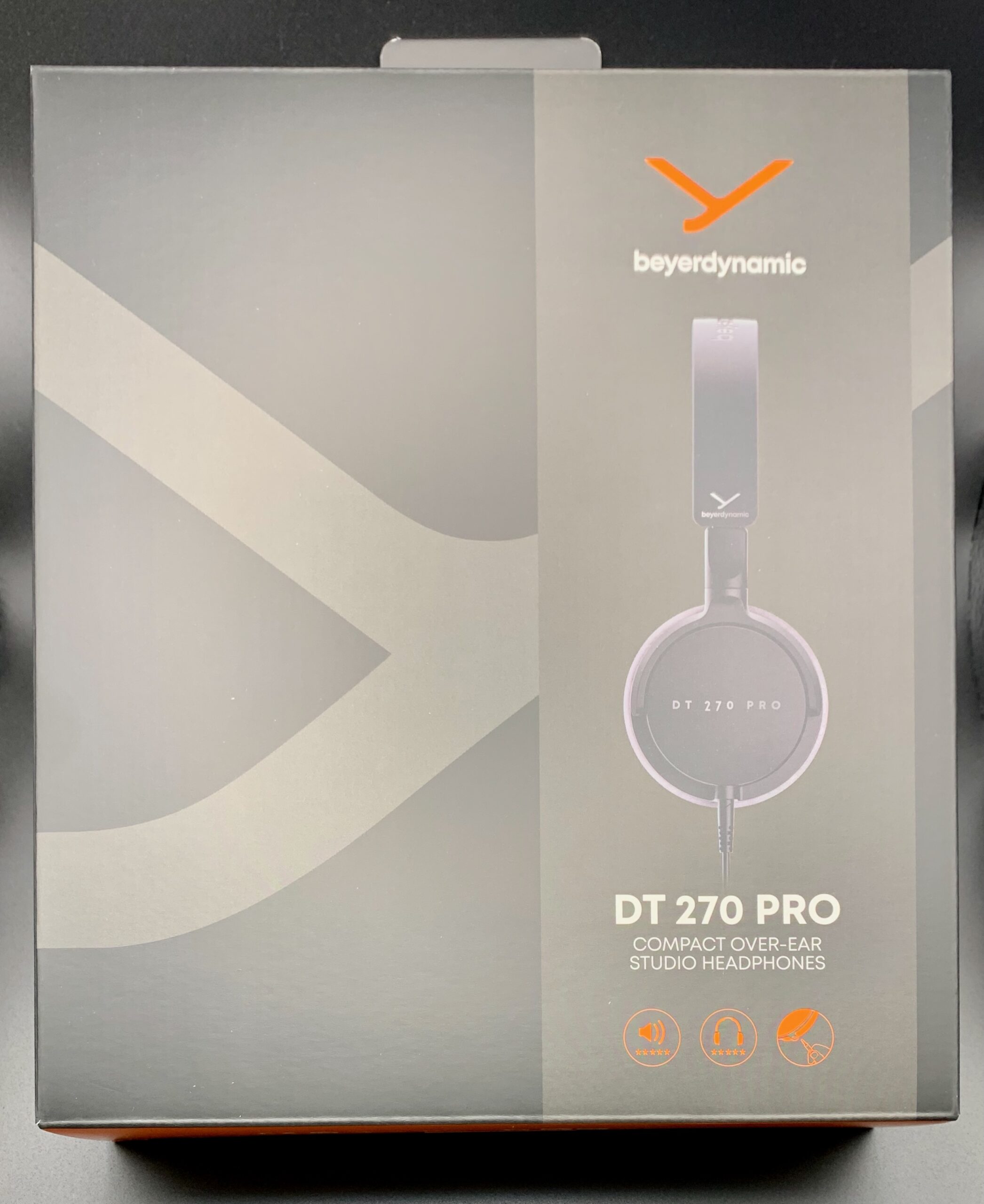

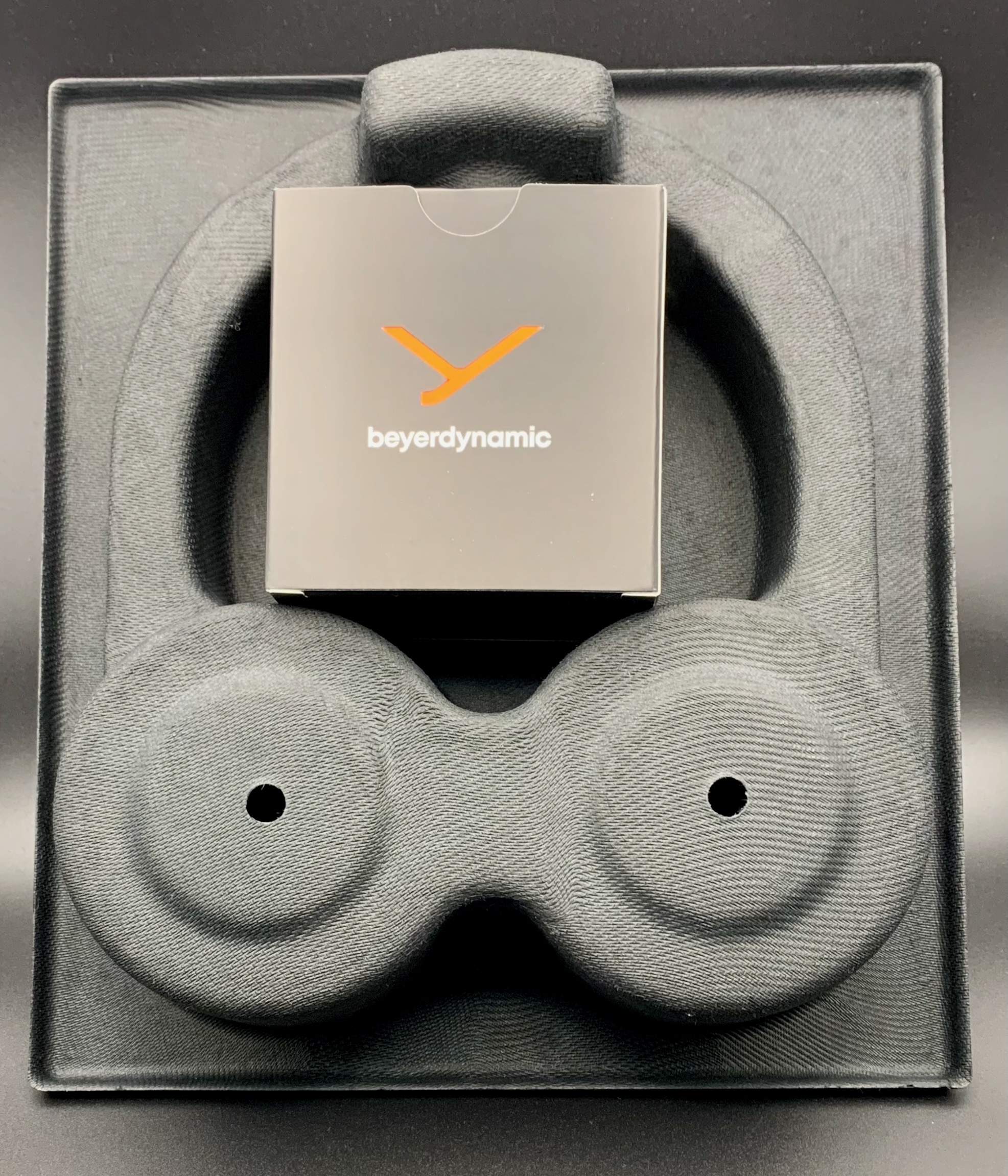
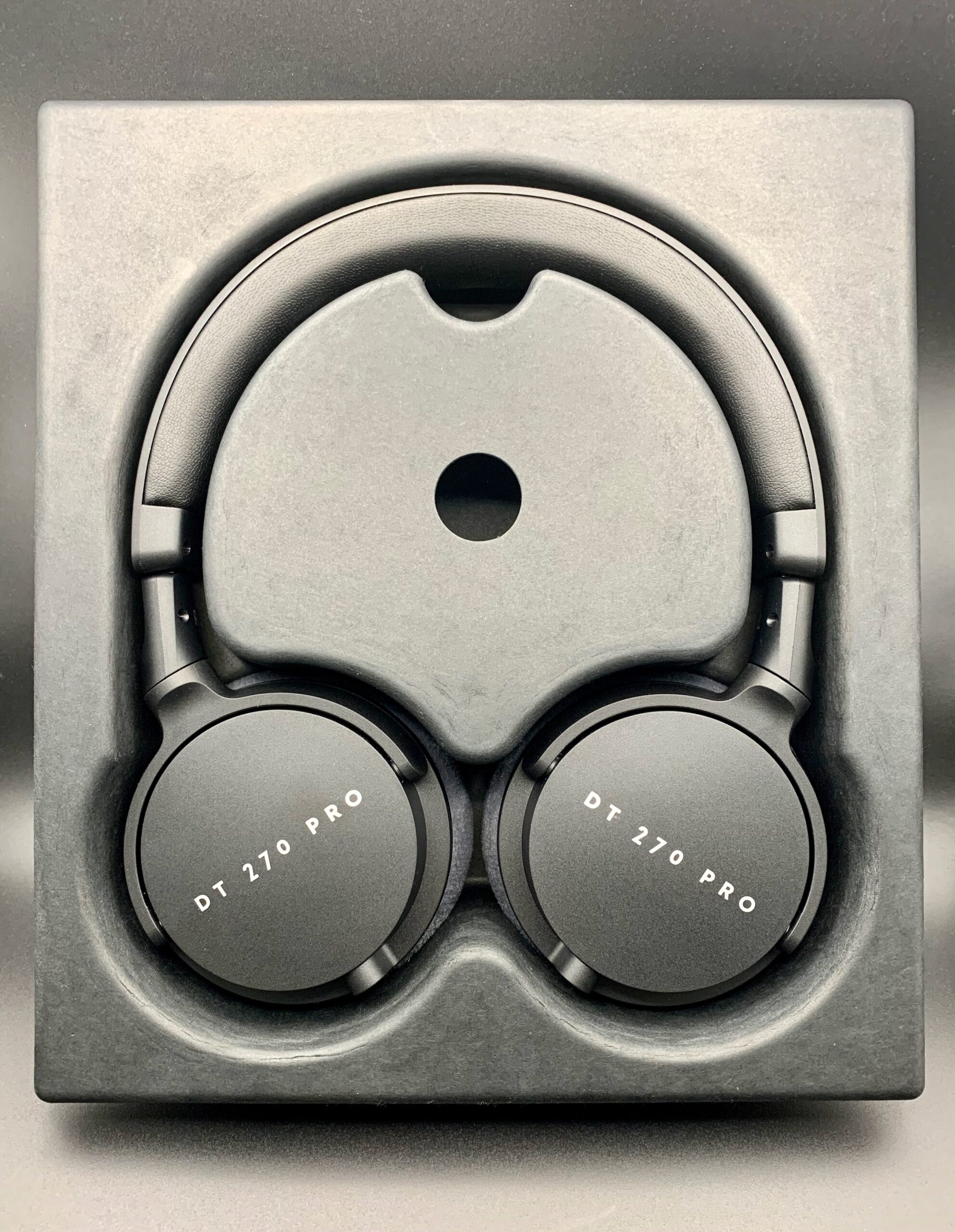
Build and Materials
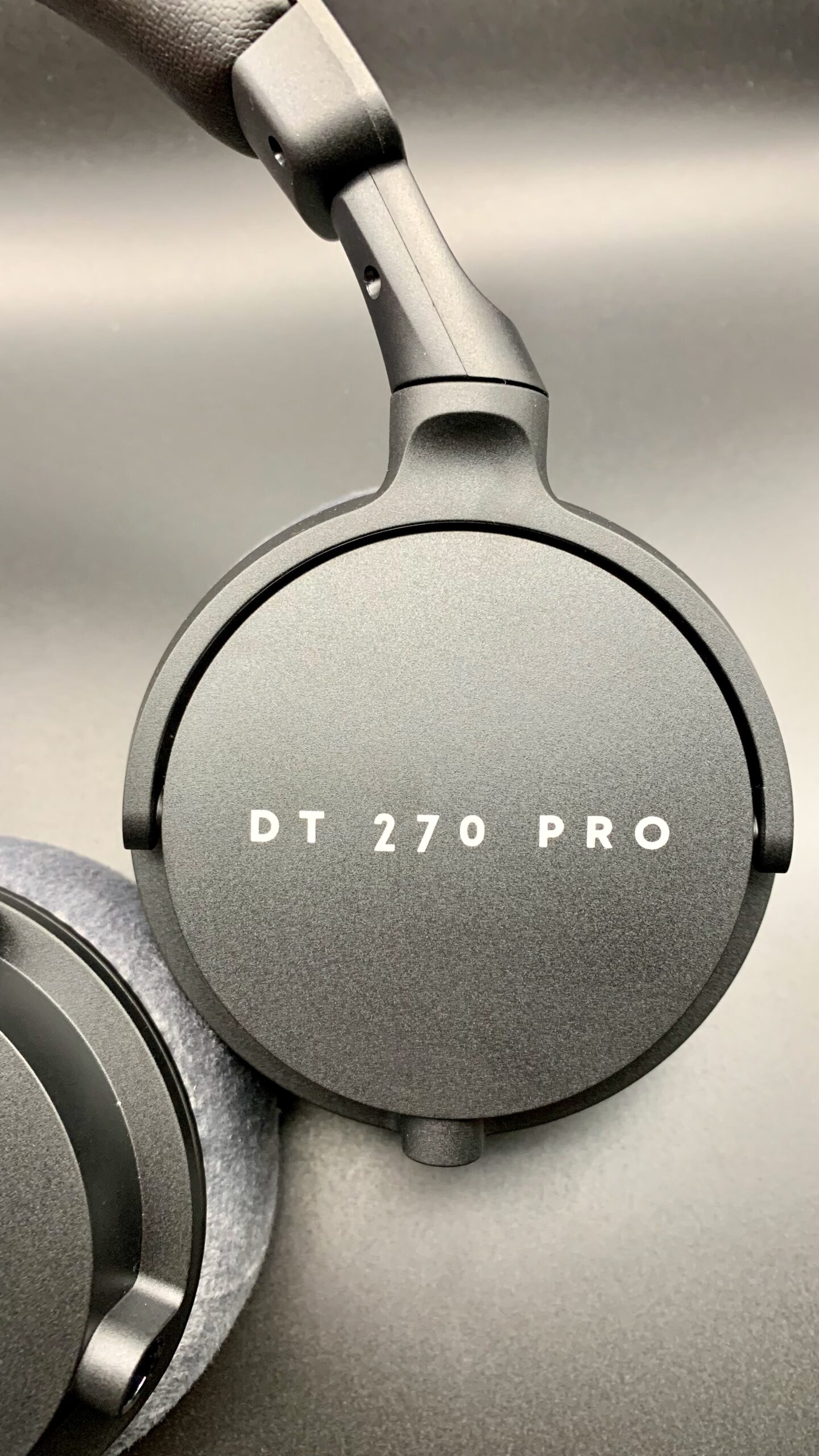
From a design perspective these are Beyerdynamic through and through. Clean, functional, no unnecessary decorations, everything focused on practicality.
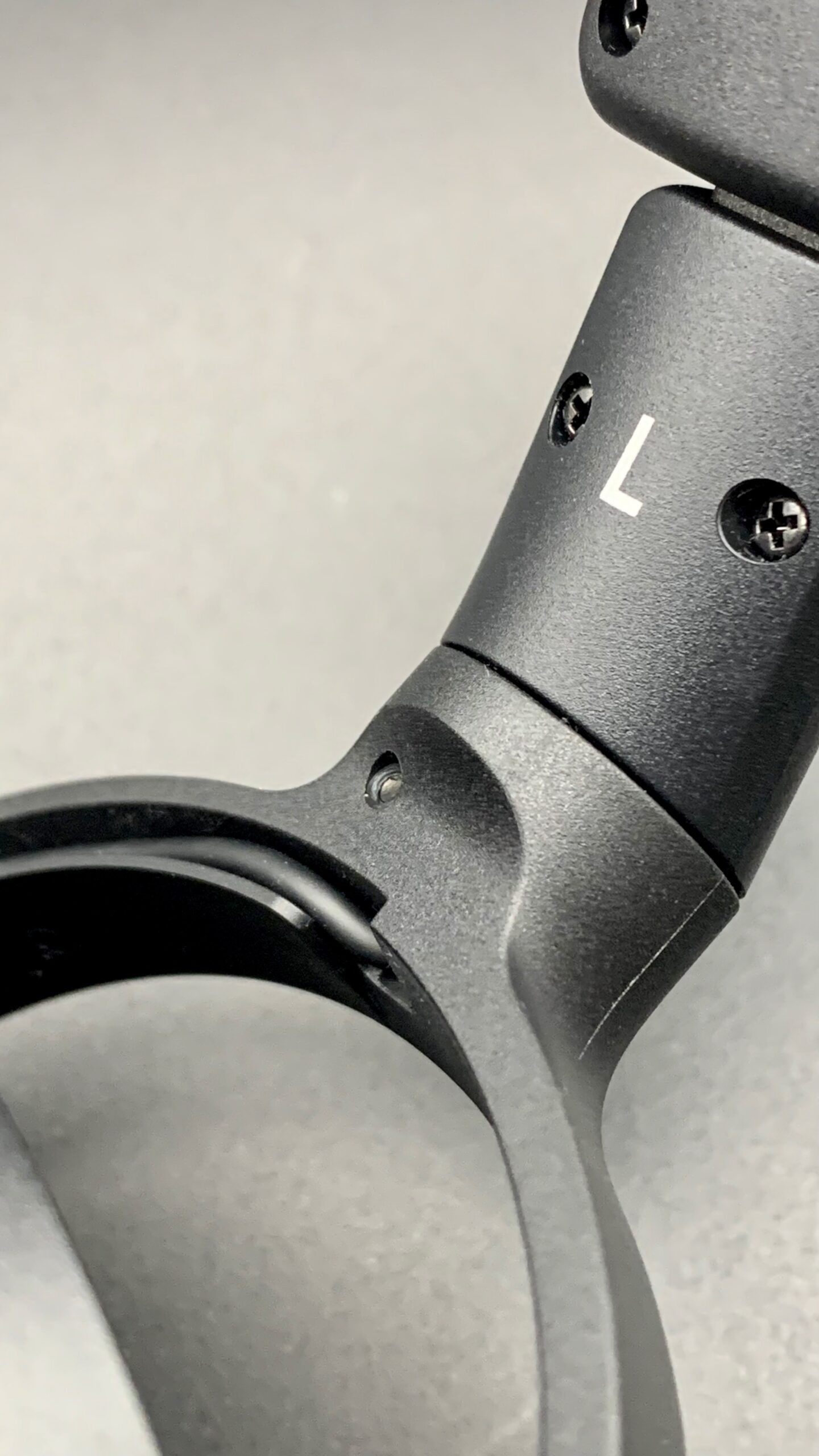
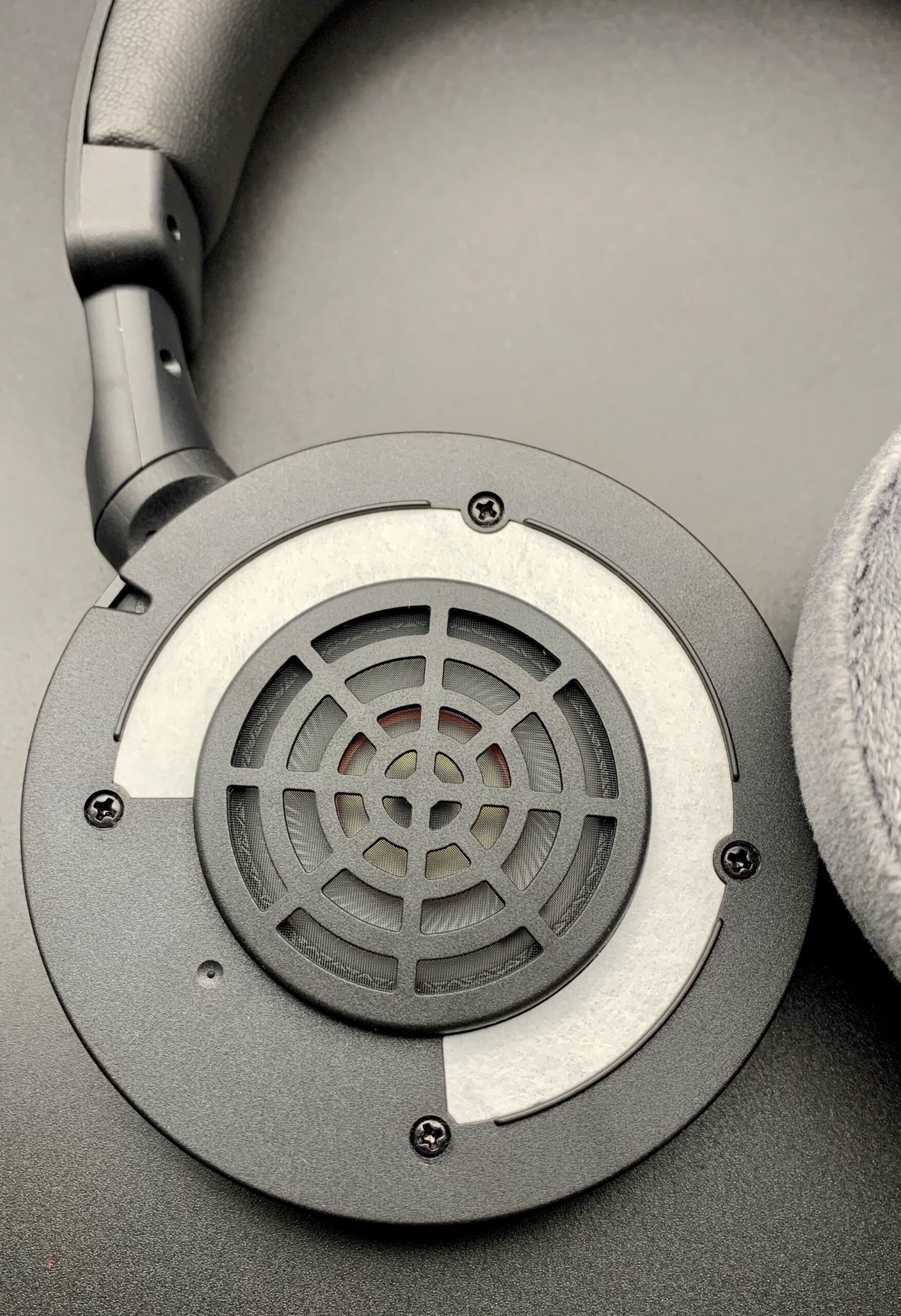
The structure feels solid. The headphones use quality plastics with reinforced sections and an internal spring steel headband. The result is a very good balance between durability and weight.
They do not give the typical “tank” feeling of heavy studio headphones. Instead they feel better suited to everyday use where the listening environment can change, not just sitting still in front of an audio interface.
Headband and Ear Pads
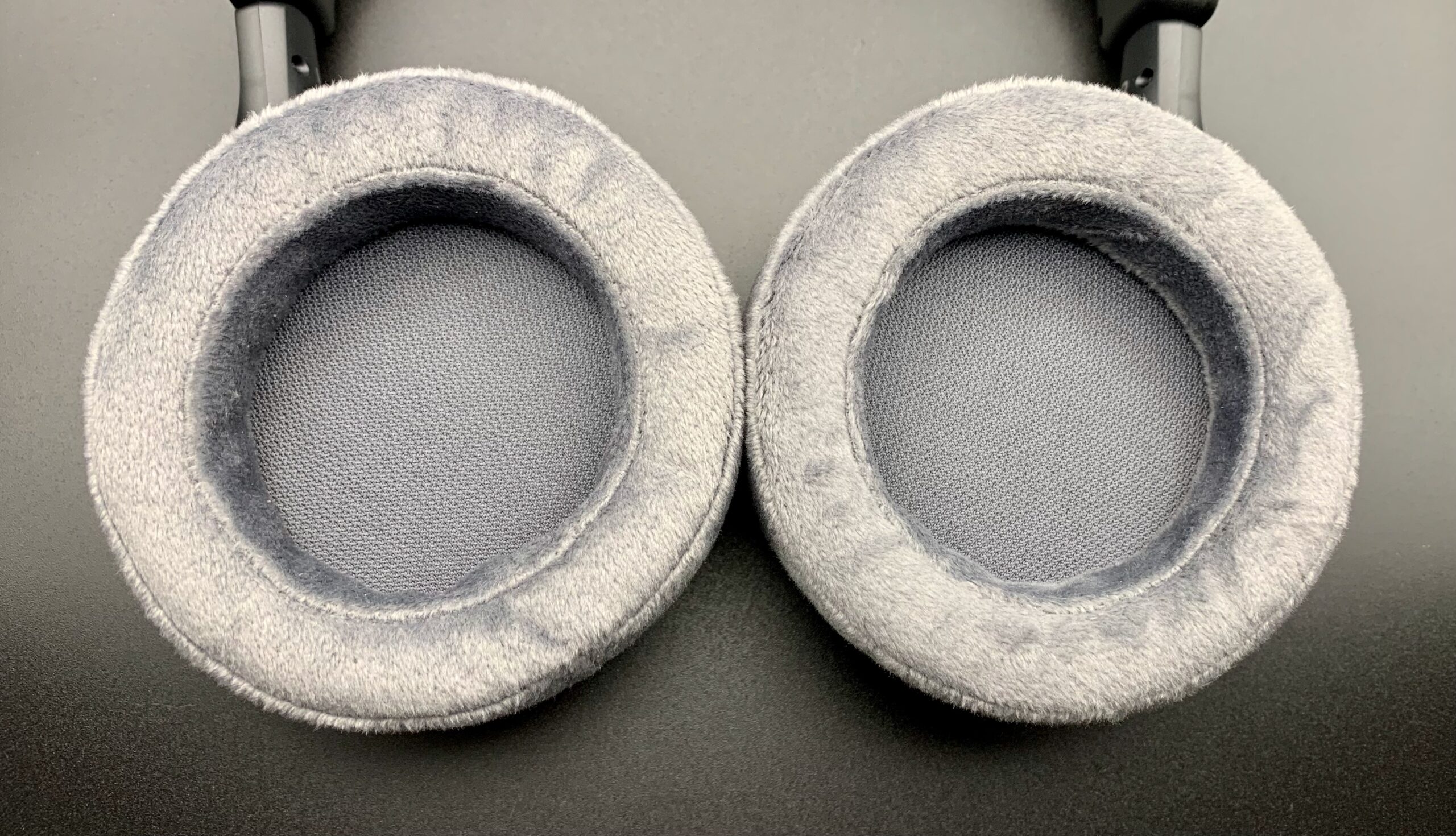
The headband features soft padding and a flexible structure that remains comfortable even after several hours. The soft velour ear pads replace easily without tools, a detail many headphones at this price level simply do not offer. They also help keep the listening experience comfortable during longer sessions.
Cable and Portability
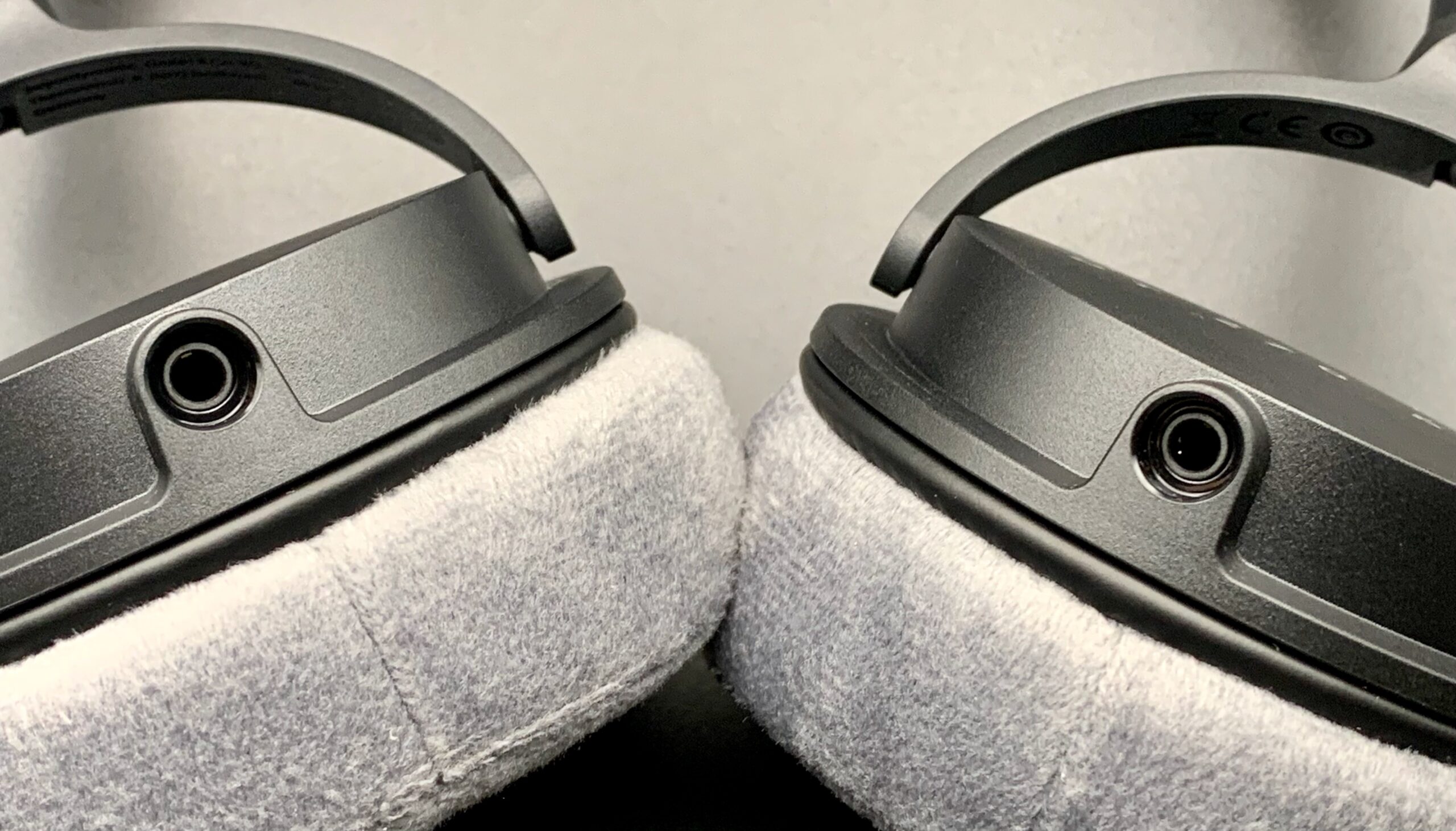
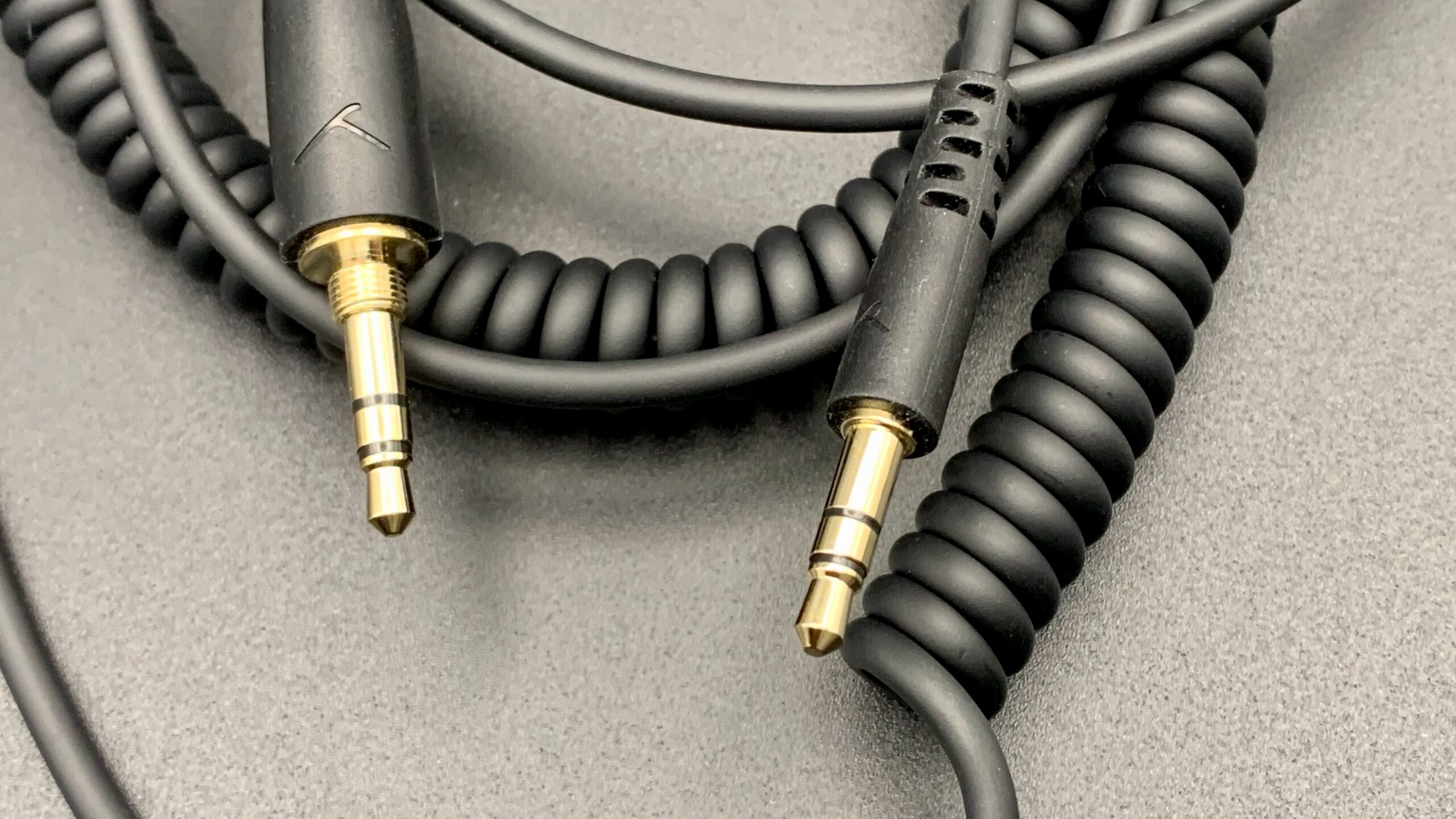
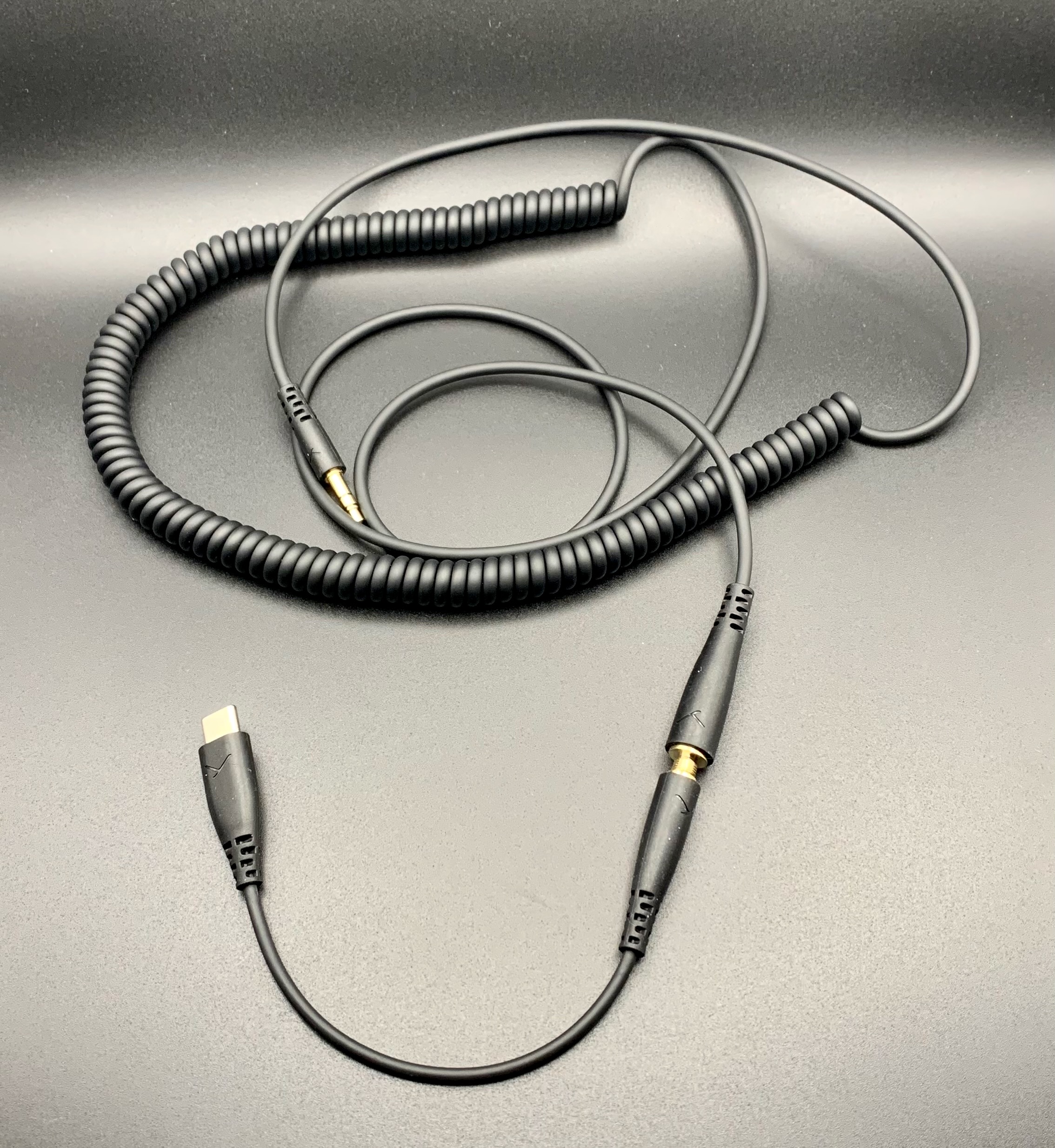
The removable cable is a smart choice, but there is more. It can be connected either on the left or on the right side depending on how the desk or equipment is arranged. This may sound like a small thing, but in real use it makes a difference.
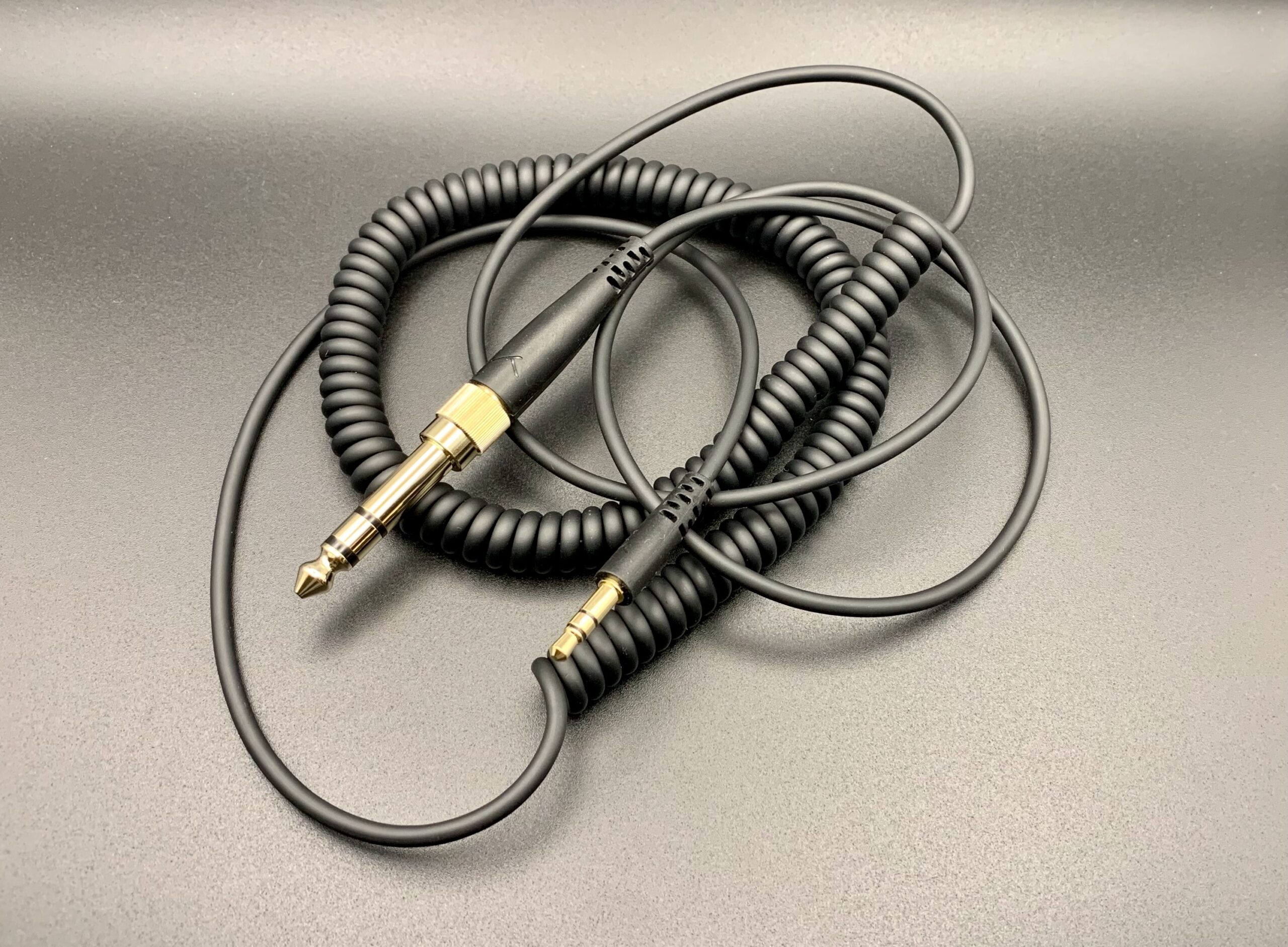
The cable follows a two section design, straight at the beginning and at the end, with a coiled section in the middle. This keeps the cable compact during normal use, while the coiled section can extend for greater freedom of movement.
The earcups rotate to reduce the footprint when the headphones are stored. They are foldable and compact, noticeably more portable than the classic Beyerdynamic DT 770 PRO or other larger studio models.
The overall feeling is positive. They feel durable and clearly prioritize portability instead of the traditional heavy studio headphone that simply sits on a stand.
Overall, both the tactile impression and everyday usability feel above average for this price category. The design combines carefully selected materials, real modularity with replaceable pads, cable and headband components, and flexible connectivity options. Everything feels purposeful, without unnecessary extravagance but also without obvious compromises.


Comfort
They are light, just under 200 grams, so they rarely feel heavy on the head. From this perspective Beyerdynamic did a very good job.
As soon as they are worn, however, one thing is immediately noticeable. The clamp is firm. Not uncomfortable in an absolute sense, but clearly present. Out of the box they press a bit more than expected. With time and regular use the structure will likely loosen slightly, which often happens with this type of headband design, but during the first sessions the lateral pressure is noticeable.
The upside is isolation. The seal is quite good, so the clamp actually helps in that regard. Still, if someone is particularly sensitive to side pressure, the first listening sessions may not go unnoticed.
This is where a somewhat “superhuman” condition comes into play. The ears are on the larger side, and the lobes extend slightly beyond the inner edge of the pads. At first this is not really an issue, but after many hours it can become a small pressure point. That is obviously a very personal case, so listeners with more average sized ears will probably not experience this.
The velour pads are excellent. They were already appreciated on the 900 PRO X and the same applies here. The material quality is very good, the touch is pleasant, soft but not overly compressible, and they breathe well enough to avoid excessive heat during longer listening sessions.
Overall, for casual listening and home hi fi use, comfort is more than adequate. They do not disappear on the head like an open headphone such as the 900 PRO X, which you can almost forget about after ten minutes, but they remain perfectly usable for long sessions, especially once the initial clamp begins to relax.
Commented Specifications
First, a small note that helps frame the technical side without drowning in random numbers. Specifications are useful, but what really matters is how they translate into real world use.
The Beyerdynamic DT 270 PRO are closed back headphones built around a dynamic driver. The design philosophy aims to cover multiple roles, from casual hi-fi listening to content creation and light production work, while keeping them easy to drive and flexible in terms of connectivity.
They are not pure smartphone headphones, but they are not demanding either. There is no need for a dedicated amplification station just to make them come alive.
Because of that, this short specification overview helps place the DT 270 PRO in context and gives a clearer idea of what to expect before actually putting them on and letting the music do the talking.
Specifications
| Item | Value and Practical Notes |
| Driver | Dynamic, closed back design aimed at balancing detail and musicality rather than extreme coloration |
| Wearing Style | Circumaural over-ear design with naturally good isolation |
| Nominal Impedance | 45 Ω |
| Frequency Response | 5 Hz – 24 kHz |
| SPL / Sensitivity | ~96 dB / 109 dB |
| Weight (without cable) | ~194 g |
| Cable | Removable cable with straight sections and central coiled part, can be connected on either the left or right side depending on setup |
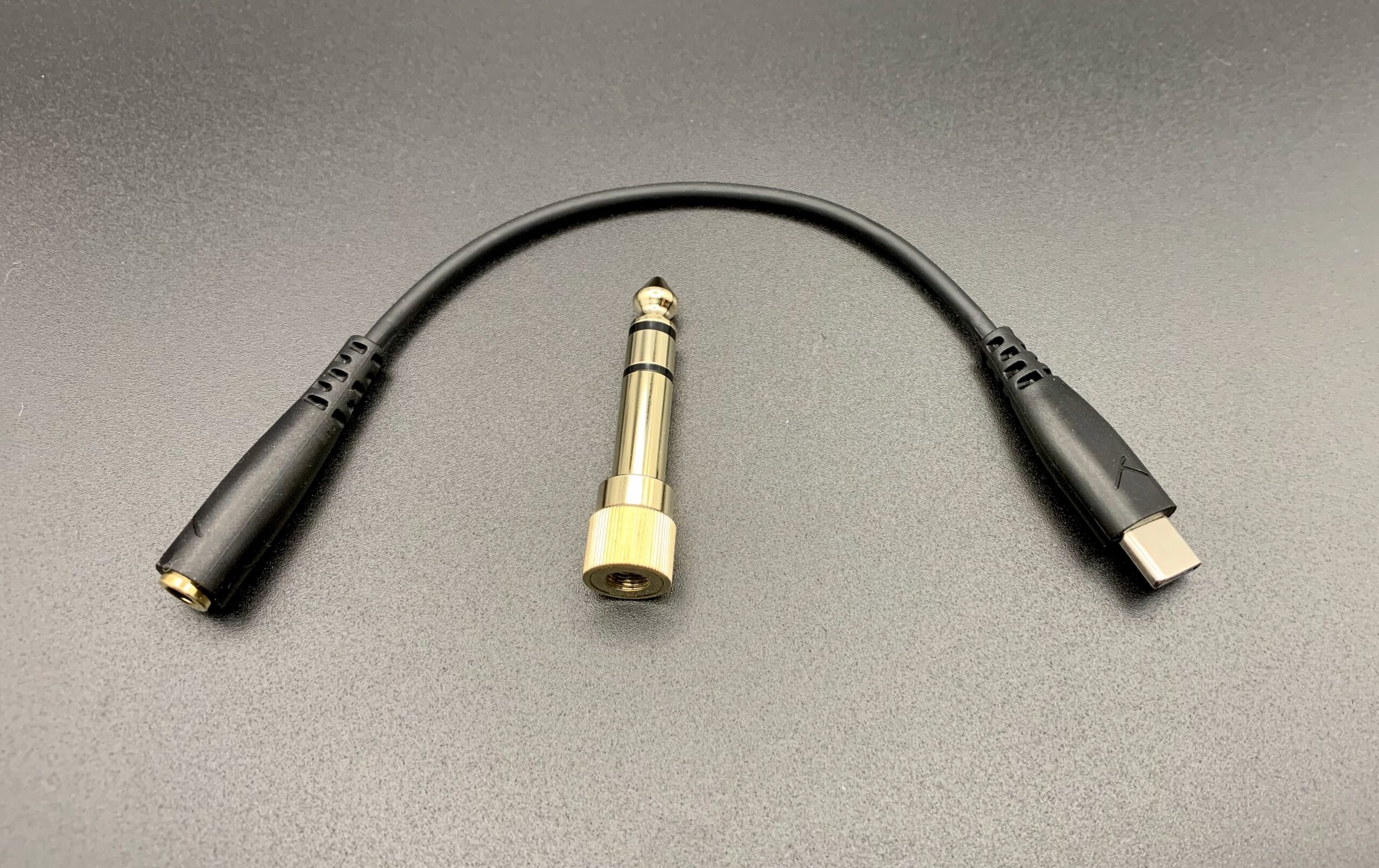
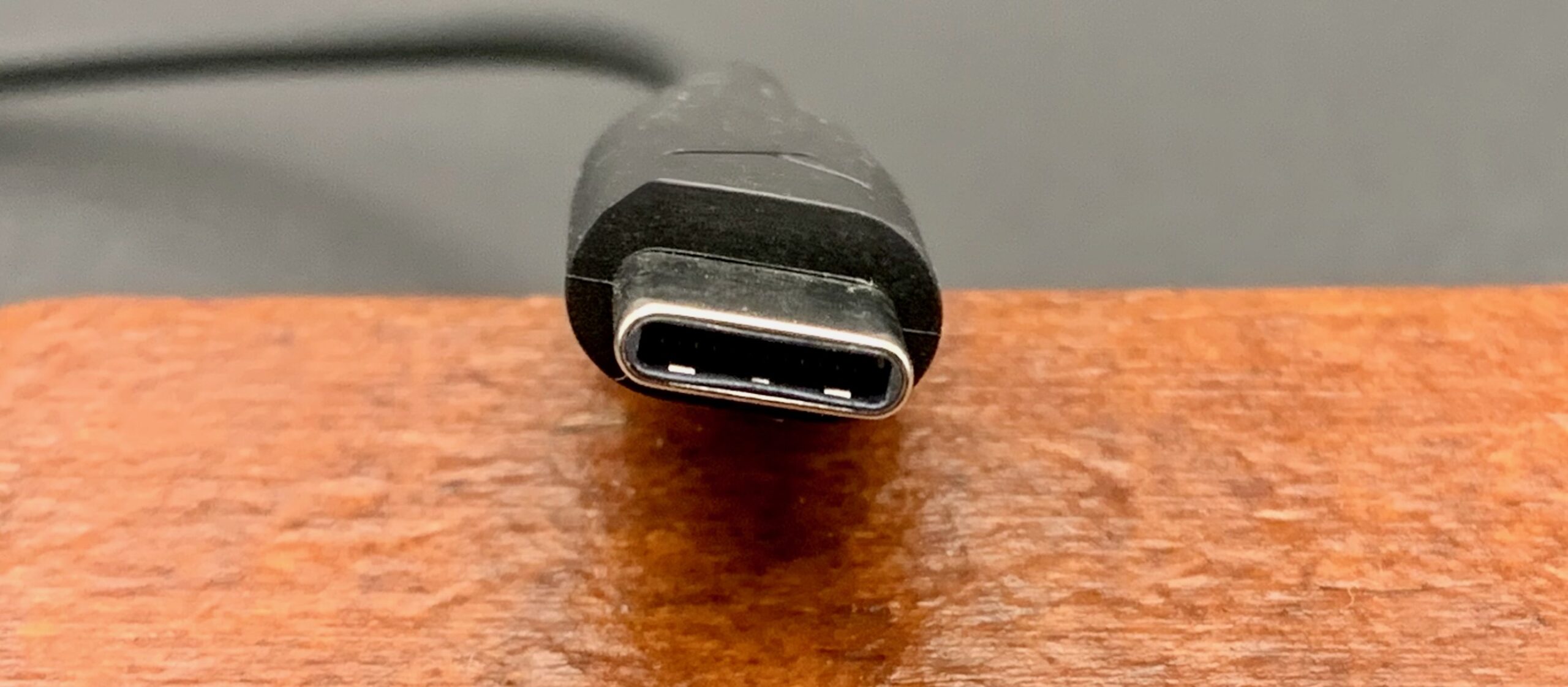
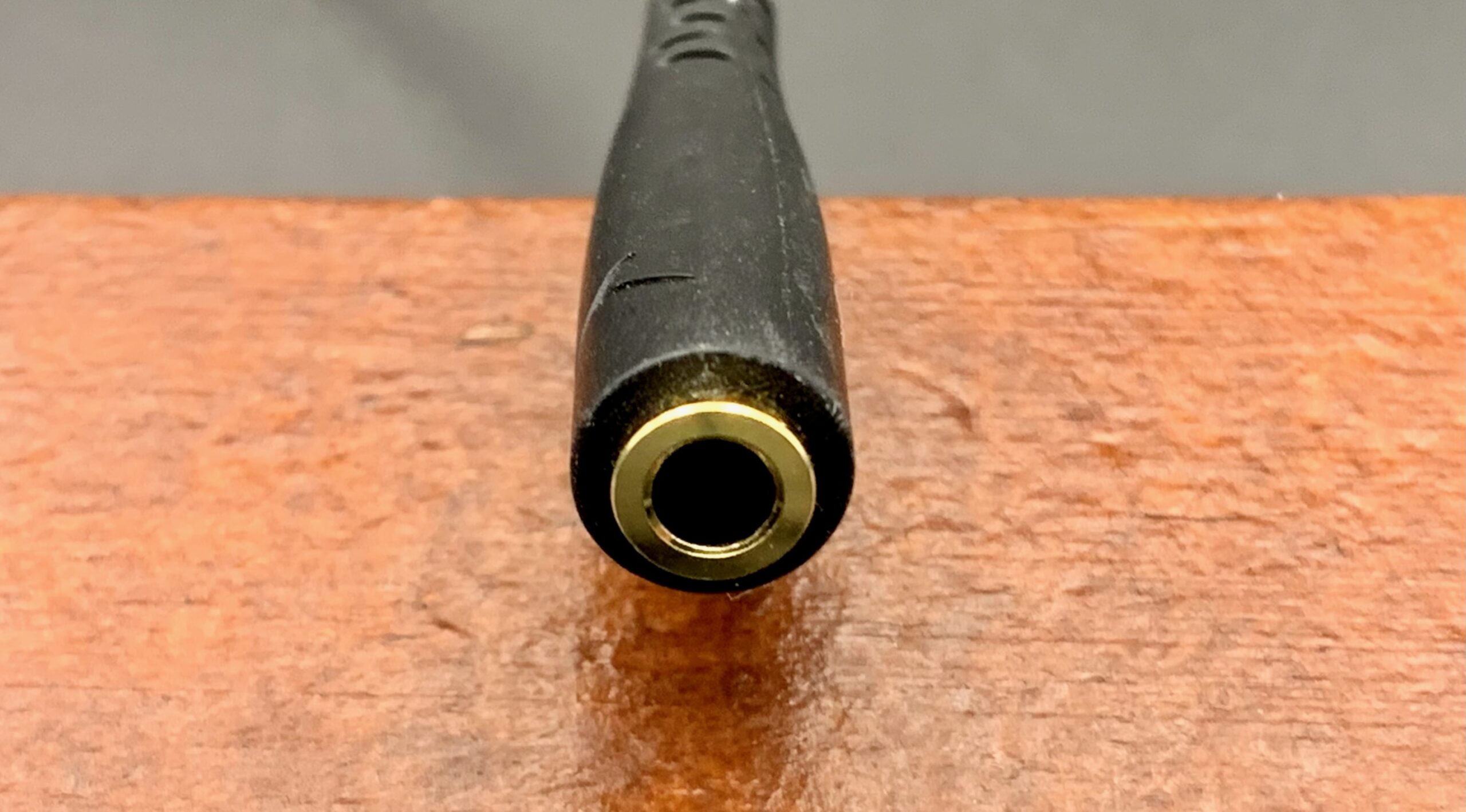
| Connectivity | 3.5 mm jack with 6.35 mm adapter, USB C adapter included |
| Headband Pressure | Moderate, designed to balance isolation and comfort |
This headphone is easy to drive with moderate sources and does not require the kind of power typically needed for 250 Ω studio models. It is not the classic perfectly neutral mastering headphone, but the tuning maintains a balance between musicality and detail without artificially limiting the frequency extremes. As a result, detail and dynamics remain clearly present even with good consumer sources.
The wide frequency response is not just a number on a specification sheet. In practical terms, balanced tuning allows the headphone to deliver deep bass without smearing and airy treble without becoming sharp or fatiguing.
The cable design is also a thoughtful touch. With its central coiled section and straight ends it provides extra length only when needed. The ability to connect the cable on either the left or the right side may seem like a small detail, but in real use it can significantly improve practicality depending on the listening setup, whether at a desk, on a sofa, or while working with instruments or other equipment.
In simple terms, these specifications are not sterile numbers. They describe a clear design intention: a closed back headphone that is easy to drive, comfortable and versatile, built for mixed use and capable of performing well not only with audio interfaces or dedicated dongles, but also with good quality consumer sources.

Sound Analysis
Before talking about bass, mids and treble, one thing must be clear. The DT 270 PRO does not follow the philosophy of a romantic hi-fi headphone and does not try to impress with special effects. Beyerdynamic designed it as a reliable tool: closed back, compact, with a presentation that remains coherent and easy to read.
Beyerdynamic did not aim for a spectacular sound here. The goal was control.
Closed back, 45 Ohm, easy to drive, and clearly intended for people who record, produce content or work in environments that are not perfectly silent. That leads to a very precise set of priorities: isolation, presence and intelligibility.
On paper, the kind of sound this design should deliver can be summarized quite simply.
Intended Tuning Philosophy
- Balanced
- Clear
- Good vocal intelligibility
- Bass with presence but without excess
- Treble that remains defined but less aggressive than the old Beyer tradition
This headphone does not aim to create a massive headstage or a holographic listening experience. Instead, it works as a closed back tool that presents music in a credible, concrete and easy to read way.
That said, when it moves into casual listening and home hi fi use, the situation changes slightly.
Because in that context accuracy alone is not enough. Engagement also becomes important.
And that is where the real question appears: How much of its monitor character has it kept, and how much has it become musical?
Now it is time to move into the details.
Bass
The bass response of the DT 270 PRO has generated quite a bit of discussion.
Some listeners say that this is finally a closed back Beyer with real body, not just precision in the treble. Others argue that it can be slightly generous in the low end, less neutral than the PRO name might suggest.
After several hours of listening the impression becomes fairly clear.
The bass is very good.
It is deep, present and solid. It reaches low, but it is not loose and it does not linger excessively. At the same time it is not ultra tight in the way some extremely dry studio monitors can be. It remains controlled, but with just enough elasticity to feel more musical.
Double bass in jazz, kick drums in rock, electric bass with articulated lines, timpani in classical recordings all come through clearly. In fact the tuning gives them a slight emphasis compared to absolute neutrality, but in a way that remains coherent with the overall philosophy of the headphone.
What stands out most is the level of detail.
When several instruments operate in similar frequency ranges, the separation is still there. It remains clear and precise. The bass does not smear into the rest of the mix and it does not create that thick and indistinct mass that sometimes accompanies closed back designs with strong low end presence.
This point is important because many online comments suggested a bass that would be more about effect than control. In practice the control is there.
Bass Character
Now for the more honest part.
The bass can occasionally feel slightly dominant. Not excessive, not exaggerated, but clearly noticeable. In some situations it faintly recalls the kind of tuning sometimes found in V shaped IEMs, although that comparison should not go too far. There is no deep scoop in the mids and no exaggerated extremes. The bass simply takes a slightly more prominent role.
The real question was always this: is it controlled enough to avoid polluting the midrange?
The answer is yes.
Even with its presence and body, it does not swallow the vocal range. It does not darken the mids and it does not cover them. It remains under control while still making its presence known.
If it had to be summarized in a single sentence, it would sound like this.
Bass with character. Not the sterile kind designed for laboratory neutrality, but not the exaggerated style of a consumer tuning either. It sits somewhere between the two, leaning slightly toward listening enjoyment.
Midrange
The midrange is the real test for this headphone.
Online it is often described as clean, clear and easy to read, fairly forward but without aggression. Not recessed, not nasal, and not overly colored. The general idea is that of a controlled and professional midrange.
The impression here is slightly different, or perhaps simply more nuanced.
The mids are good, but they are not the stars of the show.
They sit slightly behind the spotlight. Not muted, but polite. They do not jump forward or try to dominate the presentation. They are there, they work well, but they stay one step back, almost waiting for the right moment to come forward.
This appears to be a deliberate balance choice. With a present low end and good extension on top, the tuning keeps the midrange from moving too aggressively forward. The result is a very composed presentation.
Midrange in Different Genres
With jazz the effect is quite pleasant. The mids remain relaxed, never becoming sharp or intrusive. Male vocals sound natural, female voices never shout. The double bass maintains its foundation underneath, but the vocal line is never buried. The overall balance feels calm and controlled.
With rock something interesting happens. Aggressive electric guitars are slightly softened. Listeners used to headphones that place the guitar right in front of the face may find this presentation more restrained. The guitars do not bite as hard, but the benefit is a more controlled and less fatiguing listening experience.
Classical music is where the balance becomes more delicate. In some passages the mids may feel slightly lacking in presence, especially when the composition does not rely on strong low frequency support. However, when the arrangement becomes lighter, strings and wind instruments remain well defined, with a clean and orderly presentation.
In complete honesty, part of this impression may also depend on listening habits. Listeners used to headphones that place the midrange firmly in the foreground, often open designs or very neutral tunings, usually expect greater presence and micro detail.
The DT 270 PRO follows a different philosophy. It is not designed to highlight the midrange in a surgical way, but to keep it coherent within a balanced whole.
In short, this is not a spectacular midrange.
It is an intelligent one.
It stays in its place, it does not invade the rest of the spectrum, it never becomes fatiguing, but it is also not the kind of presentation that immediately makes you say wow on the first listen.
Treble
Treble has always been a delicate subject when talking about Beyerdynamic.
Online many listeners express a certain sense of relief. The classic piercing peak that appeared in some older models is not really present here. That razor like edge that could sometimes feel almost surgical is largely absent. The highs are often described as more controlled, more mature and less extreme.
The impression here is slightly more nuanced.
There is still some emphasis toward the extremes, much like what happens in the low end. This is not a perfectly flat headphone. The tuning shows a mild V shaped tendency, very moderate but clearly perceptible. The treble is present, airy, almost shimmering. There is light and openness to it.
Extreme micro detail is not the goal here. It is important to remain realistic. This is a dynamic driver that has to handle the entire frequency spectrum. It is neither a multi driver IEM with several balanced armatures dedicated to the highs nor a planar design that relies on sheer speed. Expecting that level of microscopic detail would simply be outside the scope of the design.
For what it is, and for the price range it sits in, the result is commendable.
The treble is well structured and orderly. It never feels chaotic or disorganized.
Source Dependency
Can it sound sharp at times?
That depends heavily on the source.
With a very analytical and transparent source the highs become more explicit. They open up, line up clearly and reveal a large amount of detail. In that case they may appear more prominent than some listeners expect from a closed back headphone in this category.
With a more musical source, perhaps slightly warmer or softer in presentation, the coherence remains but the overall balance becomes more harmonious. The highs integrate better with the rest of the spectrum and feel more musical, less strictly monitor oriented.
Aggressive genres require some caution. Fast electronic music, intense heavy metal, or heavily compressed modern productions can push the treble further into the spotlight.
In those situations the DT 270 PRO can be more revealing than expected. If the recording itself is harsh, the headphone will not completely soften it.
In short, this is not a soft and velvety treble typical of romantic sounding headphones.
It is a present, airy and orderly treble that reacts strongly to the upstream chain.
Within the overall tuning it contributes to that slightly refined V shaped balance, making the headphone more engaging than the PRO label might suggest, without drifting into an overtly consumer style sound.
Soundstage and Imaging
Being a compact closed back headphone, expecting the width and openness of an open design like the DT 900 PRO X would simply be unfair.
The stage is more contained and more intimate, but it never feels artificial. It never gives the impression of sound trapped inside a box. It is more like taking the soundstage of a larger headphone and zooming in by about twenty percent. Everything feels slightly closer, yet the proportions remain correct.
All instruments are clearly audible and remain in their proper place. There is no confusing overlap and no element invading the space of another. Each sound occupies its own precise portion of the stage.
The sense of air between instruments is surprisingly good for a closed back headphone in this price category. It does not create the dense wall of sound that can sometimes characterize cheaper closed designs. Lateral distribution is orderly, and depth is believable, even if it is not particularly large.
Soundstage and Imaging
Imaging is distinctly professional.
Positioning is stable, focus is accurate, and there is no ambiguity in where elements sit in the mix. If a cymbal sits slightly back on the left side, it stays there. If a guitar appears slightly forward on the right, the placement is clear and coherent.
This is not a cinematic headphone and it does not create a monumental stage.
Instead it organizes space in a serious, clean and professional way, simply on a slightly reduced scale while maintaining coherence.
And for a compact closed back headphone priced just above one hundred dollars, that is far from trivial.
Blues Rock

Dancing in the Kitchen – Matthew Curry
From One for the Ride
This is a blues rooted rock track that relies on a solid rhythm section and electric guitars that stay lively without becoming excessive. It is a good piece for understanding the real balance of the DT 270 PRO.
As soon as the track begins the bass makes its presence known. It is noticeable, almost approaching the point of dominance, but it never becomes uncontrolled. It is not extreme and it is not bloated, yet it clearly occupies a significant portion of the space. The kick drum carries weight, the groove remains clear, and the rhythm delivers real impact. It does not muddy the midrange, but it certainly claims an important role in the presentation.
The drum kit remains compact. The snare has attack without becoming sharp, and the electric bass provides enough body to support the track with steady energy.
The guitars come across as very musical. They are not aggressive and they never shout. There is presence, harmonics remain clear, and the tonal coherence is good. They do not bite as strongly as they would on headphones with a more forward midrange, but that also makes the listening experience smoother and less fatiguing.
Matthew Curry’s voice sits slightly behind the spotlight, which is consistent with the overall character of the headphone. It is not the absolute focal point, but it remains centered and intelligible. It does not sound out of place and it is never masked, it simply does not dominate the mix.
In the treble the typical brightness of the DT 270 PRO becomes noticeable. Cymbals feel airy and there is good extension, but without excess when the source remains balanced.
The stage is compact but orderly. The band appears positioned clearly in front of the listener, with each element remaining in its proper place and without overlap.
In this track the DT 270 PRO shows its character quite clearly.
Bass that is present and confident, musical guitars, a vocal that sits slightly behind but remains coherent, and energy that is well distributed across the spectrum.
The result is engaging rather than surgical, which is probably exactly the kind of presentation many listeners will appreciate with a piece like this.

Rock
Medley: When I Was Young / War Child – The Eric Burdon Band
From Sun Secrets / Stop
This is not a “clean” track. It is atmosphere, tension, pure seventies energy, with a production that feels saturated, rough and intentionally raw. It is exactly the kind of piece where a headphone must prove its ability to convey character without turning everything into confusion.
The introduction is crucial. There is that suspended, almost smoky air, with instruments slowly emerging from silence. Here the DT 270 PRO creates a compact and intimate atmosphere, almost like a dark club environment. The stage does not expand outward, it concentrates the sound instead. The effect feels intimate and slightly dark, perfectly consistent with the spirit of the recording.
Then the drums hit, and the character of the headphone immediately becomes clear.
The kick drum has weight, perhaps slightly more present than strict neutrality would suggest, but it works. It is not loose and it does not smear. It feels full and solid. The cymbals enter with that slightly dark touch that this track demands. They are not artificially bright. Instead they carry a certain rough texture that reflects both the era and the production style.
When the track fully opens up in typical Eric Burdon fashion, the arrangement becomes more complex. Guitars with exaggerated echoes, long reverbs and resonances chasing each other across the mix. Here the DT 270 PRO shows two important qualities.
First, it keeps things organized. Even in the densest passages the layers remain readable. The reverb tails do not collapse into chaos.
Second, it does not overly soften the recording. If the guitar is dirty, it remains dirty. If a cymbal vibrates with a certain vintage aggression, it comes through clearly. There is no romantic filtering, but also no unnecessary harshness.
Burdon’s voice carries that familiar rough and theatrical texture. Through the DT 270 PRO it sits slightly further back compared to headphones with a stronger midrange focus, yet it retains body and intelligibility. It never becomes thin or faded.
This medley is a rock classic precisely because of its constant tension between controlled chaos and theatrical expression. The DT 270 PRO presents it with an interesting balance. The bass provides structure, the treble remains airy without excessive shine, and the mids stay composed, supporting the mix rather than shouting over it.
The result is not spectacular in a modern sense. Instead it is coherent and textured, allowing the track to keep its unmistakable seventies character without turning into a blurred mess.
Jazz / African Jazz

Bad Spirits (Bani) – Dee Dee Bridgewater
From Red Earth
This is the kind of track that can easily expose a headphone with poorly controlled bass.
The foundation is heavy, the low end carries most of the weight, and if the presentation lacks control the whole mix can turn into a muddy mess within seconds.
With the DT 270 PRO the risk is noticeable, because the headphone itself already has a fairly present low end. Yet this is where the positive side of the design appears.
The bass line is full, physical and substantial. It occupies space, but it remains readable. It never turns into an indistinct mass. The texture is still perceptible, the rhythm stays solid, and most importantly it does not cover the rest of the mix.
The most important element here is the voice.
Dee Dee Bridgewater needs to sit clearly in front. Her voice has to feel material, alive and intense. Through the DT 270 PRO it remains well present, centered and never overwhelmed by the bass. It is not pushed aggressively forward, but it carries authority and body. It never disappears into the groove, which is essential for a track like this.
The guitar is also clearly present and well balanced. It never becomes extreme or sharp, yet it remains easy to follow within the mix with a natural and coherent texture. It does not get lost in the rhythmic foundation and keeps its identity.
The percussion is where the headphone really shows its precision. Each element is well defined and positioned laterally with accuracy. Imaging works very well here. The percussive elements appear clearly on the sides with good separation and without confusion.
The stage remains compact rather than expansive, but it is orderly. And with a track this rhythmic and layered, order matters more than width.
If the bass had been less controlled the entire track would have collapsed into itself. Instead the DT 270 PRO manages to keep the low end energetic while preserving clarity.
This is one of those pieces where the headphone reveals both character and discipline.
And with a groove this deep, that is exactly what is needed.
Comparison with Beyerdynamic DT 900 PRO X

When the DT 900 PRO X is placed next to the DT 270 PRO, it immediately becomes clear that the difference is not simply about one being better than the other. They are oriented toward different purposes.
The 900 PRO X is an open back headphone designed to breathe. The soundstage is wide, there is air between instruments, and the sense of space is something the 270 PRO simply cannot replicate because of its closed design. This is not a small detail. As soon as the volume rises the stage begins to open up and expand instead of feeling compressed around the head.
The 270 PRO feels more contained, but not cramped. It is as if the 900 PRO X opens a large room while the 270 PRO keeps the same scene closer and more intimate, without crowding anything. Instruments remain orderly on both headphones, but with the 900 PRO X it becomes easier to understand how far apart elements are and to perceive space as something truly three dimensional. With the 270 PRO the stage is still organized, but it feels more fixed and more front oriented.
From a tonal perspective the 900 PRO X leans more toward neutrality and accuracy. When listening to a mix the frequencies feel flatter in a professional sense. The midrange is more present without needing compensation, and the treble appears more refined and detailed because it does not have to work against the natural isolation of a closed design. The 270 PRO instead offers slightly more bass energy and body, which makes it more engaging for casual listening, though also less strict compared to the reference like linearity of the 900 PRO X.
In the midrange the 900 PRO X tends to feel more forward and immediate, while the 270 PRO remains more polite and less dominant. At times this makes the 270 PRO feel as if it is observing the center of the mix from slightly to the side, while the 900 PRO X places the listener almost inside the stage with voices more illuminated and clearly present.
Treble on the 900 PRO X also feels more refined and richer in micro detail. This is not because it is exaggerated, but because the open design allows high frequencies to expand naturally into space. The 270 PRO handles treble well with no harshness and no extreme peaks, yet the presentation remains a bit more contained. It is coherent and pleasant, but it does not reveal fine details with quite the same ease.
In practical terms the difference can be summarized quite simply.
If the goal is to breathe the music, understand spatial depth and perceive the distance between instruments, the 900 PRO X clearly belongs to another category. It creates a sense of stage that the 270 PRO cannot reproduce because it was designed for different priorities such as isolation, immediacy and practicality.
If instead the goal is direct engagement, stronger bass presence, isolation and a headphone that adapts easily to less than ideal listening environments, the 270 PRO becomes the more practical choice.
The difference is not really about level, but about presentation.
With the 900 PRO X the sensation is of listening inside the music with more space around it. With the 270 PRO the music feels closer, more material and more immediate.
In one sentence.
The 900 PRO X opens the stage. The 270 PRO places the music directly in your hands.
Comparison with HIFIMAN HE400se
Here the difference begins with the philosophy even before the sound.
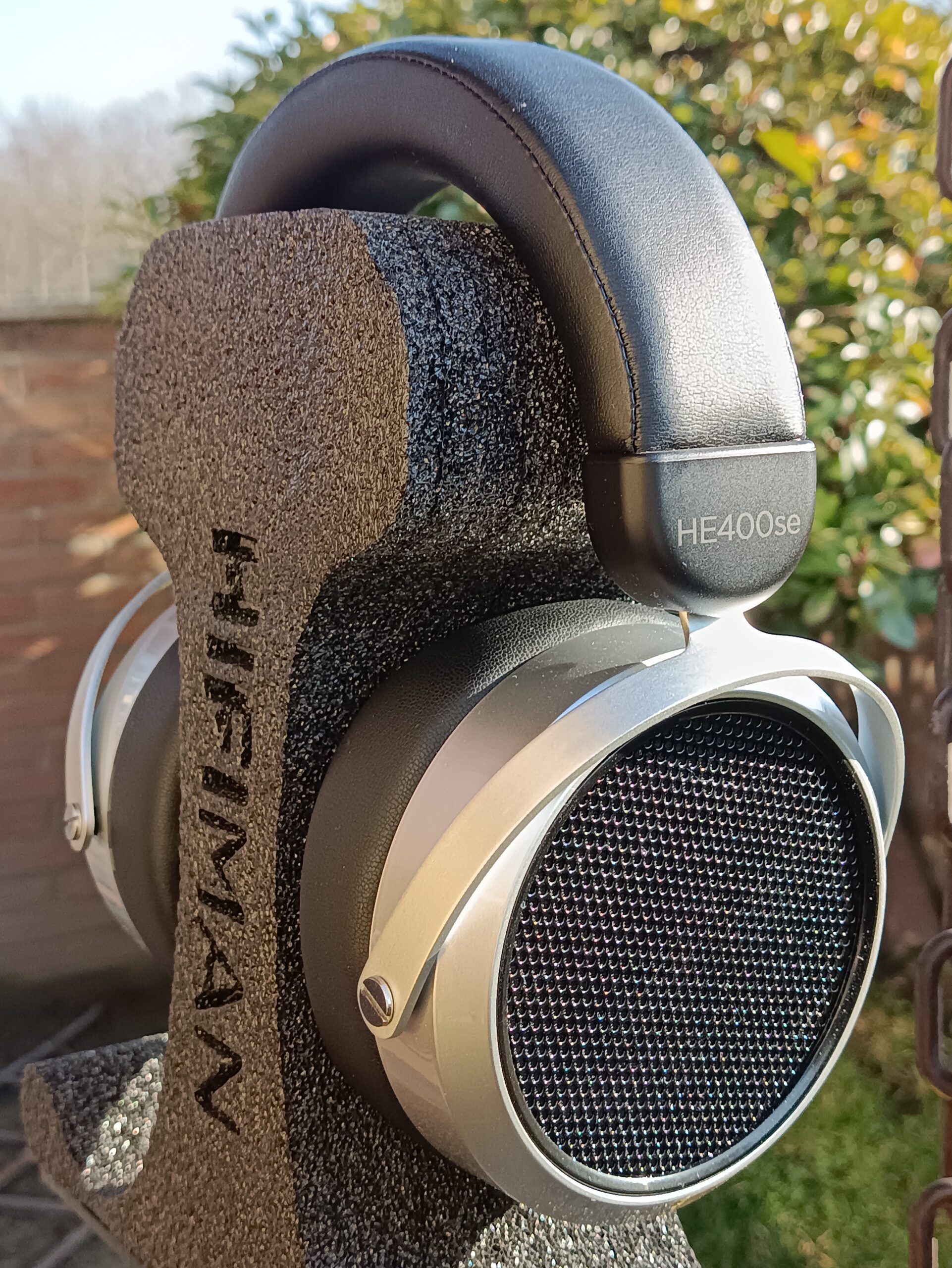
The HE400se is an open back planar headphone, which already gives it two structural advantages: more air and a more natural distribution of sound. The stage feels wider, more breathable and less compressed. The DT 270 PRO, on the other hand, is closed back, more compact and more concentrated. It is not even trying to compete on the same terrain.
In the low end the difference is clear, although not extreme. The planar presentation is more linear and more even, less oriented toward punch. It does not hit you, it describes the bass. The DT 270 PRO offers more physical impact and a stronger immediate presence. It is not less controlled, but it feels more engaging.
In the midrange the HE400se appears more neutral and more open, with a general sense of greater naturalness. The DT 270 PRO is slightly more composed, more polite and less exposed. It does not do anything wrong, but it does not step forward either.
In the treble the planar driver shows a higher level of finesse in micro detail. The difference is not dramatic, but it is noticeable. The texture of the finest harmonics feels slightly richer and more refined.
The DT 270 PRO remains coherent and airy, but it does not reach the same microscopic texture in the upper harmonics. In exchange it delivers a stronger emotional engagement. Less analysis, more sense of reality. It does not make you say “I hear everything”. Instead it makes you think “I am listening to something alive”.
The planar tends to describe detail more precisely.
The 270 PRO tends to deliver energy more convincingly.
In the end the choice depends on what is being sought in that moment. Surgical precision or emotional involvement.
This is not really a matter of better or worse.
The HE400se is more analytical, more spacious and more suited to focused listening.
The 270 PRO is more concrete, more immediate, more versatile and easier to integrate into everyday life.
If the goal is quiet listening with maximum air and naturalness, the planar design makes perfect sense.
If isolation, stronger body and a presentation that works well in more situations are priorities, the 270 PRO becomes the more practical option.
Two different schools of thought, both valid, simply with different priorities.


Conclusions
The DT 270 PRO sits in a very intelligent middle ground.
It is not extreme, and it is not a headphone designed to impress in the first minute. At the same time it is not flat or sterile.
It is simply good. Not exceptional, and that deserves to be said clearly. It is not the revelation of the year and it does not rewrite the rules of the game. But it costs just a little over 100 USD, and that changes the entire perspective.
In complete honesty, it performs better than several well known products that cost more and still struggle to reach the same overall coherence. That is a personal opinion, but one formed after hours of listening rather than the excitement of an unboxing moment.
These are versatile headphones.
They are everyday headphones.
They do not demand perfect conditions, they do not require absolute silence, and they do not force the listener into a complicated audio chain.
The price is fair, and the performance gives back more than expected.
Long Term Usability
The build quality is solid and purposeful, clearly designed to last. This is where another factor becomes important. Beyerdynamic is not a company that releases a new model every month and then abandons the previous one. It is a brand known for maintaining support, spare parts and long term continuity.
Ten years from now there is a very good chance that replacement pads, cables and components will still be available. And the headphones will probably still be playing music.
From a sonic perspective the tuning is slightly bright, yes. There is enough depth and there is body without becoming invasive. These are not extreme headphones. They are balanced headphones with a small touch of character at the frequency extremes.
They are headphones built to listen to music.
Period.
usic. Period.
Not to collect specifications.
Not to chase graphs or build endless comparison charts.
They are meant to experience music.
On the move, at home, at work.
Every day.
And sometimes that is the hardest result to achieve.

VOTE
8,1 / 10
🟢 Pros
- Solid build quality
- High quality velour pads
- Removable cable usable on either side, USB-C adapter included
- Foldable and compact structure
- Good isolation
- Deep and controlled bass
- Good instrument separation
- Precise imaging
- Easy to drive
- Excellent price to performance ratio
- Spare parts and long term support availability
🔴 Cons
- Clamp pressure initially quite firm
- More compact soundstage compared to open back designs
- Midrange slightly recessed
- Treble micro detail not reference level
- Can sound bright with analytical sources
Q&A
Are they suitable for pure hi-fi listening?
Yes, especially if engagement and versatility are more important than absolute neutrality.
Are they neutral?
Fairly close, but with a slight emphasis on the extremes. They are not designed for surgical mastering.
Is the bass too present?
No. It is deep and slightly emphasized, but it remains controlled and does not muddy the mix.
Are the mids recessed?
Slightly, yes. They are not hollowed out, just polite and not overly forward.
Are the highs sharp?
It depends on the source. With analytical sources they can sound brighter, while with more musical sources they remain balanced.
Do they require powerful amplification?
No. A good quality dongle is more than enough. With better amplification they gain some additional control.
Are they comfortable for long sessions?
Yes, although the initial clamp pressure can be noticeable, especially for listeners with larger ears.
Do they isolate well?
Yes. For a compact closed back design the isolation is more than adequate.
Are they better than more expensive headphones?
In some cases yes. They offer more overall coherence than certain well known models in a similar or slightly higher price range.
Will they last over time?
Yes. Solid materials, replaceable components and long term brand support make a real difference.
Acknowledgements and Personal Note
The Beyerdynamic DT 270 PRO was not provided for review by anyone. My son wanted it, so I bought it, and before handing it over I followed my usual process: listening carefully and spending time with it.
There are no agreements, no restrictions and no prior approvals involved.
Everything written here comes exclusively from direct personal experience.
I carried out the listening sessions calmly with familiar tracks, alternating between rock, jazz and classical music, in different environments and with different sources, some more analytical and some more musical. The goal was not only to understand how the headphone sounds, but also how it behaves in real everyday situations.
What has been written reflects exactly what was heard, both the strengths and the aspects that work a little less well.
In the end one thing always remains true.
Music is the final judge.
This review simply shares the experience.
Now it is up to your ears.
Availability
The Beyerdynamic DT 270 PRO are widely available through several official channels.
They can be purchased directly from the official Beyerdynamic website, which always guarantees original products and full manufacturer support.
They are also available through the official Italian Beyerdynamic retailer, Leading Technologies, a good option for local support, warranty management and easier logistics for buyers in Italy.
For those who prefer faster shipping or already use large marketplaces, the DT 270 PRO can also be found on Amazon, where availability and pricing may vary depending on the seller and current stock.




No Comment! Be the first one.