




























Disclaimer:
Welcome, MBA Readers! We finally have the brand new TWS from Creative. The Creative Aurvana Ace 3 TWS is a sort of updated model of the excellent Ace 2. We finally have the new model with all the new features that were missing in the previous ones. The main feature remains the xMEMS driver, which I was 100% satisfied with, even in the first ones. The first ones had some gaps in terms of functionality that were strange to see on certain products. Fortunately, the new model has been improved.
Table Of Content
- Disclaimer
- Tech Specs
- Packaging
- Design/Build Quality
- Built-in Technology
- Mimi Sound Implementation
- Fit & Comfort
- Tips Rolling
- Functionality & Features
- Gestures for Calls & Music
- ANC & Ambient Mode
- Audio Codecs
- Equipment used for the testing
- Sound impressions
- Treble
- Mids
- Bass
- Soundstage & Imaging
- What could be improved?
- Comparison
- Conclusion
- More Information
I thank Creative for this opportunity. I’m very happy to hear and try a new model of a product I already love. This review will be as truthful and detailed as possible.
Tech Specs:
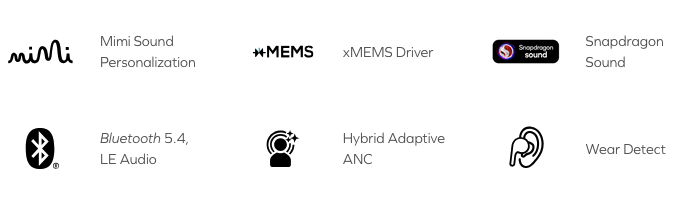
- Connectivity Bluetooth® 5.4
- Wireless Codecs AAC, SBC, LC3, AptX™ Adaptive, AptX™ Lossless, LDAC
- Operating Frequency 2402–2480 MHz
- Water Resistance (IP Rating) IPX5
- Microphone Sensitivity @ 1 kHz: – 42 dBV / Pa Type: Omni-directional MEMS x 3 (per earbud)
- Battery Life* Up to 26 hours of total playtime *Based on moderate volume level. Actual battery life will vary with usage settings and environmental conditions.
- Battery Type (Charging case) Rechargeable Lithium-ion Polymer Battery x 1 – 3.7V 470 mAh 1.74 Wh, (Per earbud) Rechargeable Lithium-ion Polymer Cell x 1 – 3.7V 52 mAh 0.193 Wh
- Weight (Per Earbud) 4.75g (0.17 oz), (Charging case) 43g (1.51 oz)
Packaging:
The packaging for the new Creative Aurvana Ace 3 TWS is almost identical to the previous one, very compact but more complete than the previous one, in my opinion.
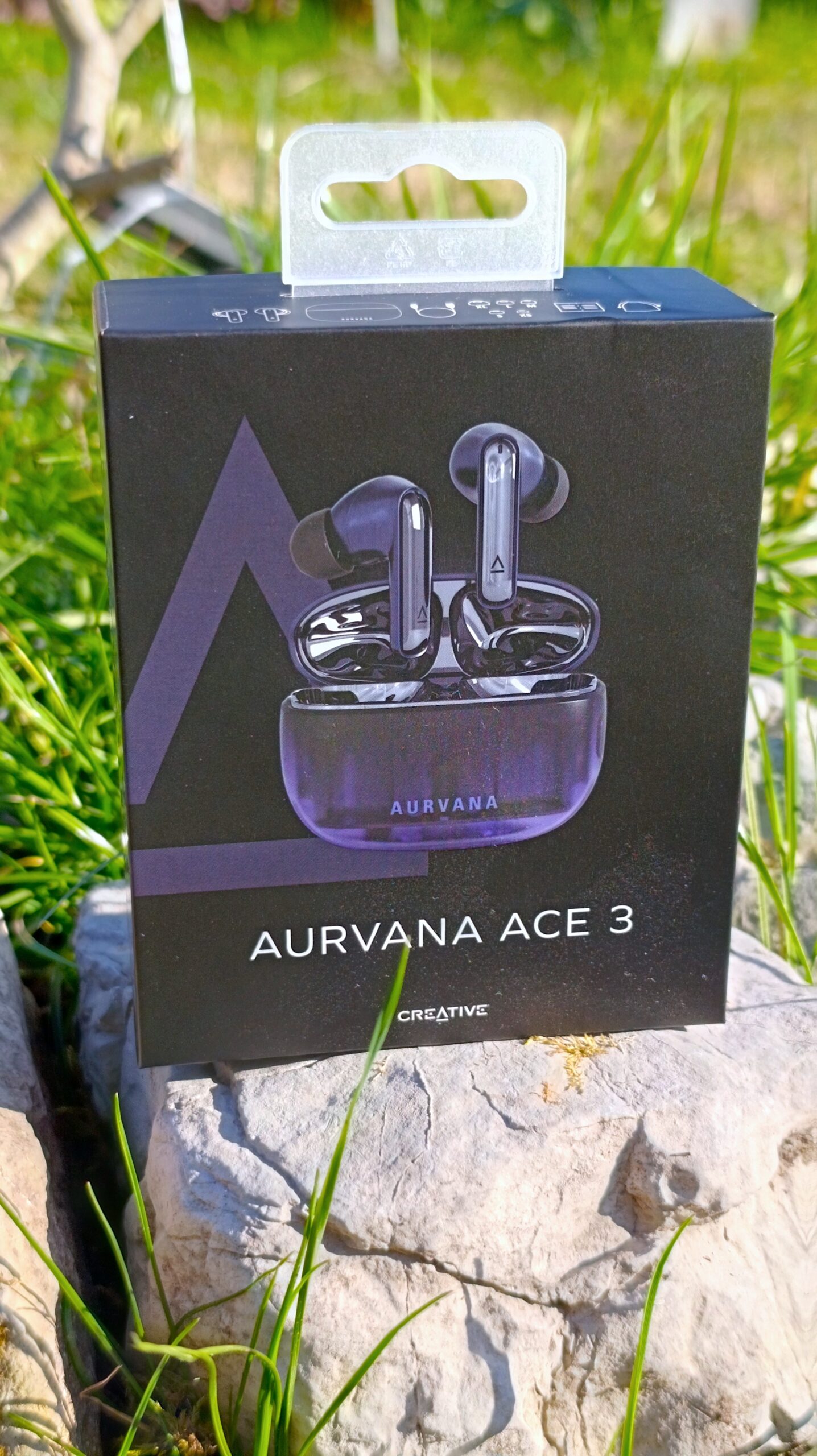
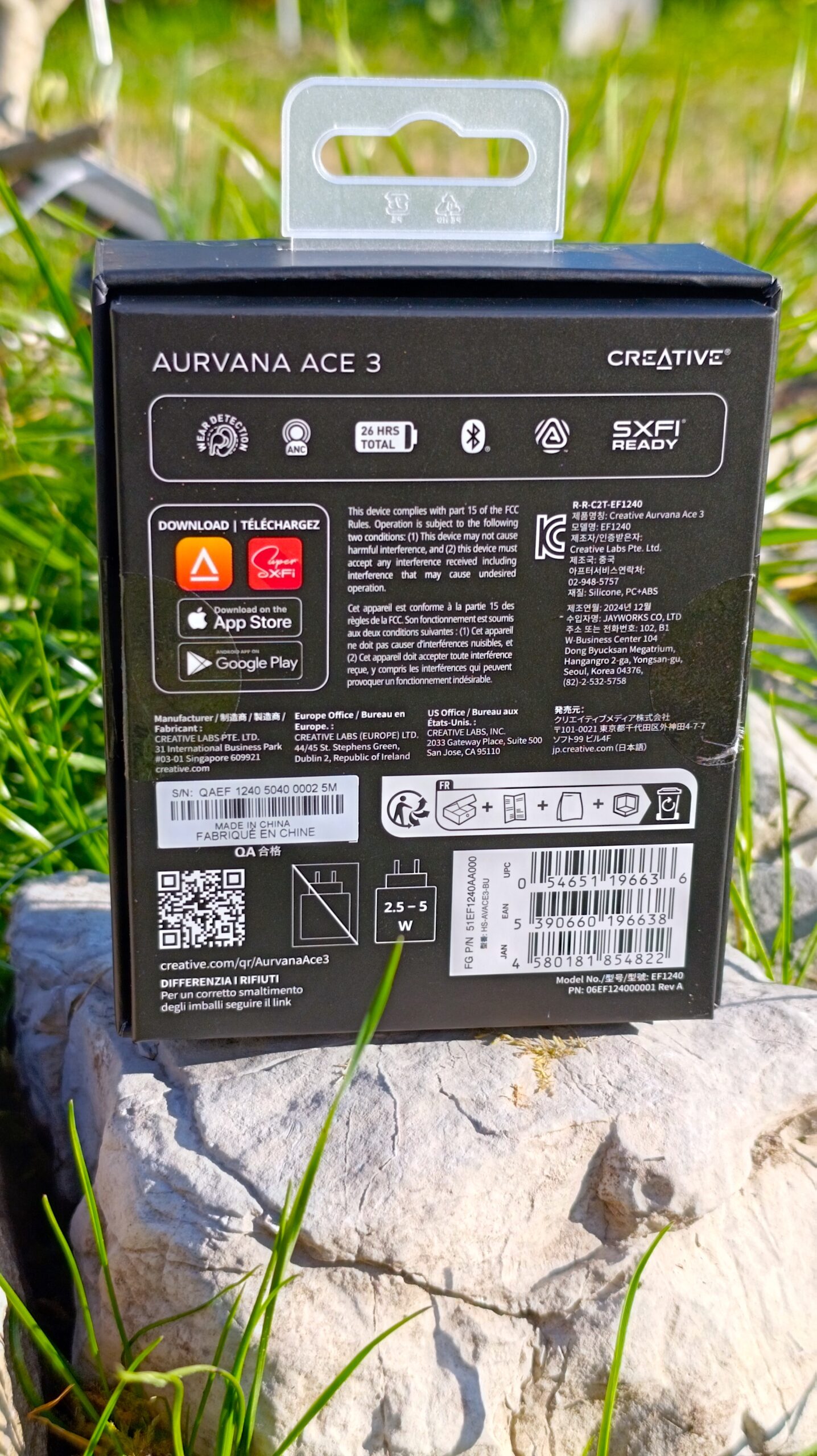
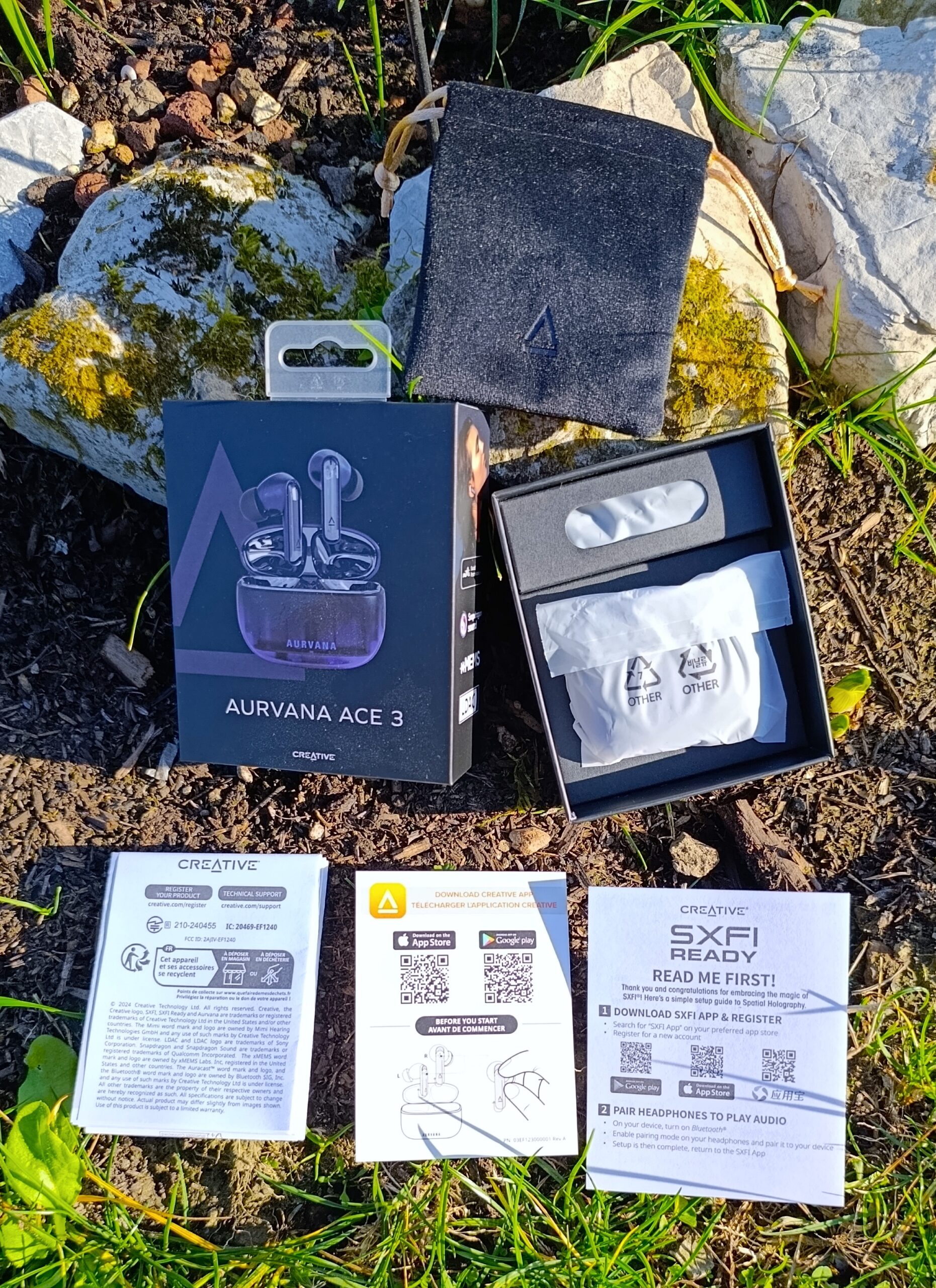
Inside, we find:
- Several manuals for all the features and technologies included
- Several pairs of EarTips
- Type-C charging cable
- A small carrying pouch
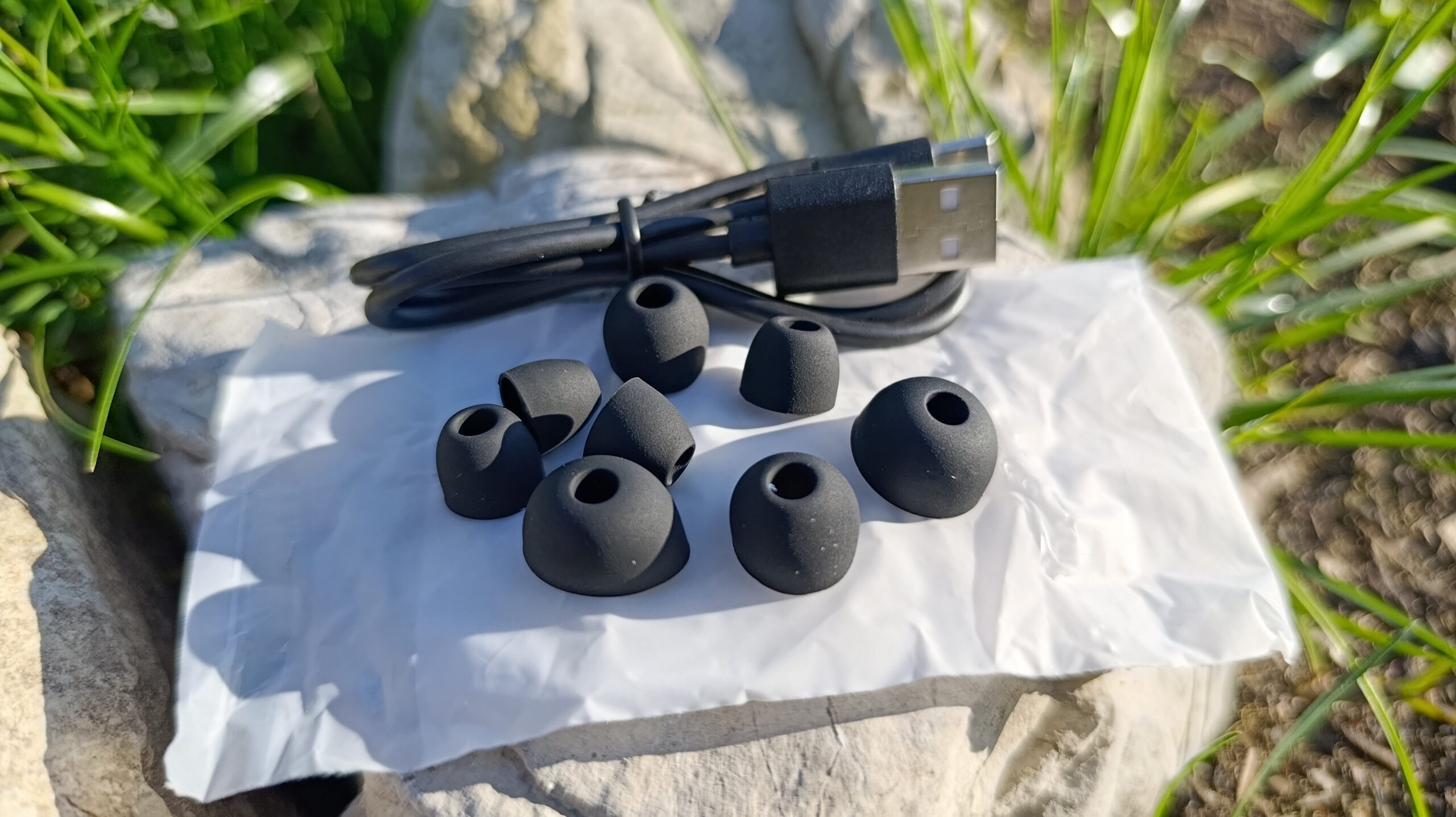
The Aurvana Ace 2 were missing a few EarTips, but here they’ve been added, along with the carrying pouch. I’d say it’s all there now.
Design/Build Quality:
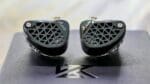
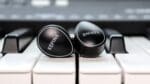
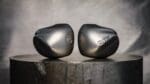
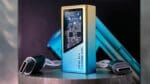
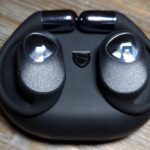
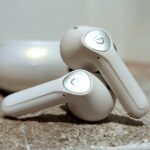
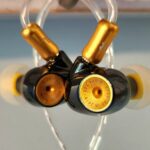
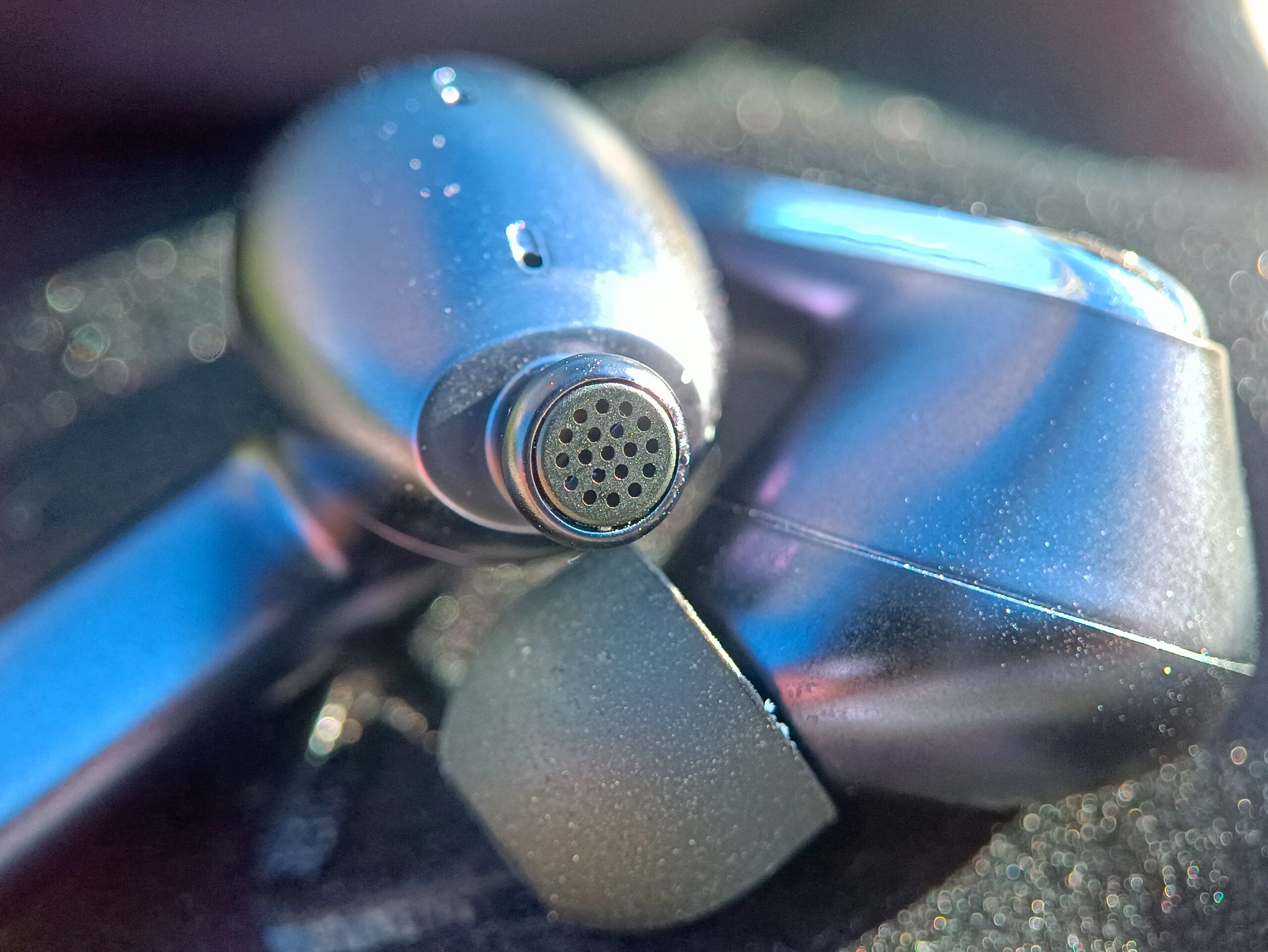
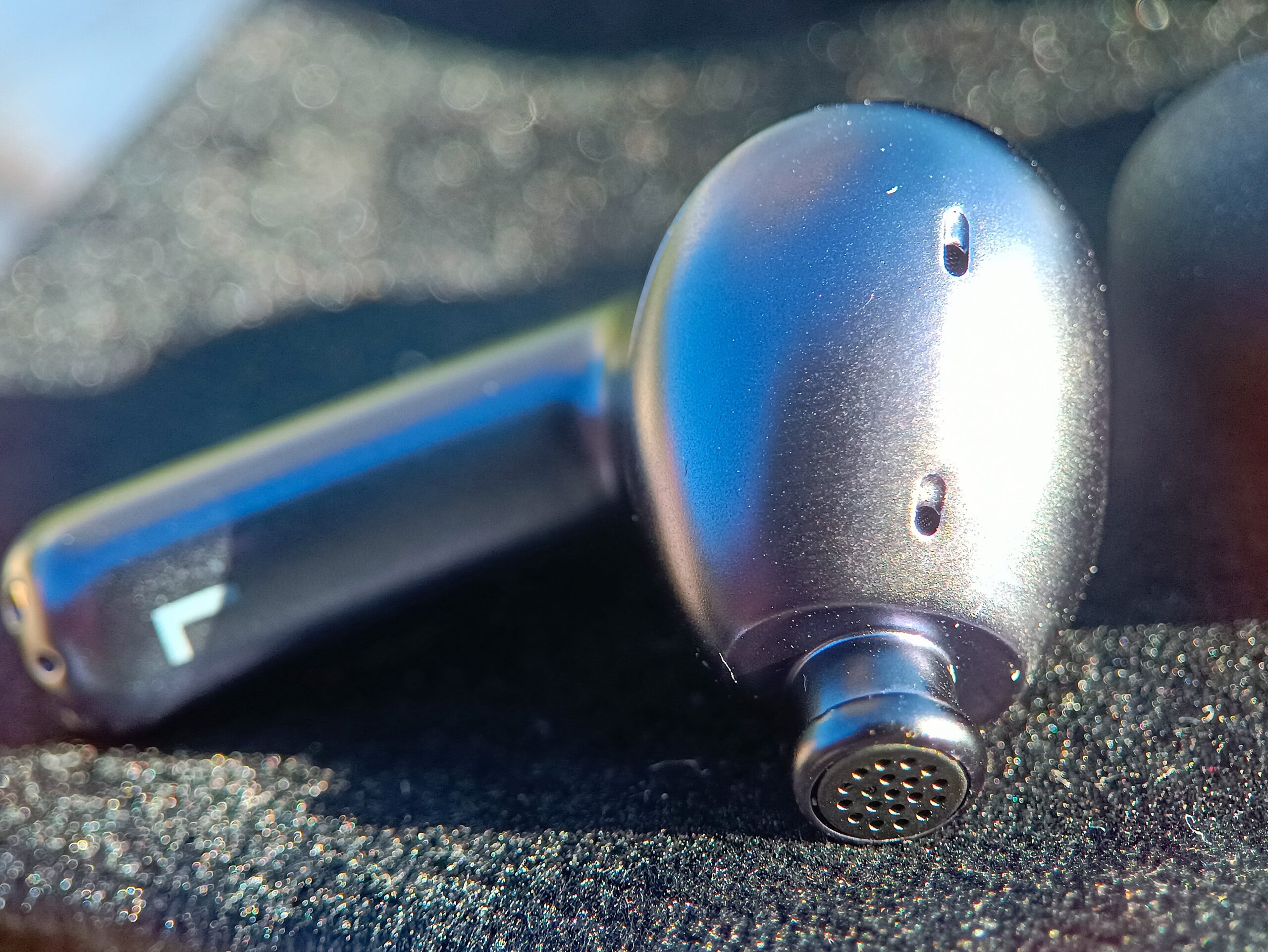
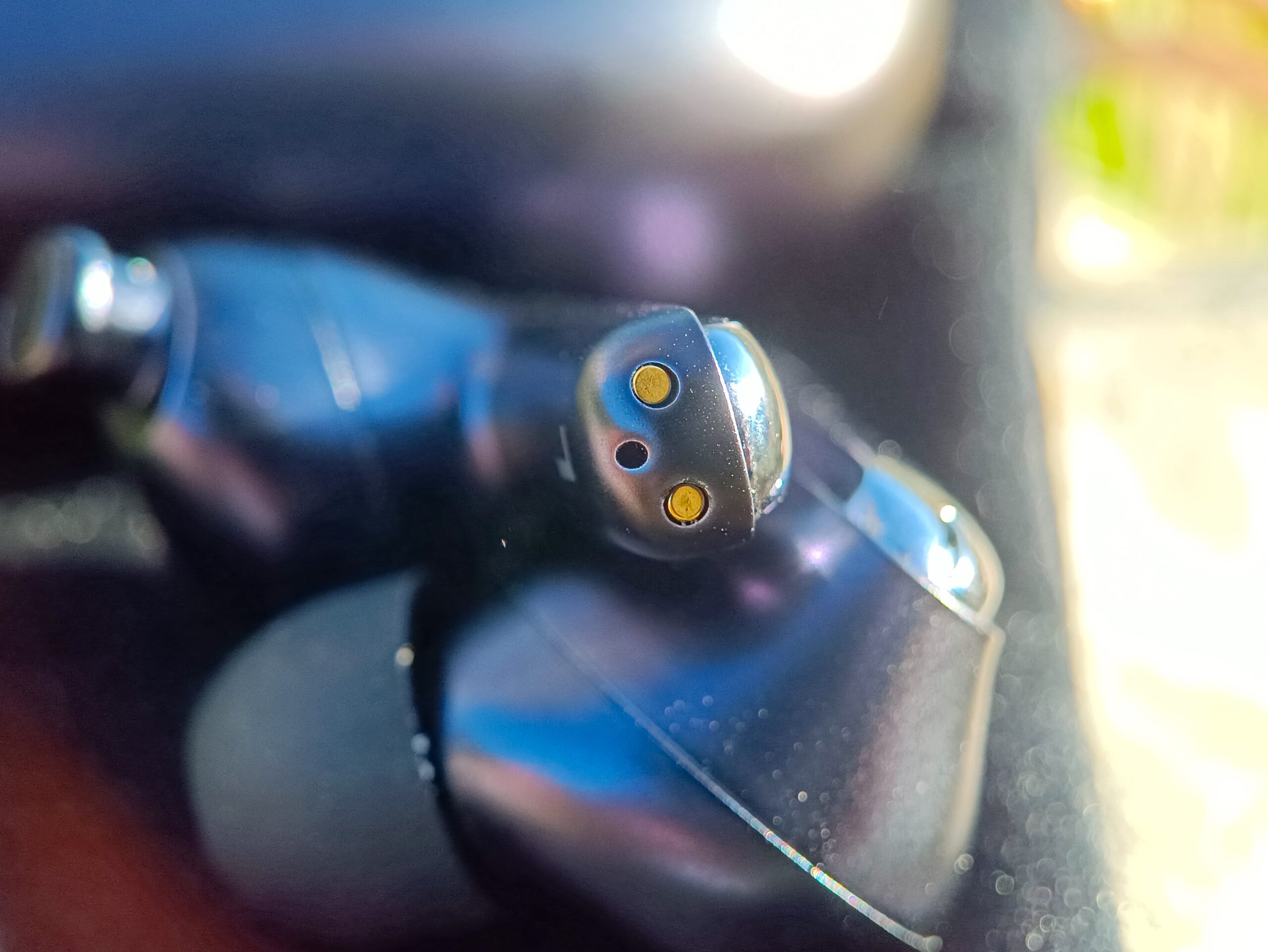
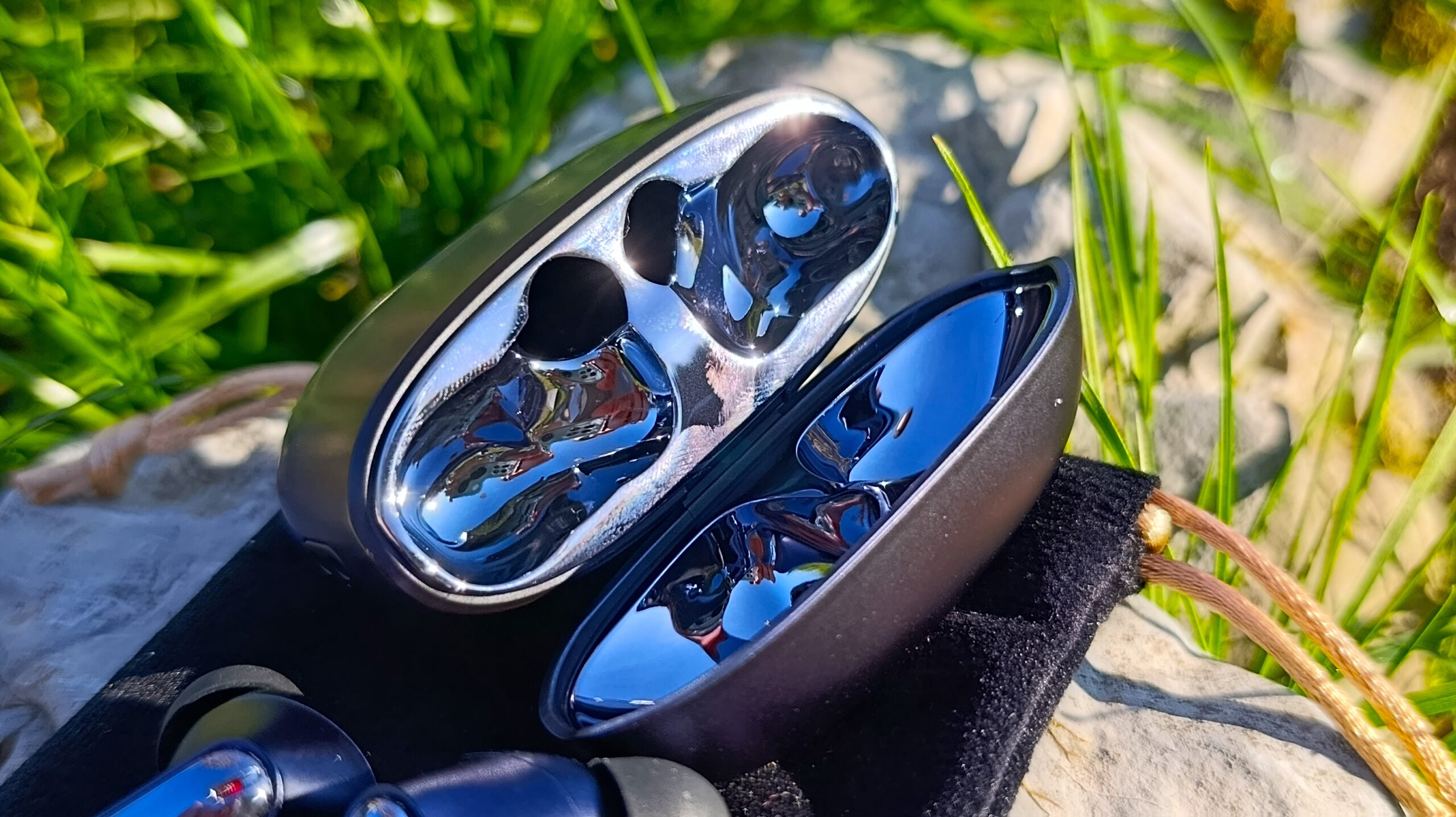
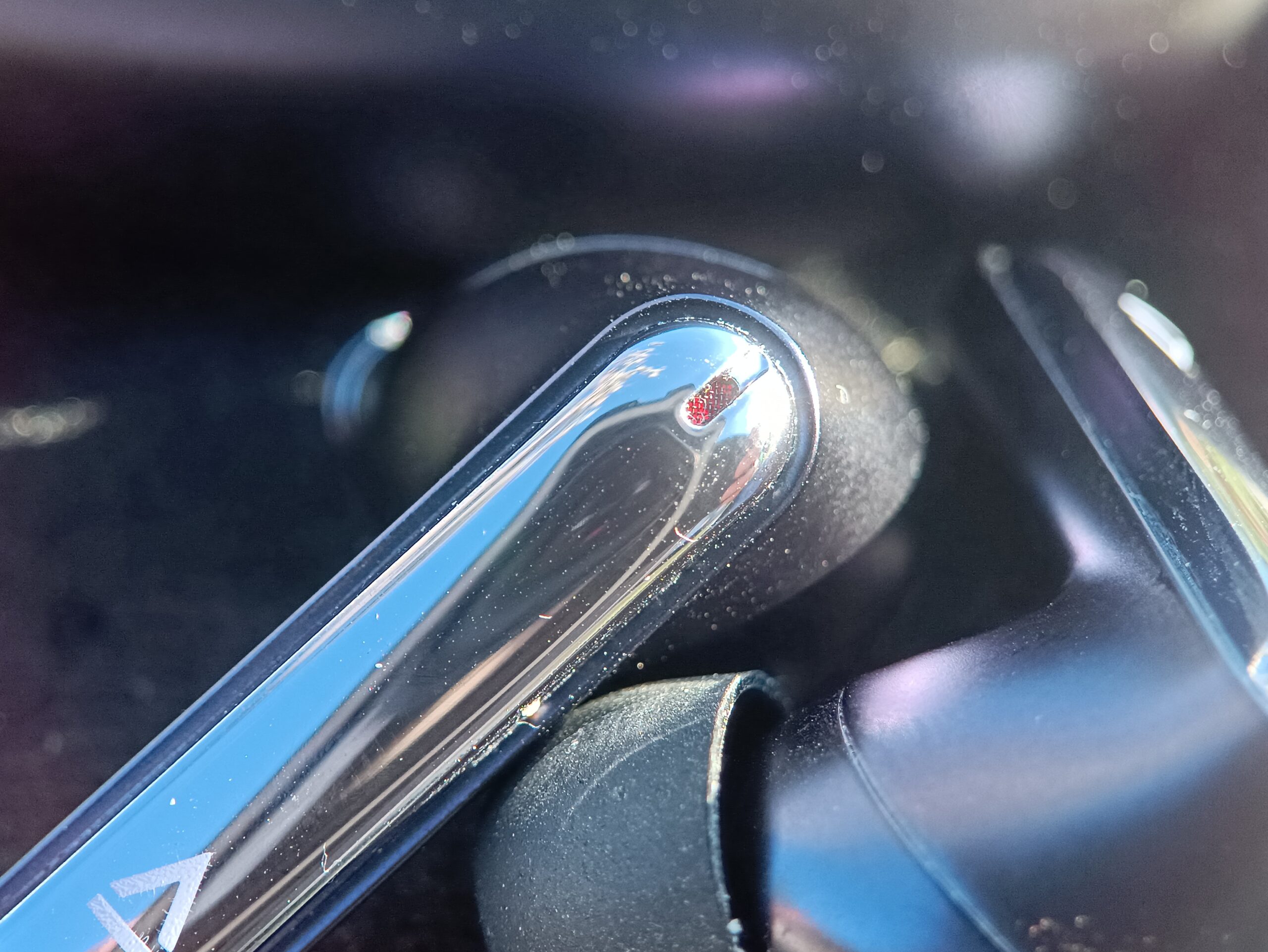
The aesthetic differences are minimal, but there are some, and they’re more TWS-specific. The case has remained unchanged, but the colour has changed. In terms of materials, the build quality is very good and should ensure long-lasting durability. As for the earbuds, they have some very slight aesthetic changes that blend the Aurvana Ace 2 with the Ace mimi. Finally, the nozzle has gone from oval to normal, allowing you to try on more ear tips (within the size/shape limits of the charging case). Otherwise, the design is very similar; the external part where we find the touch controls is slightly different, but otherwise, they are virtually identical.
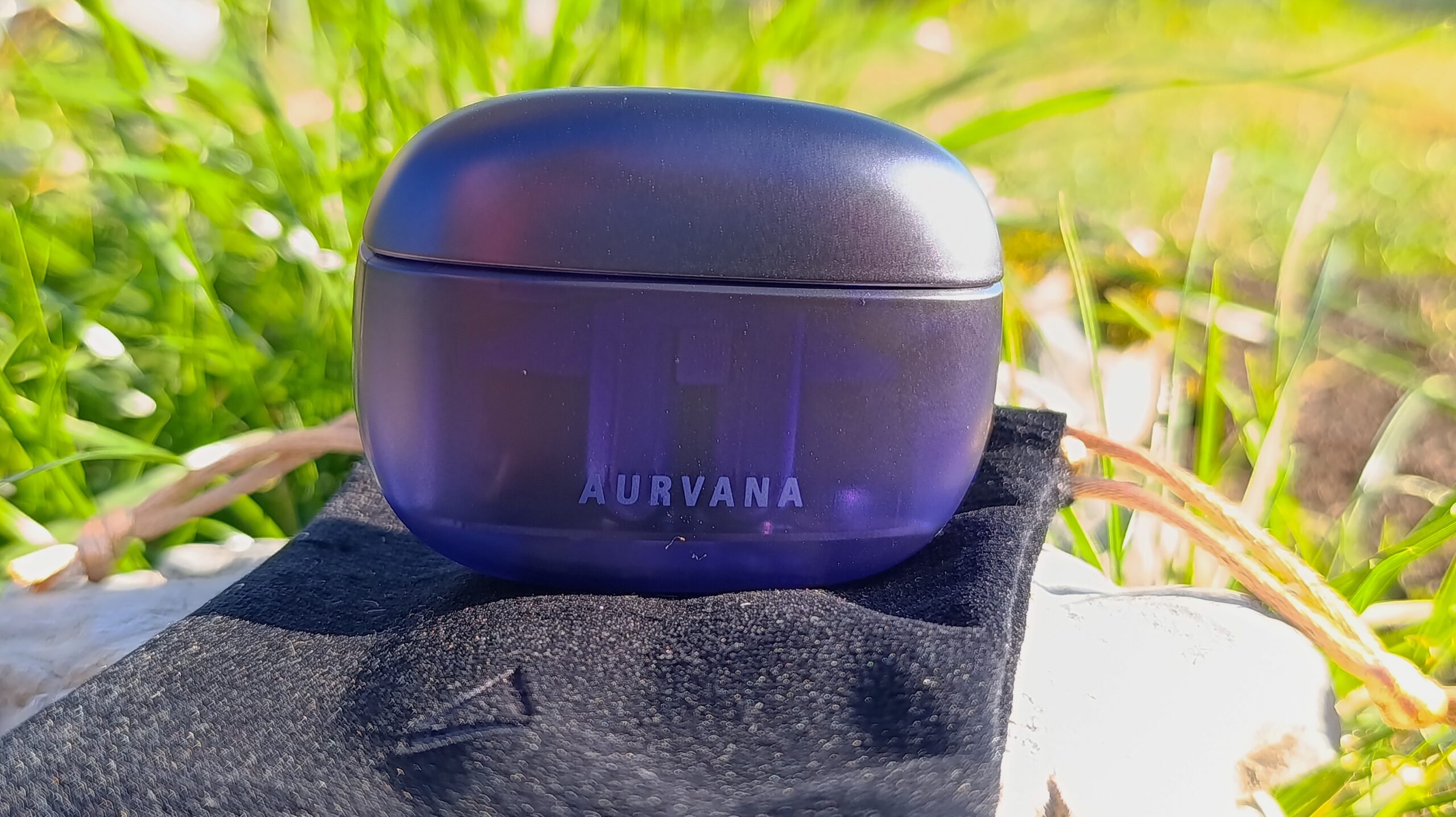
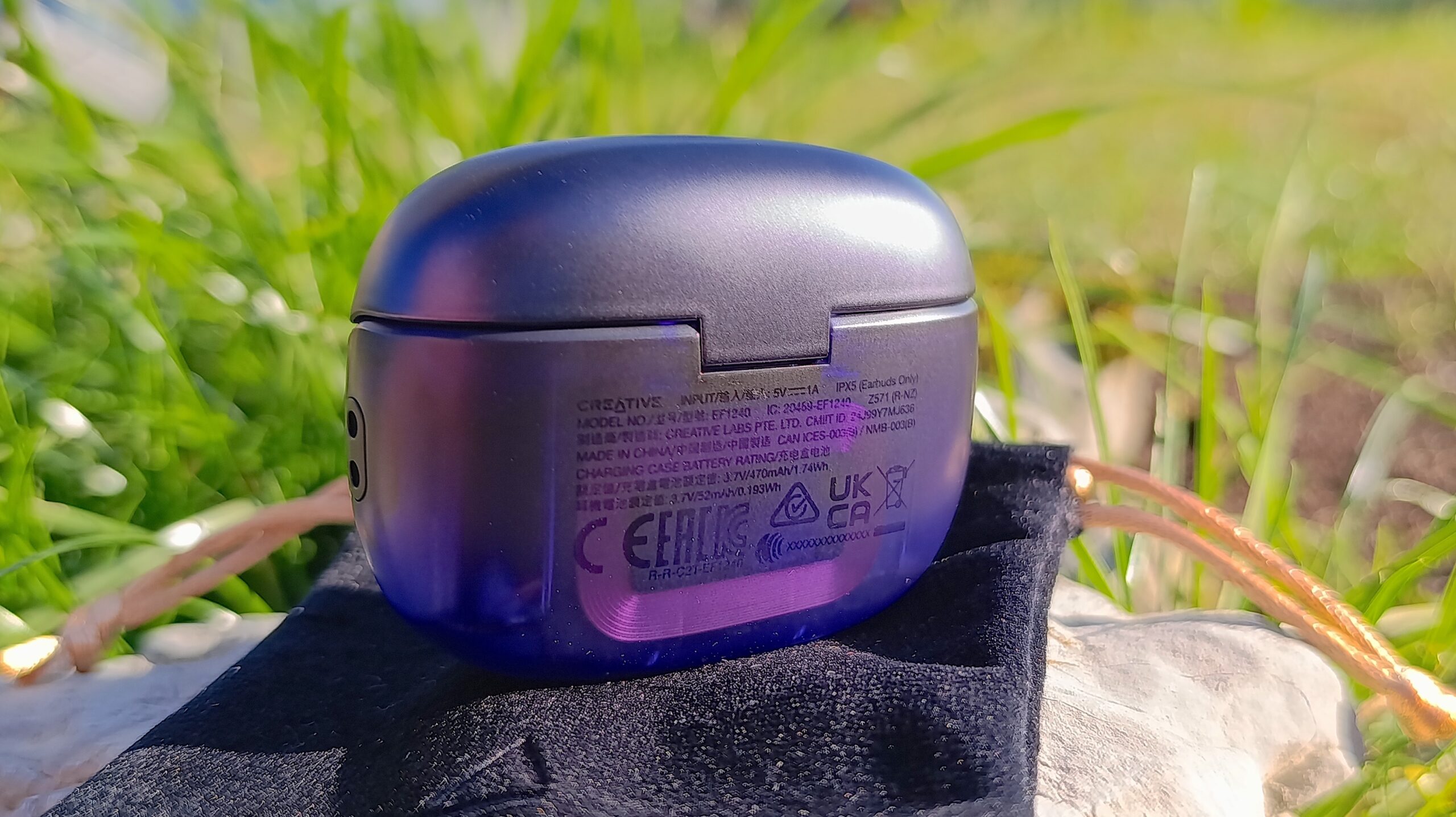
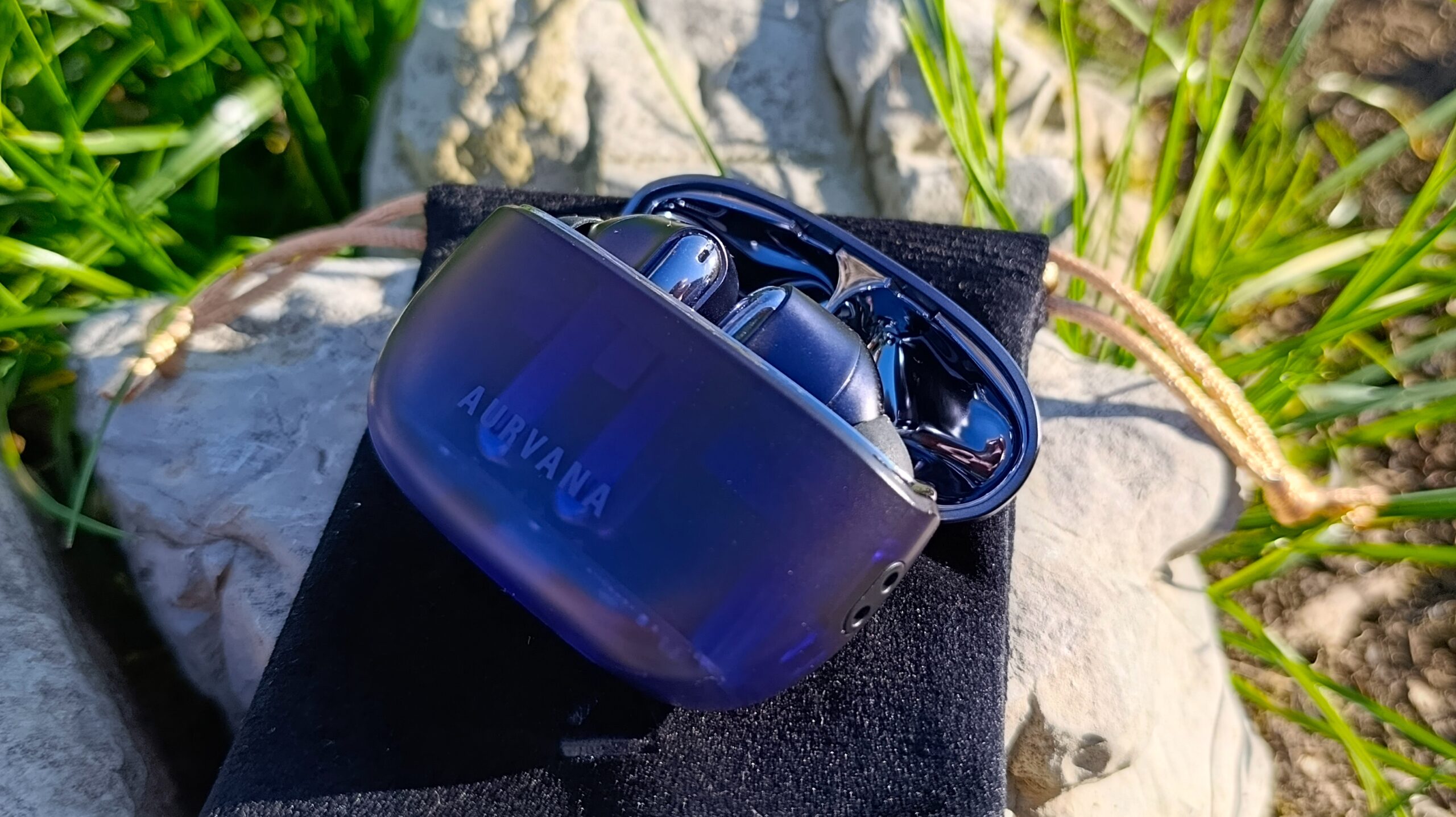
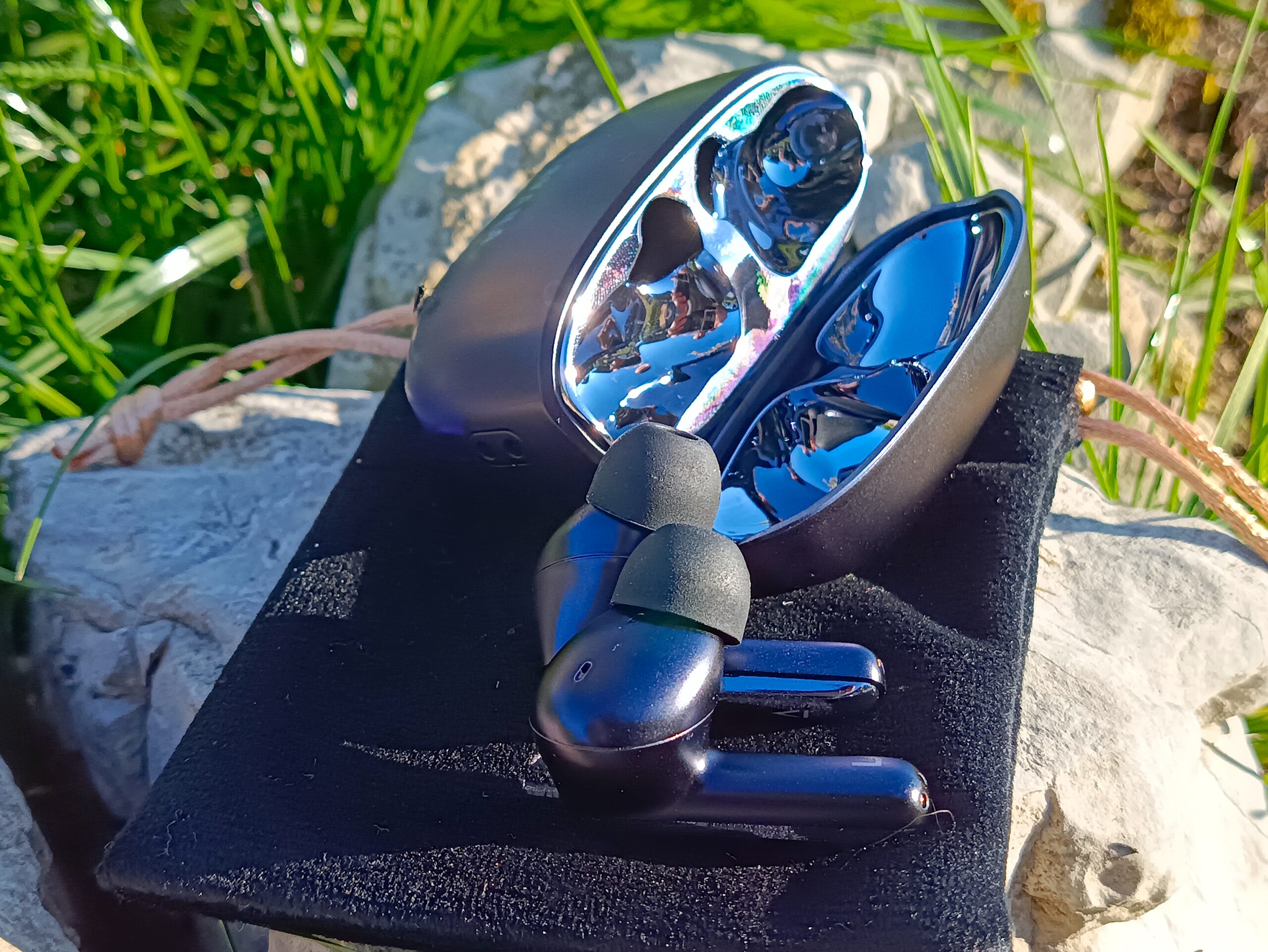
Inside, we have, as always, the brand-new xMEMS technology, which is now finding some applications in IEMs. I’m not even sure if it can be considered a true driver, but it’s more of a chip that creates vibrations that require a specific power supply to function.
It’s currently a technology that’s still being developed, but we’ll soon see it on the first IEMs. The main peculiarity of these drivers is the ability to achieve an astonishing resolution that blends piezoelectric, planar drivers with balanced armatures.
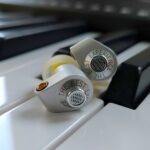
We have the usual status LEDs, holes for the 3 omnidirectional microphones, and some ventilation holes for the DD. I recommend you take a look at the photos to get a better idea.
Built-in Technology:
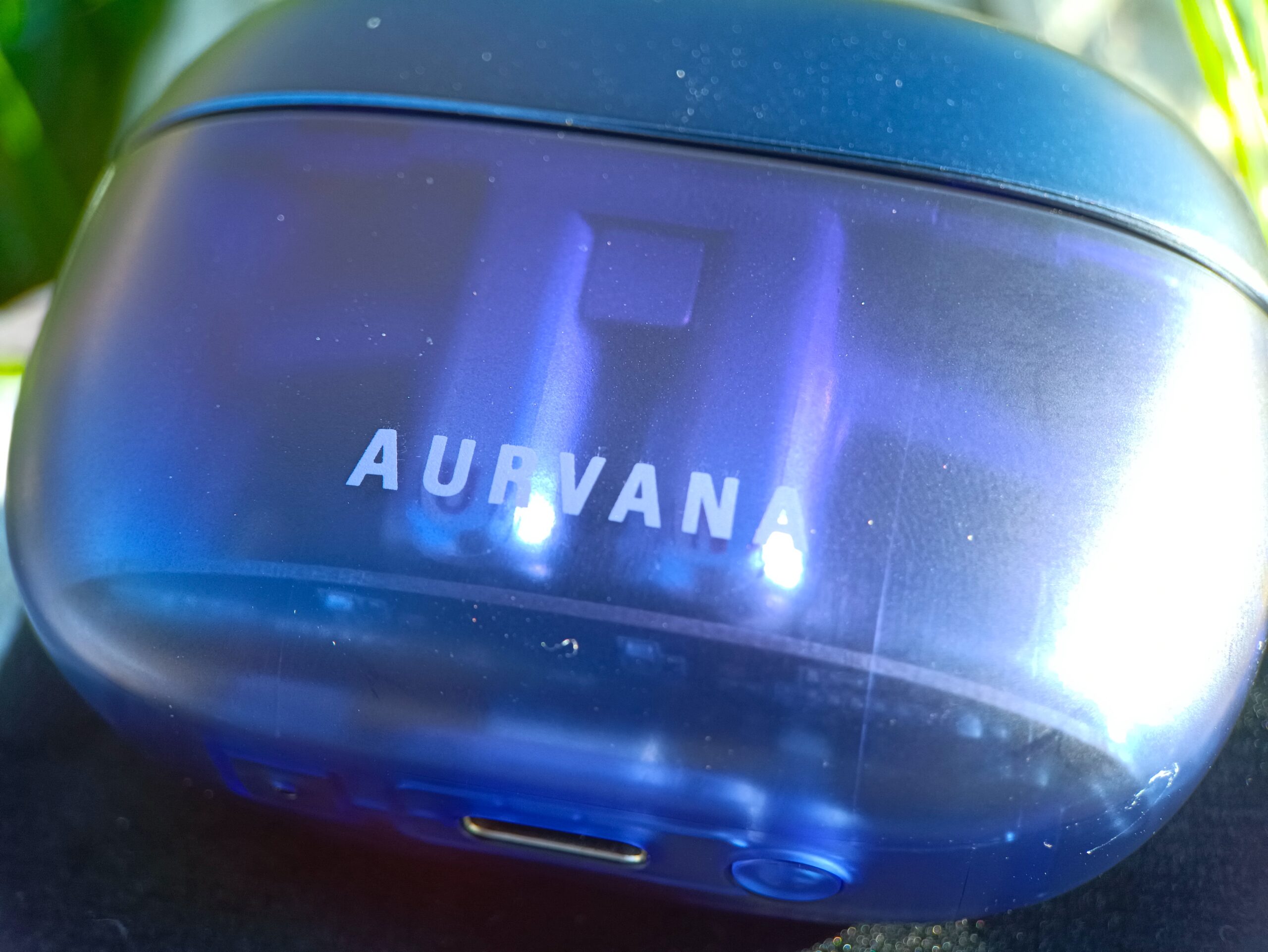
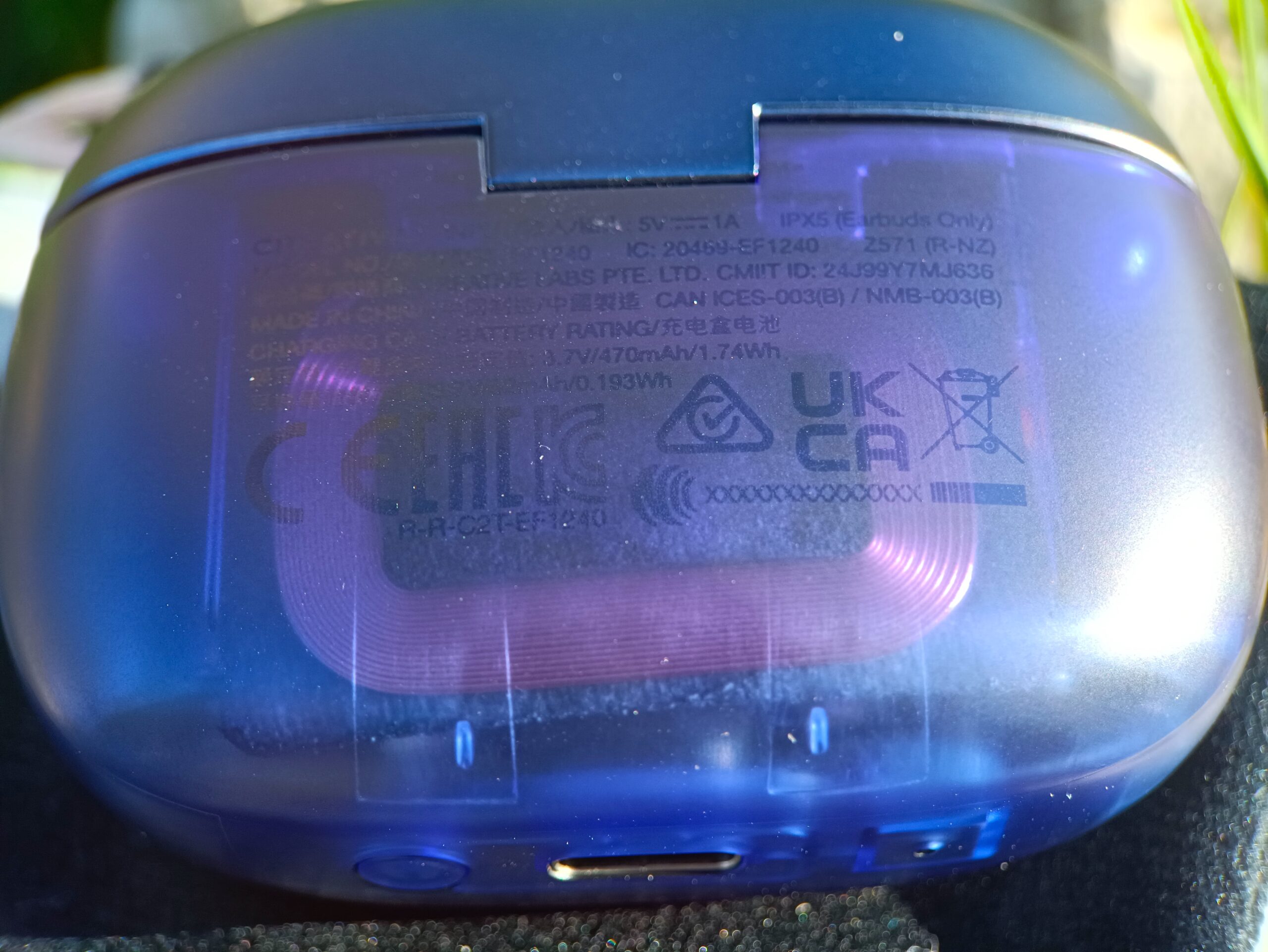
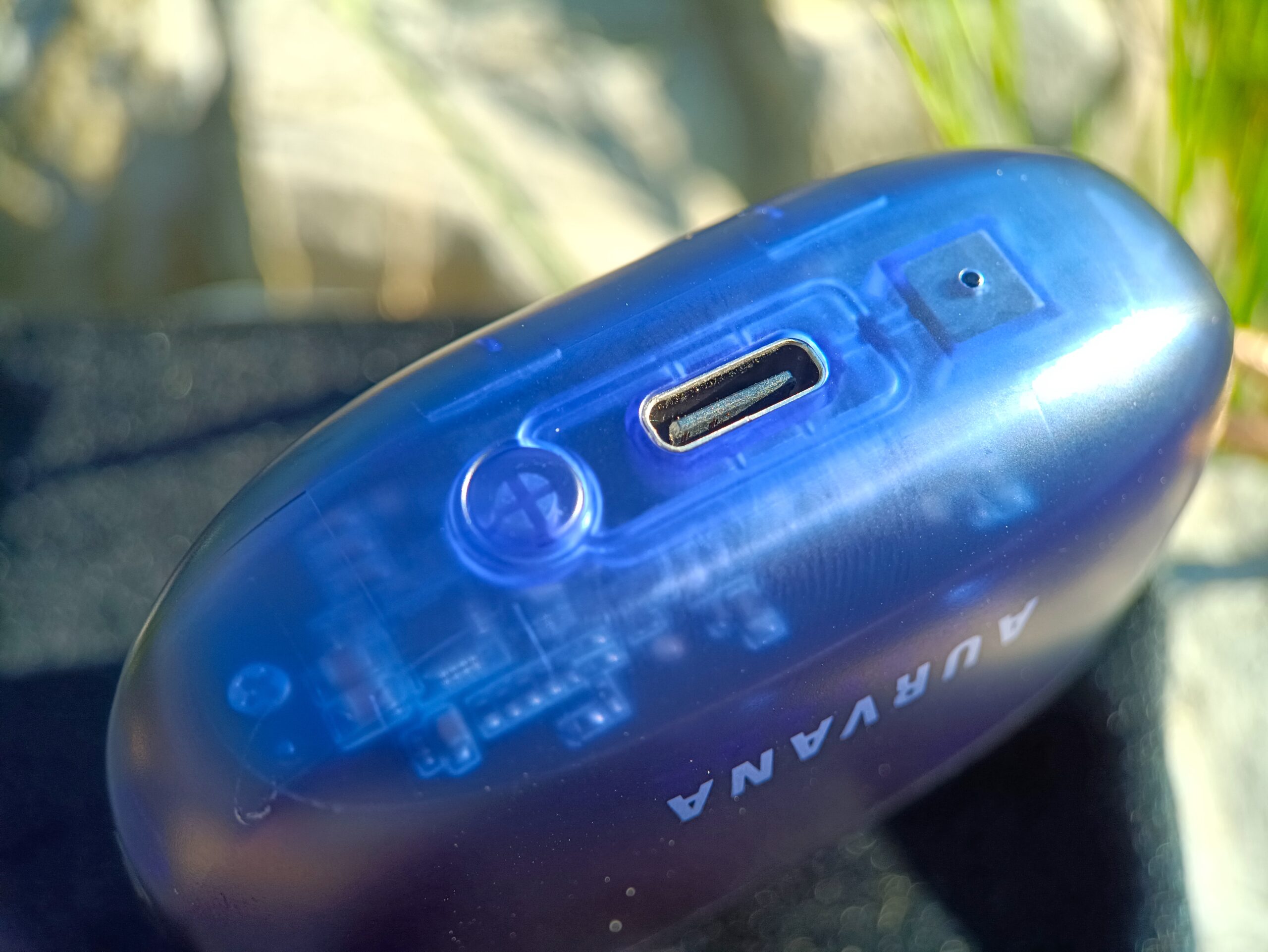
In terms of technology, they’re more or less on par with the previous models, with the addition of the main gaps and improvements to other features. For example, we finally have sensors for automatic pause/play, a major omission on the Ace 2. In terms of sound, I’ve noticed greater compatibility; the Poco M4 Pro can use LDAC, while the older models were limited to AAC. While I believe they’re capable of performing at their best when connected to smartphones with Snapdragon processors, Mediatek models now also seem quite compatible. Then we have the implementation of Mimi Sound, which we’ll discuss shortly.
Inside, we find, as usual, a dynamic driver coupled with xMems technology.
Mimi Sound Implementation:


Mimi Sound is nothing more than a software implementation in the Creative App. It works a bit like the old SXFI software, where you had to take pictures of your ears so the program could create a 3D sound tailored to you. Fortunately, this finally seems to be a more mature version based on your individual hearing spectrum. It involves performing a hearing test with different frequencies for each ear, and once completed, the software corrects your hearing deficiencies, improving and enriching the sound where necessary. I’ve tried it, and sometimes the sound is even overly enriched. Fortunately, everything can be adjusted, but in a certain sense, the sound is modified a bit, even sounding less natural in some cases. If I had to describe the sound effect it provides, I’d describe it as a livelier effect with a greater expansion of the sound, making it more enveloping, even holographic.
Fit & Comfort:
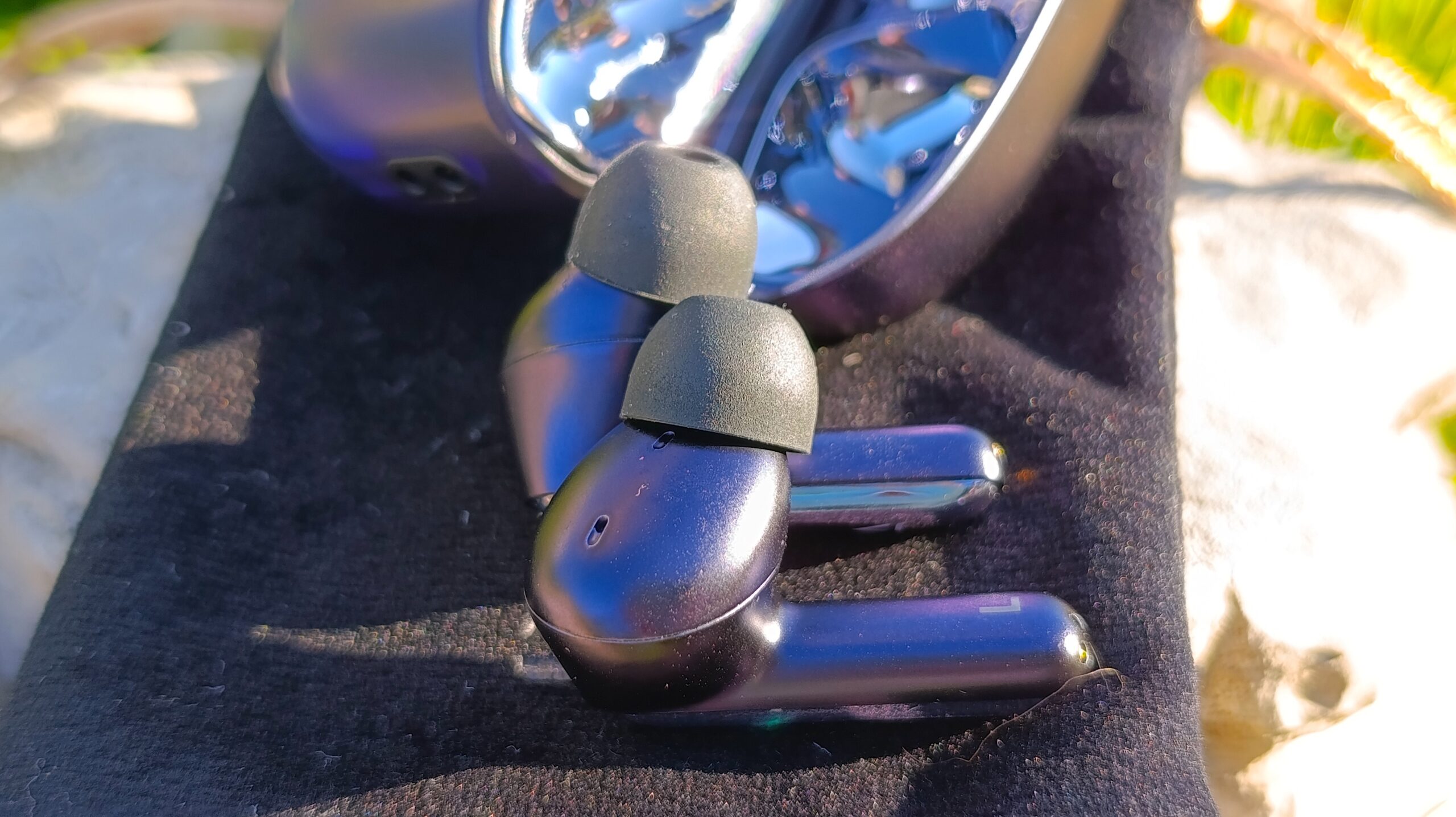
In terms of shape and size, they’ve remained unchanged. I can’t tell which one I’m wearing based on their shape. However, the addition of more ear tips and the change in nozzle from oval to round make the TWS undoubtedly more versatile. The case is the same, only the colour has changed. To be honest, it’s a bit slippery; almost all charging cases are shaped like a bar of soap.
Tips Rolling:
We have more freedom of choice since the nozzle is round, but we’re still limited by the cases, which are always designed down to the millimetre. They should leave more space around the eartips to accommodate even larger models for those who need them.
Functionality & Features:
The features are almost identical to the previous model; all functions and customisations are available from the app. I won’t provide you with the same screenshots, but I’ll refer you to the Creative Aurvana Ace 2 review to get an idea. Here, you’ll only find the screenshots that are different.
I haven’t talked about the built-in broadcast feature because, at least where I live, I don’t think similar broadcasts have been implemented anywhere yet. However, I can tell you that every time you open the app, that feature prompts you to search for a signal, even though I disable it every time.
Gestures for Calls & Music
The gestures are a bit cumbersome, or rather, too unintuitive compared to other models. What gave me the most trouble is the lack of a single quick tap to play/pause. I don’t know if this is intentional to prevent accidental taps, but I think it could easily be implemented via software in the customization section. Otherwise, you can customize the various gesture controls to your liking.
ANC & Ambient Mode:
There’s no major difference from the previous ones. The ANC works very well, as does the ambient mode, where the microphones are able to capture and reproduce noises with reasonable accuracy. This is, of course, provided the volume isn’t too high. In terms of passive isolation, IEMs generally perform better.
Audio Codecs:
In my case, I’ve basically only tried LDAC; if there were any problems, I’m sure I would have heard something. Stability, as with previous versions, is excellent. Range and quality are maintained even if you leave your phone in another room. Homes in Italy and Europe typically have brick walls that are more difficult to penetrate for Bluetooth or Wi-Fi. No problems encountered. Compatibility is very wide, the list is really long: AAC, SBC, LC3, AptX™ Adaptive, AptX™ Lossless, LDAC.
Equipment used for the testing:
Device:
- Redmi Note 14 Pro 4G (LDAC)
- Poco M4 Pro (LDAC)
Software:
- Amazon Music UHD 24-bit 96 kHz
Sound impressions:
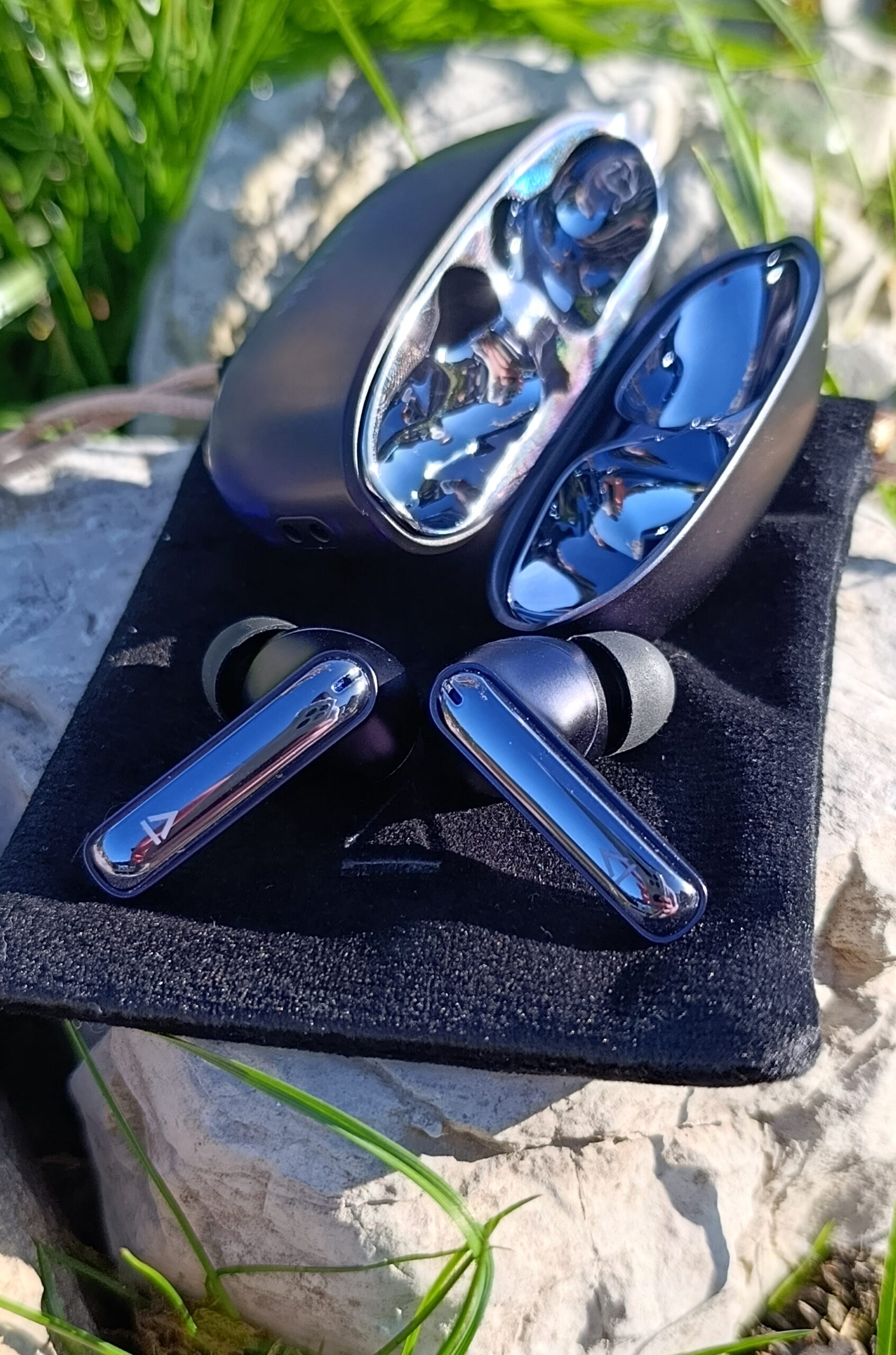
Like their predecessors, the new Creative Aurvana ACE 3 are one of the few TWS headphones that don’t feel like they’re wireless. The audio quality is so high that it seems to be wired.
In my opinion, it’s truly impossible to notice any difference in quality, especially with streaming services. The sound is typically Creative; it’s very similar to the others, although I think these have a slightly more balanced profile.
Treble
The treble on the Creative Ace 3 is spatial; the xMEMS driver has detail and precision unmatched on the market today. Perhaps some planar and piezo drivers come close, but they still don’t quite reach it. It manages to be extremely detailed and extended without being aggressive, harsh, or sibilant. Any situation is handled impeccably. What’s also striking is the tangible presence of air.
Mids
The mids are extremely pleasant and detailed, and above all, depending on the music, they have a certain three-dimensionality. You can almost feel them floating in the soundstage, coming from different directions. This happens with any effects or EQ disabled, because with Mimi Sound implemented, the situation becomes practically holographic.
Male and female vocals are faithfully represented as expected, performing perfectly in both cases. They have just the right silkiness, they’re rich and dense, perhaps also thanks to the bass, which makes the vocals deeper and more intense. As with the previous tracks, if you pick the right track with a string instrument, you seem to be able to feel the air moving as the strings vibrate.
The separation of details allows you to fully appreciate each individual sound.
Bass
The dynamic driver isn’t talked about much, but the bass it produces is top-notch. I’d go so far as to say that when completely flat, the bass is the undisputed star of the show: pleasant, crisp, and fast, yet free of midrange bleed. The bass is clean and pleasing, yet can be fully and effortlessly adjusted using the EQ.
The feeling is of a bass rich in air, capable of filling the space and enveloping you. Personally, I like it even if it’s a bit overdone. The subbass extension is well done, without a premature roll-off.
Soundstage & Imaging:
Creative definitely uses some algorithms underneath, but it works really well. The sound is huge, spatial, and even a bit holographic. If you activate the various options, the effect increases even further. The image is very precise at any volume. The sound separation and layering are well above average for a TWS. Perhaps a comparison with some AirPods would be worth doing, but unfortunately, I don’t own any, although I think it’s unlikely that an iPhone owner would buy a pair of Creatives the way an Android user would buy AirPods.
What could be improved?
In my opinion, the Creative app could be further improved. There’s currently a bug with colours in the Mimi Sound section for the hearing profile.
In terms of fluidity, it’s improved, but it still has some lag.
Quick gestures with a single quick tap could be added.
The ambient mode’s white noise has remained unchanged, but it’s a very common feature in all TWS.
Comparison:
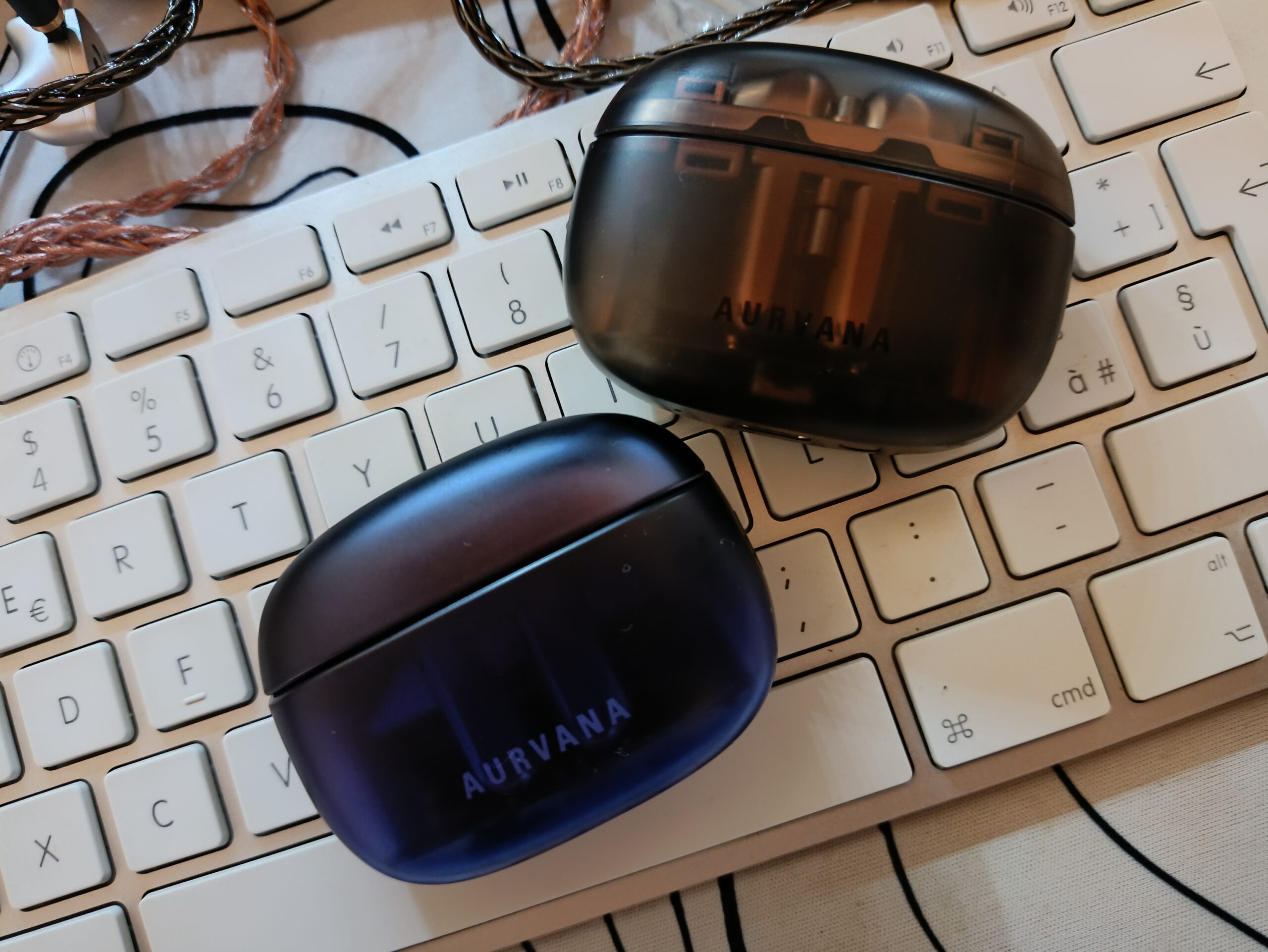
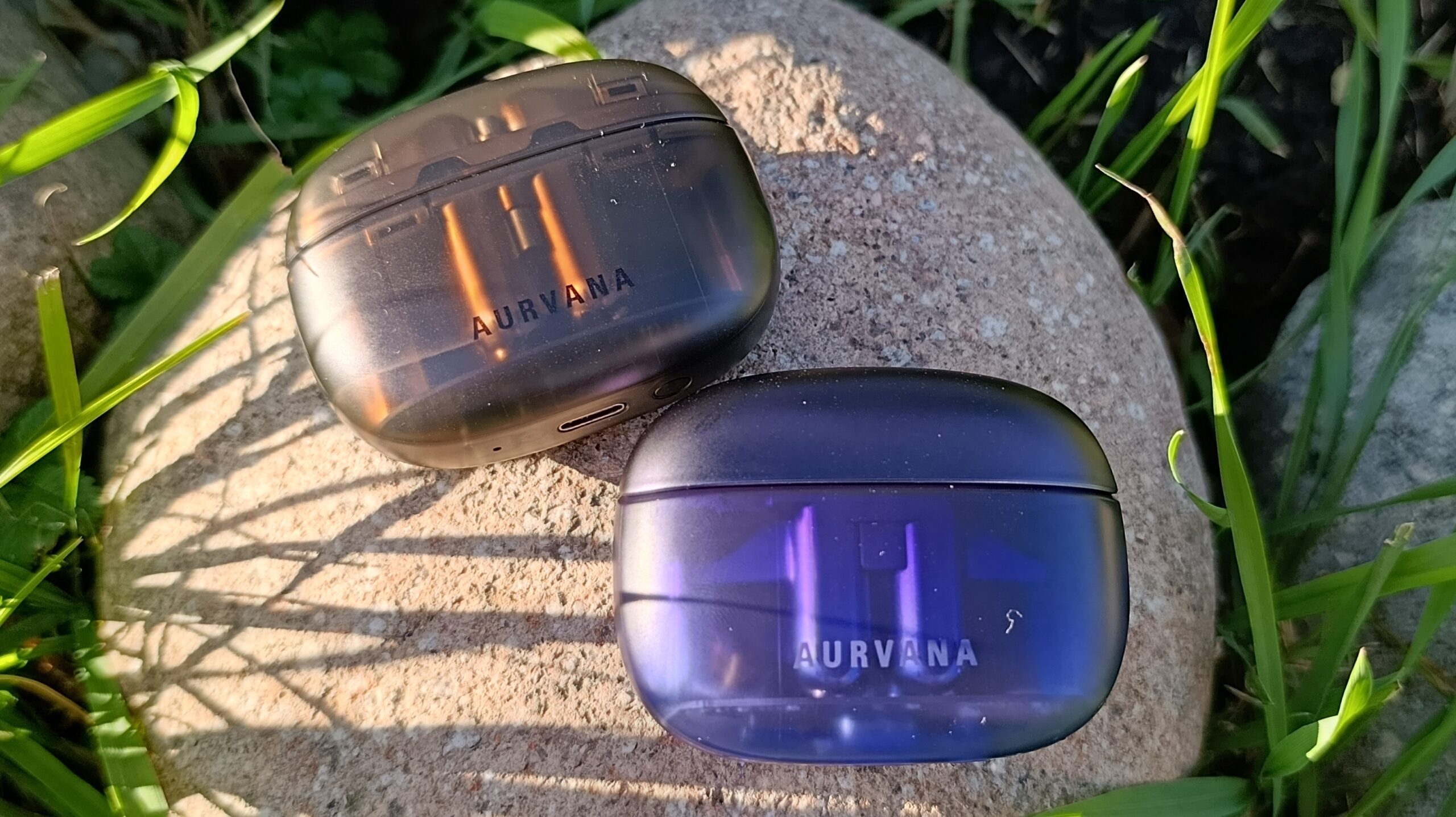
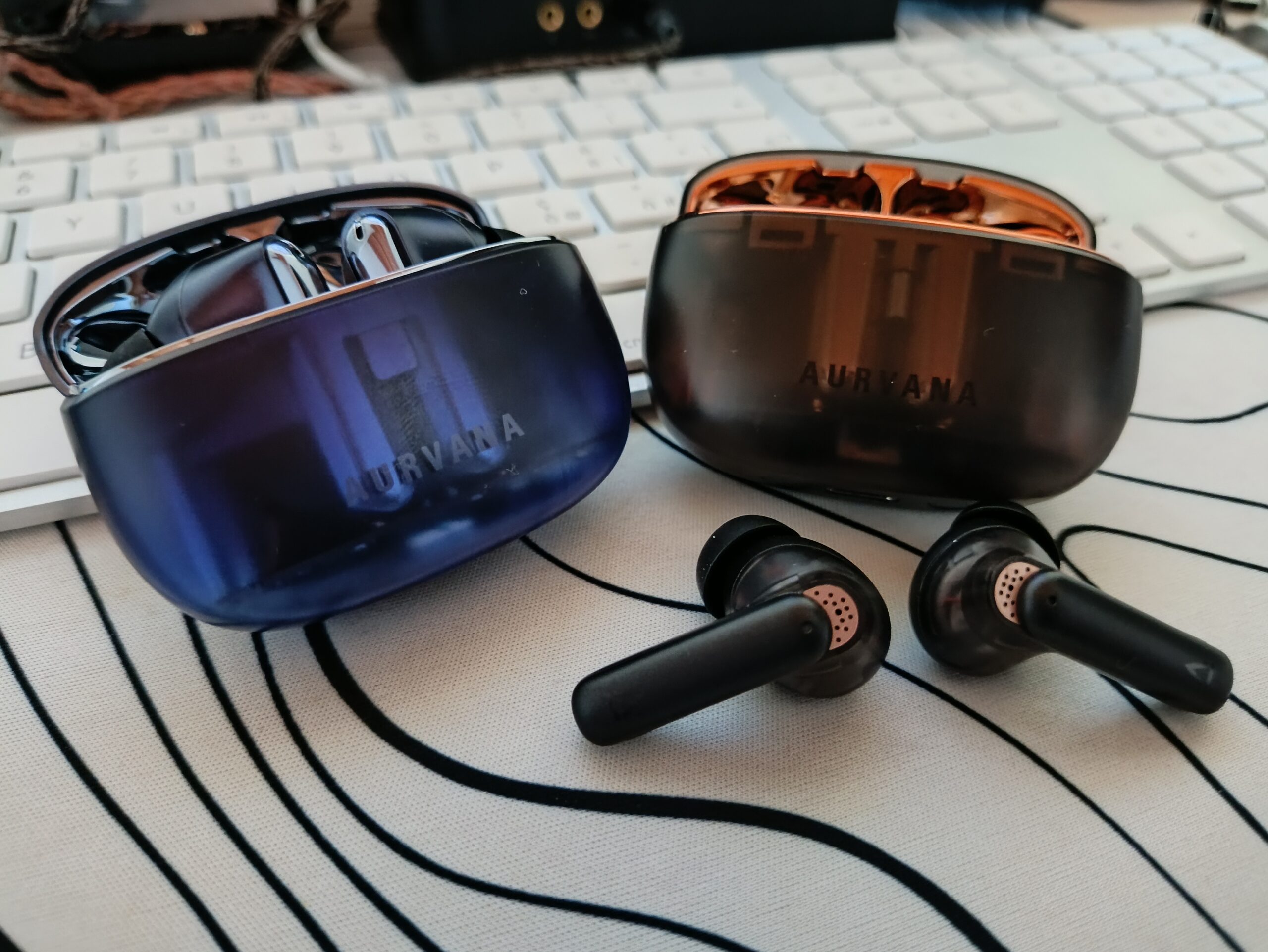
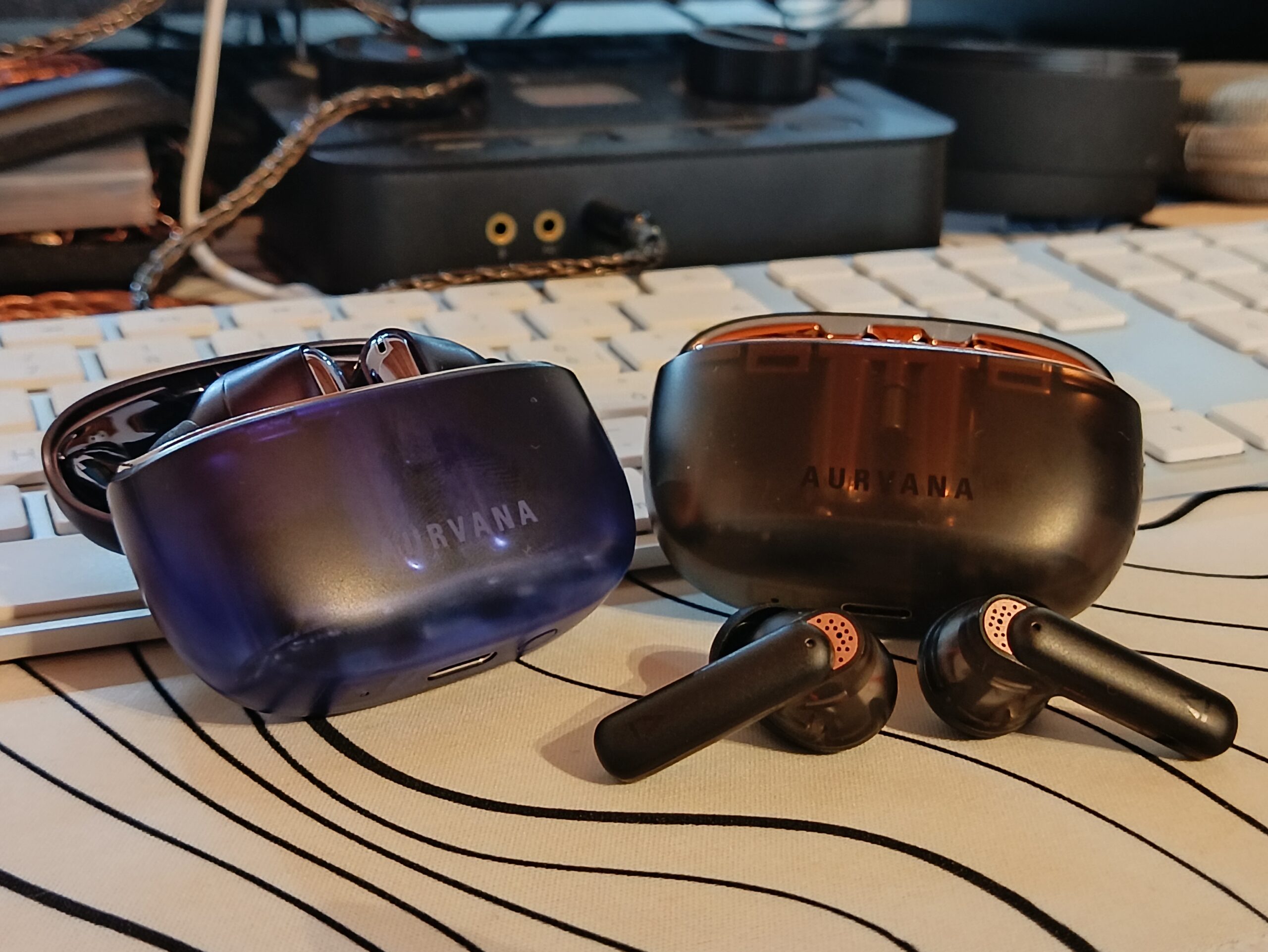
vs Creative Aurvana Ace 2 TWS
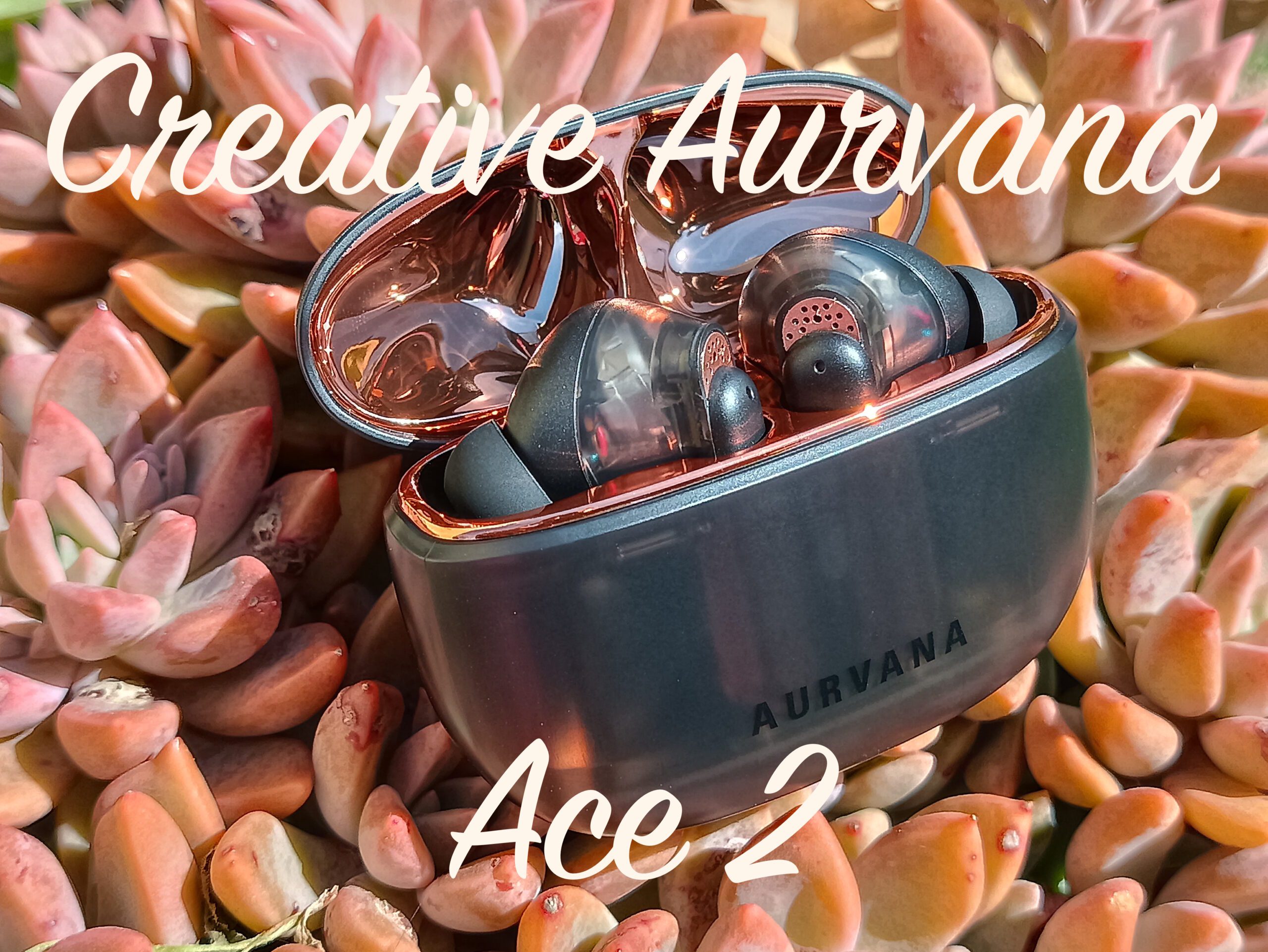
I think it’s clear that the Creative Aurvana Ace 3 is actually Ace 2 with various additions and improvements. When they first debuted, the Creative Aurvana Ace 2 TWS had a higher list price, which has now dropped to $80, a truly low price for a pair of TWS headphones with such recent and still uncommon technology. In terms of sound, the driver configuration is very similar. So, it’s up to you to decide which one you like best.
The newer one, however, almost completely addresses the shortcomings of the previous model.
Conclusion:
The new model raises the bar in terms of feature set; in my opinion, it’s definitely a truly capable TWS at a fair price. The xMems drivers are a real gem and make them the closest TWS to wired IEMs ever. What was really missing was the proximity sensor for automatic play/pause, which is expected on a flagship model from the brand. However, their accuracy and speed are so slow that sometimes one of them falls asleep.
The other features, especially the Mimi Sound customisation, are a nice touch, although I prefer a less vibrant sound. Everything can be managed and adjusted to your liking, but it might not be for everyone. In maximum enrichment mode, listening becomes a bit tiring. But it’s not a feature you’re forced to use.
I did the entire review with everything turned off, except for a few miscellaneous tests with these modes enabled. The important thing is not to overlap too many modes, which would distort the sound, and to make sure your phone isn’t already processing the sound.
With the ability to manage the equalizer, these TWS can be completely adjusted according to your preferences, so the sound can be extremely adaptable and made perfectly in line with your tastes.
Well done, Creative and thank you for the trust you have placed in me by allowing me to test this model too.
8.9/10
Pros:
- Build quality and design look
- xMEMS + DD
- Extraordinary separation and imaging
- Super detailed
- Spatial soundstage
- Mimi Sound personalization
- Sensor for the automatic play/ pause function (*also Con)
- Nice bass and sub-bass texture (near basshead levels)
- Wireless Charging
- ANC and Ambient Mode
- Many codecs and wider compatibility
- Stable connection
- Firmware update
- Travel bag included
- More eartips included
Cons:
- You can’t swap Eartips with any models you want
- No single tap gesture
- Automatic Play/pause sensor sensitivity
- Broadcast searching should be turned off
- App Stability needs improvement
More Information:




Thanks for this review. It was really helpful. I went with the ace 2s but it was nice to know the differences between that one and the newer model. Keep up with the great work!