















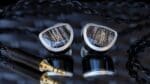


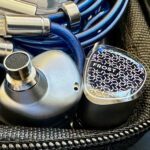
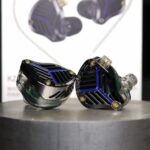

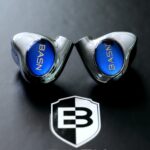

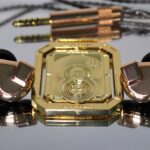

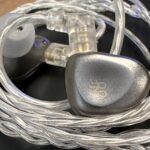

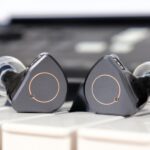







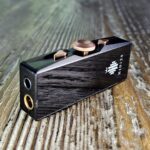
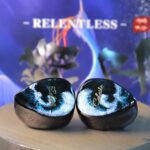
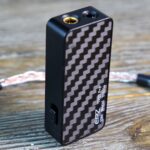
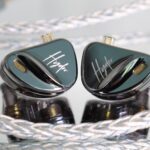
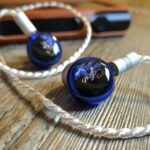
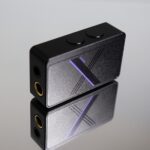
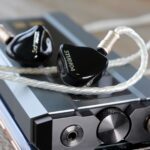
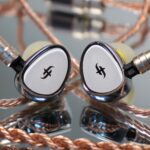
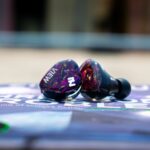




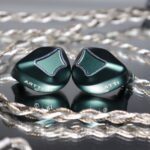
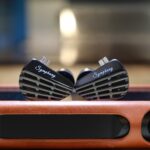
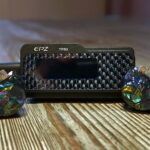

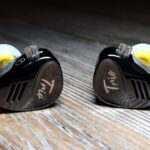
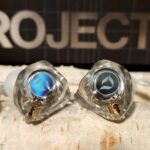
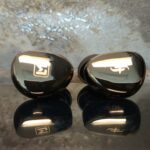
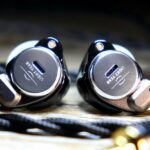
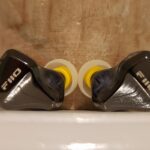
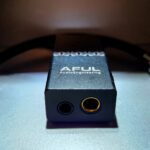
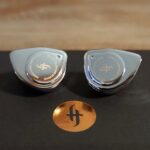
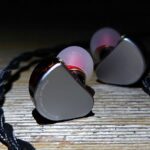

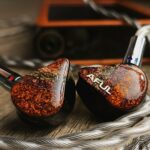


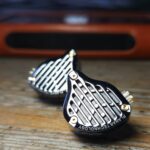
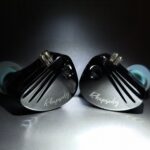

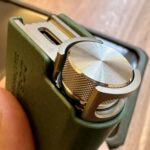


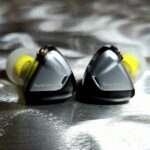








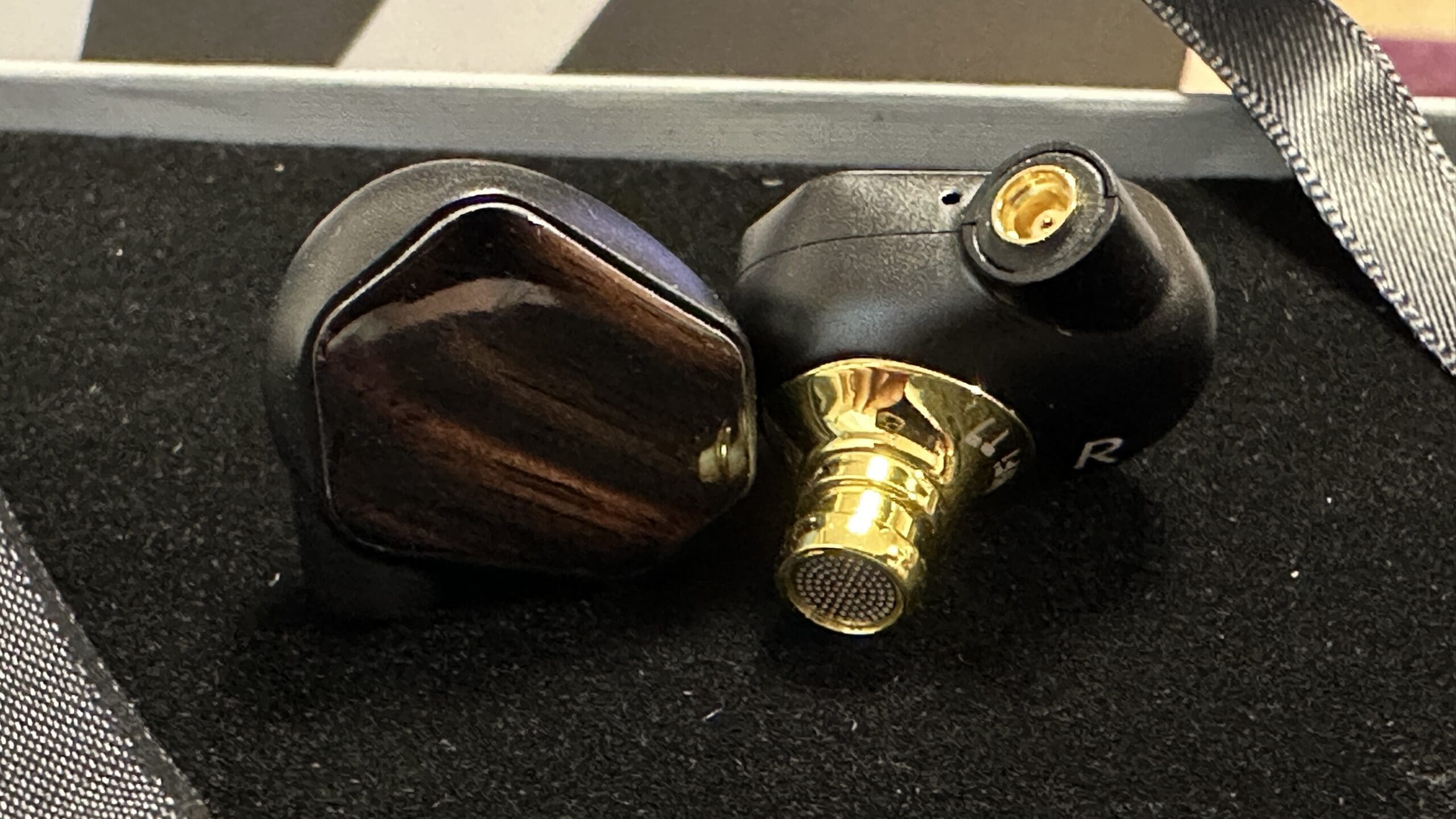
When I first picked up the T7, I didn’t quite expect it to punch this high. But the promise of a gold-plated dynamic driver, combined with balanced and SE (single-ended) output options, made me curious. I wanted to push it through real-world conditions, the way a seasoned IEM should be tested — using both balanced and SE connections on the HiBy R4, and switching between well-recorded live tracks, aggressive guitars, and layered compositions.
Disclaimer: T7 is supplied by Tin Hifi for review purpose
The goal? To find out whether this so-called “flagship” tuning delivers something more than just a spec sheet. Spoiler: it does.
⚙️ Technical Specs and Unboxing


- Type: IEM (in-ear monitor)
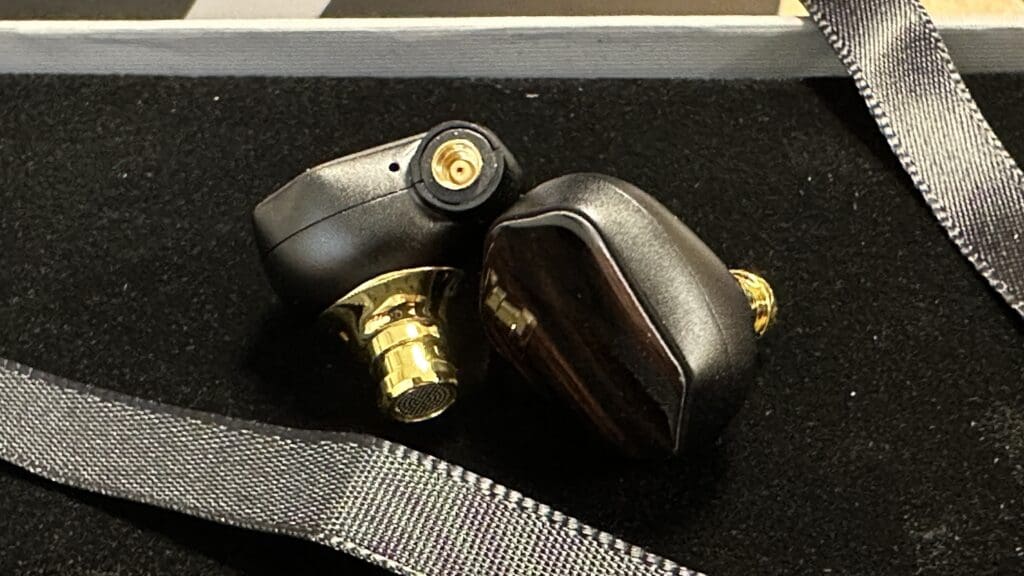
- Driver: 10mm Gold-plated Dynamic Driver
- Frequency Response: 10Hz – 20kHz
- Impedance: 22Ω
- Sensitivity: 112dB SPL
- Weight: 7.7g
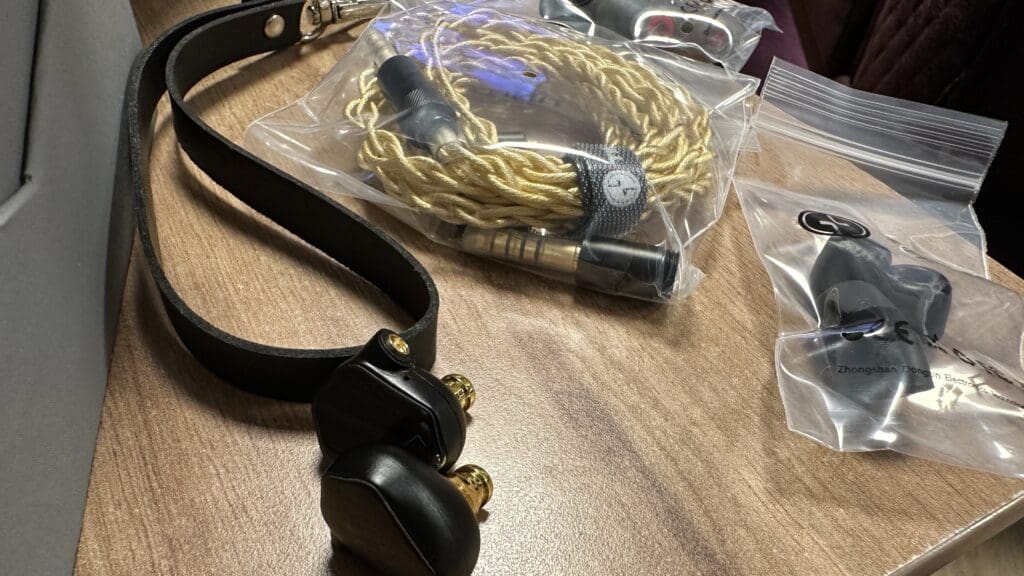
- Connector: MMCX
- Cable: Modular with SE & BAL plug options
Sound Details
SE (Single-Ended) Output
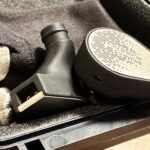
With stock black semi-translucent eartips and the 3.5mm SE output on the HiBy R4, I jumped right into Rise Up. The first thing that hit me was the sense of fullness — the stage was rich, layered, and surprisingly wide for a closed-back IEM. Instruments sat comfortably in their space, never stepping on each other. The gold-plated driver’s warmth and balance were immediately apparent.
Then came Whiskey in the Jar. Metallica’s chaotic energy translated with a hint of organic boldness. The bass was meaty, but not muddy. Cymbals weren’t overly pronounced but remained clearly audible. I even found myself tracking specific guitar channels with ease — a level of separation that felt monitor-grade. Hetfield’s voice was slightly recessed but still emotionally connected to the rest of the mix.
When I played GOAT by Polyphia, things got delightfully complex. The clock ticks, the syncopated drumming, layered guitar work, fluttering strings, and ambient cymbals all collided in a controlled chaos. The fade-out at the end delivered the kind of micro-detail that made me grin. Finally, with Riverside – Self-Aware, the T7 handled the live ambiance and crowd presence without smudging the stage edges. The opening bass guitar had real bite, and the vocal didn’t get swallowed by the mix — which is often a weak spot for similarly priced sets.
Listening via the single-ended (SE) output on the HiBy R4, the T7 presents itself as a warmly voiced yet technically capable IEM. The tonal balance leans slightly towards a rich, full-bodied mid-bass with a gently rounded treble, giving the overall signature an inviting, analog quality. Here, instrument layering benefits from body rather than sheer air — guitars in Whiskey in the Jar have physicality, drums carry weight, and vocals embed naturally within the mix rather than floating above it. There’s a hint of vintage charm in how the driver decays; not slow, but tastefully relaxed. This makes SE mode especially suitable for extended listening of rock, blues, or indie tracks where emotional connection matters more than microscopic detail. While the stage is not as sharp-edged as in balanced mode, it is wider than expected for a single-DD setup, thanks in part to the gold-plated diaphragm’s effortless cohesion. If one were to draw conclusions solely from SE mode, T7 would be remembered as a pleasure-first IEM with above-average technical manners — a set that chooses intimacy over inspection.
The gold-plated dynamic driver isn’t just for show. It softens harsh upper treble and enriches midrange warmth without over-coloring the sound.
The gold-plated dynamic driver isn’t just for show. It softens harsh upper treble and enriches midrange warmth without over-coloring the sound.
BAL (Balanced) Output
Switching to the 4.4mm balanced plug brought immediate, obvious technical gains. Self-Aware sounded even more “live” than the live version. Imaging tightened up, transients hit harder, and the overall presentation lifted from immersive to captivating.
GOAT became even wilder. The intro felt unstable — in a good way — before the melody aligned into what almost felt like progressive jazz fusion. It was chaotic yet coherent. BAL output made it clearer, airier, and even more musical.
With Whiskey in the Jar, playback became crispier. Some might find this sharpness welcome; others may miss the rounded SE timbre. But what’s certain is that drums gained authority — Ulrich’s kick drum came forward with more conviction, and Hetfield’s edges sharpened. Rise Up was a party at full tilt. It practically begged me to turn up the volume. One caveat: I did notice a slight resolution dip in the cymbals, which felt a little too smoothed over compared to SE mode.
Switching to balanced (4.4mm) transforms the T7 into a different animal — more alert, more delineated, and considerably more revealing. The first thing that stands out is a tighter grip on bass transients: where the SE mode allows kick drums to bloom with warmth, the BAL output reins them in, giving them punch and speed without bloat. Midrange resolution steps forward too — vocal layering improves, and harmonic overtones in both acoustic and distorted guitars become more distinguishable. The treble response extends further, though here lies a double-edged sword: the added clarity can expose imperfections in poor recordings, and cymbals — while airy — may start to feel slightly papery if the track is mastered hot. Soundstage grows not just laterally but front-to-back, with improved imaging depth and spatial cues. Perhaps most notably, there’s a subtle shift in energy: T7 on BAL sounds more confident, more hi-fi, less romantic. This is the mode for serious listening — where one tracks the mic bleed in a live session or locates the second harmony buried behind the main vocal line. It’s a shift from enjoyment to immersion, from warmth to architecture. Deductively, BAL output on the T7 uncovers the full technical intent of its driver design, placing it a class above many single-DDs in this price tier.
With Rise Up, the T7 practically mimics a nearfield monitor when driven properly — an unusual trait in this price range.
With Rise Up, the T7 practically mimics a nearfield monitor when driven properly — an unusual trait in this price range.
Pros & Cons
Pros
- Very good instrument separation
- Natural warmth with crisp edges
- Swappable plugs (SE & BAL) included
- Wide soundstage for a single DD
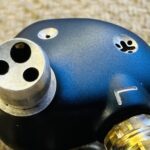
- Comfortable & lightweight housing
Cons
- Slight cymbal smoothing in BAL mode
- Needs a clean source to shine fully
- MMCX can be hit or miss over time
Tin Hifi T7 Review Conclusion
In SE mode, the T7 delivers an emotionally rich, forgiving, and musically wide presentation. It’s warm without being muddy, layered without sounding surgical, and fun without sacrificing control. Balanced mode, on the other hand, unlocks its technical ceiling: separation improves, stage expands, and details sharpen.
What impressed me the most is the T7’s dual personality — it adapts to your chain. Whether you want something mellow and lush, or precise and crisp, the T7 lets you choose by merely switching your output. In a market where many sets blur together, this kind of flexibility — backed by a genuinely competent gold-plated DD — stands out.
Kudos to Tin Hifi for improving step by step since they have been launched.





No Comment! Be the first one.