
















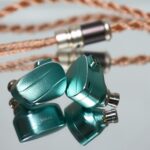
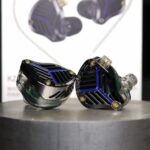

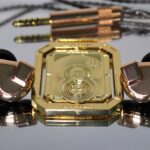

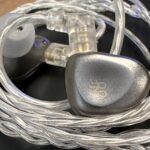

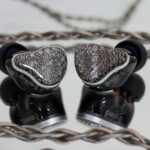
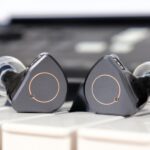



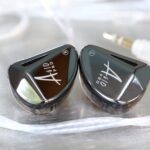
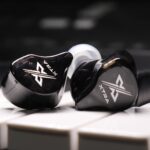

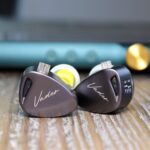
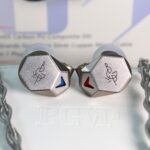
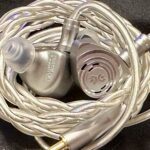
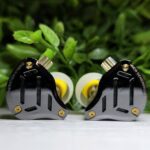
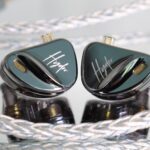
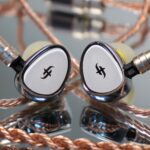



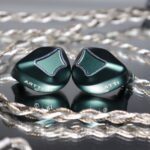


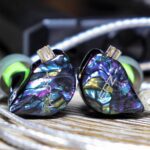
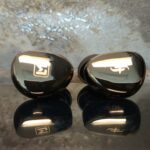
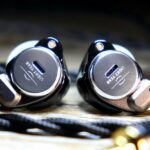
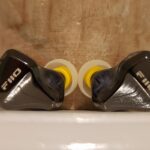
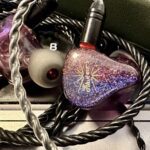
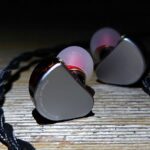
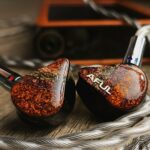






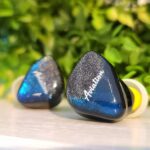
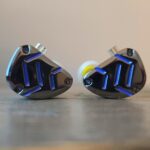
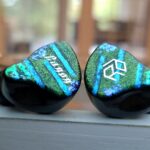




Tanchjim’s new release, the FOLA, feels like the brand quietly saying, “We’ve grown up.”
It still uses the DMT5 driver platform we know from its predecessor, Fission. But this time everything feels more deliberate — more thought through.
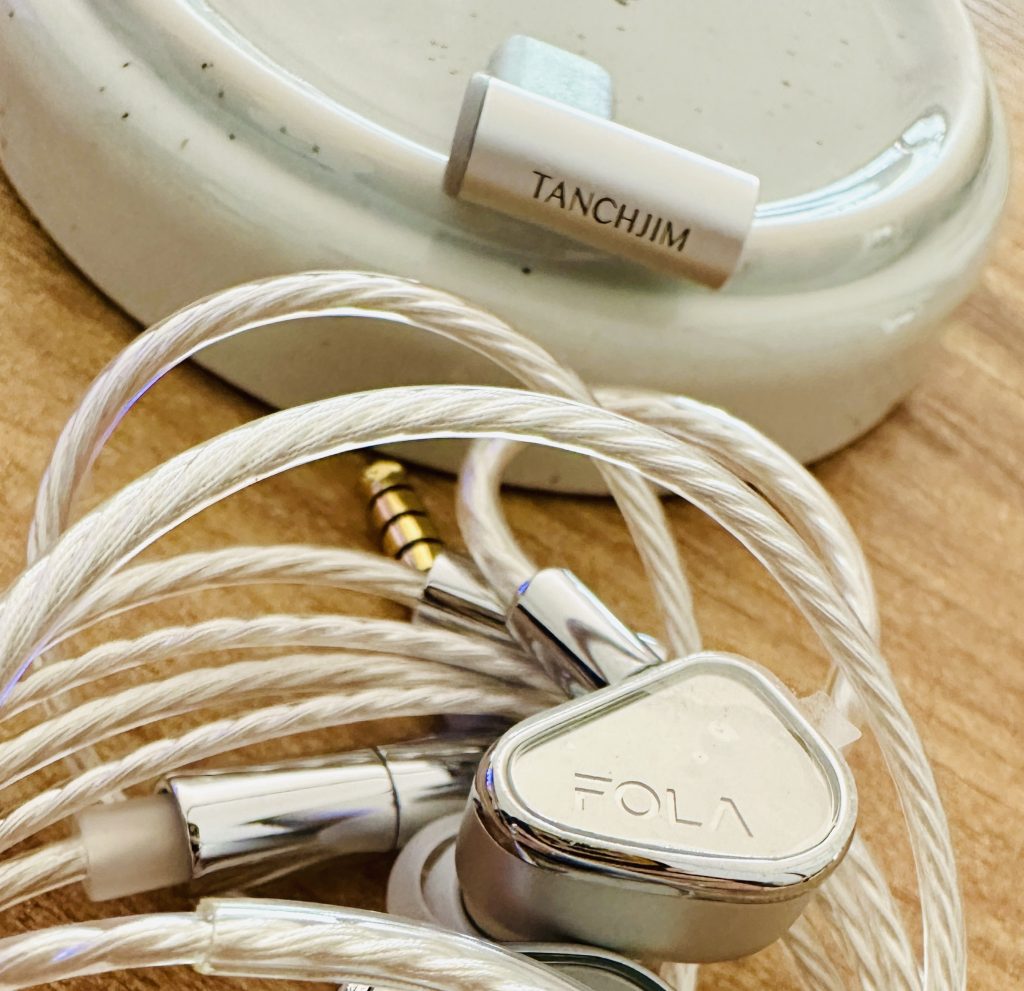
Inside the box, you get three interchangeable plugs (USB-C, 3.5, and 4.4mm) and three tuning nozzles. That already tells you what kind of product this is: not something made for you, but something you’ll shape with Tanchjim.
Table Of Content
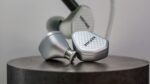
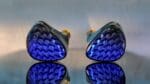
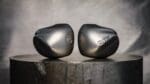
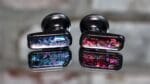
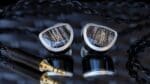
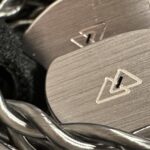
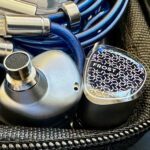
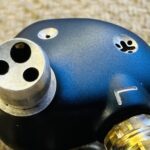
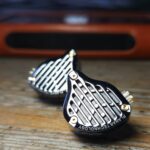
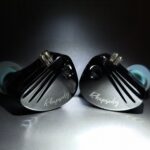
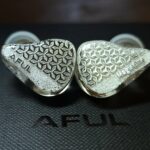
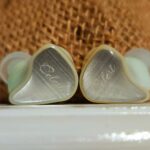
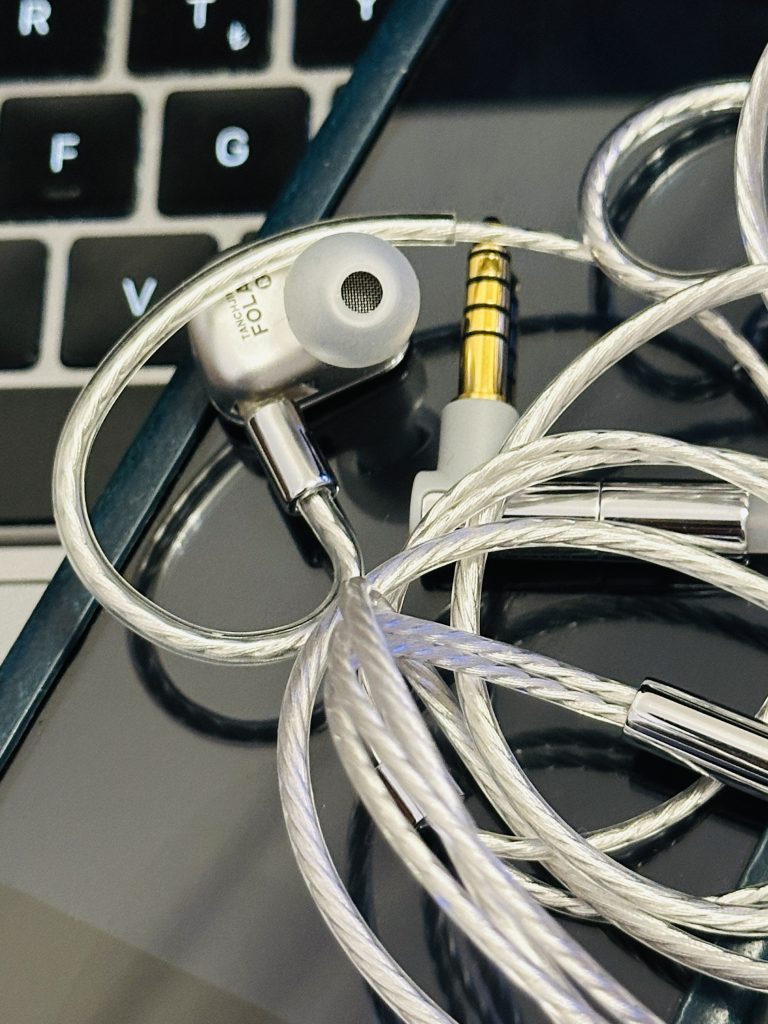
The shell design is minimalist yet full of purpose. Those small air vents? They’re not just for pressure; they help the stage breathe. Compared to the older sibling, FOLA keeps that emotional warmth but adds a new sense of precision. Lets look at unboxing shots and video below.


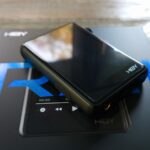
Technical Impressions (HiBy R4, 4.4mm Balanced)
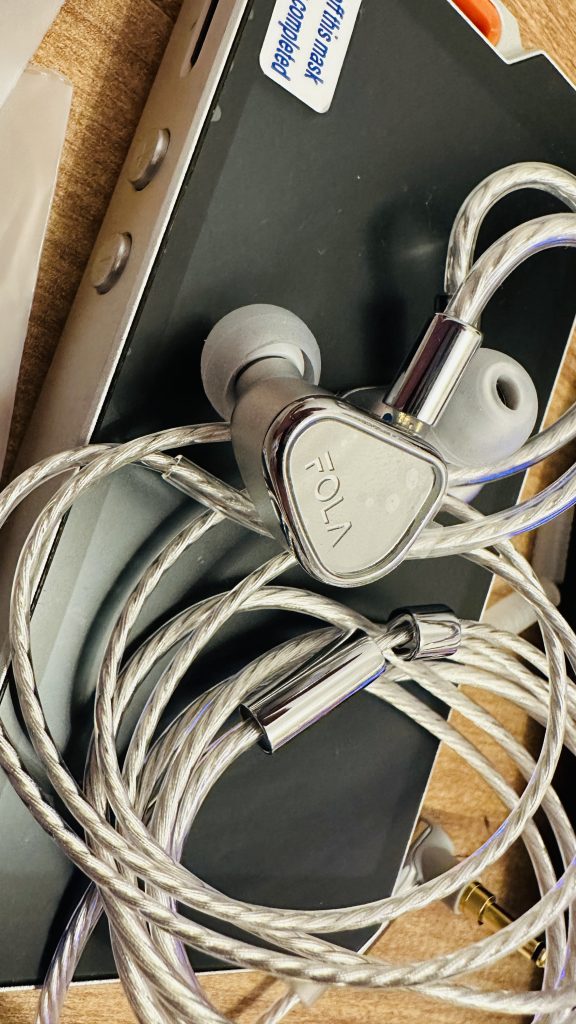
FOLA sits on the neutral line, but not the kind that sucks the life out of music. This is a neutral that moves.
The stage is wide — surprisingly so for a closed IEM. Instruments exist in space with a little air between them (and yes, I caught myself smiling at that).
The separation is stellar. Even when a track gets messy, FOLA holds the mix together. It lets silence work as part of the composition — something rare below true reference gear.
With 4.4mm balanced output, resolution jumps without skewing the tonality. It’s not louder — it’s clearer, more confident. That’s when you realize FOLA’s resolution comes from refinement, not brightness.
Bass
Low frequencies are tight, measured, and articulate. When the bass hits, it hits clean.
Mid-bass transitions are handled gracefully, so even fast passages stay defined. Electronic tracks — Knife Party, Pendulum — show this off beautifully. There’s slam, yes, but never excess.
With balanced output, sub-bass presence deepens without overstepping. What improves isn’t quantity — it’s definition. You start noticing texture instead of volume. (That’s always a good sign.)
Midrange
This is where FOLA starts to talk back. Vocals are lifelike, warm without veil, and rich in microdetail. I could literally hear the lips parting and breaths being taken (that’s not poetic — it’s real).
Instruments feel right in scale; guitars have body, pianos fall naturally, and nothing fights for attention.
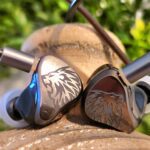
Compared to NORA, FOLA has more light. The mids open up, revealing a soft radiance that doesn’t scream for attention but still draws you in.
Vocals sit naturally in the mix — not in your face, not hiding. That balance alone makes it easy to forget you’re “evaluating” anything at all.
Treble
Treble flows smoothly. There’s brightness, but no sting. In Ilya – Belissimo, the brass shimmer slides across the soundscape like sunlight on still water.
Those Bond-style string arrangements surround the vocal, while distant organic percussion anchors the space. It’s cinematic but intimate.
FOLA’s upper range is articulate, not aggressive. It opens the stage, adds air, but never turns sharp. You get shimmer, not glare — that delicate difference that separates good tuning from mature tuning.
Tuning Nozzle Variations (HiBy R4, 4.4mm BAL fixed)
Swapping nozzles on FOLA doesn’t just change tone — it shifts the emotional color of the music.
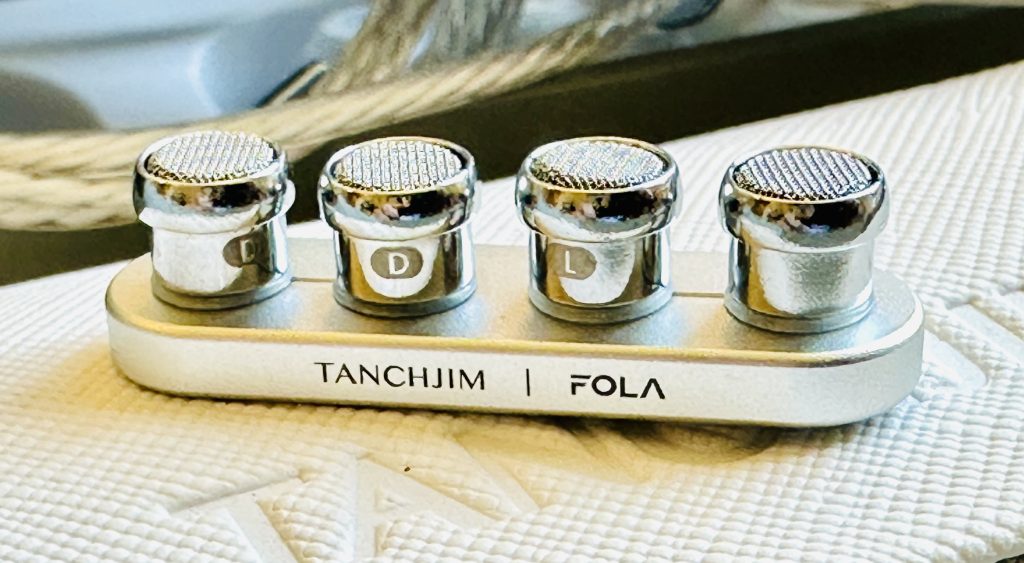
“S” Nozzle: This is the most balanced configuration — the one that truly represents FOLA’s core personality. It’s also the nozzle used for this review. Everything sounds settled and natural, with no frequency trying to steal the spotlight.
“D” Nozzle: Adds a touch more bass weight, giving notes a fuller tone, but vocals pull back slightly. On some tracks that warmth feels lovely; on others, especially vocal-driven ones, the midrange feels a bit restrained.
“L” Nozzle: The brightest of the three. It lifts upper detail and sparkle, making acoustic instruments shimmer and cymbals pop, though it can get a little forward over long sessions.
Personally, I keep returning to stock. It’s where FOLA sounds most “like itself.”
But the fact that one IEM can wear three different moods — that’s something few competitors pull off.
Source Results
HiBy R4 (4.4mm BAL)
FOLA pairs exceptionally well with the R4. The synergy feels natural — transparent, fast, and tonally honest.
PRaT (pace, rhythm, timing) is spot-on. The presentation doesn’t feel processed; it feels true. Music flows, like it was never meant to be analyzed — just experienced.
Cayin N8ii
Switching to Cayin N8ii changes the scenery. The stage grows taller and deeper, instruments gain space to breathe.
In Class A mode, FOLA behaves almost like a studio monitor. Bass digs deeper, treble extends further, and the sense of realism expands.
Yet strangely, it feels more formal — less intimate. The R4 tells you a story; the N8ii performs it. Both are impressive, but in different languages.
USB-C Direct Connection
USB-C connection keeps FOLA’s tone but narrows the room. The air is thinner, the image more forward.
For convenience, it’s solid. But switch back to 4.4mm and the depth rushes in again — like someone opened the curtains.
Pros & Cons
Pros
- High resolution from DMT5 architecture
- Natural neutrality with musical warmth
- Excellent separation and staging
- Three tuning nozzles = three personalities
- Smooth treble and realistic vocals
- Premium build quality, ergonomic fit
Cons
- 3.5mm output limits width and authority
- USB-C reduces ambience and space
- Tight nozzle threads (swapping needs care)
- Analytical tone might feel serious for casuals
Conclusions Of Tanchjim FOLA Review
FOLA feels like Tanchjim’s moment of self-assurance — a point where they stopped chasing trends and simply tuned for truth.
It keeps the brand’s warmth but matures the delivery: more air, more definition, more depth.
On 4.4mm balanced, it feels alive; on USB-C, it’s still itself, just less expressive.
This isn’t an IEM made to dissect music. It’s made to live inside it.
Three words?
Transparent. Refined. Immersive.
(And if I had to add one more — Real.)





No Comment! Be the first one.