






































































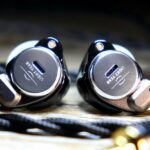
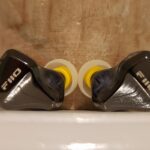

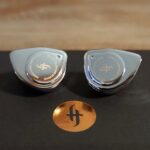



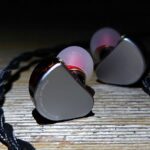


















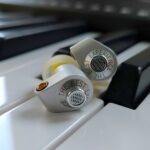





Sonic Memory SM1 Lite
At first there was SW500H.The very first thing that hit me was how realistic the wind instruments sounded and how the background carried a nice fullness and energy. For something at this price, the clarity and openness are actually pretty impressive. Big orchestral swells don’t quite give you every fine detail, but they do manage to capture the drama of the rise, the fall, and the final crash in a convincing way. After that, when the chorus comes in and the drums follow, you realize it’s still giving you more than you expect for the price.
Table Of Content
When it comes to faster, more aggressive tracks, SM1 Lite shows off its strengths: control in chaos, speed, punch, and a sense of transparency that makes it stand out in its range. Toward the end of one piece, I noticed strings getting a little more recessed, a bit washed out compared to the rest. On more playful songs, though, the energy is contagious—the snappy drums and crunchy guitars bring a lot of fun, even if everything sits a little close together in the mix.
Switching to electronic music, you get the same impression: impact, rhythm, and surprising clarity. It plays above its weight. In some ways it feels like many newer brands are chasing this same balance—separating elements just enough to give each a place. On live tracks, the vocals sit front and center, while instruments in the background can feel a little blurred. But the moment the voice stops, the musicality of the band itself shines through.


Sound Overview
Technically speaking, SM1 Lite is good at the big picture dynamics—those rises, drops, and bursts of energy come across naturally. It’s quick enough that fast passages don’t stumble, and there’s a real sense of drive and timing that keeps your foot tapping. The soundstage is about average width, but depth is handled better than expected; you can tell where things are coming from, even if in dense moments the edges blur together.
Tonally, there’s a sweet spot around the midrange that gives body to horns and presence to vocals. Strings and some subtle background layers can get pushed back, which makes me think the upper mids and highs don’t always get the breathing room they need. The nice thing is, it reacts well to good recordings—feed it quality and it noticeably levels up. On weaker mixes, the transparency shows flaws more easily.


Bass
The bass is tight and punchy. Mid-bass hits are satisfying without being overwhelming, and sub-bass reaches down well enough to give weight to electronic beats. It doesn’t flood the stage, but it keeps the rhythm grounded and adds energy. Texture is present but not ultra-defined—it keeps the groove without over-analyzing the details.
In busy drum passages, the low end provides body and fills space nicely, though it can bleed a little into the mids on certain recordings. Depending on tips and source, you can nudge it toward more warmth or more tightness, which adds flexibility.
Midrange
Vocals are clean, centered, and close, which makes them engaging on live recordings. Horns carry natural color and sit comfortably in the mix. Instruments overall are laid out in a simple, understandable way, which helps with long, fatigue-free listening.
That said, when everything plays at once—like in a big orchestral passage—the mids don’t always resolve every strand. Strings can fade into the background, and the chorus can sound a little flat. Still, it handles vocals smoothly and avoids harshness, even on bright tracks, which is a strength.
Treble
The highs are crisp and lively without being sharp. Cymbals snap with decent realism, and the top end adds sparkle to keep the sound open. There’s enough air to avoid feeling congested, and sibilance is well under control.
At the very top, extension is limited by the price bracket—it’s enough to suggest “air” but not to create an endless sky above the music. In dense mixes, small details like cymbal trails or room reverb can get masked. With simpler, acoustic content, though, those same details stand out clearly.
Source & Tip Pairing
- Easy to drive: At 16Ω, 103 dB, even a phone with a decent dongle drives it comfortably.
- Source match: A warmer source smooths out the treble and gives the bass more body, while a brighter source makes the highs extra crispy.
- Tips:
- Wide-bore silicone → more open stage, tighter bass, brighter treble
- Narrow-bore silicone → fuller bass, warmer mids, slightly calmer highs
- Foam → softens edges, tames brightness, but can reduce sparkle
- Wide-bore silicone → more open stage, tighter bass, brighter treble
Source Match – Snowsky Echo Mini
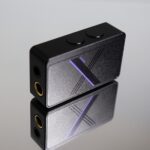
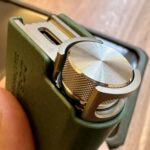
Paired with the Snowsky Echo Mini, SM1 Lite shows off how easy to drive it really is. The pairing keeps the sound clean and balanced without forcing me to push the volume too high. The Echo Mini adds a bit of extra control in the bass—notes feel tighter and better outlined, especially in fast passages. It doesn’t inflate the low end, but rather helps keep it from spilling over into the mids.

What surprised me was how the Echo Mini’s slightly open and airy character gave the mids and highs more space. Vocals sound less congested, and cymbals ring out more clearly compared to plugging directly into a phone. The soundstage doesn’t magically become huge, but instruments breathe a little easier, and the overall presentation feels more polished. For a compact and budget-friendly setup, the SM1 Lite + Snowsky Echo Mini combo works really well, striking a balance between driveability, refinement, and musicality.
Source Match – Snowsky Echo Mini vs HiBy R4
With the Snowsky Echo Mini, SM1 Lite plays right into its strengths. It’s easy to drive, and the Echo Mini keeps the presentation tidy without adding artificial weight. Bass is tight and well-controlled, giving drums more snap while avoiding midrange bleed. The Echo Mini’s slightly airy, open character also helps instruments and vocals breathe more freely, so the overall stage feels uncluttered. It’s a neat, pocket-friendly pairing that doesn’t overcomplicate things and still manages to make the Lite sound more polished than a direct phone output.
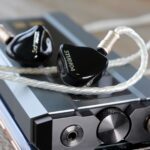
Switching over to the HiBy R4, the picture changes. The R4 has more authority and scale, which gives SM1 Lite a punchier, fuller low end. Orchestral sweeps feel larger, and the extra headroom makes crescendos more dramatic. Compared to the Echo Mini, the R4 also layers instruments better in busy tracks, keeping strings and backing elements more audible instead of fading into the background. On the flip side, the R4’s bolder presentation can bring the highs a bit more forward, while the Echo Mini keeps them smoother and lighter.
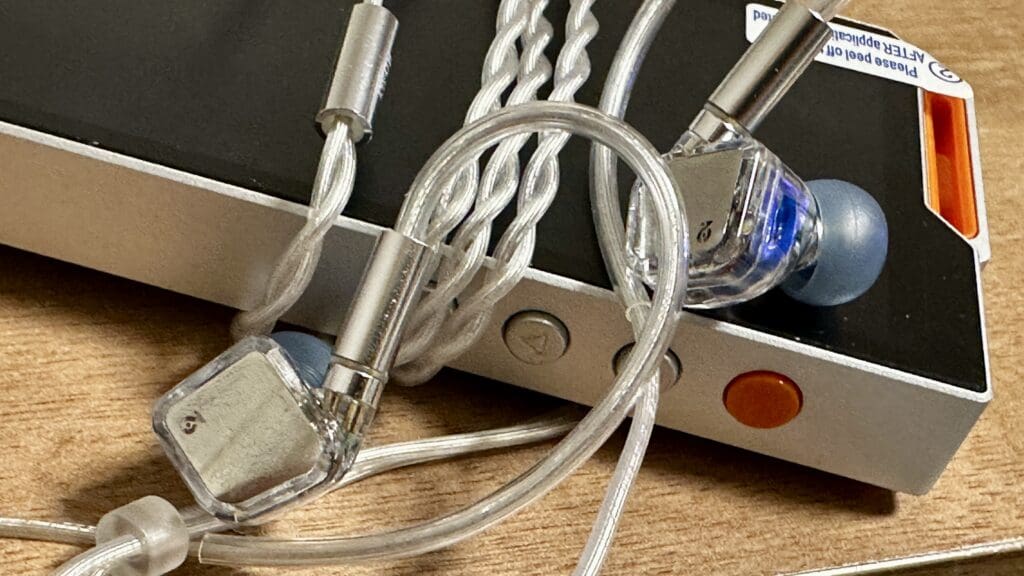
In short: if you want clean, compact, and easy listening, the Echo Mini is great. If you’re after bigger dynamics and more separation, the R4 pulls ahead.
Pros & Cons
Pros
- Clear, lively, and dynamic for the price
- Strong sense of rhythm and punch
- Natural horns, solid vocals
- Easy to drive, responsive to source/tips
Cons
- Can lose fine detail in busy mixes
- Strings and background layers sometimes recessed
- Stage width average, not expansive
- Resolution capped at its price tier
Conclusion of SM1 Lite Review
SM1 Lite delivers an energetic and engaging sound without stretching your budget. It thrives on giving you the big emotional swings—those rises, falls, and bursts of impact—while keeping things fun and lively in faster genres. The trade-off is in the finer details: subtle layers and textures sometimes slip through the cracks, and the soundstage remains modest. But that’s expected at this level.
What makes the Lite more interesting is how it scales with different sources. Paired with the Snowsky Echo Mini, it keeps things neat, tight, and smooth—perfect for everyday carry or casual sessions without fatigue. With the HiBy R4, though, it steps up a level, offering more slam, space, and layering. This shows that SM1 Lite isn’t just a budget throwaway; it has room to grow with the gear you pair it with.
In short: if you value drive, rhythm, and musicality, this is a clear contender in its class. And with the right source, it can give you those “wow, didn’t expect that” moments that make budget gear so rewarding.





No Comment! Be the first one.