

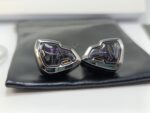


































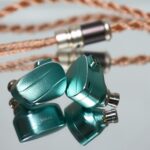
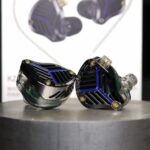

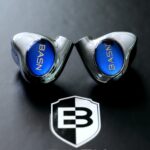

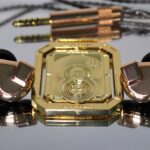
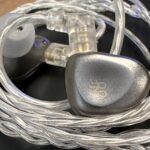


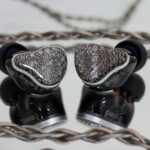
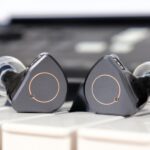







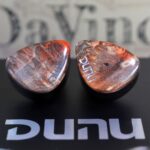

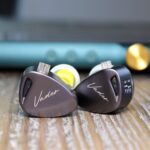
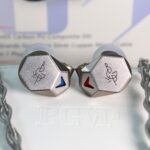

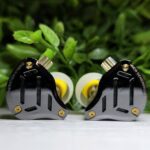
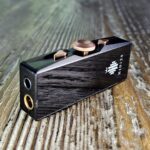


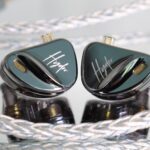
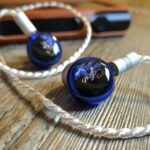
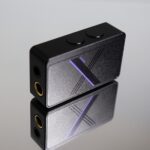
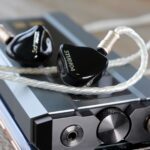
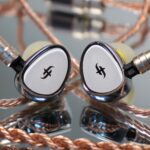





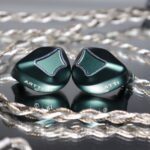
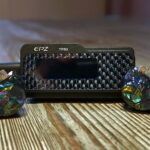
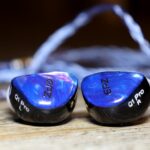



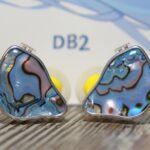
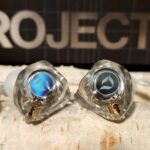


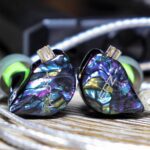
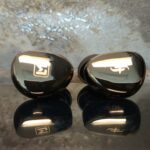
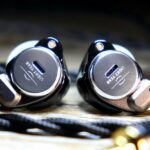
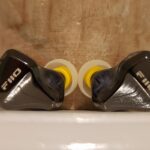

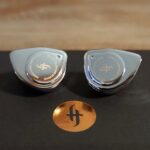

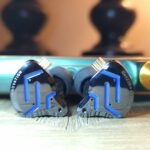

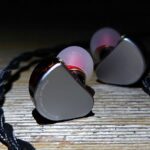




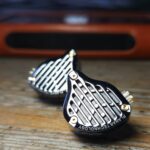
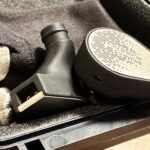
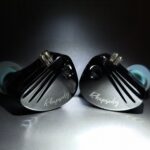

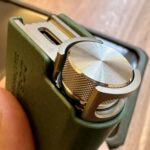





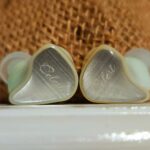





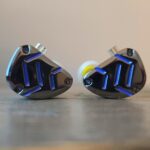
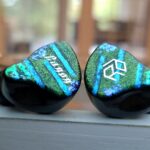




Letshuoer EMBER review begins..
Letshuoer is a brand most of us have followed for years, not because they constantly chase trends, but because they usually know when to move. After slightly softening their image with compact and playful releases like the D02, they suddenly changed direction. First came the S12 Ultra, a clear statement piece. Not long after, EMBER followed.
Table Of Content
- First Impressions (Listening Notes)
- Build, Box & Accessories
- Sound Overview
- Bass
- Midrange
- Treble
- Source Matching
- Eartip Matching
- Pros
- Cons
- Conclusion of the Letshuoer EMBER review
- Specifications (Quick Overview)
- Fit, Comfort & Isolation
- Driveability & Power Requirements
- Genre Matching
- Who Is Letshuoer EMBER For?
- Who Should Skip It?
- Final Verdict
Different price, different segment, different responsibility.
At this point, before the EJ series officially enters the picture, EMBER feels like Letshuoer’s new mid-level authority. Not a budget experiment, not a flagship flex — but a model that’s clearly meant to define the middle ground. And that’s usually the hardest place to get right.
First Impressions (Listening Notes)
Listening through the HiBy R4 with Qobuz streaming, my first reaction with electronic music — David Guetta in this case — was a sense of calm control. The tuning sits somewhere between neutral and warm. The background feels open, not crowded, and the overall headroom is wider than expected for this segment.
Bass is quick and effective, but what caught my attention was something subtler: those tiny millisecond-long effects right before the main bass hits. EMBER doesn’t blur or skip them. They’re there, clearly audible, which already hints at good transient handling.
Switching randomly to Belle, the emotional structure of the musical comes through convincingly. Esmeralda’s love feels persuasive, not sweetened. The hunchback’s pain is bent, heavy, almost lament-like. The priest and the soldier keep their own tonal identities, and in the trio chorus, the hierarchy is clear: the highest cry comes from the crushed hunchback, while the priest stays lower, restrained, conflicted, almost ashamed. It’s storytelling, not just sound.
With Story of My Life, that subtle French atmosphere takes over again. Bells, choirs, and youthful, energetic vocals sit clearly in front. Everything is clean. Every element in the recording can be picked out independently. Bass hits with energy — the kind that makes you move without forcing it. At no point did the presentation feel synthetic. If the Effect Audio collaboration played a role here, it’s doing its job quietly.
Build, Box & Accessories
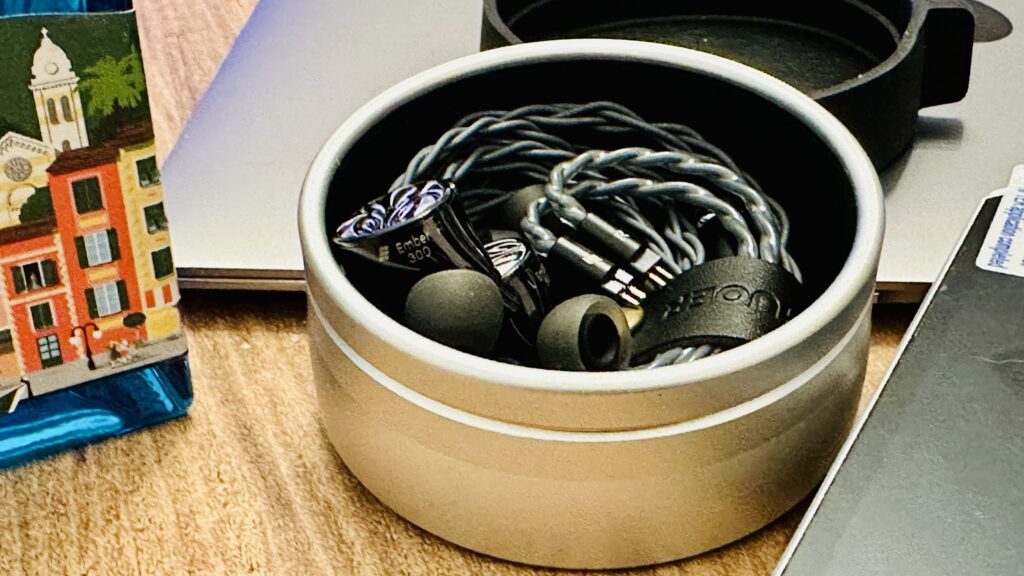
Putting aside the mug-style cable pouch first seen with the Mystic 8, the overall presentation is minimal but satisfying. The box contents feel intentional rather than generous-for-show. Nothing flashy, nothing missing.


The cable itself feels like a step above what we usually see at this level, both in handling and perceived quality. It doesn’t scream “upgrade cable,” but it also never feels like something you’ll immediately want to replace.
Sound Overview
With narrow-bore eartips, EMBER’s technical performance sits comfortably above average — roughly an 85/100 in this context. What matters more is how that performance is used.
In naturally recorded genres like blues, the bass guitar knows when to support and when to step forward. Keyboards come through with body and clarity, and even when multiple elements move at the same time, nothing gets overshadowed. This is especially noticeable with percussion-heavy recordings. If you enjoy rhythm-driven music aka Latin recordings, complex percussion layers — EMBER handles that flow with ease. Timing feels right, and energy is distributed evenly across the spectrum.
Bass
The bass is what I’d call well-mannered. It respects its boundaries. It doesn’t leak, it doesn’t dominate, and it doesn’t try to impress with sheer quantity. Attack and decay are controlled, and the notes are rounded just enough to feel natural without turning soft.
This discipline keeps separation intact. Even when the low end gets busy, it doesn’t smear into the midrange. There’s enough punch to stay engaging, but never at the cost of structure. If EMBER didn’t have this balance, the entire tuning would collapse — thankfully, it doesn’t. In electronic tracks, bass hits cleanly and stops on time. In acoustic material, it supports rather than steals attention. That balance is harder to achieve than it sounds.
Midrange
The midrange edges are smoothed carefully, which makes long listening sessions easy. Nothing feels sharp, shouty, or compressed. Whether it’s a full philharmonic orchestra, dense arrangements like Haggard, or passages dominated by minor tonalities, EMBER keeps things alive and emotionally intact.
Vocals sit naturally in the mix. They’re not pushed forward artificially, but they’re never distant either. Male and female vocals both benefit from this relaxed positioning or expressive without being demanding. There’s a sense of effortlessness here. The midrange doesn’t try to show detail; it simply lets it exist.
Treble
Treble is handled with confident control and just enough enthusiasm. We’re dealing with a large planar driver, and that shows itself more in extension and coherence than in sharp sparkle.
Compared to many dynamic-driver implementations, EMBER offers a wider frequency reach and better control at the top. It doesn’t chase brightness, but it also avoids sounding rolled off or muted. Treble energy is present, stable, and mature. Cymbals decay naturally, air is there when the recording calls for it, and fatigue stays away even after longer sessions.
Source & Eartip Synergy
Source Matching
EMBER is not particularly source-picky, but it does scale in a noticeable and meaningful way. With the HiBy R4, especially when streaming via Qobuz, the overall presentation feels balanced and confident. The neutral-to-warm tuning of the R4 pairs well with EMBER’s disciplined low end and smooth midrange, keeping the sound engaging without pushing it into analytical territory.
What stands out with better sources is transient clarity. Those small pre-impact details — especially in electronic music and well-recorded percussion — become easier to catch. EMBER doesn’t suddenly transform, but it tightens its timing and opens up its headroom slightly. It rewards cleaner sources with better control rather than exaggerated detail, which feels like an intentional tuning choice.
Eartip Matching
Eartip choice matters more than average here. With narrow-bore tips, EMBER shows its strongest technical side. Bass stays compact and controlled, midrange focus improves, and overall separation becomes more obvious. This setup works especially well for blues, acoustic recordings, orchestral music, and rhythm-driven genres where timing matters.
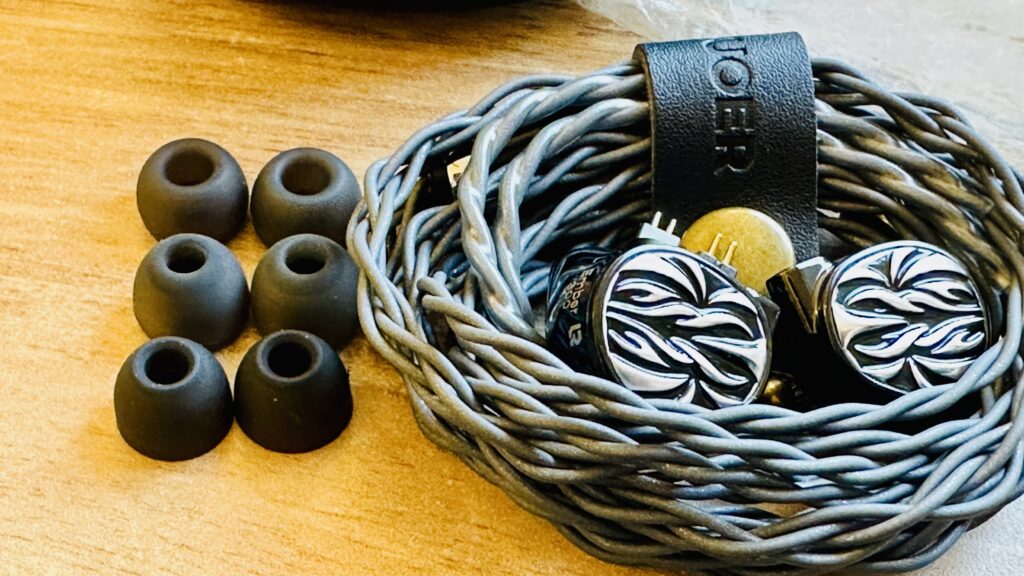
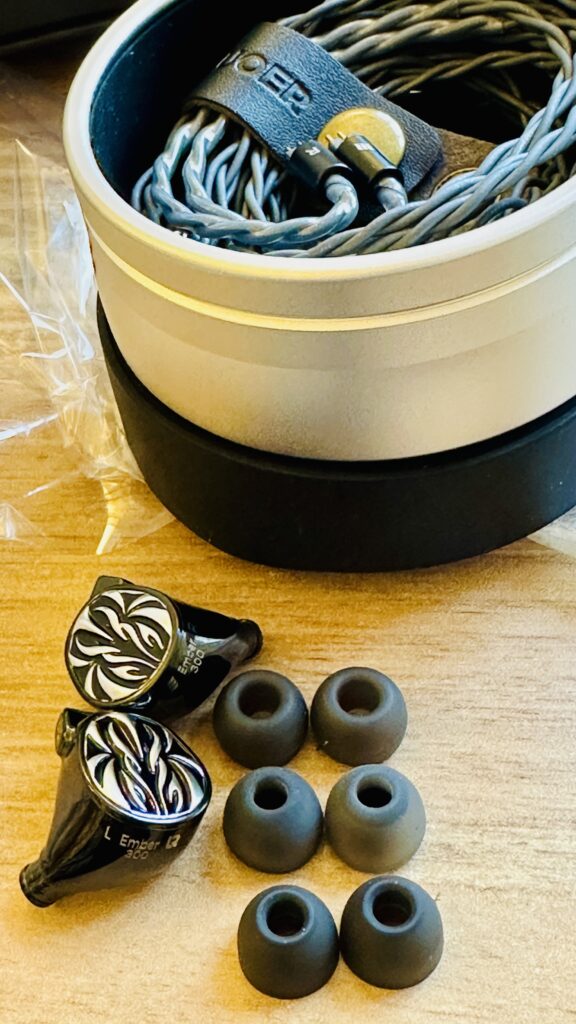
Wider-bore tips shift the balance slightly toward openness and perceived air, but they can also soften bass definition if you’re not careful. For my preferences, narrow-bore tips maintain EMBER’s core identity better: clean, respectful, and well-layered. Tip rolling doesn’t drastically change the signature, but the quality of presentation definitely responds. But the usage of shorter and wide eartips totally withdrew back the presentation and energy.
Pros
- Fast, controlled planar bass
- Clean separation in dense mixes
- Natural, non-fatiguing midrange
- Wide headroom and open background
- Cable and overall tuning feel well considered
Cons
- Not tuned for extreme bassheads
- Tip matching matters more than average
Conclusion of the Letshuoer EMBER review
With Letshuoee EMBER, Letshuoer shows a clear understanding of scaling. This isn’t a model designed to shock or impress on first listen. Instead, it builds confidence gradually, track by track.
It plays close to Letshuoer’s higher-tier philosophy without trying to replace it. For listeners who want technical competence, musical flow, and a mature planar presentation — without stepping fully into flagship territory — EMBER makes a very strong case.

Specifications (Quick Overview)
- Driver type: Large planar magnetic driver
- Shell design: Ergonomic in-ear monitor form
- Cable: Effect Audio collaboration cable
- Termination: Balanced-focused stock configuration
- Target segment: Upper mid-range planar IEM
(Specs deliberately kept concise — focus is on listening experience rather than paper numbers.)
Fit, Comfort & Isolation
EMBER sits securely in the ear without creating pressure hotspots. The shell shape feels familiar if you’ve used recent Letshuoer models, and weight distribution is well balanced. Long sessions are not an issue, especially with narrow-bore silicone tips.
Isolation is above average for a planar design. It’s not stage-monitor level, but more than sufficient for home listening, office use, and commuting without needing high volume.
Driveability & Power Requirements
Despite being a planar IEM, EMBER is not difficult to drive. It runs comfortably from modern dongles and DAPs, but clearly benefits from cleaner amplification. Power improves control rather than raw loudness.
With sources like the HiBy R4, EMBER already sounds complete. Better sources refine timing and micro-detail, but you’re not locked into desktop gear to enjoy it.
Genre Matching
EMBER adapts well across genres, but it shines most with:
- Electronic & modern pop (controlled bass, clean layering)
- Blues & jazz (natural bass guitar and keys balance)
- Orchestral & soundtrack (open headroom, stable imaging)
- Latin & percussion-heavy recordings (timing and separation)
It’s less about genre limitation and more about appreciating recordings that value structure and rhythm.
Who Is Letshuoer EMBER For?
EMBER is ideal for listeners who:
- Want planar speed without aggressive tuning
et - Prefer balance over extremes
- Listen for long sessions and value low fatigue
- Appreciate clean separation more than raw impact
If you’re chasing maximum bass quantity or sharp treble sparkle, EMBER may feel too disciplined. But if you value control and musical flow, it fits naturally.
Who Should Skip It?
- Listeners looking for V-shaped or basshead tuning
- Those who want instant “wow” factor on first listen
- Users who dislike tip rolling or subtle scaling differences
EMBER rewards patience more than instant pleasure.
Final Verdict
The Letshuoer EMBER is a carefully tuned planar IEM that focuses on balance, control, and musical continuity rather than extremes. It plays close to the brand’s higher-tier sound philosophy without stepping into flagship pricing, making it one of the more mature and well-judged releases in its segment.
For listeners seeking a reliable, emotionally intact, and technically capable planar experience, EMBER stands as a quiet but confident choice.





No Comment! Be the first one.