











Disclaimer:
Good morning, MBA readers! Today we’re back to review a fairly entry-level product from Kiwi Ears, specifically the new Kiwi Ears Cadenza 2 model. Luckily, they also sent me the older model so I could make a more accurate comparison.
Table Of Content
I’m not an audiophile; I’m just a guy who likes to test out different IEMs and DACs and spends a lot of time listening to music.
So, I won’t use overly technical words to review it, but I will do my best to describe it.
Tech Specs:
- Driver: 10mm Titanium Dynamic Driver with KARS 2.0
- Diaphragm Material: PET with Titanium Coating
- Rated Impedance: 18Ω (±1Ω)
- Rated Power: 5mW
- Maximum Power: 10mW
- Sensitivity: 106dB (±1dB)@1kHz
- Frequency Response Range: 10Hz–29KHz
- Total Harmonic Distortion (THD): <1%(at 1kHz)
- Channel Difference: <1.5dB(at 1kHz)
- Cable Connector: 0.78mm/2PIN Detachable
- Plug: <3.5mm
- Cable Details: 1.2m, Single-Crystal Copper
Packaging:
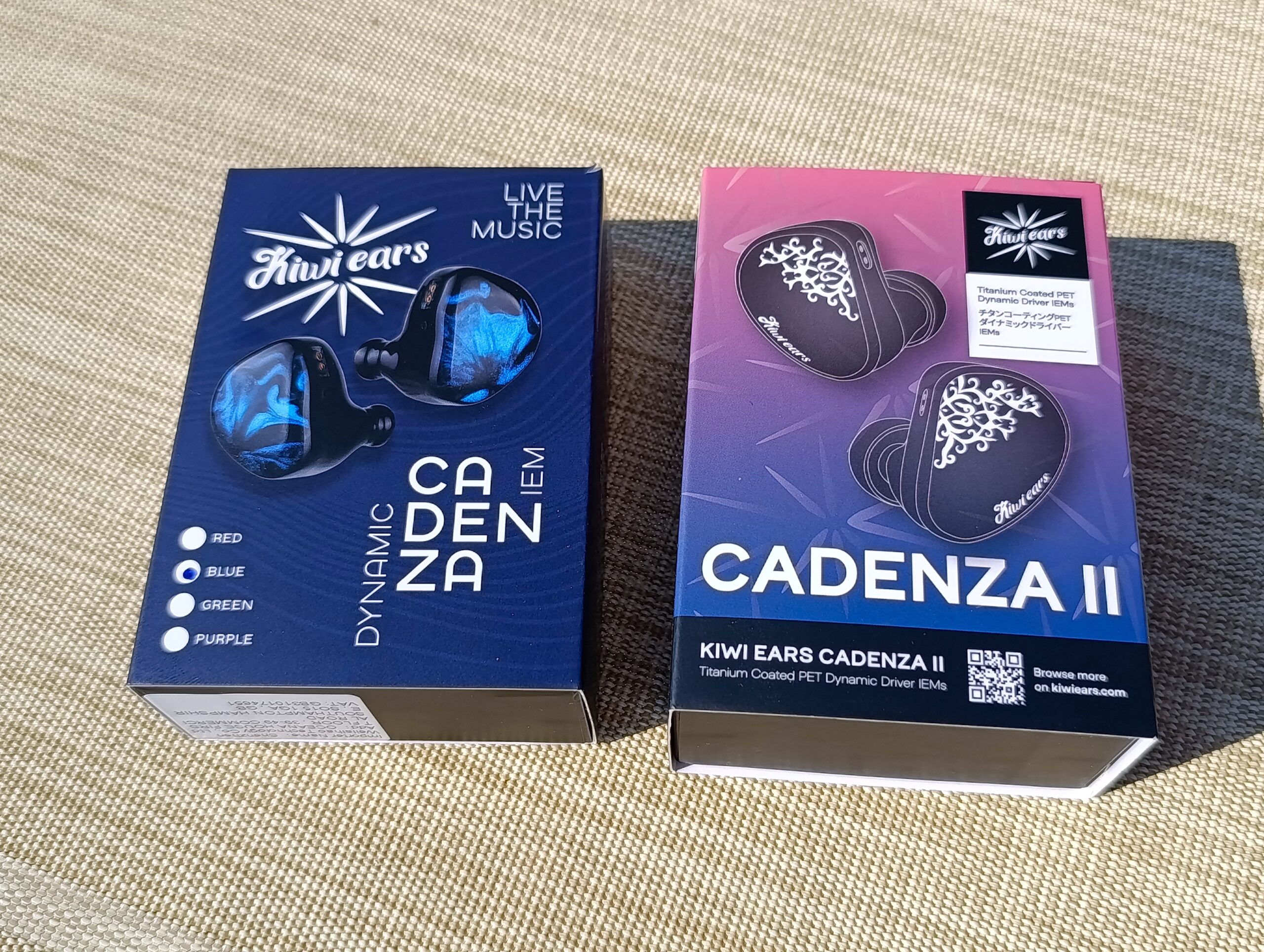
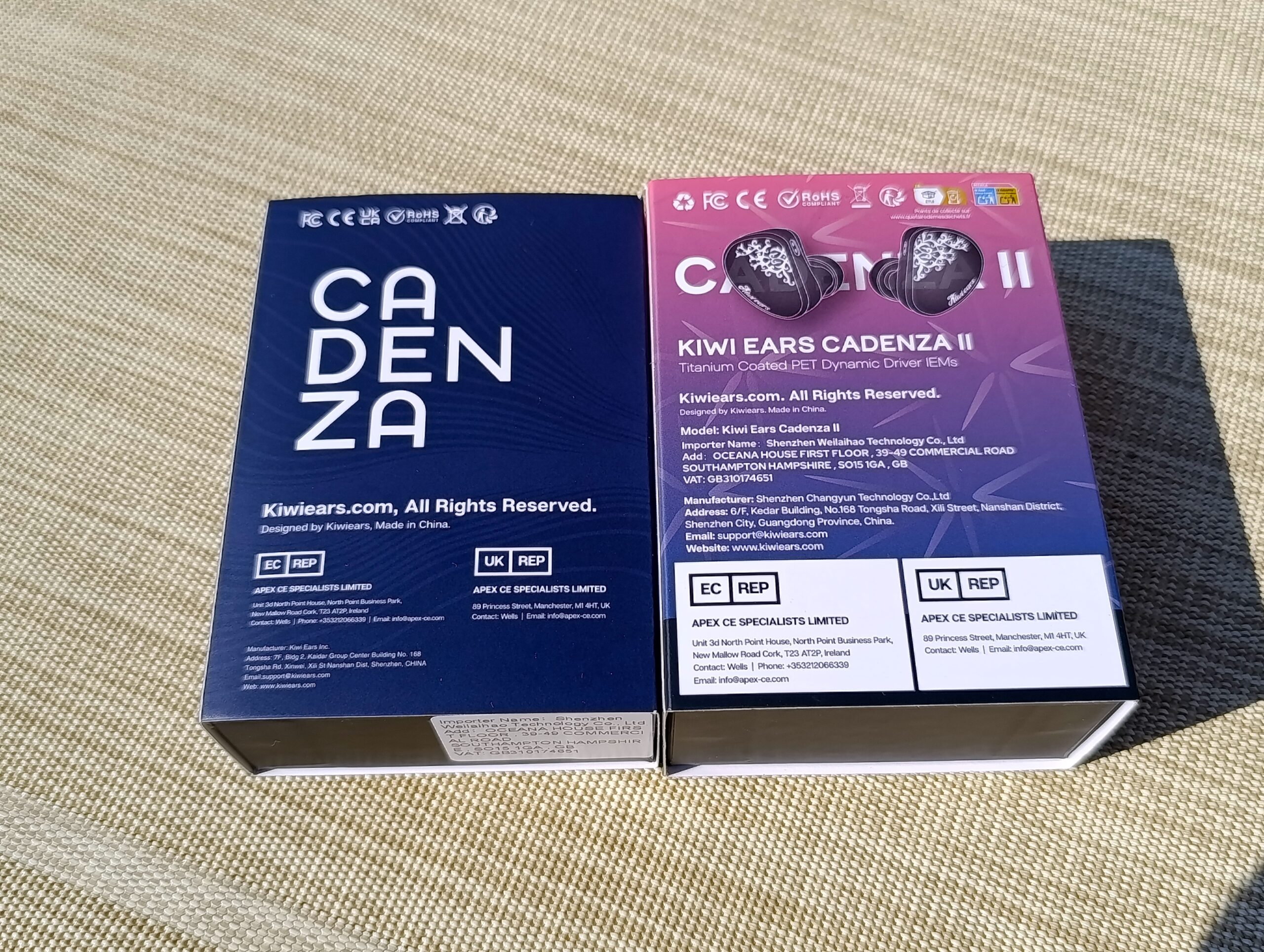
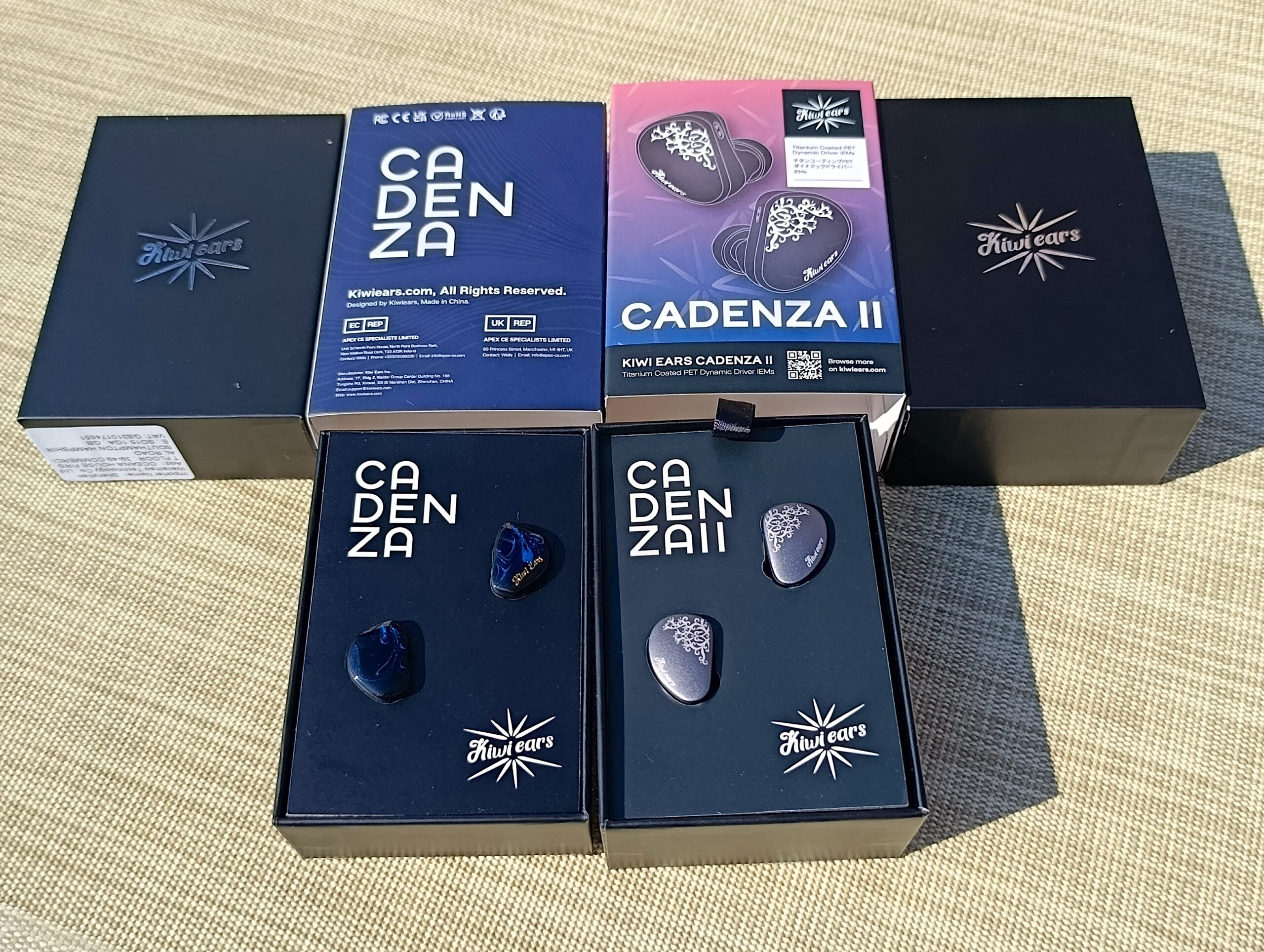
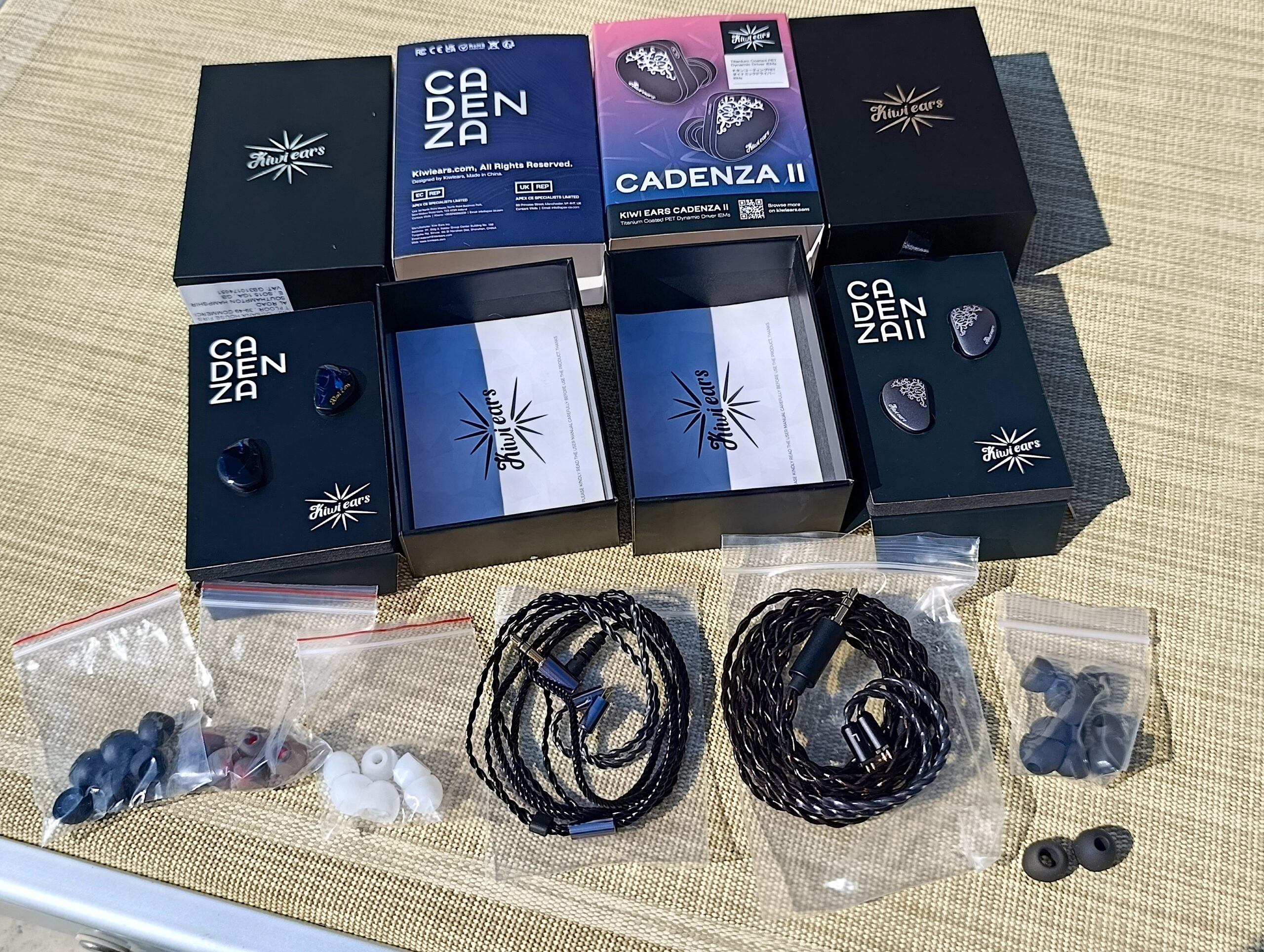
In both cases, the packaging is very similar: a simple box, yet as well-crafted as the product itself. The box contains fewer eartips than the old model, but honestly, I don’t think that’s a problem for anyone, as the first model had all the same eartips.
Inside, we simply find:
- 3.5mm cable
- 6 pairs of eartips divided into two different models
- Manuals and warranties
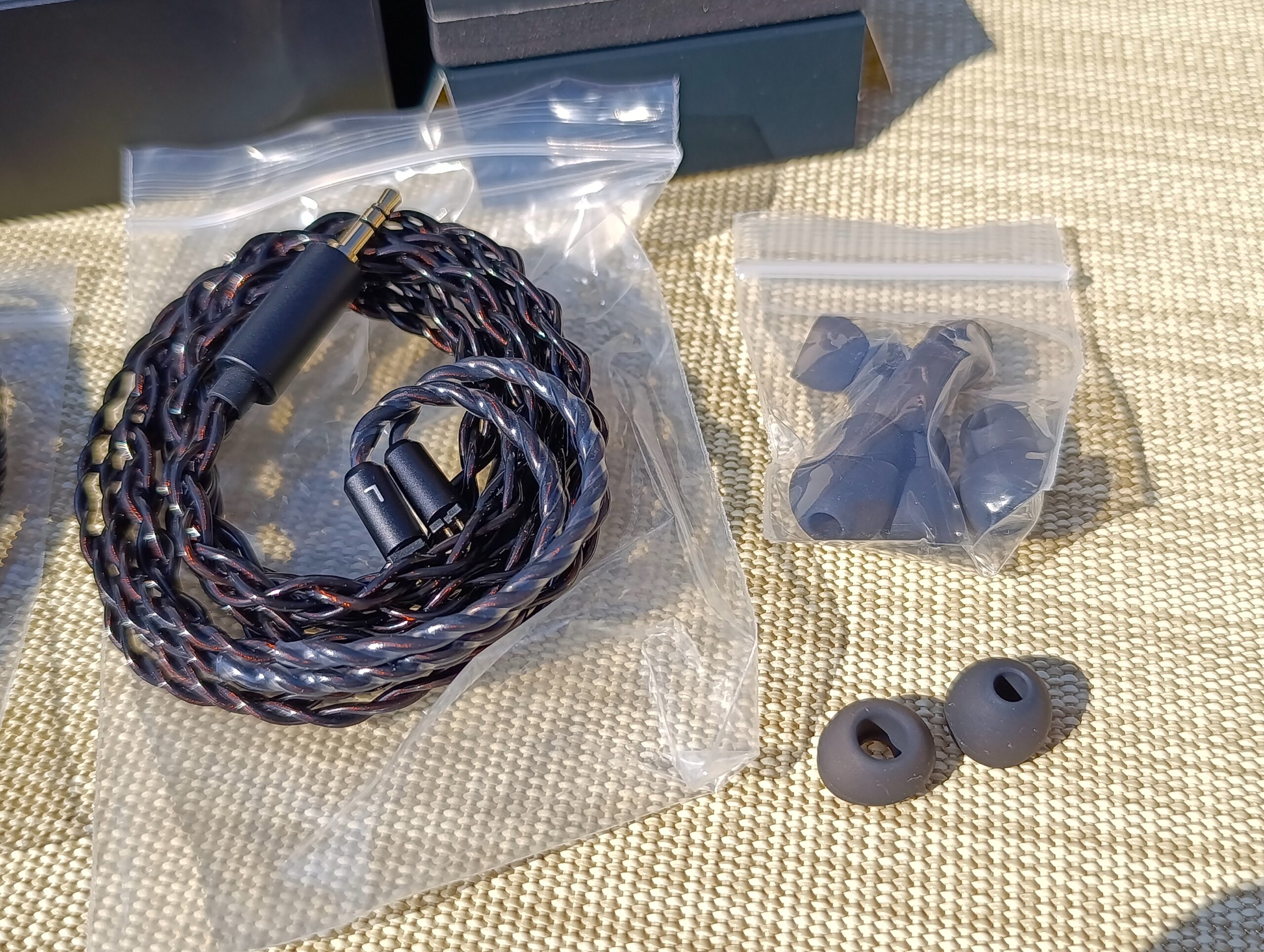
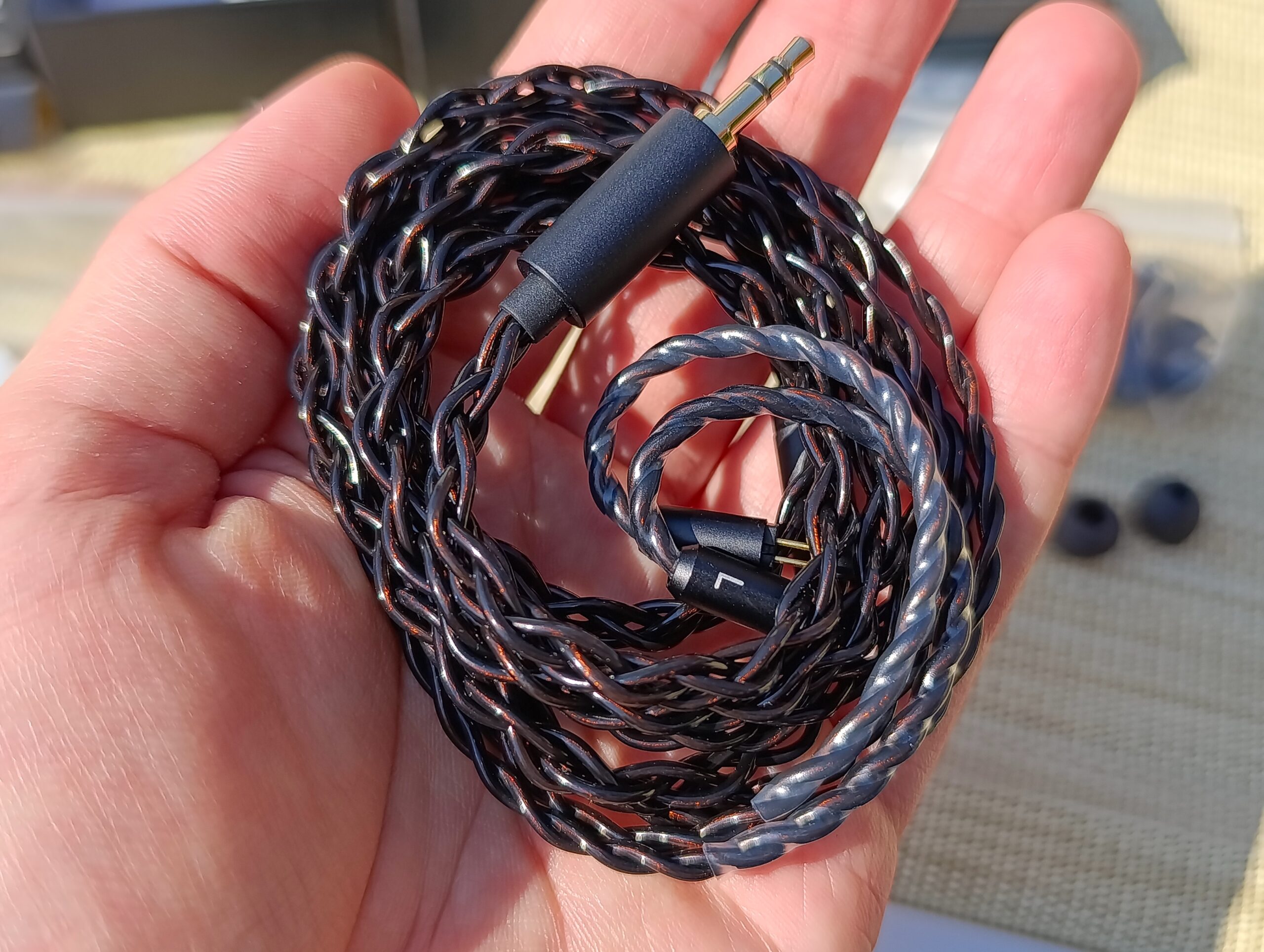
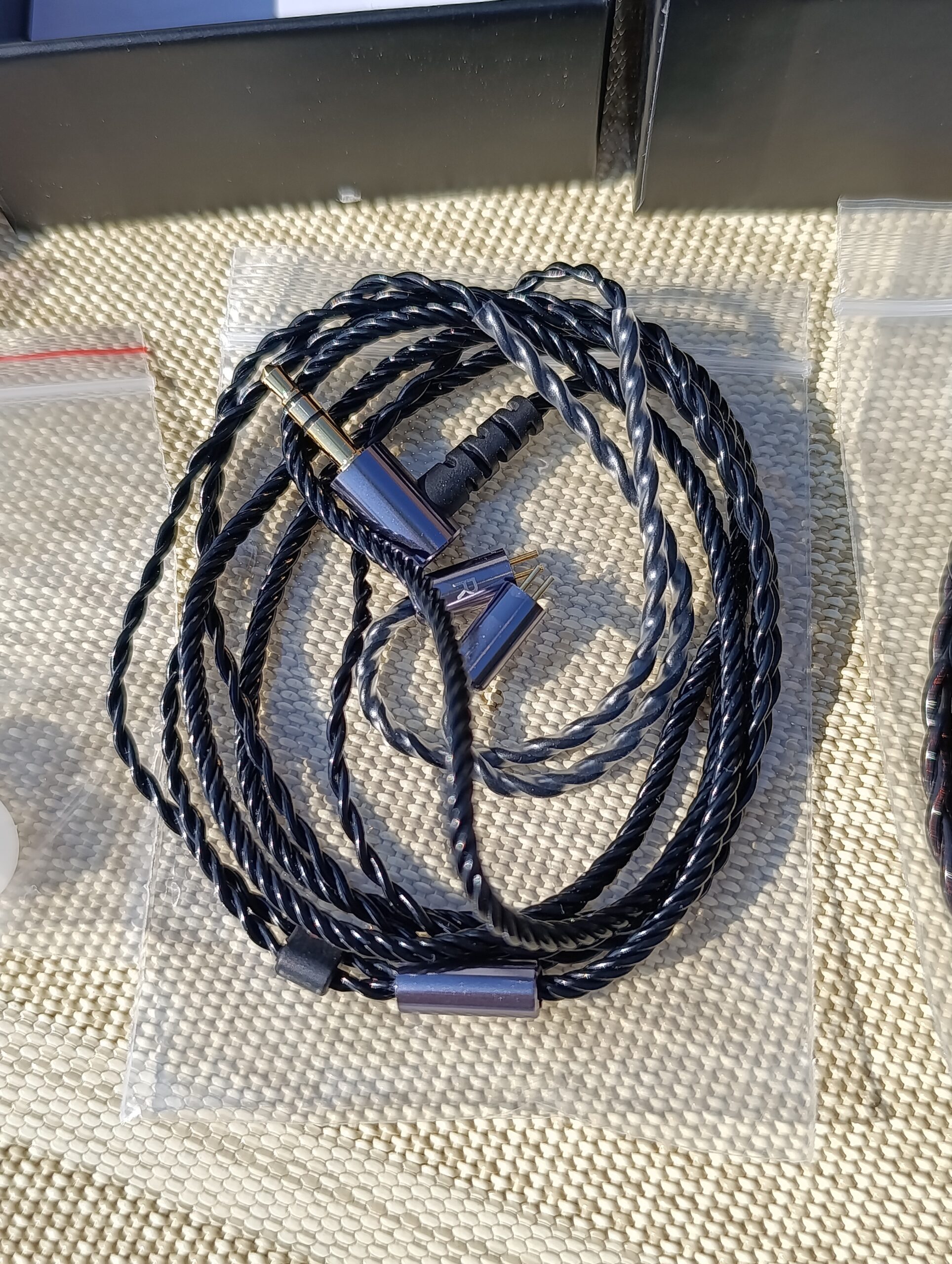
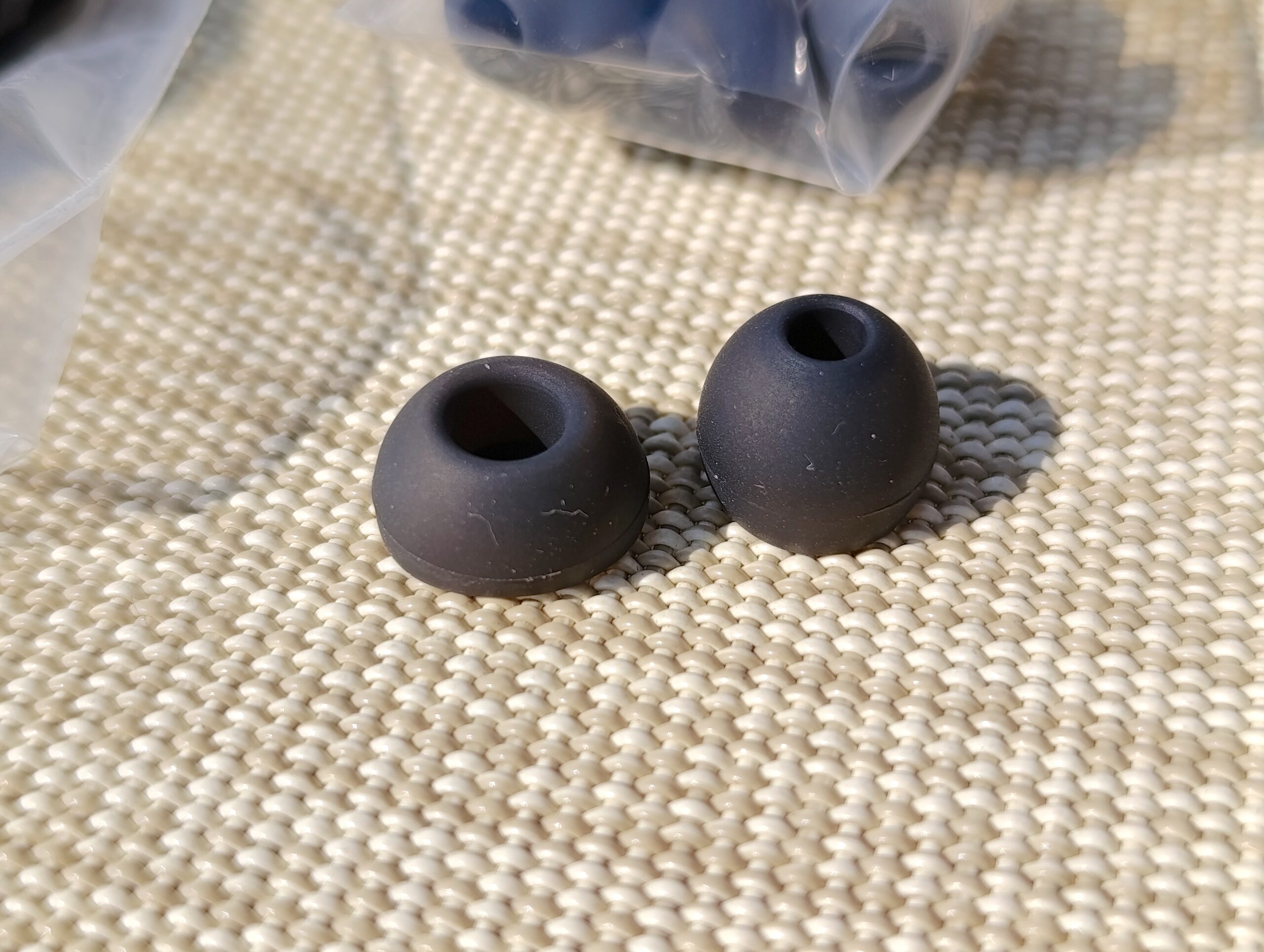
Having two eartip models, including a classic and a widebore, is already something in this price range.
But the clear improvement is in the included cable, which is of a completely different quality, workmanship, and flexibility.
Design/Build quality:
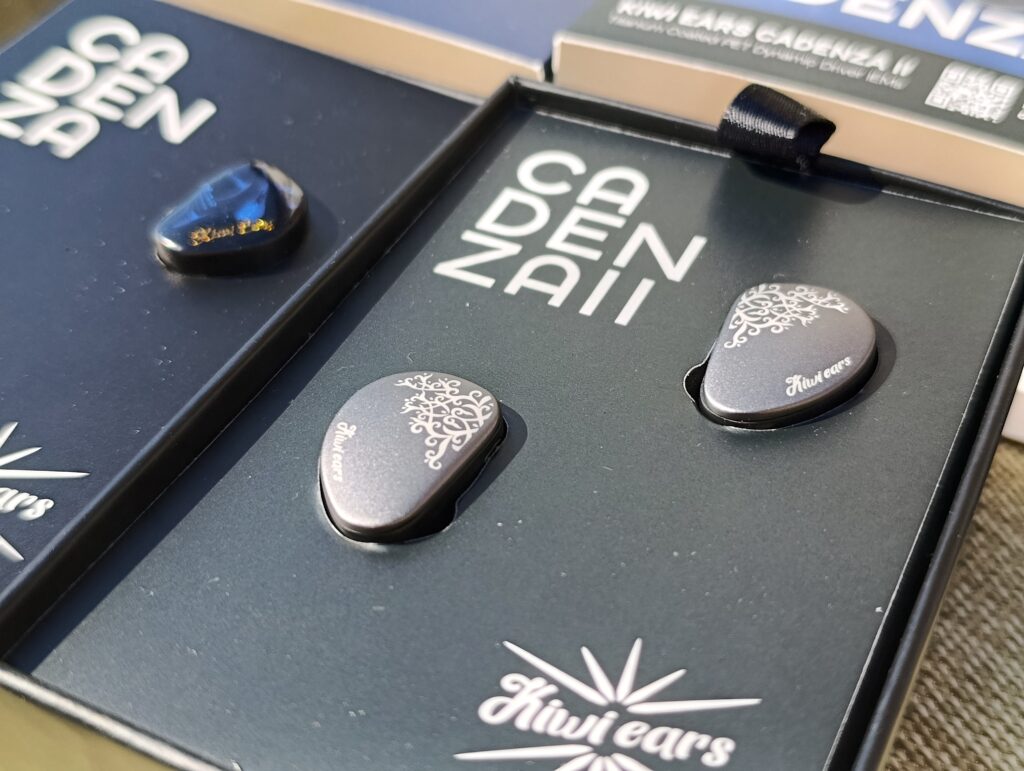
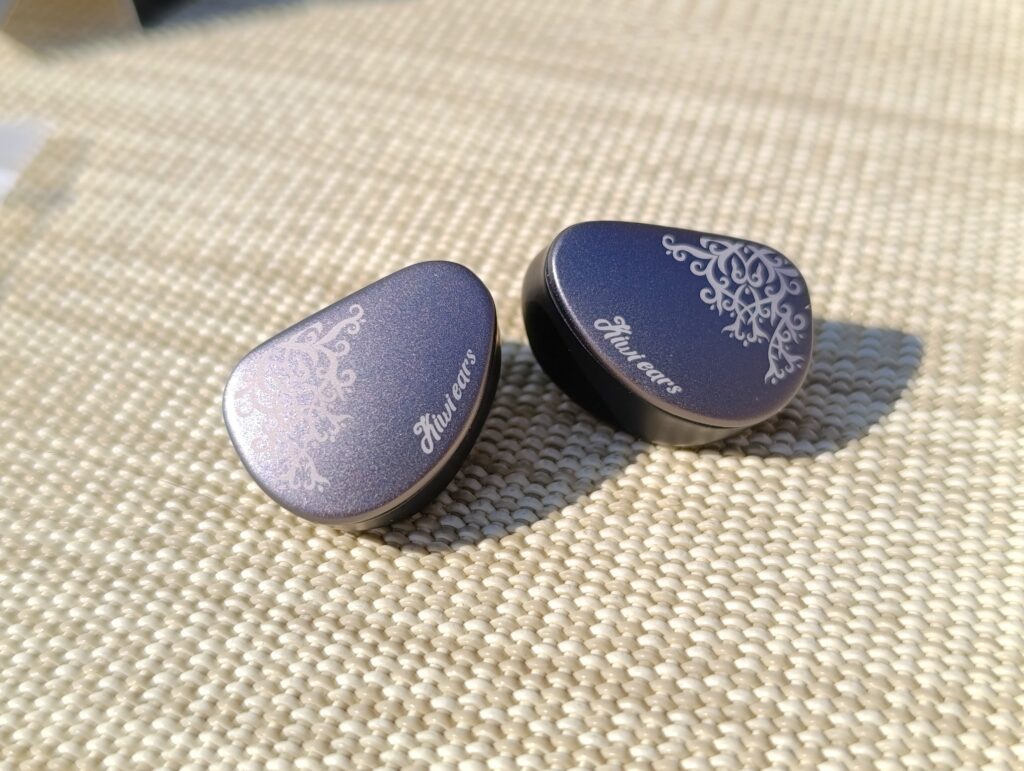
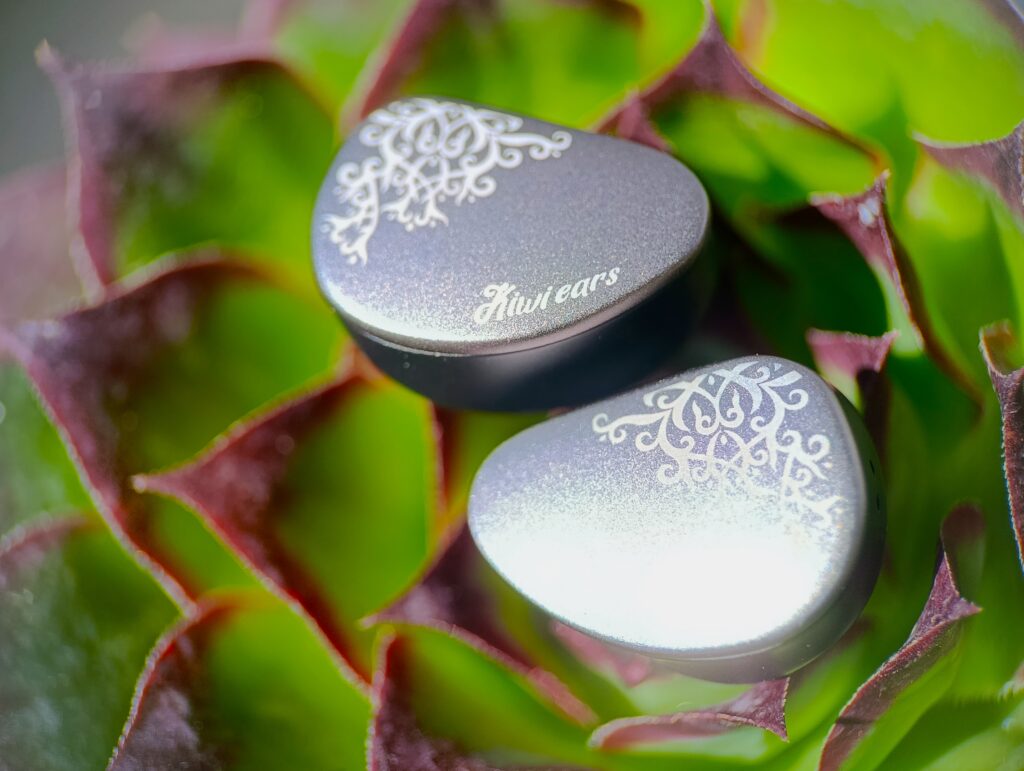
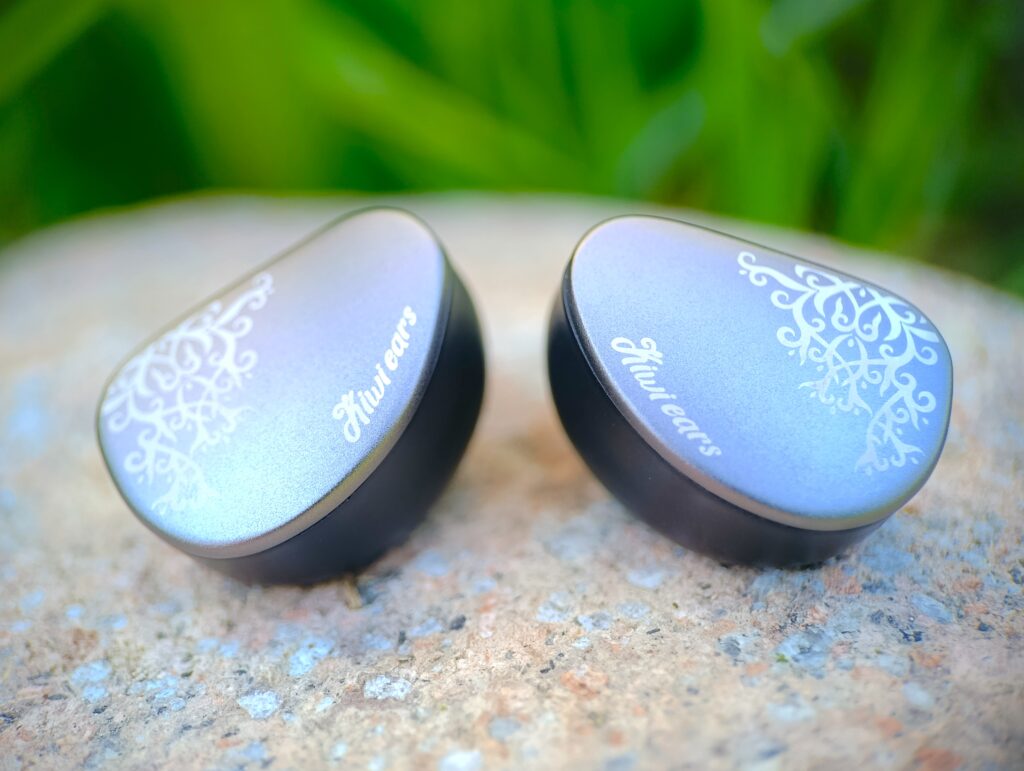
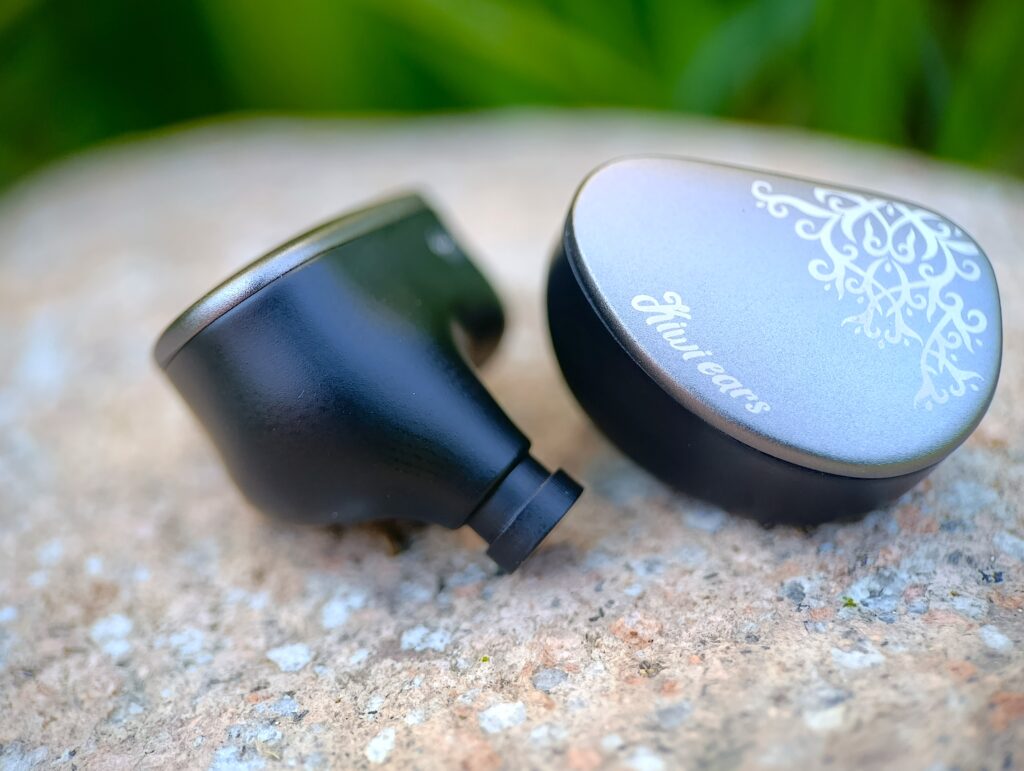
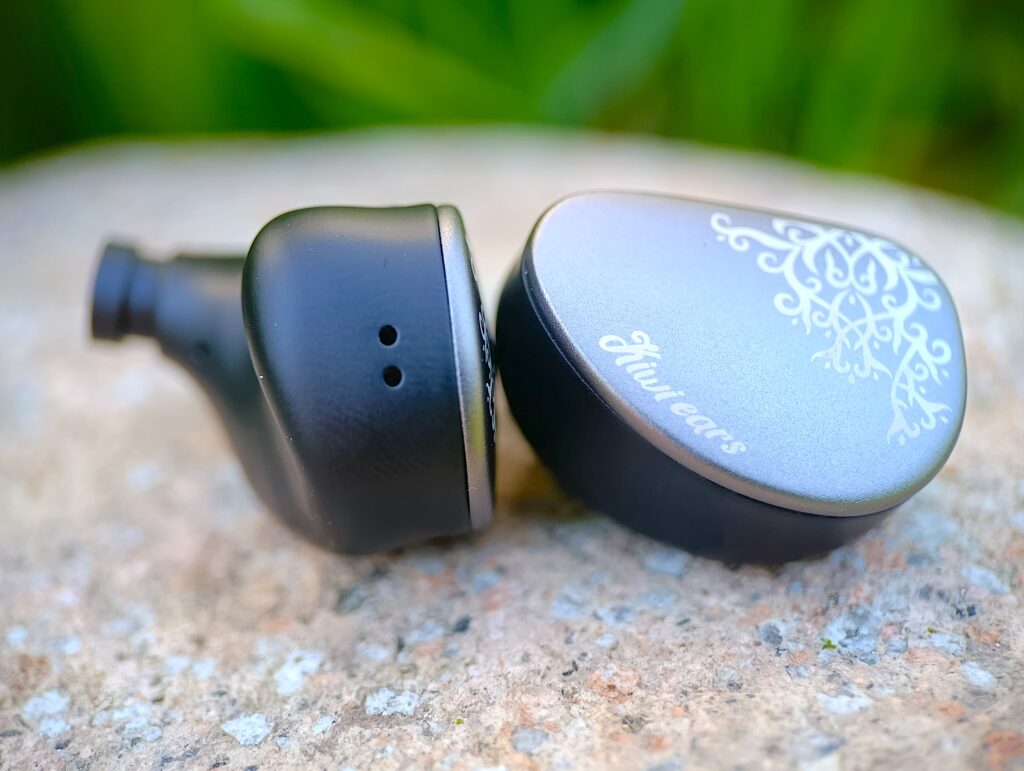
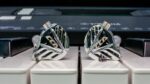
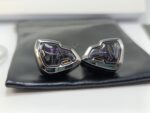
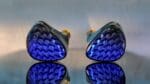
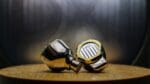
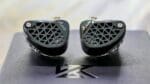
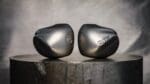
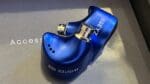
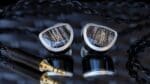
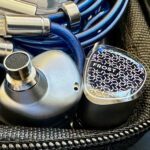
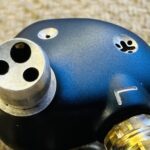
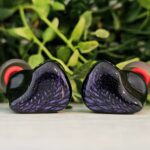
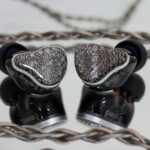
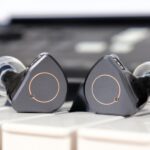
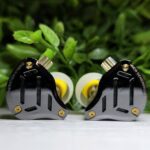
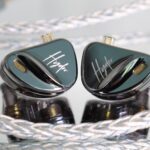
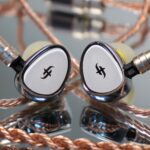
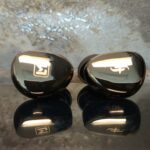
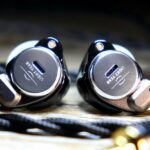
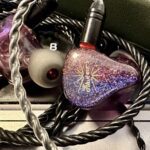
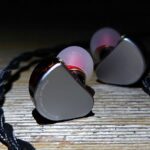
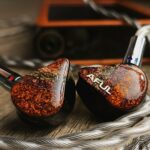
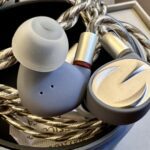
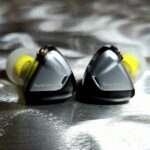
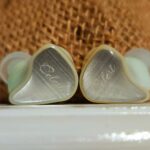
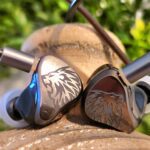
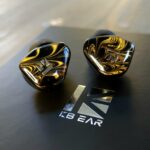
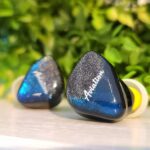
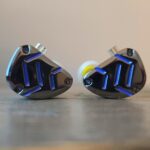
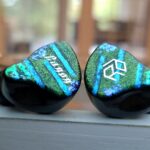
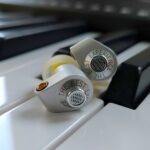
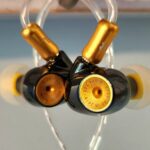
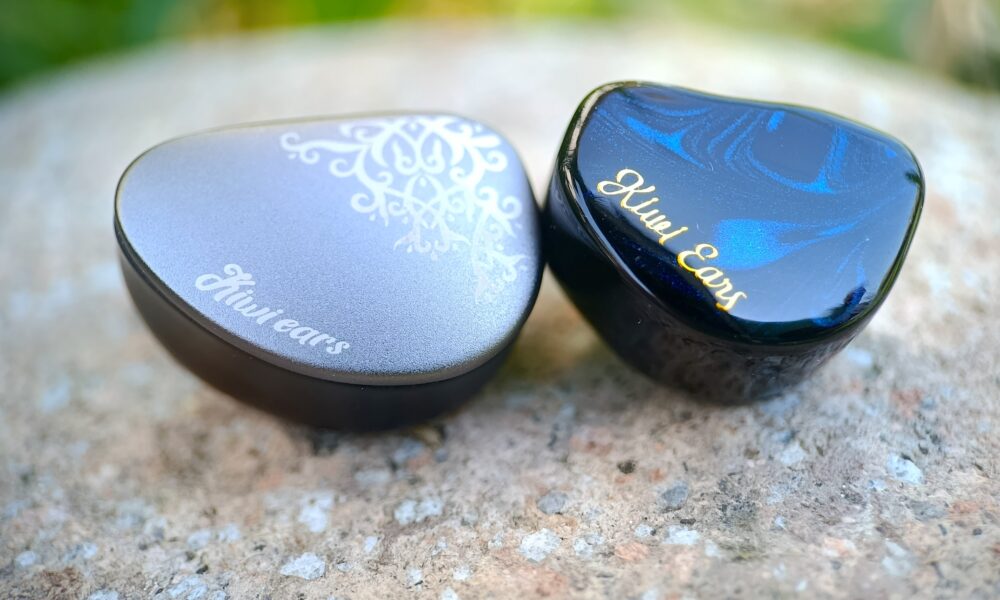
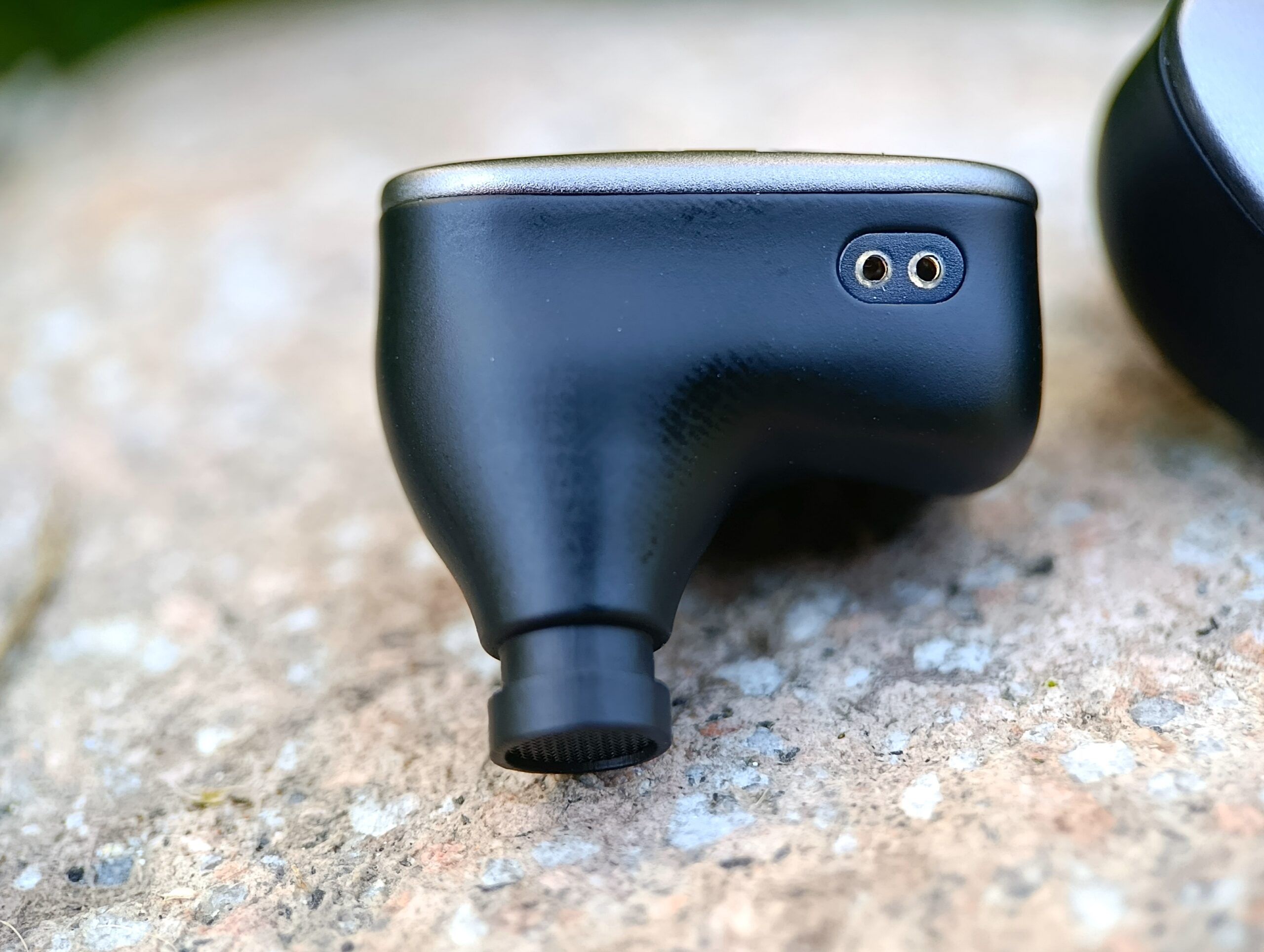
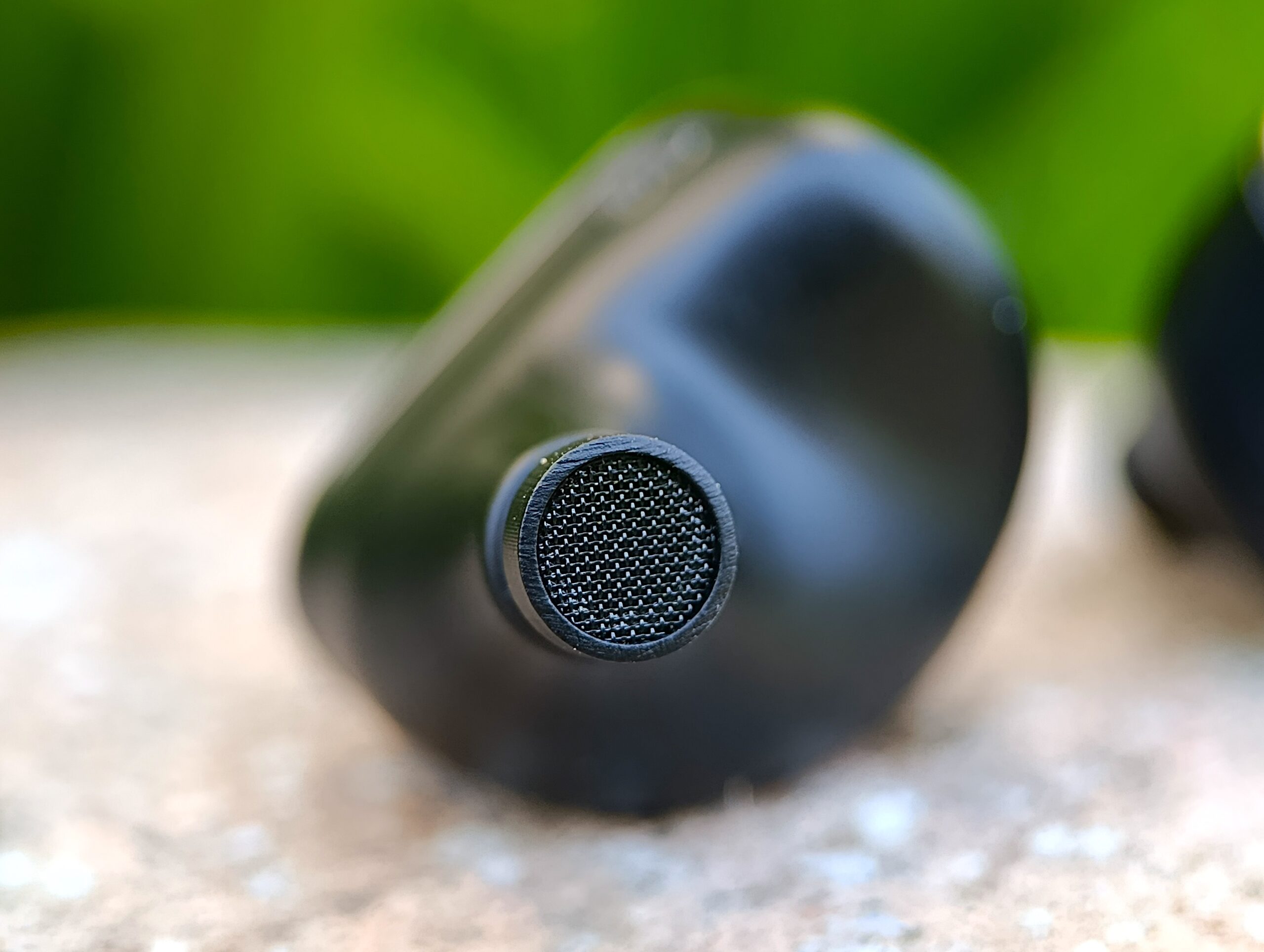
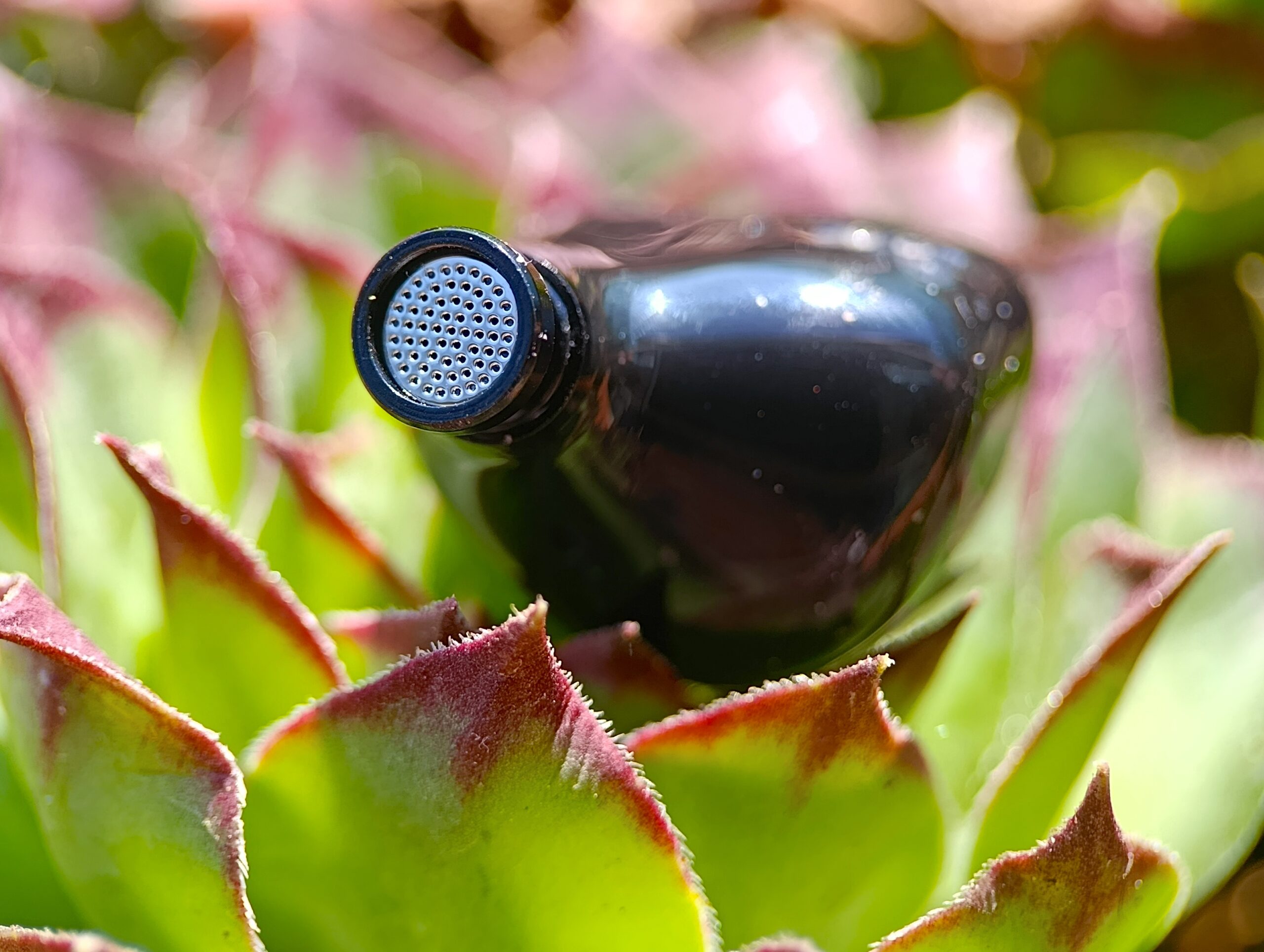
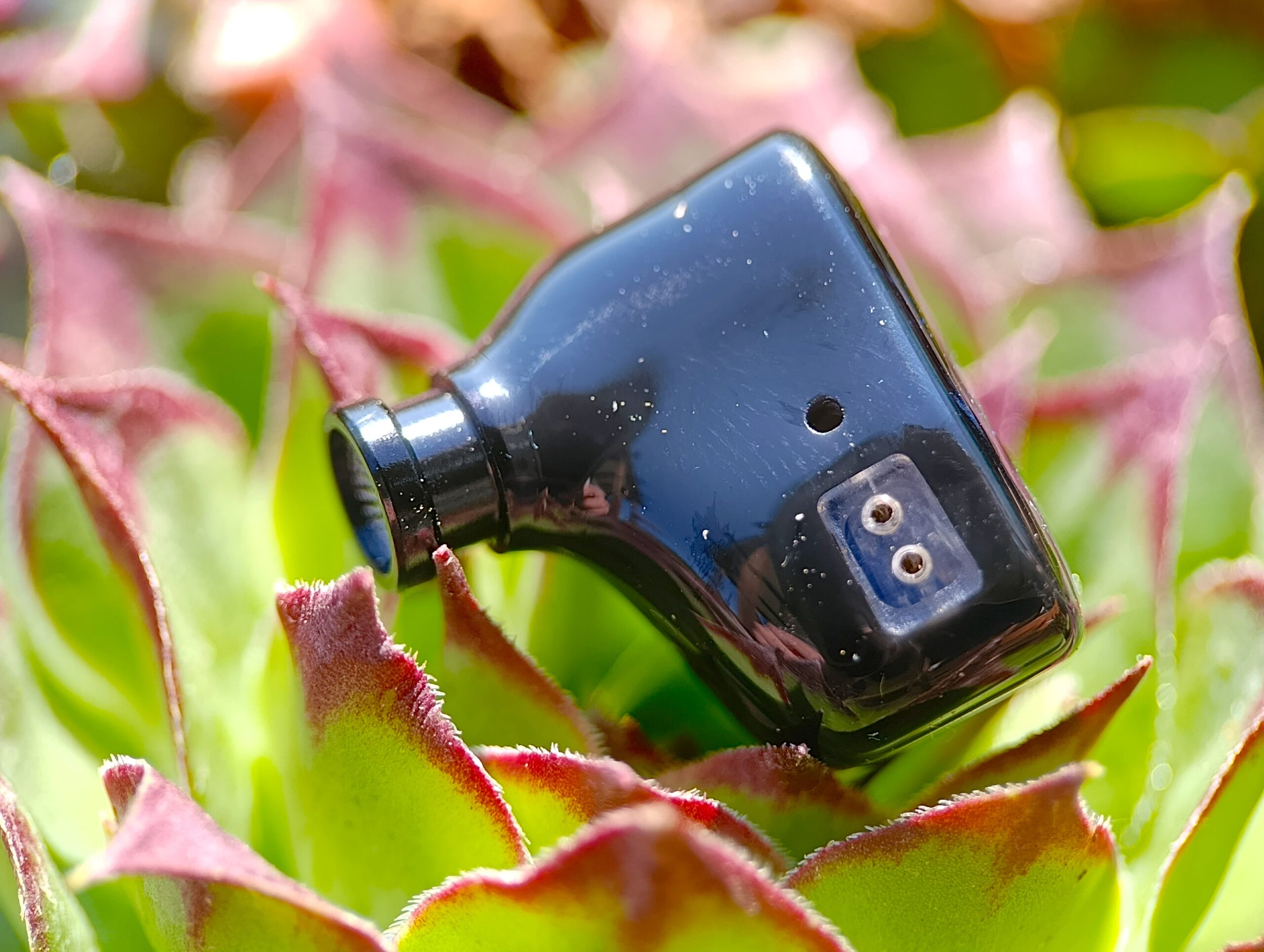
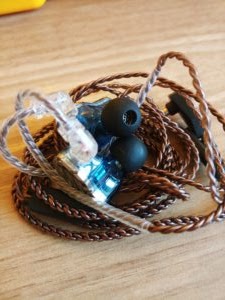
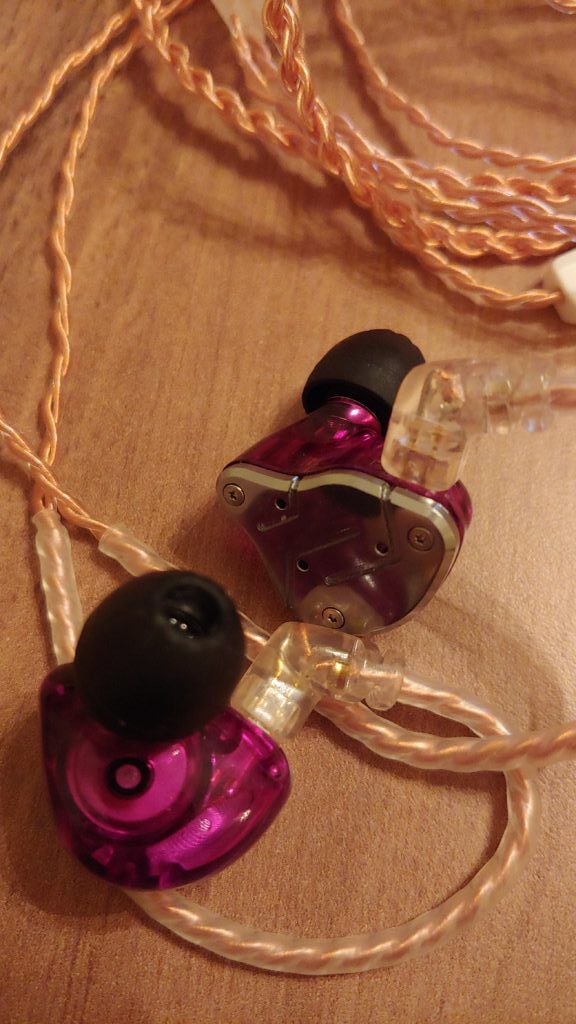
The Kiwi Ears Cadenza was one of the first IEMs from this brand to make a name for itself, and I can confirm that its build quality was pretty good: only medical-grade resin. With the new Kiwi Ears Cadenza 2, we can see how evolution has led to larger casings, but also better and more robust materials. Inside, we have a technology called KARS 2.0, which, through a system of internal tubes, makes the bass somewhat more complete and developed than the previous model. But we’ll talk about that later in the section dedicated to the sound. What I can see from the casings is that on the old one, we have the vent before and after the driver, so one near the connector and the other near the nozzle, while with the new one, we have two micro holes on the back of the IEM, from which I deduce the tubing system that obviously also connects the nozzle, otherwise there would be significant pressure. Overall, the quality is good, and the driver also has a titanium-coated PET diaphragm.
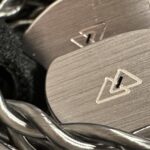
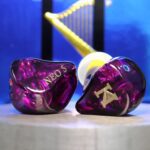
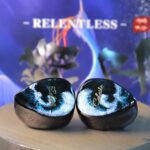
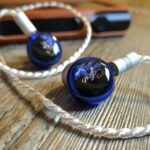
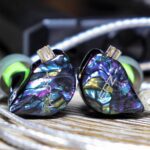
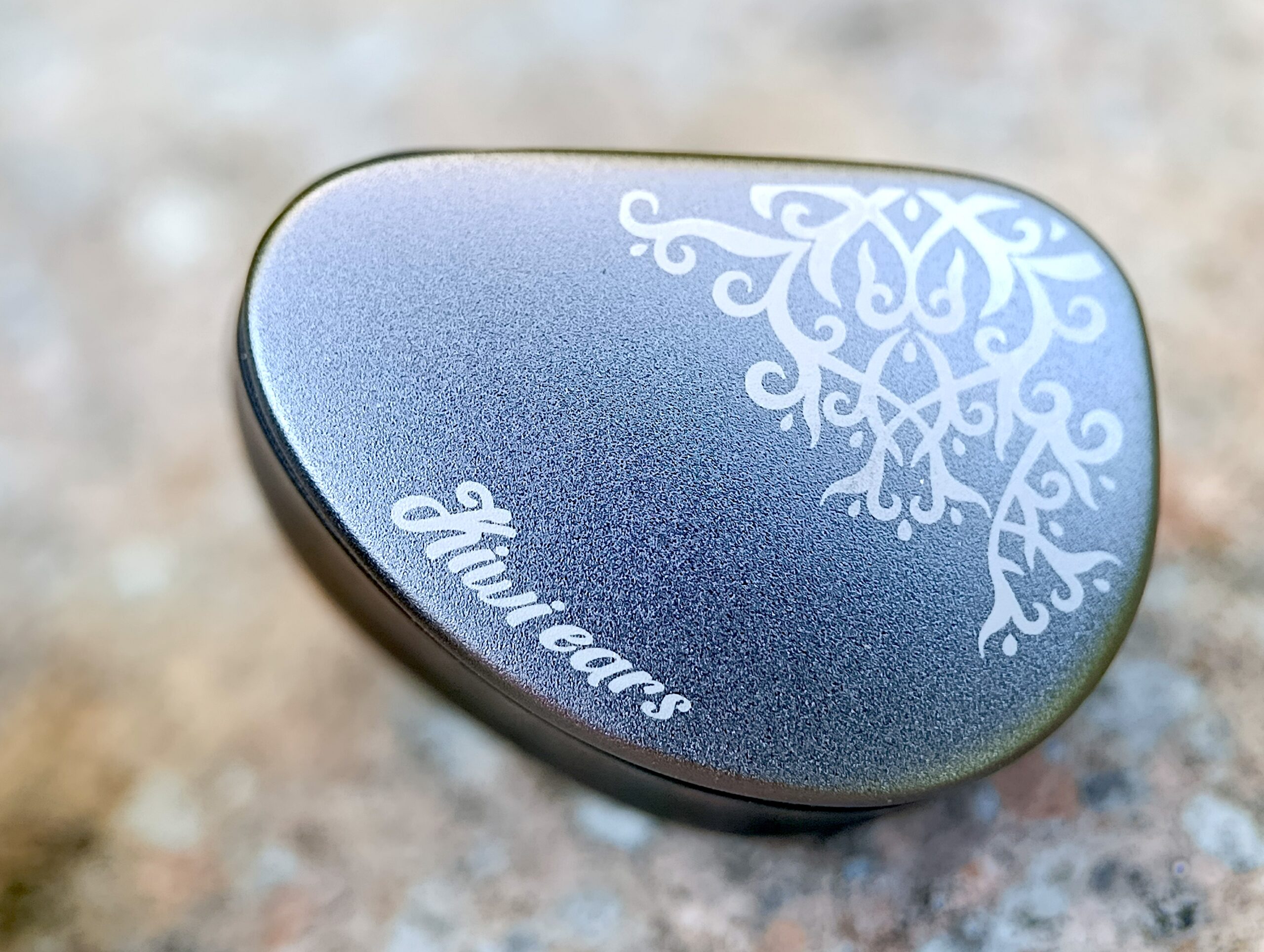
We can say that the resin faceplates are more artistic and unique than the new ones, but metal is always better.
Initial sound impression:
You can feel the generational leap between the old and the new, and while the former perhaps features a more balanced tuning, the latter is much more interesting to listen to, boasting superior detail and texture. Especially the bass with the Kars 2.0 technology isn’t extreme, but it’s very articulate and rich for such a modest amount.
Upon first listen, I was positively impressed by both. The Kiwi Ears Cadenza has a balanced profile that adapts 360 degrees to any genre. I believe it was much-hyped for an IEM, released in 2022, especially for beginners and entry-level users: it was gold and handles different EQs very well. Yes, it doesn’t excel in detail, something the newer model manages to take to new heights. It’s not particularly brilliant on the treble, leaning more towards the warm side and convincing you with its bass that’s rich in texture, though not intrusive.
A nice sound, but sometimes it remains a bit subdued on certain tracks or musical genres. It doesn’t shine in terms of treble extension, but the mids are quite engaging,
Equipment used for testing:
Device:
- iMac
- Redmi Note 14 Pro 4G
Software:
- Amazon Music UHD 24bit 96kHz (Both)
DAC:
Comfort & Tips:
I didn’t upgrade the cable on either model; the old one definitely needs a bit more power than the new one, which has low impedance and high sensitivity, allowing you to keep the stock cable without sacrificing any of the features. In terms of eartips on the new model, the wide-bore ones aren’t bad, while the others don’t provide the greatest comfort or audio quality. I used the Divinus Velvet, but any budget model will do.
Final sound impression:
Ultimately, while the older model has a more balanced tuning, the latter has a very pleasant level of detail and silkiness, and while it might not suit everyone’s taste, at least mine is satisfied. For the price paid, we get some pretty good performance for the price range, with a warm sound that retains all the details well, but a bit lacking in sparkle—or rather, let’s say it’s barely there. Fortunately, the mids remain very clear and forward, taking center stage.
Treble
The treble extension is kept under control to maintain a tuning more suitable for a wider audience. To be clear, there are no super-bright sparkles, but the details are there with reasonable effectiveness. Macro and micro details are there, even if not top-notch, and the soundstage, while warm, is not overly dark. Could it have been given more energy? Yes, absolutely.
Mids
The mids are forward, take up a good portion of the soundstage, and are well-tuned with a good dose of naturalness. They sound very coherent, and even musical instruments, especially stringed ones, stand out effortlessly, perhaps also thanks to the well-rendered bass reverb. The mids are quite silky, velvety, and well-crafted, making the IEM a pleasure to listen to.
Bass
The bass is surprising, but not in terms of quantity; in fact, its presence isn’t overpowering, but it’s well-crafted. It focuses entirely on texture and perfect extension, effectively providing a sense of fullness compared to the previous model, but even compared to the competition, it seems to have that extra touch of extension and realistic rumble. Could it be the KARS 2.0’s merit? It’s very likely that the system used works. In short, excellent sub-bass, full-bodied, and well-controlled bass.
Soundstage and Imaging:
In terms of soundstage, it’s not particularly wide; it’s more of a monitor-style, intimate listening experience. Some detail emerges a bit, expanding the soundstage, but it’s still very contained, perhaps due to the limited treble extension. Imaging, on the other hand, is good—I’d say average or slightly better—while separation isn’t always perfect.
Comparison:
Vs Kiwi Ears Cadenza
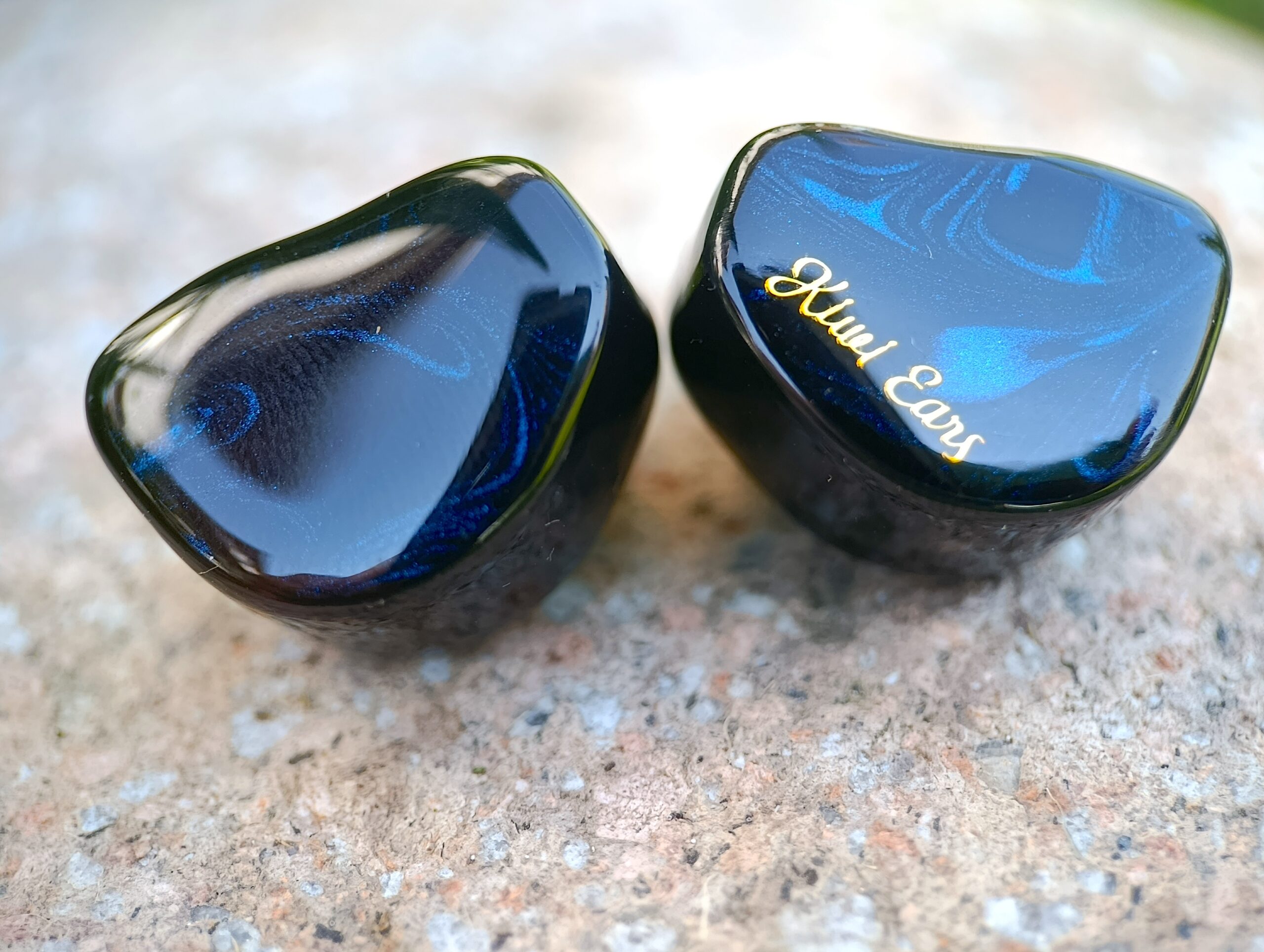
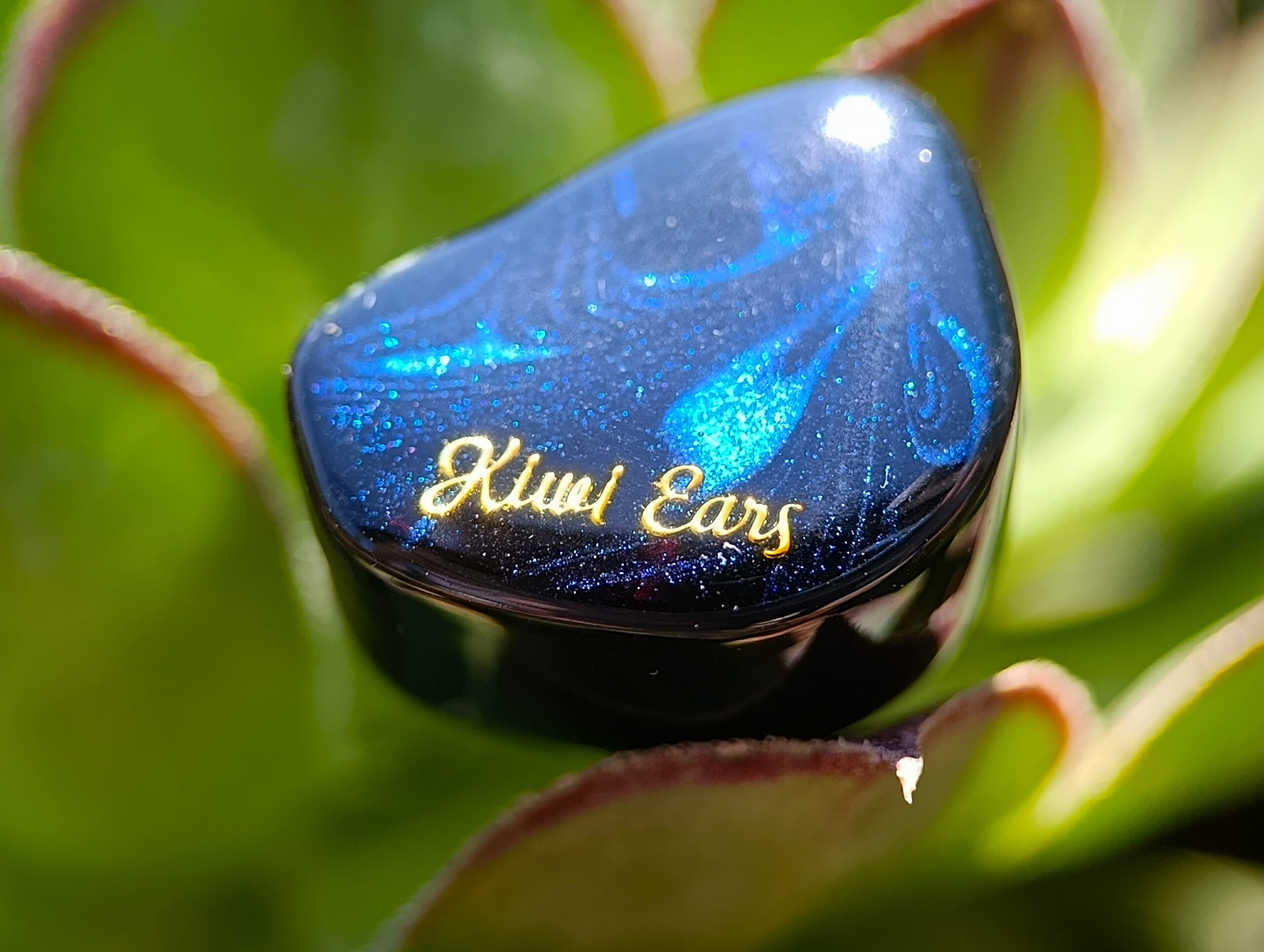
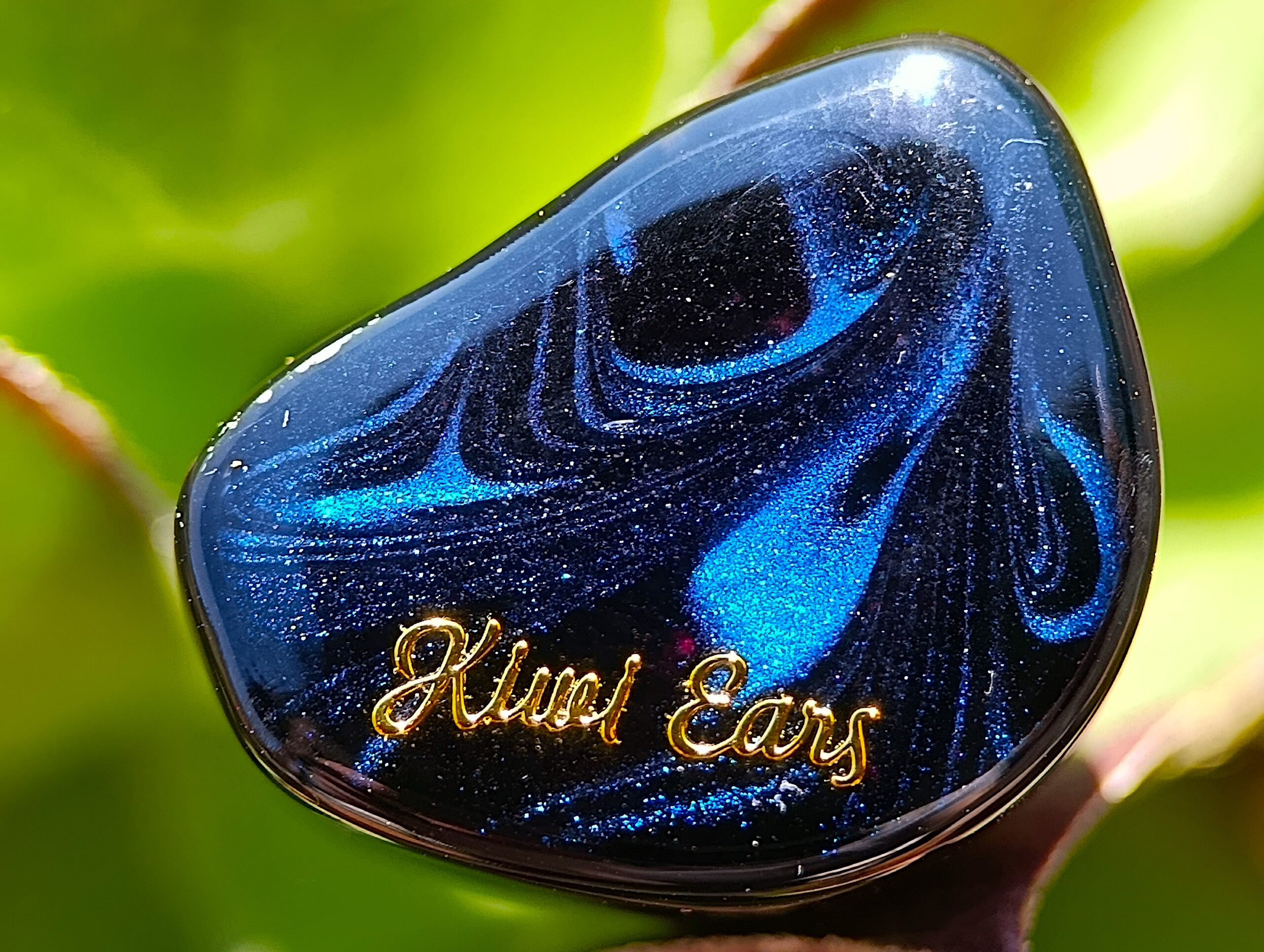
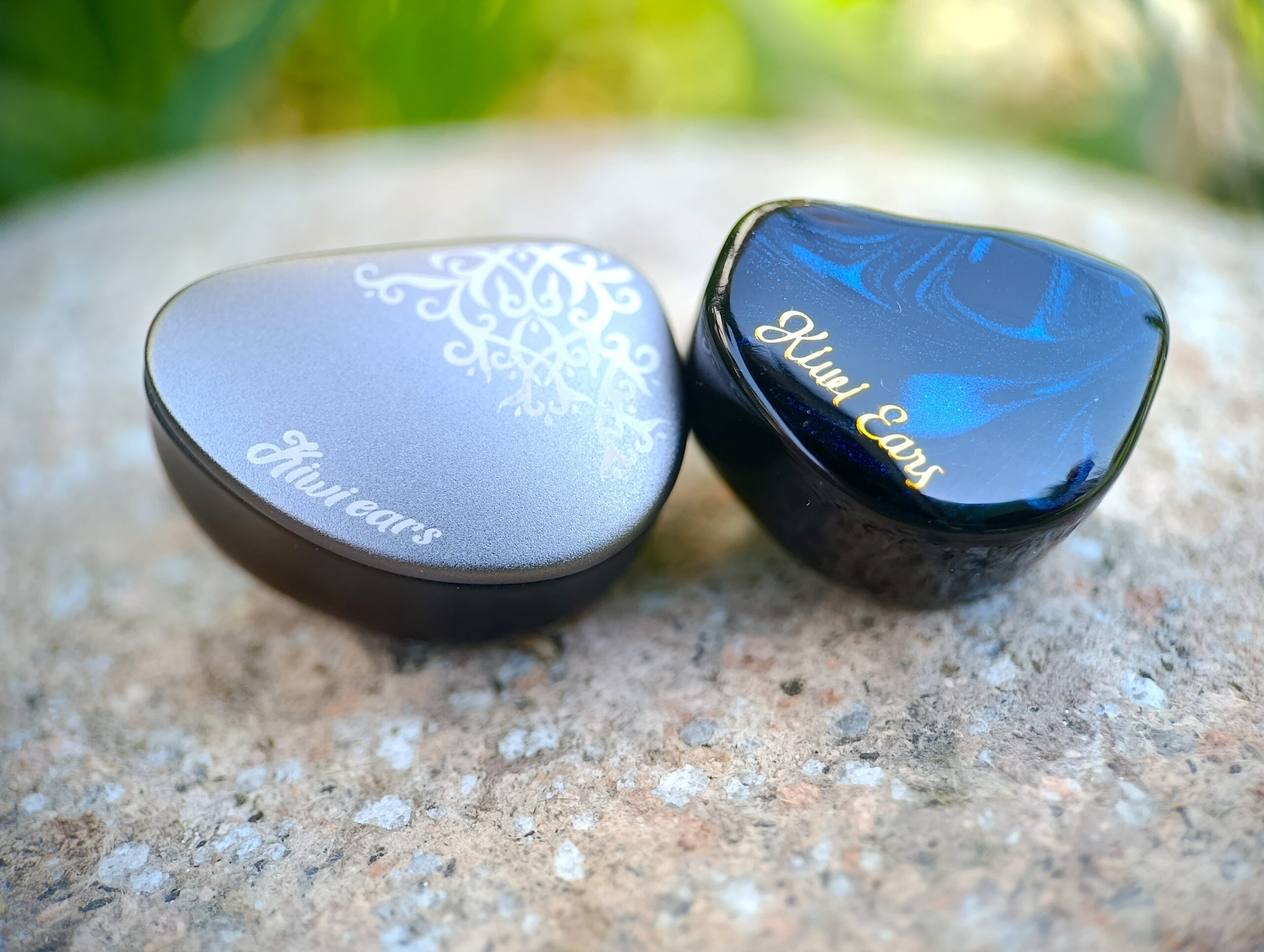
The growth is clear; the past is now history and is part of the beginnings of this brand, which has evolved to produce some of the most beautiful and best-sounding IEMs on the market. There are differences, even if the generational connection between the two is evident: they are two different things. The new driver and the new KARS 2.0 technology mark a significant improvement in quality.
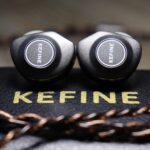
Vs Kefine Klean SV or Other Kefine models
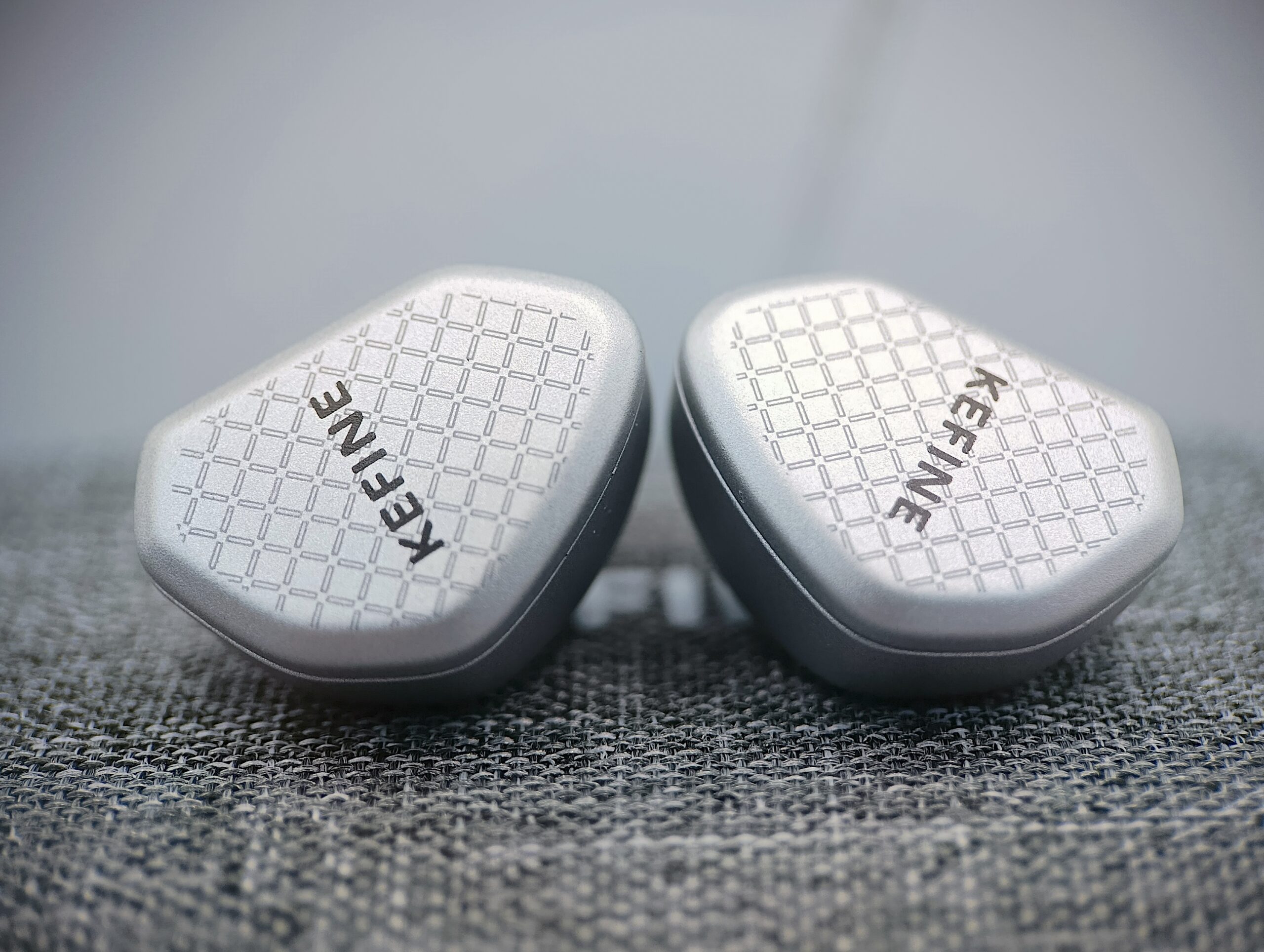
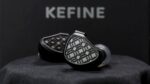
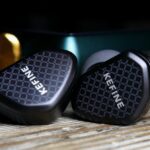
In this price range, we enter Kefine’s territory, which is doing very well, offering all-metal models with interchangeable nozzles. The Klean SV is recent, but even the slightly older models are truly interesting. In this price range, there’s a war between brands. I thought it was right to mention Kefine because it offers very interesting IEMs in this range.
Conclusion:
I think the Kiwi Ears Belle is an excellent entry-level model for those who want to get to know the brand or are just getting started with IEMs. Such an affordable product gives you a small taste of what Hi-Fi means. Obviously, this is just a small sampling of the Hi-Fi world, but for those just starting out, it’s the perfect price to pay.
The tuning is very versatile, making it appealing to a wide audience with different tastes, so I recommend it to everyone.
I personally haven’t found any real drawbacks at such a low price; obviously, if you go up a bit in price, you could consider a Kefine Delci or Klean.
7.4/10
Pros:
- Slightly better build quality
- Metal faceplates and PC composite shells
- Good, simple packaging
- From Balanced to Warmer Tuning
- Full-bodied bass response
- Natural Mids with engaging sound
- Good details retrieval
- Super easy to drive
Cons:
- Lacking energy sometimes in some genres
- Not for treble heads
- Other Cons at this price?Not really
Q/A:
Who is the Kiwi Ears Cadenza 2 for?
If you’re looking for a solid yet affordable product, you’ve come to the right place: the warm tuning is always smooth and free of annoying peaks. For the price, there are some decent alternatives, but the Kiwi remains a reliable choice.
Who should avoid the Kiwi Ears Cadenza 2?
If you’re looking for a lot of sparks, this might not be the right product for you. They’ve chosen to keep the treble under control, which may be insufficient for some users.
Is the Kiwi Ears Cadenza 2 easy to drive?
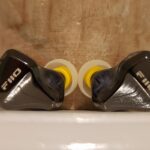
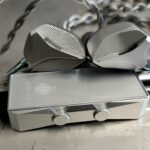
They’re very simple to drive, and the driver’s efficiency is significantly improved. The driver itself must be very robust, given how the two shells repel each other when brought close together.
Similar alternatives to consider?
As mentioned, this price range is full of options; recommending something is easy, but I’d have to know you a little better. The first example of a brand you can find in this price range is definitely Kefine.
More information:




Hmm, the review starts with Kiwi Ears Cadenza II, but the end seems to refer to Kiwi Ears Belle. So I’m not sure which of them is rated 7,4.