
























































Disclaimer:
Good morning, readers; we’re once again reviewing a product from one of my favorite brands, the Kefine Arnar, a hybrid set consisting of a planar driver and a Knowles BA driver. Kefine, a sub-brand of Sivga, is churning out products with high build and sound quality at a very competitive price.
Table Of Content
I’m not an audiophile; I’m just a guy who likes to test out different IEMs and DACs and spends a lot of time listening to music.
So I’m not going to use super technical words to review it, but I will do my best to describe it.
Thanks to Kefine for this review unit, which also includes a balanced cable and dongle for a complete evaluation.
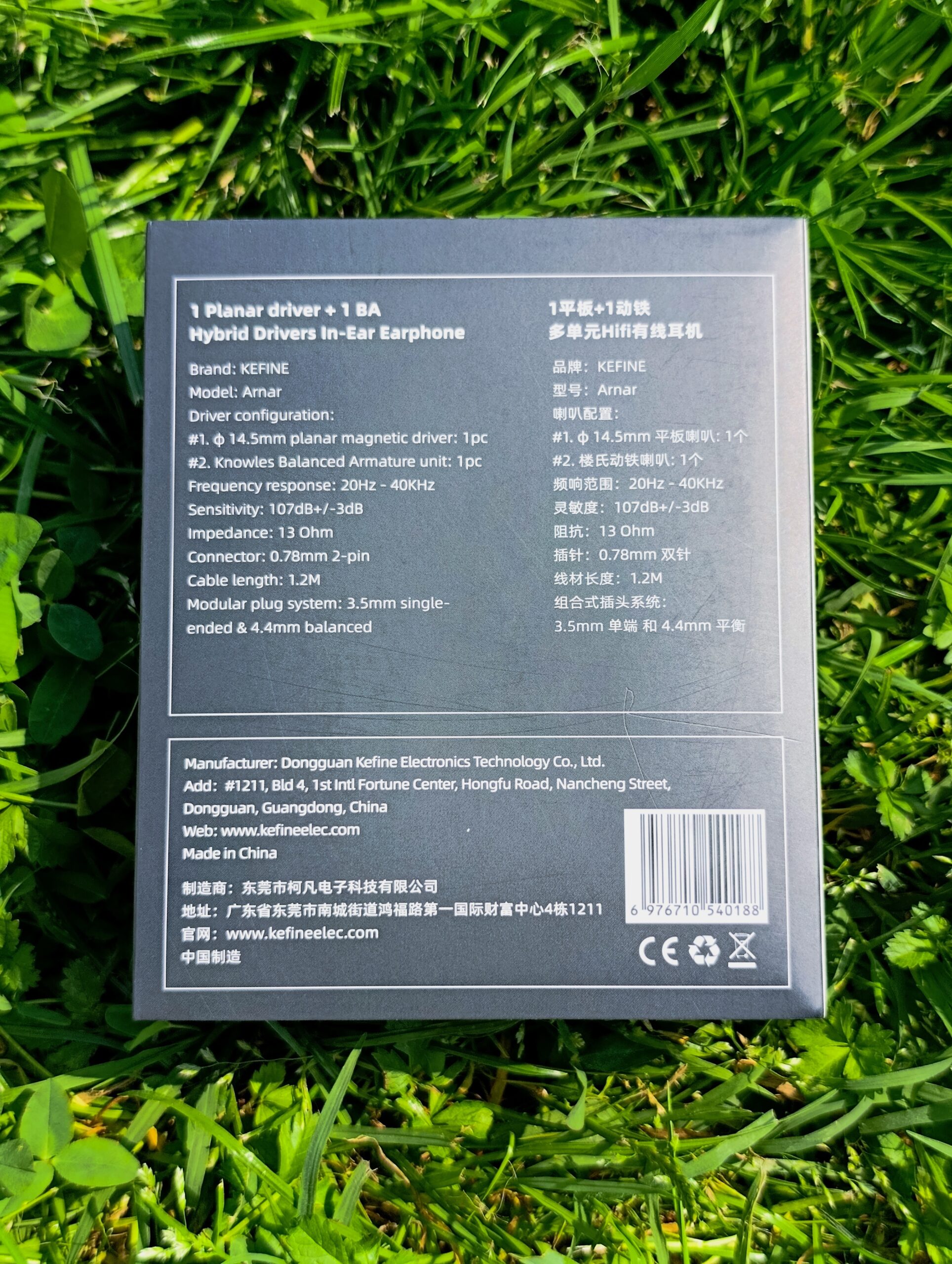
Tech Specs:
- Driver Configuration: 1 Planar Magnetic Driver + 1 Knowles BA
- Planar Driver Size: 14.5mm
- Frequency Response 20 Hz – 40 kHz
- Sensitivity 107 dB ± 3 dB
- Impedance 13 Ω
- Cable Length 1.2 m ± 0.2 m
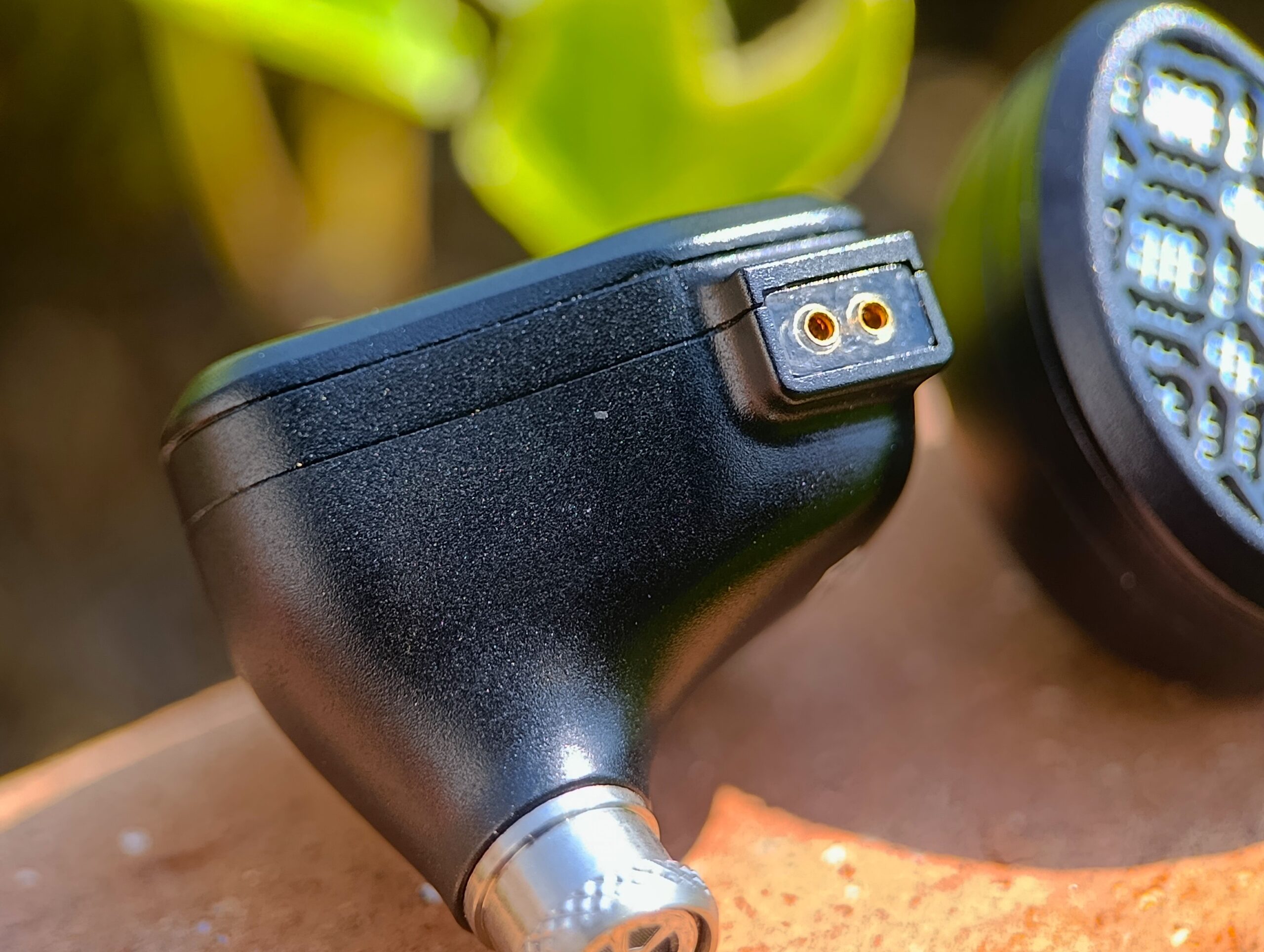
- Connector 0.78mm 2-Pin
- Plug Type 3.5mm Single-Ended / 4.4mm Balanced
- Housing Material: Aviation-Grade CNC Aluminum Alloy
Packaging:
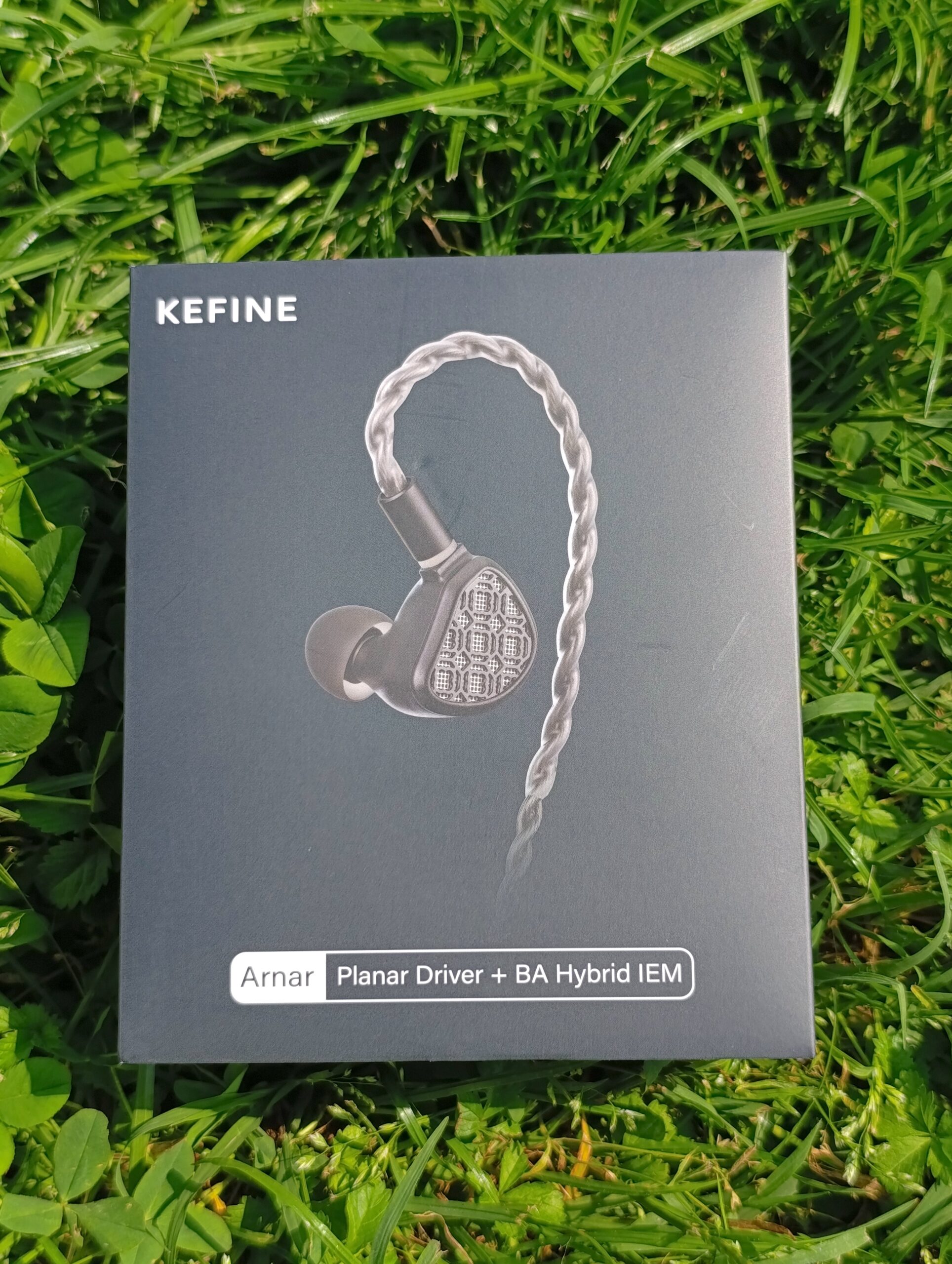

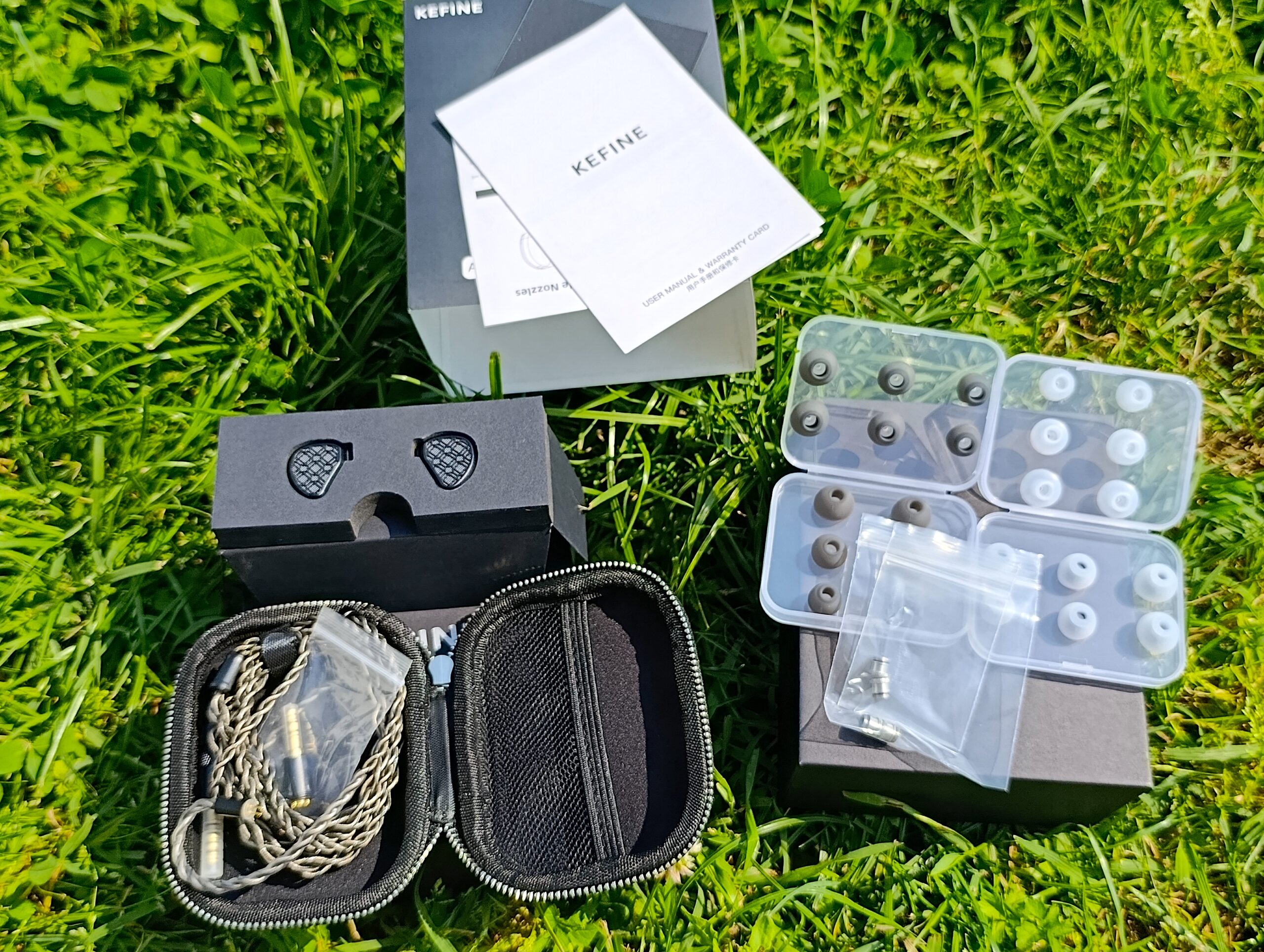
The Kefine Arnar packaging is very simple and minimal, as per the brand’s tradition, but it comes with plenty of accessories:
Inside:
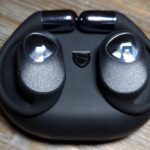
- Hard Carrying Case
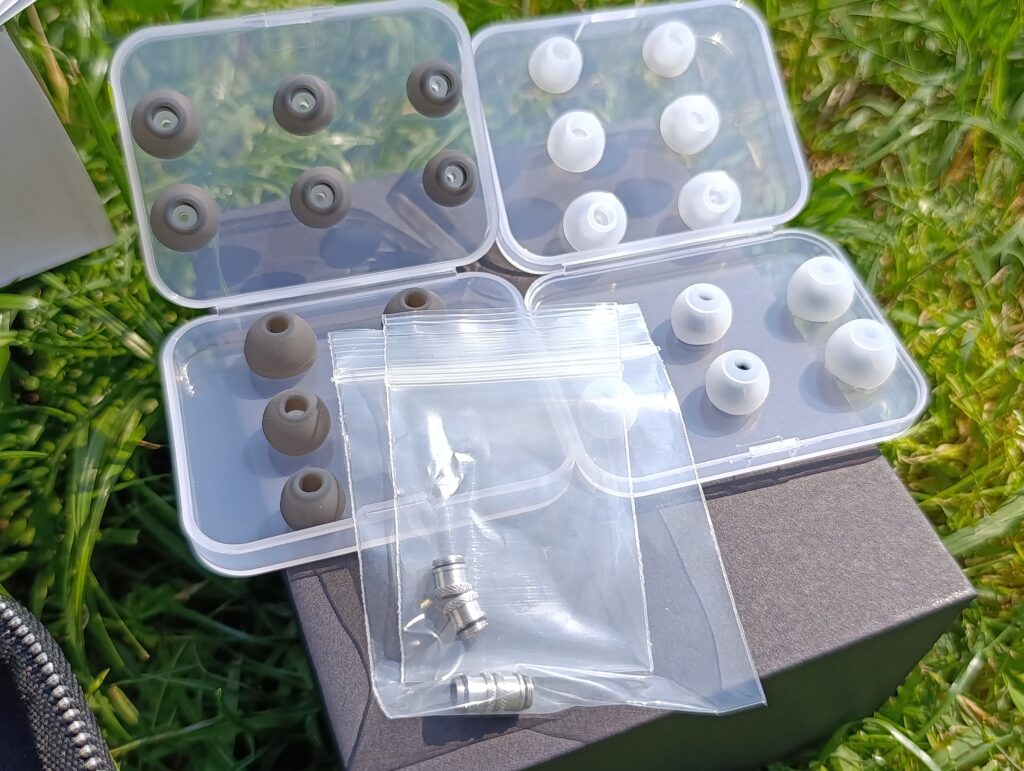
- 2 Pairs of Extra Tuning Nozzles
- 12 Pairs of Extra Ear Tips
- 2 Ear Tip Storage Cases
- 1 User Manual
- 1 Quality Certificate
- 1 Nozzle Guide Card
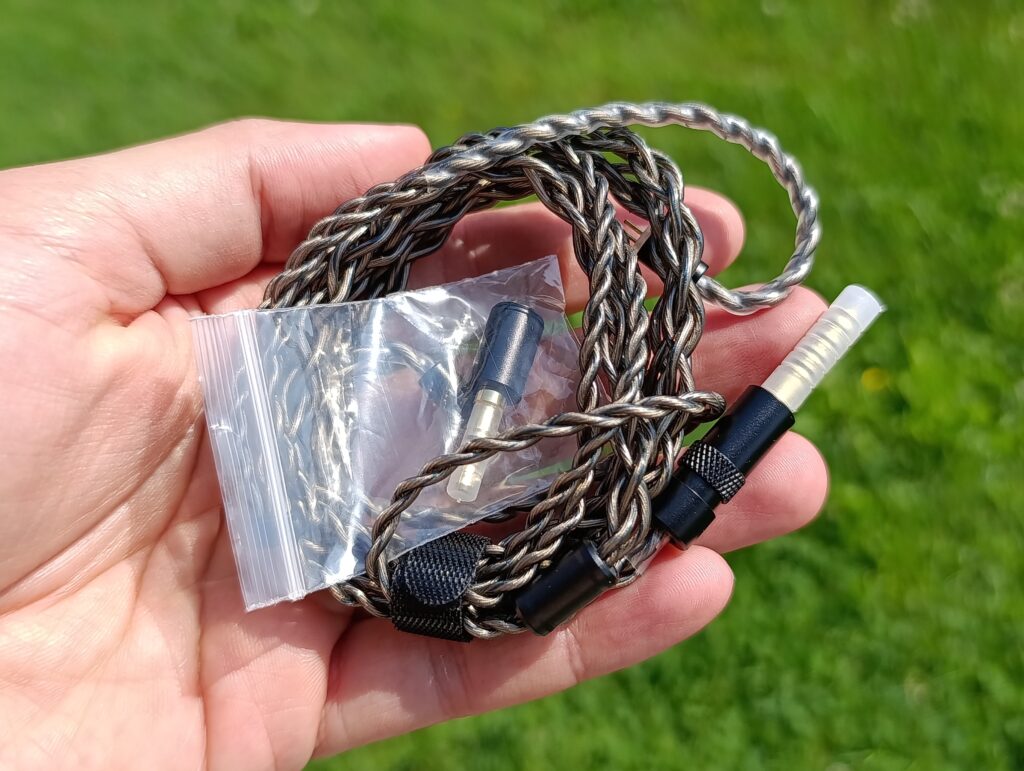

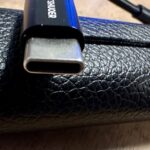
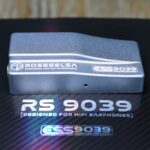
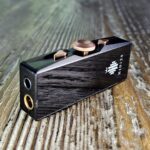
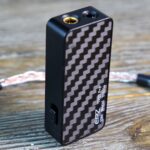
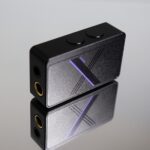
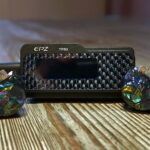
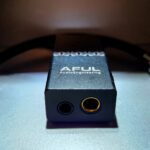
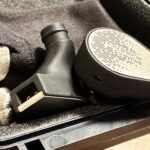
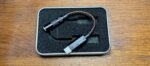
In my case, in addition to the included accessories, I also received the KA2 Modular Plug, a tiny dongle that fits the included cable and integrates a CX31988 with a MAX 97220 OP AMP, although I believe it’s a more common CX31993.
The accessory package is very good.
Design/Build quality:
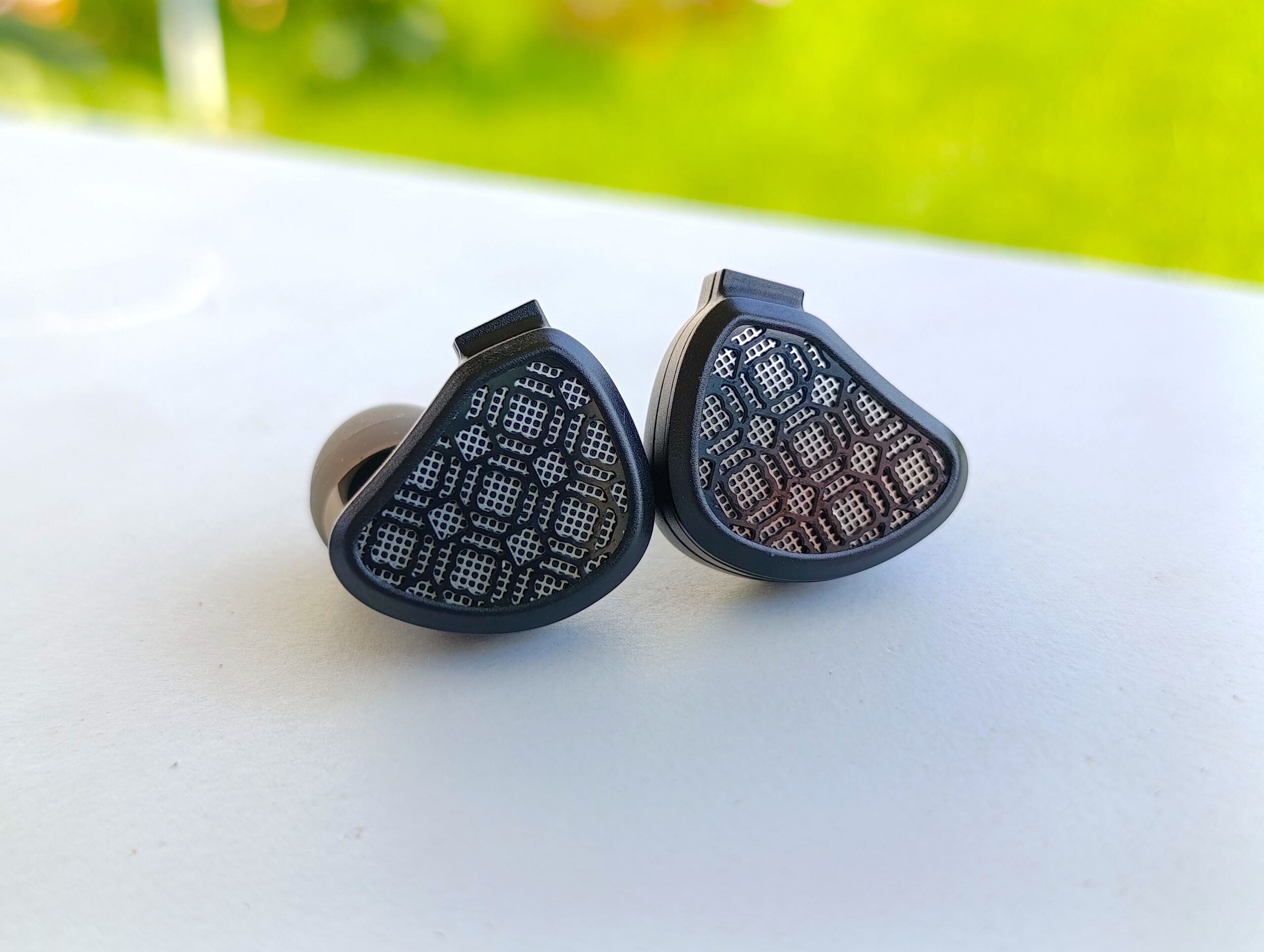
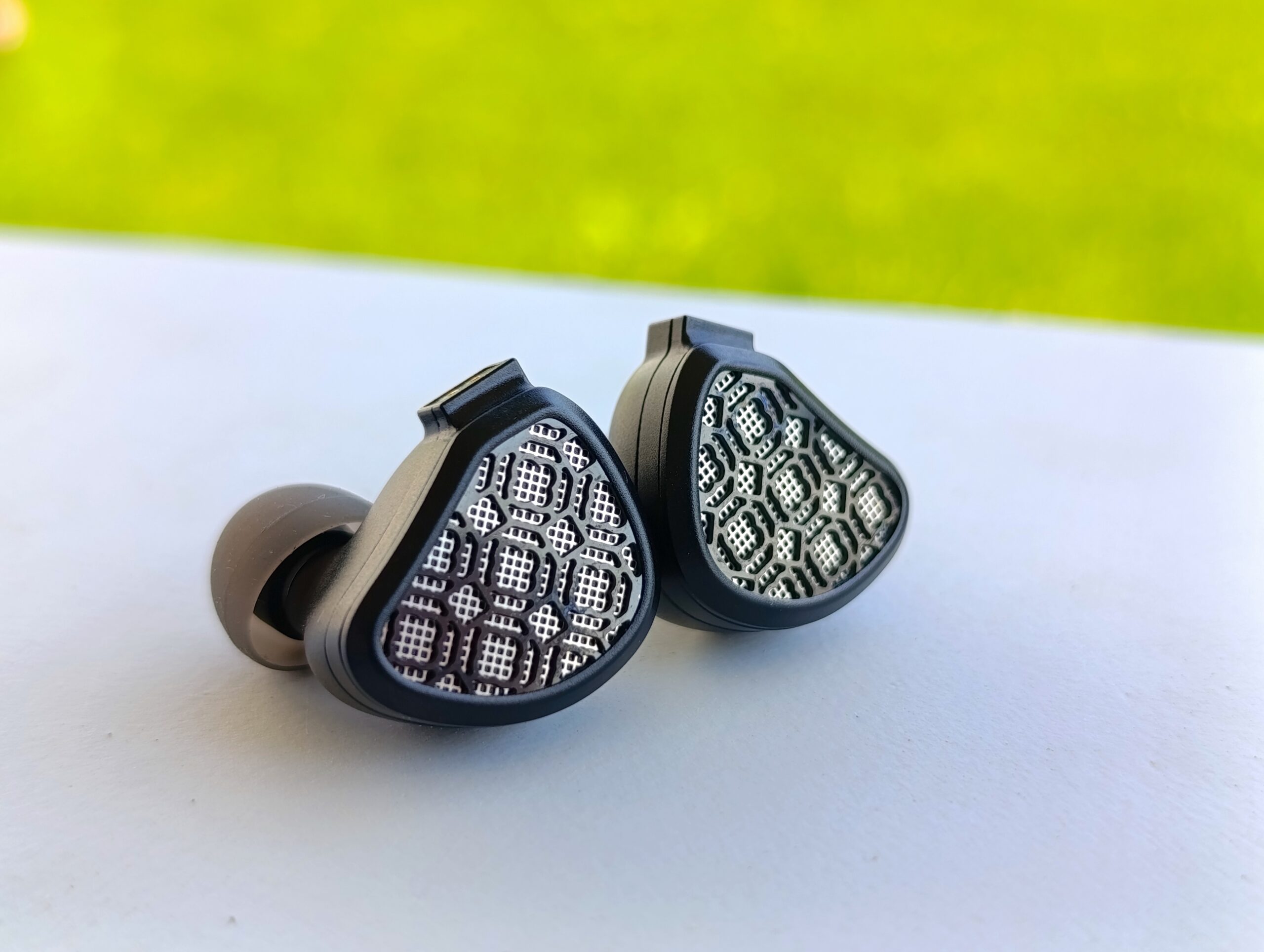
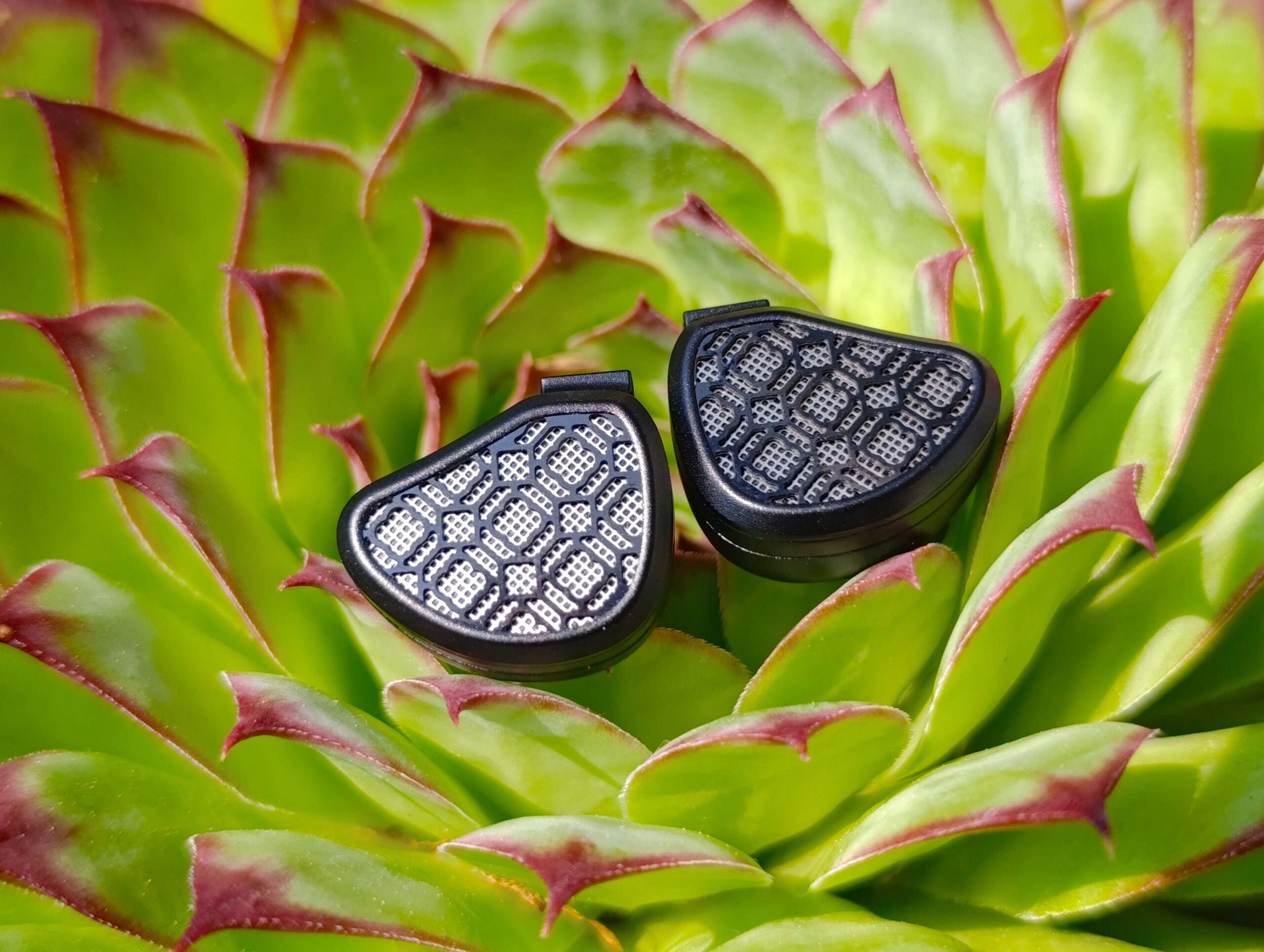
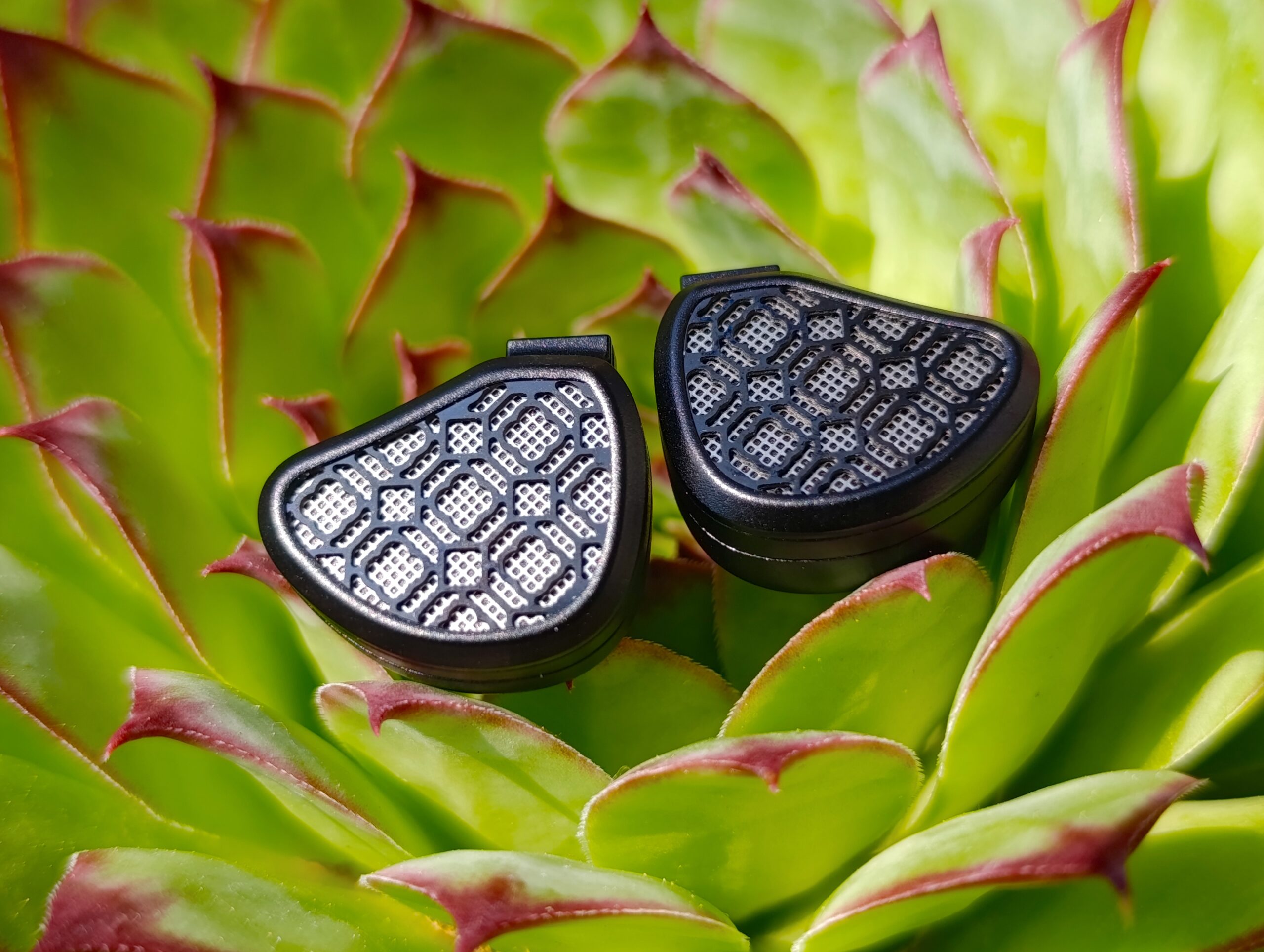
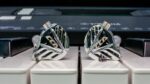
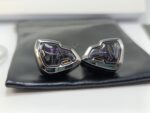
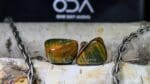
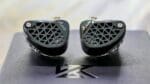
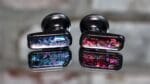
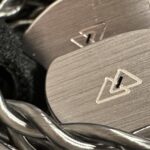
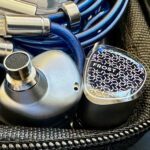
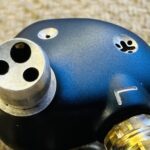
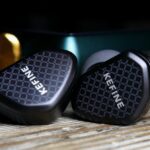
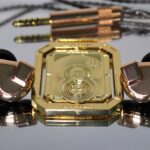
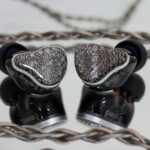
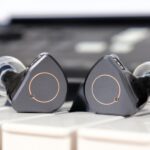
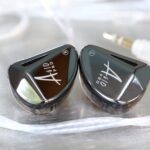
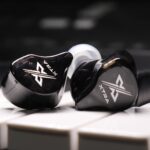
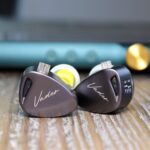
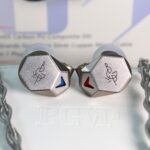
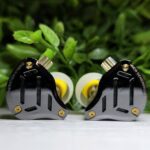
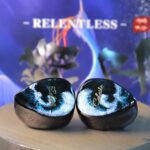
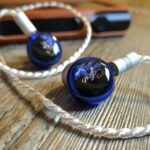
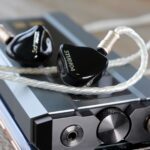
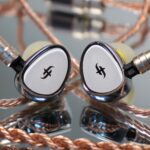
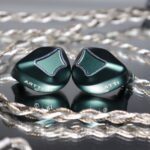
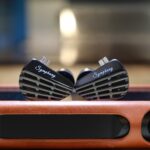
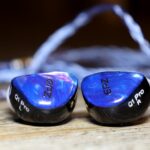
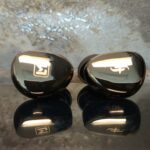
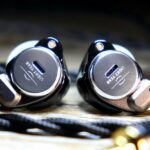
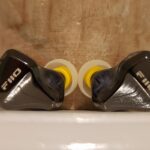
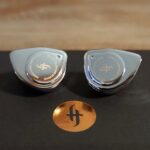
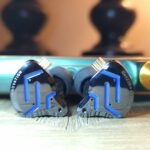
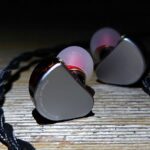
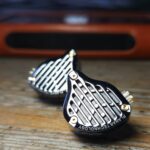
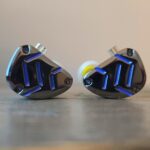
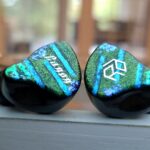
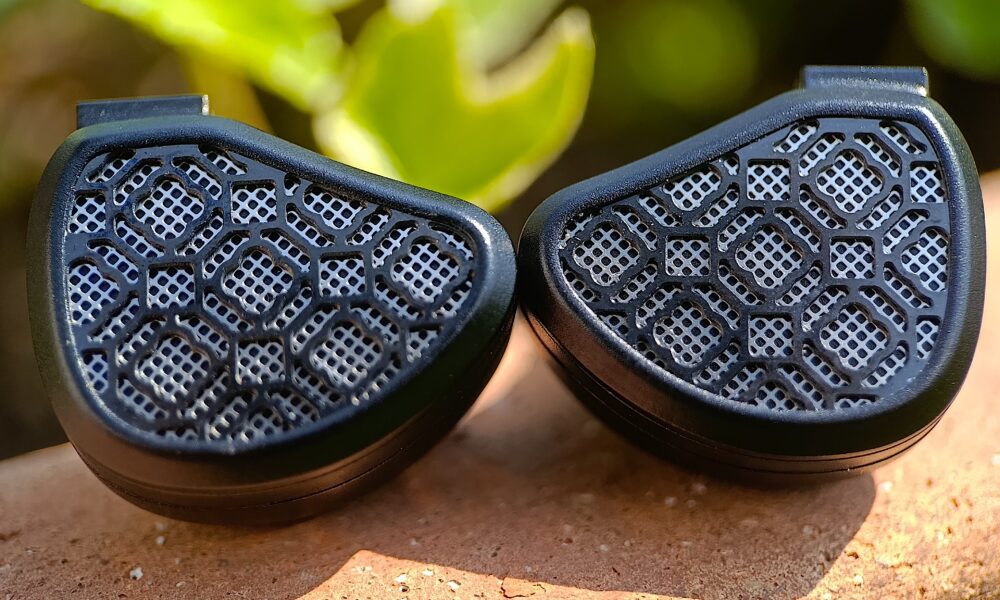
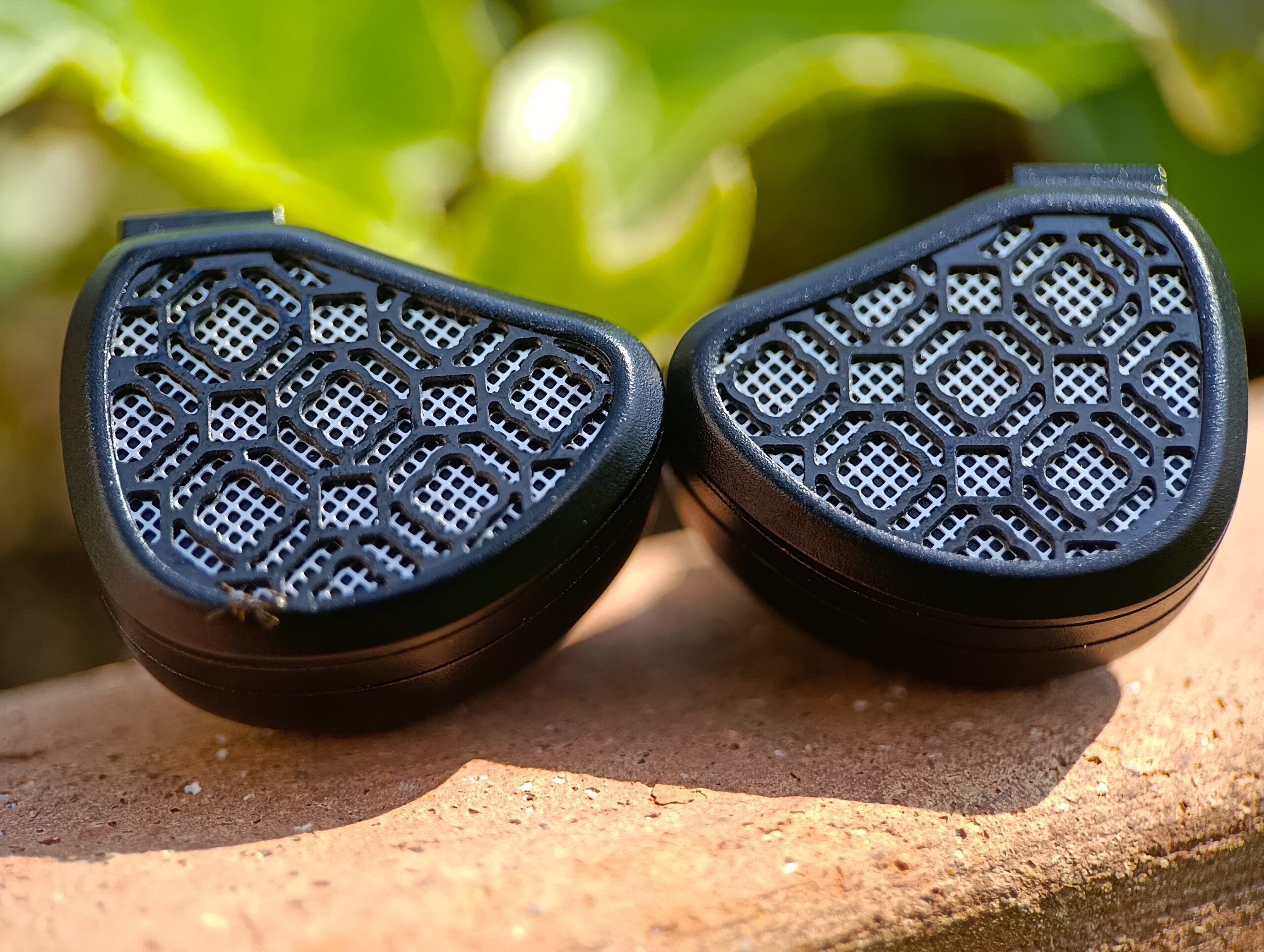
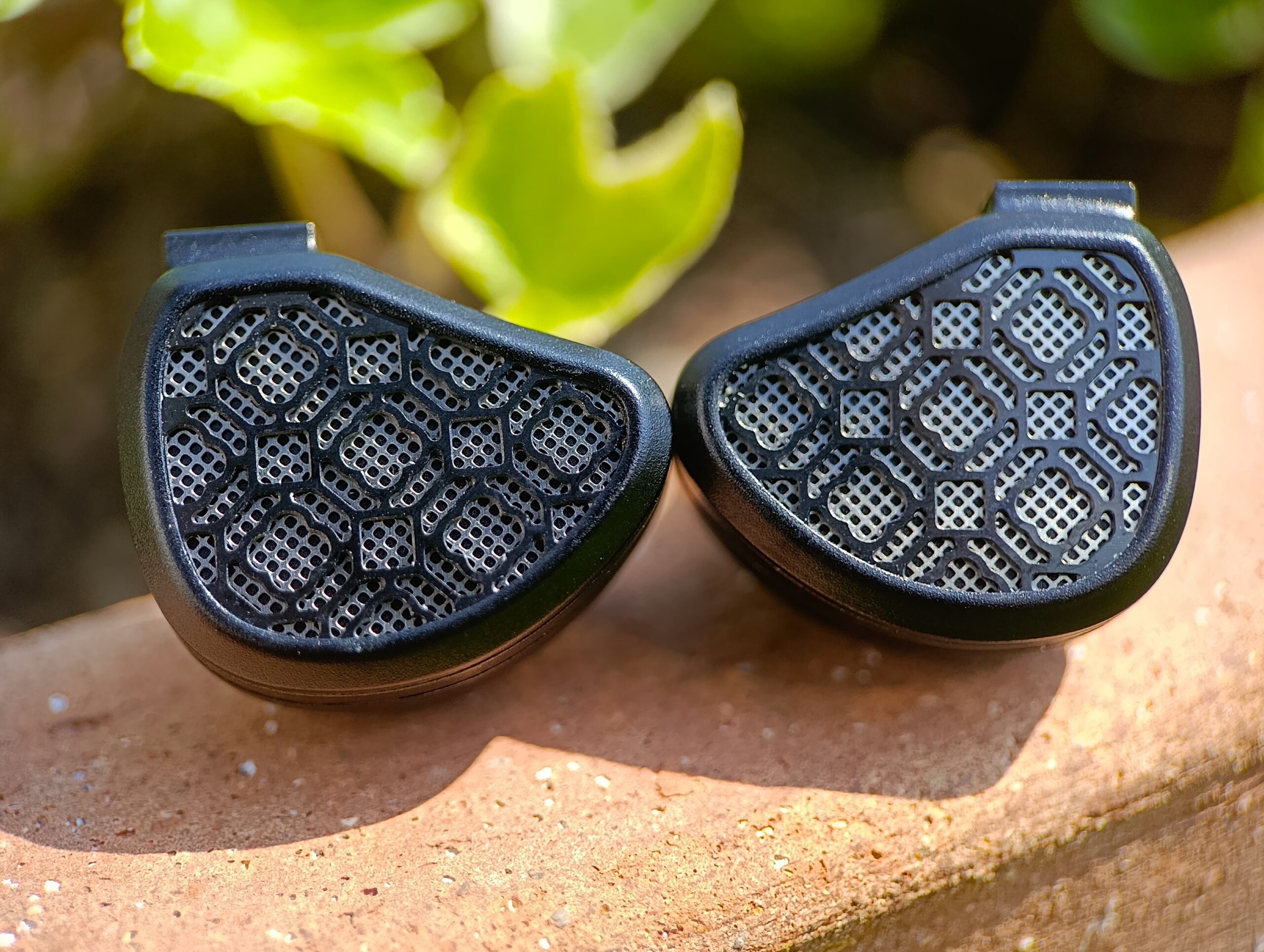
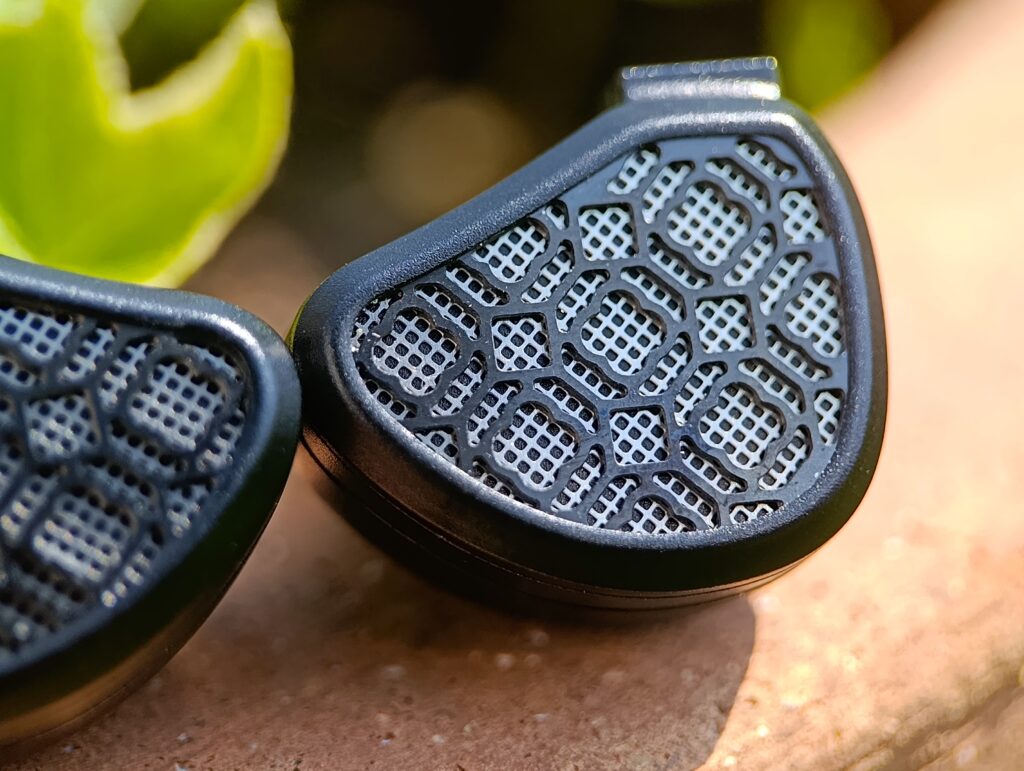
Kefine is working extensively on CNC shells, creating true works of art in lightweight alloys. The Kefien Arnar is no exception: the shell design is simple and reminiscent of previous models, but the faceplates feature a “Wish Window” finish, almost like clockwork, making the IEM very attractive. The material used makes it lightweight; the finish is a matte black paint (durability must be evaluated); the nozzles are interchangeable, which increases the production cost; by removing the nozzle, we can see both the open-back driver and the balanced armature. There are double ventilation holes on the inside, one in front of the drivers and one behind them. The primary driver is a 14.5 mm planar, while the secondary is a Knowles BA, which has retained the high frequencies.
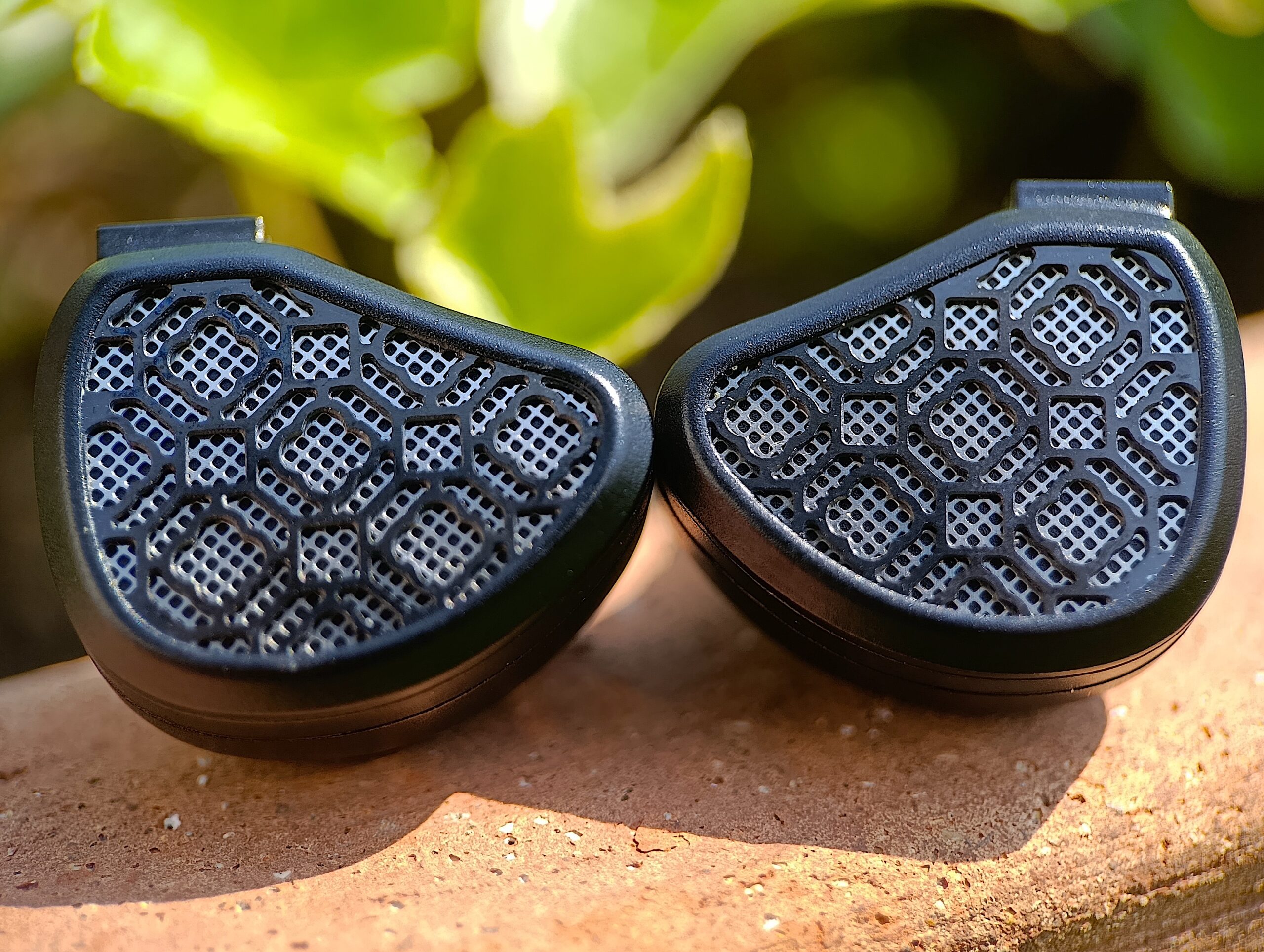
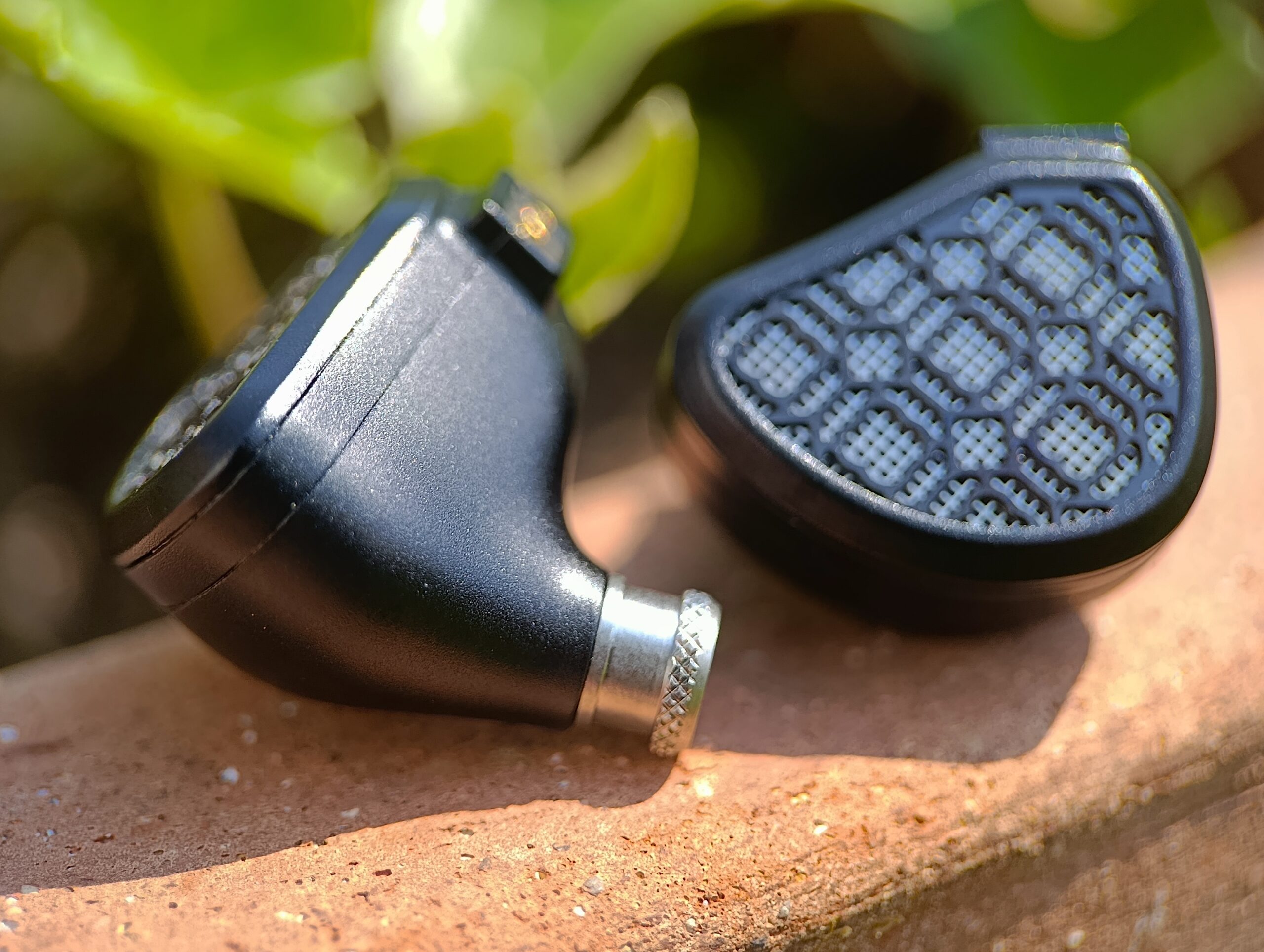
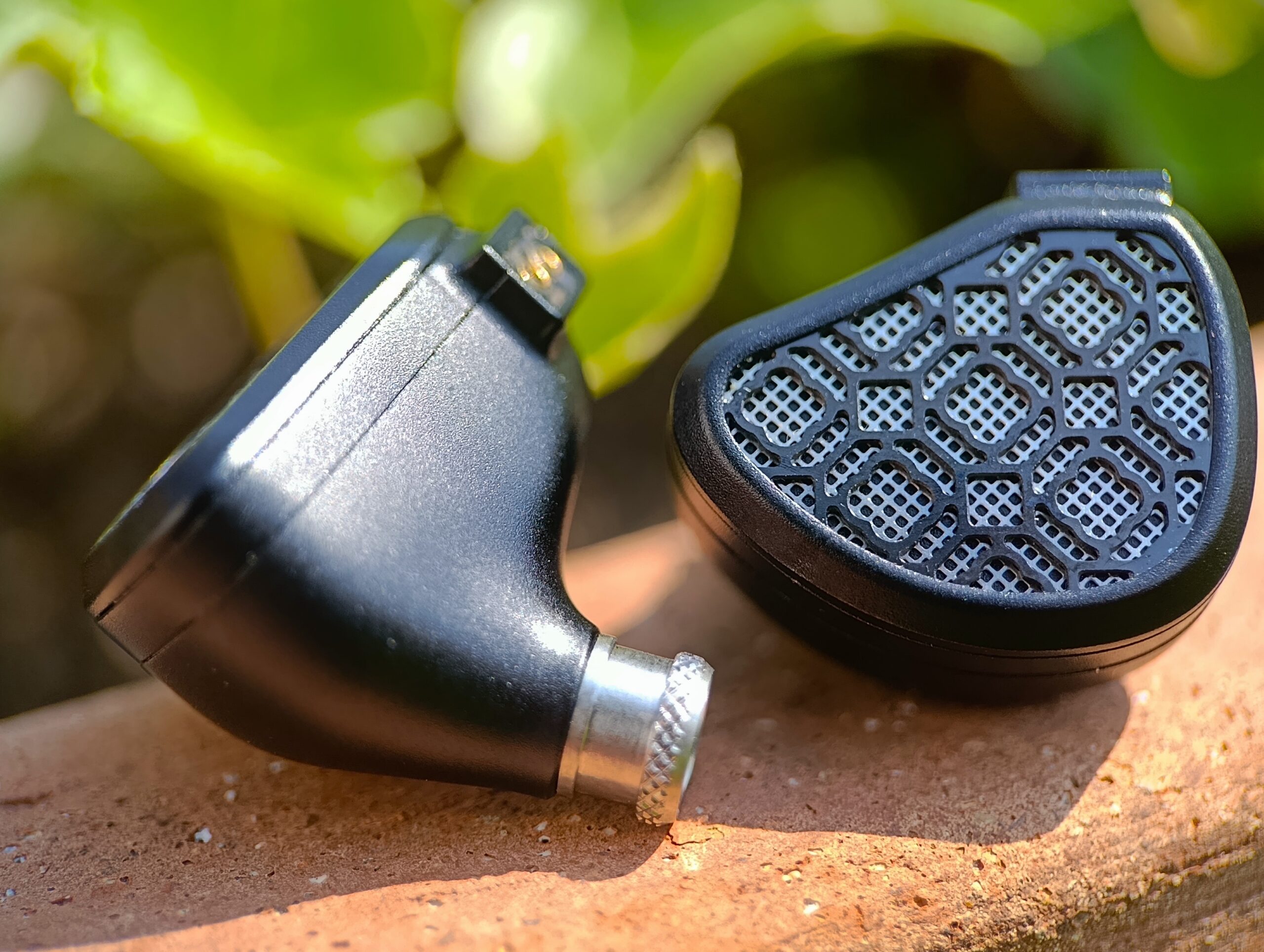
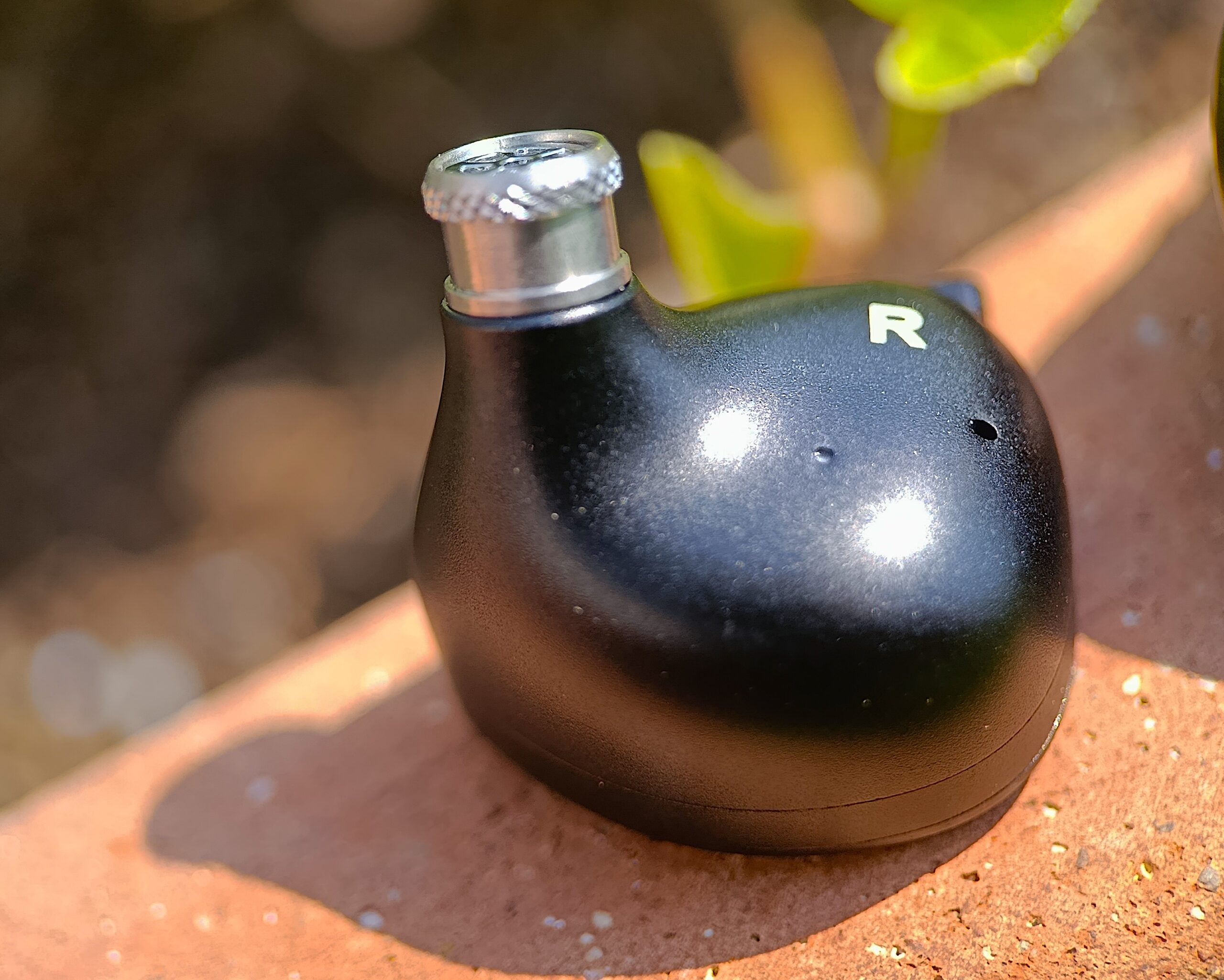
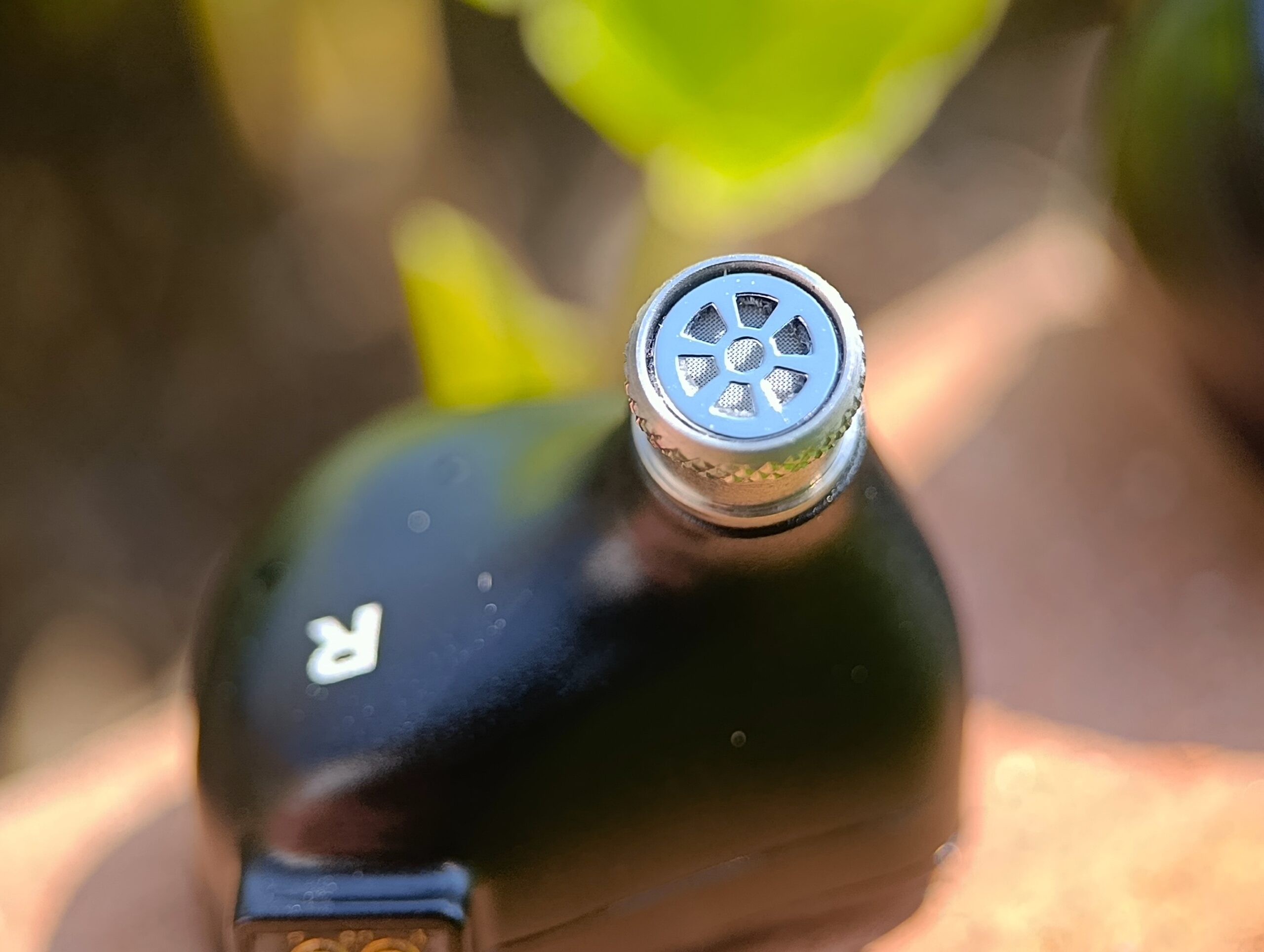
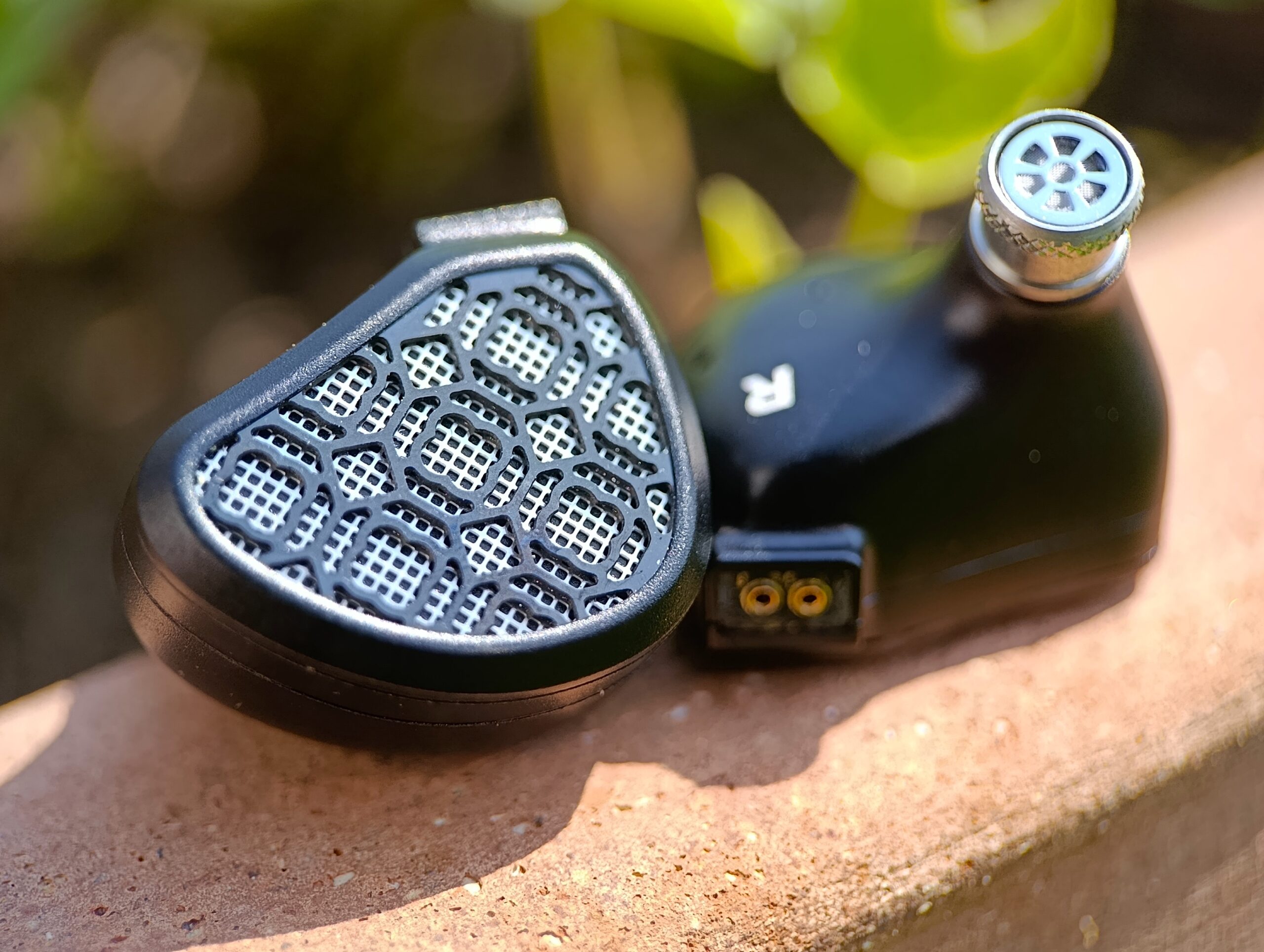
Despite the design, the faceplates do not appear to be open-back.
Initial sound impression:
The driver pairing is spot on. The idea of creating a hybrid planar IEM, in my opinion, is a winning approach. The planar driver base was chosen to be excellent, and by knowing how to add the right drivers and correctly separating certain frequencies, interesting results are achieved. The sound is smooth, with a pronounced low end that makes the IEM warm across the entire spectrum, yet at the same time relaxing and lush, with the crispness of the BA, which only works on certain frequencies and, despite having no nozzle filters, doesn’t create annoying peaks.
Equipment used for testing:
Device:
- Mac Mini
- Redmi Note 14 Pro 4G
Software:
- Amazon music UHD 24bit 96kHz (Both)
DAC:
- Fosi Audio K7 (Brighter)
- Creative X5 (warmer)
- Kefine KA2 Dongle (Surprisingly good)
Kefine KA2 Dongle:
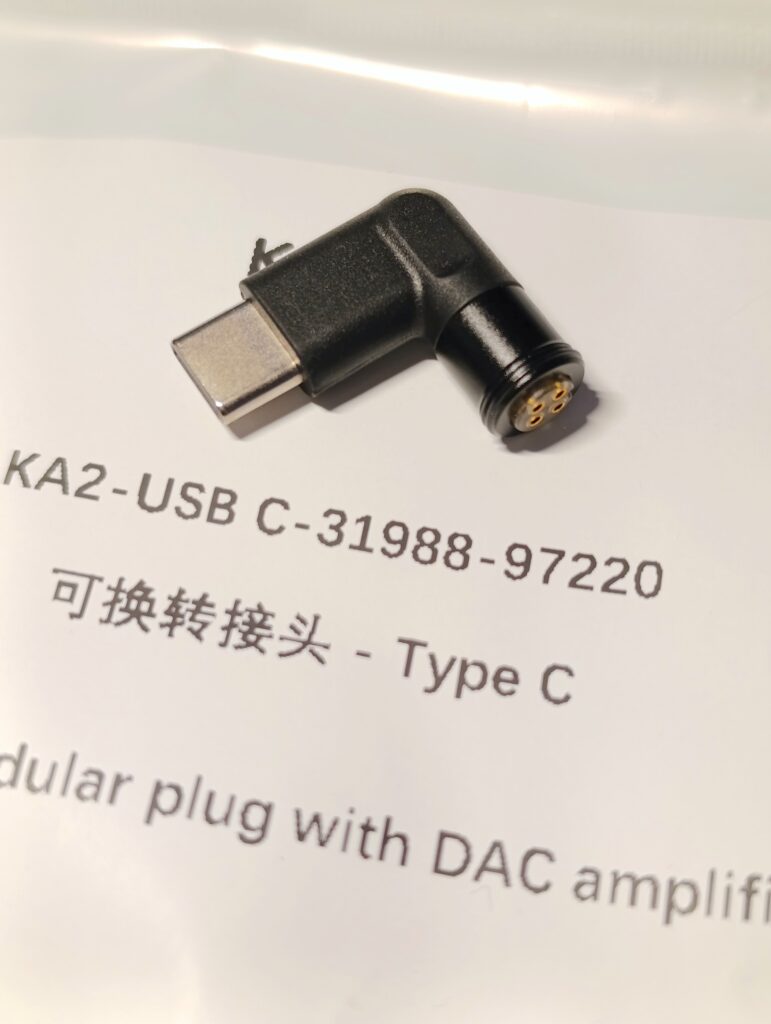
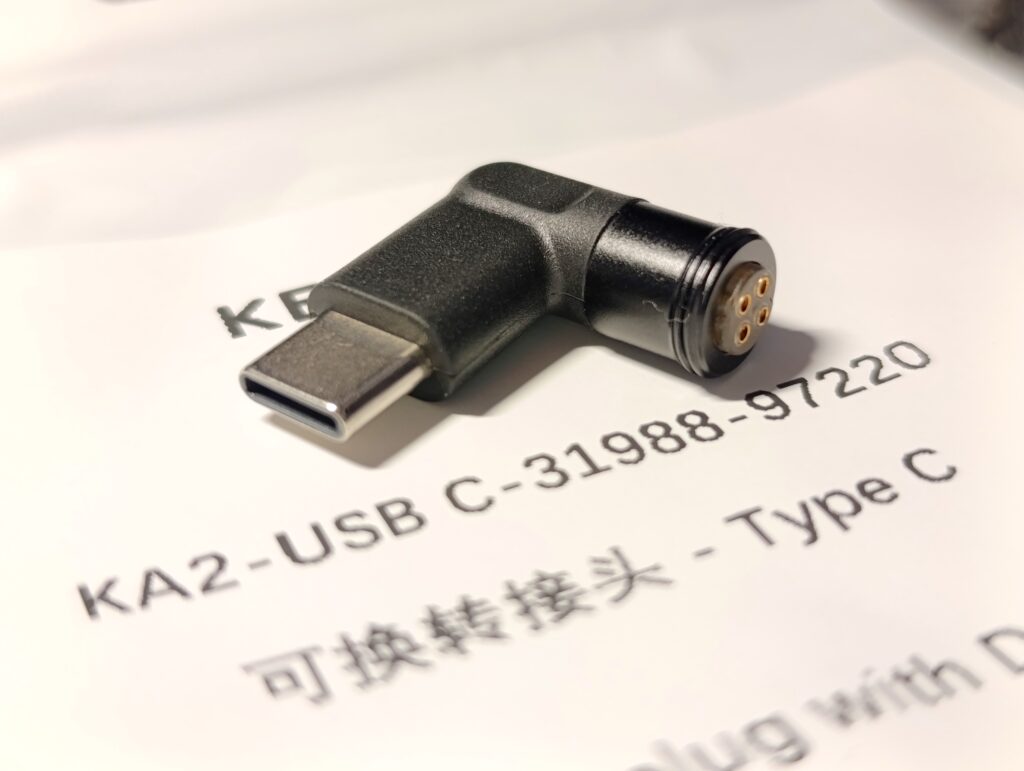
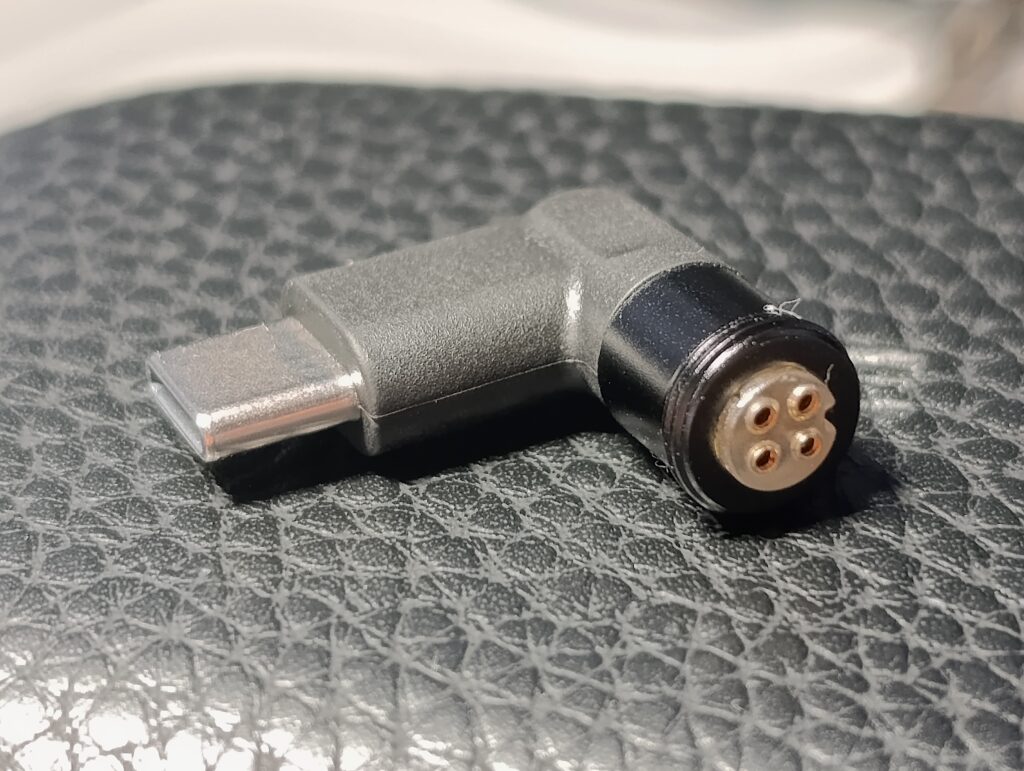
The small dongle lists the name Synaptics Inc. in the information visible on the PC. I thought it was a CX31993, but the packaging lists a less common CX31988 paired with a MAX97220, and honestly, based on the sound, it’s easy to believe it’s something slightly more refined. Perhaps it’s due to the low impedance of the Kefine Arnar, but this little adapter doesn’t sound bad at all. It doesn’t lose any of its fullness or dynamics; I’m incredulous, too, but it sounds really good considering the ultra-portable and compact solution. I’m not a fan of 90-degree connectors. You have to consider that they put a lot of strain on the Type-C ports on your devices.
There are no major shortcomings, but a more authoritative amplification on a planar is always recommended.
Tips & Cable Rolling:
As always, I recommend trying as many models as possible and not limiting yourself to the included ones, which almost never work. In my case, this time I really liked the pairing with the Divinus Velvet, but it depends on your ear. The included cable is excellent in my opinion and does not require any upgrade.
Final sound impression:
After several days of testing, I tried to figure out whether a balanced power supply or a dongle was necessary, and I think they’re not too demanding, but they still need a bit of power to fully express the included driver. I preferred a warmer source like the Creative X5, which gave them a touch more warmth, which I personally like. As a general rule, I wouldn’t use a bright source for the Klean SV. Overall, they share the same DNA as their predecessors up to about the upper-mids, then have a focus on definition and detail. They also handle any kind of EQ very well, so they’re also suitable for those who like to use presets.
Tuning Nozzle:
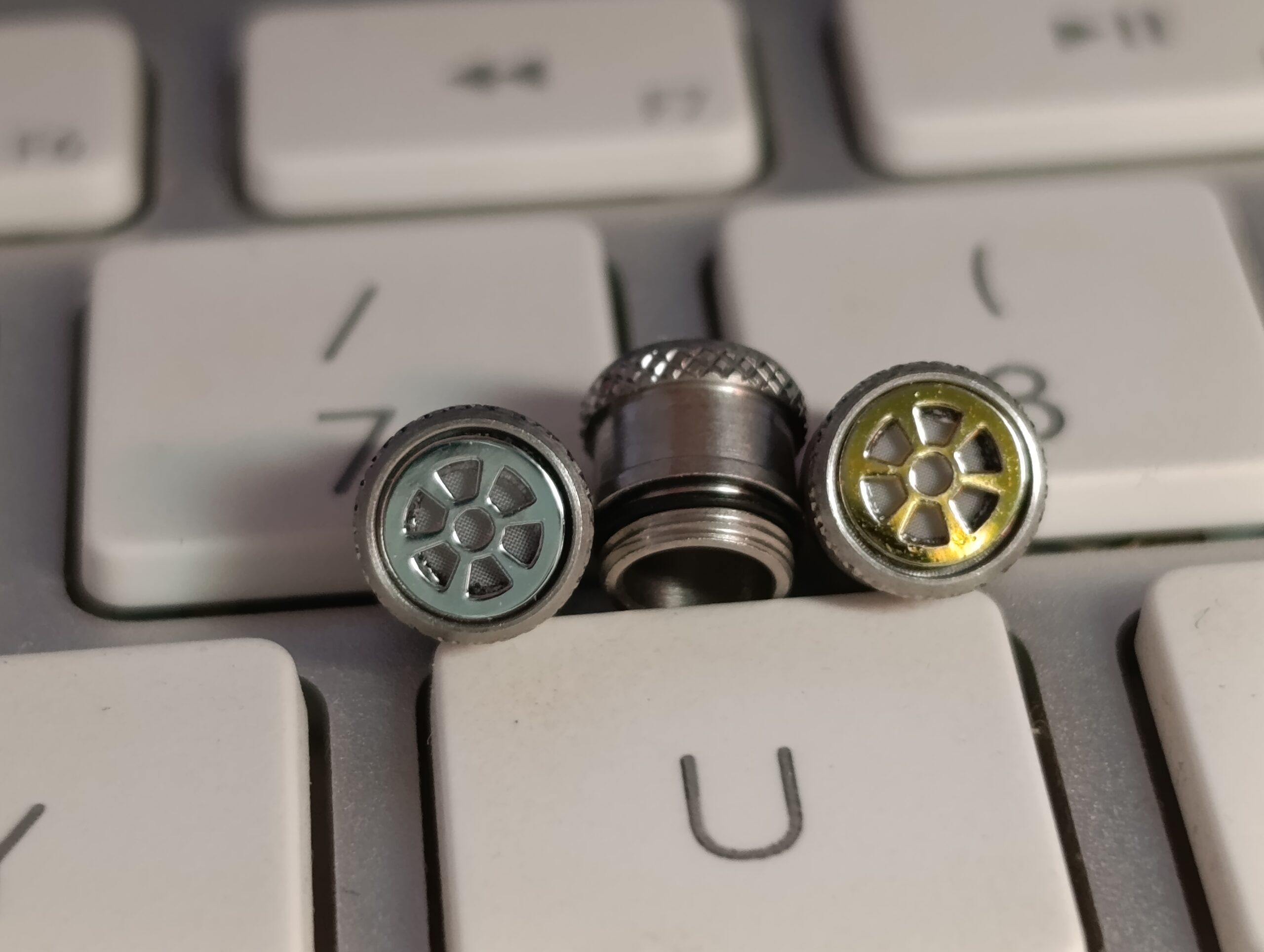
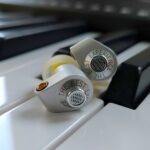
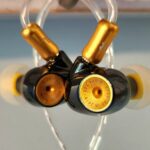
In terms of nozzles, we have three options, although I’ll tell you right away that they don’t cause drastic changes, as they are relatively similar; only the finish of the final mesh probably changes. There are no sponges inside, which could limit and further modify the sound.
- Silver: The nozzle they come with, on paper, the most balanced of all; I find it correct for any musical genre and keeps all frequencies in balance.
- Gold: The most open nozzle, which filters as little as possible, maintains every detail and sign of brilliance while slightly sacrificing the perception of the bass.
- Black: The warmer nozzle slightly affects the upper mids and treble, making the sound more relaxing while sacrificing some detail and slightly accentuating the bass.
The Kefine nozzle remains stable, maintaining the same properties across all models. The changes are minimal, however, and I recommend keeping the nozzle silver or, at most, gold for optimal balance.
Treble
The treble is unique, or rather, that’s how I’d describe it, because despite the warmth that characterizes the Knowles Arnar, the sound retains nuances and crisp details that don’t bother the ear in any way. The extension is therefore limited, but in a certain sense, the fact that the Knowles BA works exclusively on those frequencies still makes a difference, both in terms of macro and micro detail and the presence of air. A winning card.
Mids
Being an IEM characterized by a warm, velvety, and lush sound, the mids are also warm, enveloping, rich in nuance, and particularly in harmony with the low range. Both male and female vocals sound particularly natural and coherent, with good positioning and directionality of the various elements that make up the mids. Overall, it handles various genres with reasonable ease. Its warmth may not be to everyone’s taste, but in my opinion it is very pleasant to listen to and above all relaxing and undemanding.
Bass
The bass is pronounced and punchy when needed, but the rumble is contained to levels that can still be considered natural. It focuses entirely on the richness and density of the bass, making this aspect very interesting and fun, pushing the limits of naturalness. The planar driver really adds a lot of richness without overdoing the sub-bass, staying within the clean sound line. Truly fantastic.
Soundstage and Imaging:
The soundstage, thanks to the planar driver, is well-developed, perhaps a little dark at times, but, despite this, tremendously defined and naturally developed in all directions, with warm but very sharp images, and exceptional separation of the various elements. The Kefine Arnar is an absolutely excellent IEM.
Comparison:
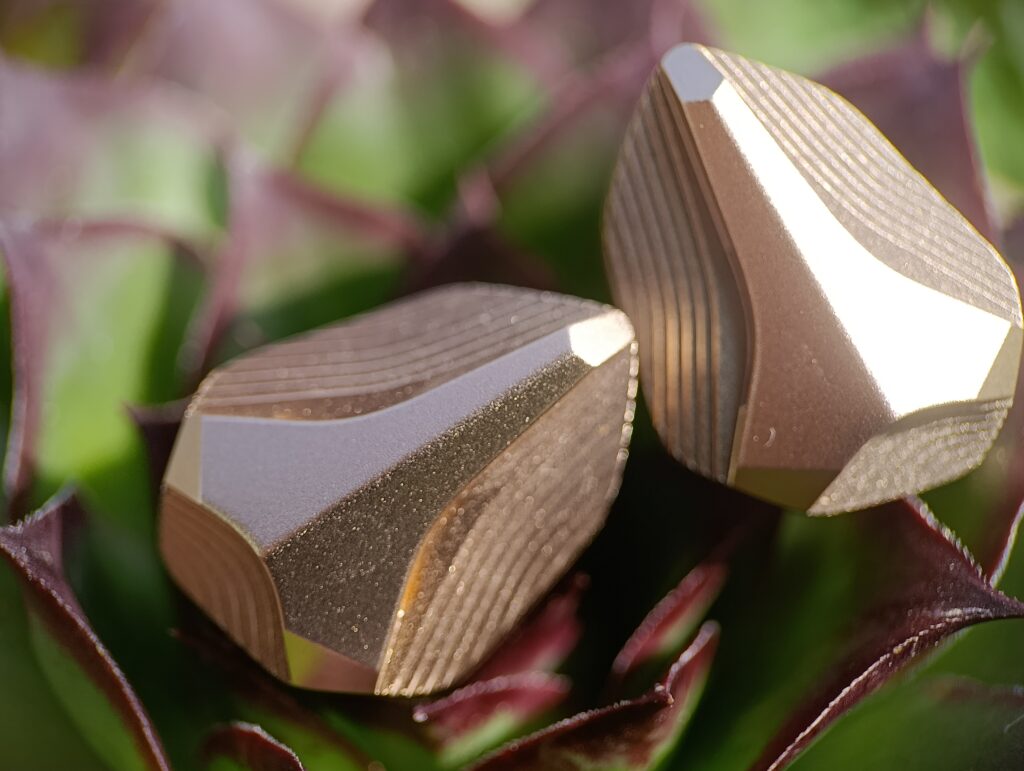
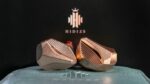
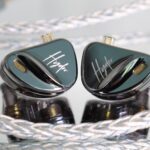
Let’s just say that Hidizs has lost a few points on the new model; there’s no sonic continuity with the previous model, but it’s a completely different tuning choice, making the two IEMs similar yet completely different. In this case, the Hidizs is brighter, much brighter, and aims for the ultimate analytical reference tuning. I recommend you read the full review.

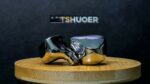
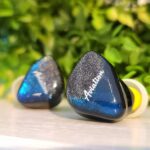
The Letshuoer Astralis, on the other hand, adopts a tuning more similar to the Kefine Arnar and, in a certain sense, they could be direct rivals, but even here there are many differences. The Astralis is a bit more colorful than the Arnar, which is warm but natural. In both cases, they are two excellent IEMs.
Conclusion:
The Kefine Arnar is yet another excellent IEM from Kefine. Since its first planar model, it has seen numerous improvements, from a superior accessory package to an increasingly mature sound. This IEM, in addition to being beautiful and minimalist, has a particularly dense and harmonious sound that isn’t found in many IEMs. For the asking price, you get an excellent hybrid planar IEM with a Knowles balanced armature, and perhaps one of the lowest-impedance planars available, which can be driven even with less powerful dongles. It’s also an excellent choice for those looking for something simple and different.
8.7/10
Pros:
- Extra detailed & High-quality build
- CNC shells
- Good, simple packaging
- Modular Cable
- Fascinating faceplates
- Mature, warm with Sparks signature
- Precise sound with a load of details
- Good musicality
- Better details and layering
- Right amount of treble
- The price is still awesome
- Easy to drive, but needs a DAC/AMP to shine
Cons:
- Nozzle changes are minimal
- Soundstage is more monitor-style than expansive (not really a con)
- Bass impact decreased from OG
Q/A:
Who is the Kefine Arnar for?
The Kefine Arnar is for those looking for something relaxing, something you’d listen to even at the end of a long day at work. Dense notes, a warm yet rich tone.
Who should avoid the Kefine Arnar?
Those looking for analytical IEMs should look elsewhere, if you’re looking for sparkle and high extension, you should look at other models.
Similar alternatives to consider?
There are many planars on the market, the alternatives have been compared but other possibilities will emerge as the months go by.
More Information (no affiliations):




No Comment! Be the first one.