
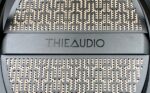



















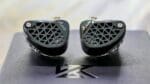










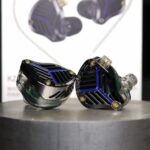


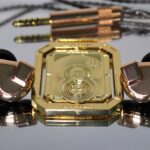
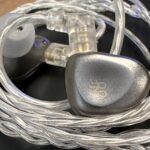


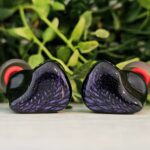
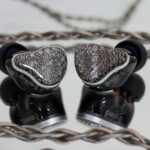
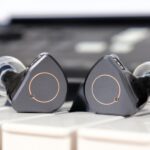





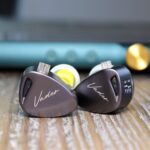

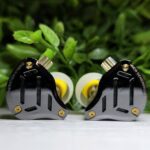
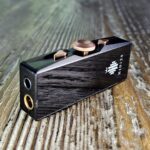
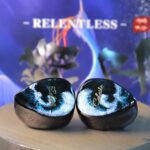
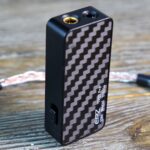
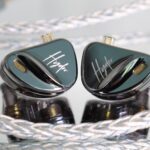
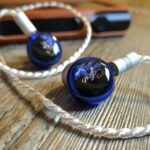
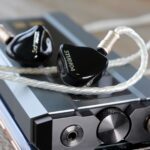


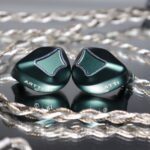
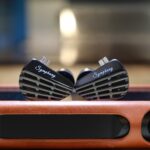
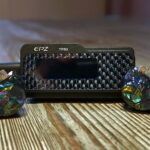
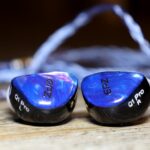





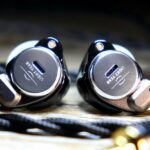
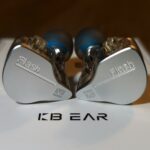
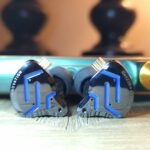

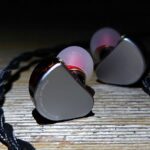
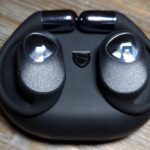
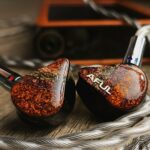


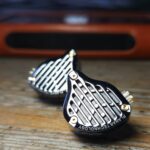
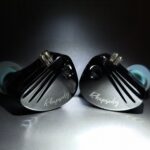





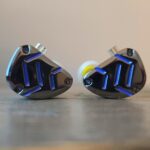
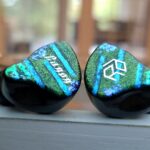
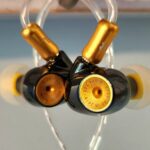





VE UA Vanguard is a high-impedance dynamic headphone that does not try to hide its demands. At 300 ohms, it clearly asks for proper amplification, and the listening experience changes noticeably depending on what you put behind it. This review focuses on real-world use with portable and dongle sources first, followed by a brief look at its behavior with a high-power DAP.
The goal here is not to judge Vanguard by absolute performance, but by how it behaves across different levels of available power.


Sound Performance
Bass
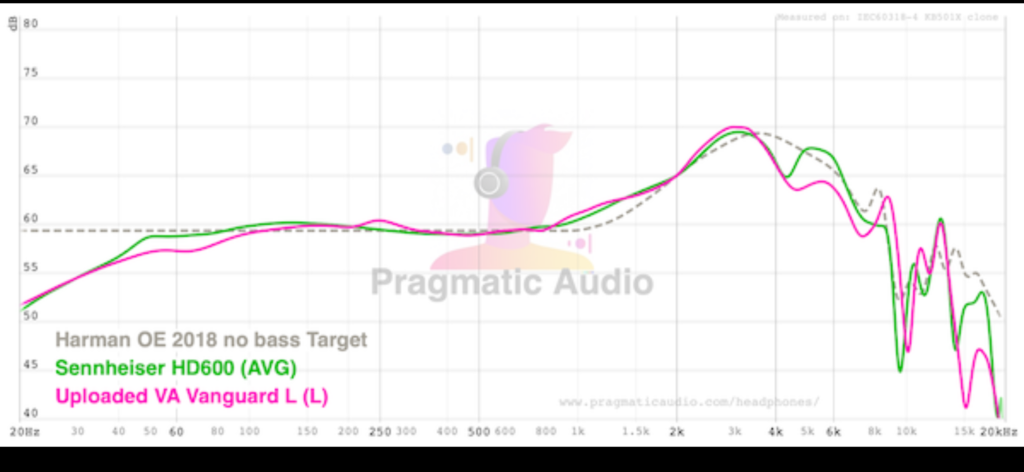
Bass presence on the Vanguard is clearly power-dependent. With limited amplification, low frequencies sound clean but light. There is no artificial weight or boosted impact, and sub-bass extension feels restrained rather than emphasized. That said, bass notes remain controlled and do not blur into the midrange.
As power improves, bass does not necessarily become “bigger,” but it becomes more stable and better shaped. Texture improves, decay feels more natural, and bass lines gain continuity. Vanguard does not aim for heavy slam; instead, it focuses on balance and coherence, even when driven harder.
Midrange
The midrange is where Vanguard remains consistent across sources. Vocals are placed clearly in front of the listener, with good tonal accuracy and a natural sense of scale. Male vocals, especially, benefit from the headphone’s clean mid presentation, sounding textured and present without being pushed forward unnaturally.
Instrumental mids are well separated and easy to follow. Even with modest power, the headphone avoids congestion, allowing guitars, strings, and keys to maintain their own space. With better amplification, midrange layering becomes clearer, but the overall character remains unchanged — neutral, stable, and human.
Treble
Treble on the Vanguard is smooth and controlled. There is enough extension to create a sense of air and openness, but high frequencies never turn sharp or fatiguing. With weaker sources, treble remains safe and slightly reserved. As amplification improves, upper frequencies open up without becoming aggressive.
Cymbals, string overtones, and ambient cues are present in good proportion. Vanguard does not chase sparkle or brilliance; instead, it maintains a natural top end that supports long listening sessions.
Soundstage & Imaging
Soundstage width improves noticeably with proper power. With limited sources, the stage is reasonably open but lacks depth. As amplification improves, the image expands outward and forward, instruments gain clearer placement, and layering becomes more distinct.
Imaging is accurate rather than exaggerated. Instruments occupy believable positions, and separation feels clean without sounding artificial. The headphone favors coherence over dramatic spatial effects.
Source Pairing Notes
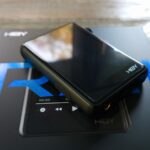
HiBy R4
Directly from the R4, Vanguard is listenable but clearly underpowered. Volume can be reached, but bass body and micro-detail are limited. Despite this, the headphone retains clarity, good atmosphere, and convincing vocal reproduction. It does not collapse or sound strained, but its full potential is not reached.
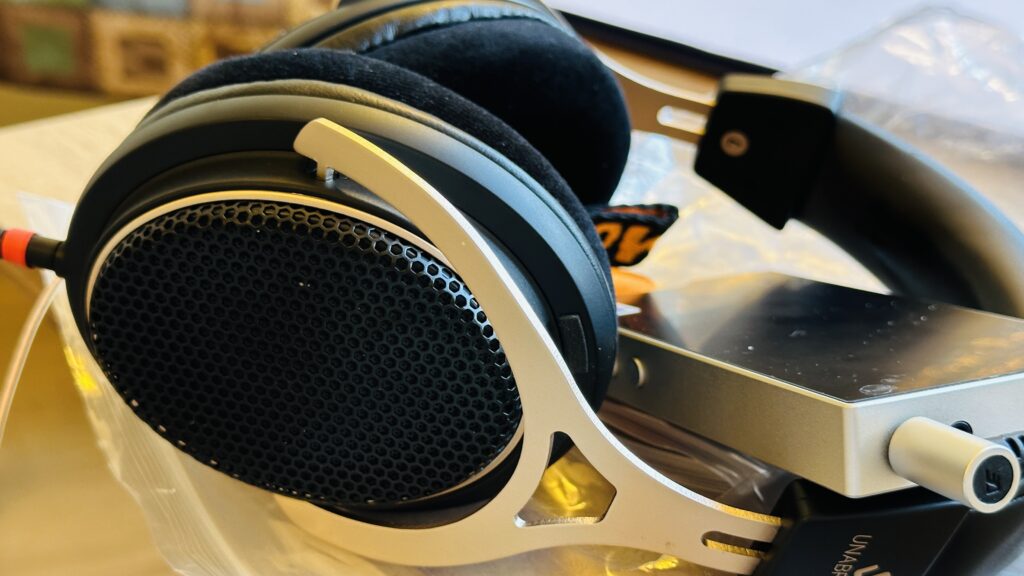
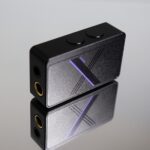
Questyle M15i (L Gain)
With the M15i, Vanguard takes a clear step forward. The sound becomes more open, layered, and controlled. Instrument separation improves, the stage feels wider, and dynamics gain authority. Bass remains balanced rather than heavy, while mids and treble benefit from improved stability.

This pairing brings Vanguard close to its intended operating range and represents a realistic minimum for enjoyable use.
Cayin N8ii (Transistor Mode, P+, Class AB, High Gain)
With the Cayin N8ii, Vanguard shifts toward a desktop-like presentation. Soundstage opens significantly, orchestral recordings gain air and realism, and overall control improves. The difference is less about loudness and more about composure, layering, and dynamic stability.
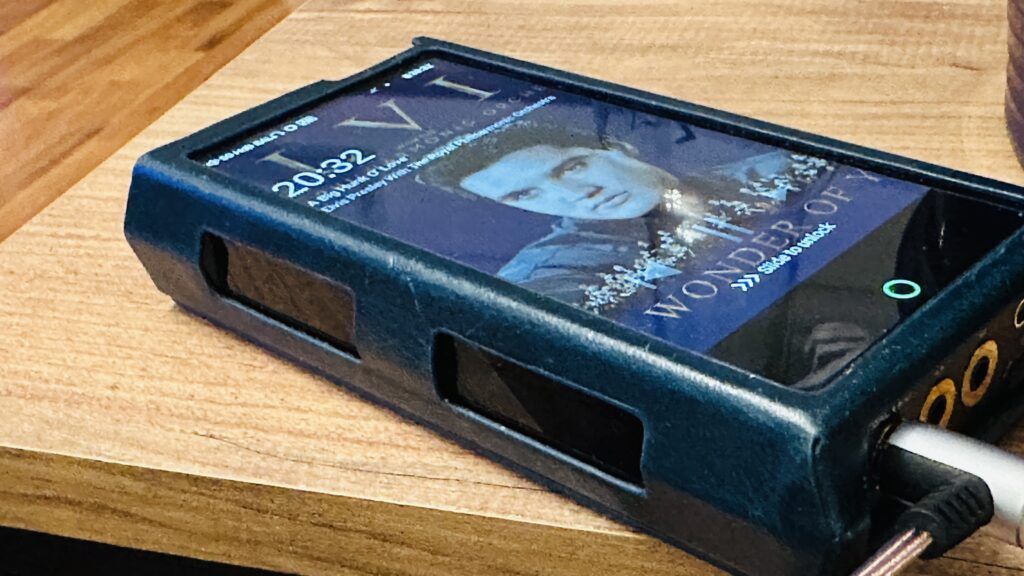
This pairing demonstrates the headphone’s upper limits rather than its everyday use case.
Pros
- Natural and controlled dynamic driver tuning
- Clean, stable midrange with convincing vocal reproduction
- Smooth, non-fatiguing treble
- Scales clearly with better amplification
- Maintains coherence even when underpowered
Cons
- Requires proper amplification to perform well
- Bass quantity may feel light for bass-focused listeners
- Not designed for casual portable use
- Micro-detail retrieval depends heavily on source quality
Conclusion
VE Vanguard is a headphone that rewards commitment. It is not designed to impress instantly or adapt easily to every source. When underpowered, it remains polite and listenable; when properly driven, it reveals a balanced, spacious, and controlled sound that favors musical coherence over spectacle.
For listeners who value natural dynamics, clean mids, and realistic staging — and who are willing to provide the necessary power — Vanguard offers a mature and honest listening experience. It is not a shortcut headphone, but a deliberate one.
Check the official web page for your own conclusions.





No Comment! Be the first one.