

Muse Hifi M3 Ultra Review
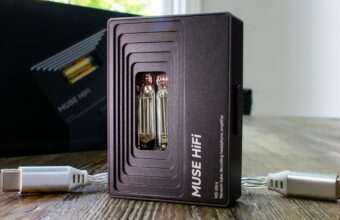
The Muse Hifi M3 Ultra is one of the least expensive dongle...


























































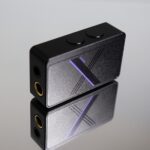













































The Muse Hifi M3 Ultra is one of the least expensive dongle...
INTRODUCTION: Kefine as a brand has put up some serious...
The CCA Falcon is CCA Audio's budget range iem which...
Disclaimer: Good morning, MBA readers! After a pause for...
Preface When you talk about Beyerdynamic, you’re...

The Hidizs MP143 comes across as a design that has quietly found its own footing. The first few moments can feel disorienting — treble air and stage placement don’t immediately align with familiar reference points. Give it a little time though, especially through the R4’s balanced output, and its intent becomes clearer. Instead of leaning into width or spaciousness, the MP143 chooses a denser, more immediate presentation. With We Can Make the World Stop and the dark gray tips, the tonality lands on the darker side but stays finely resolved, adding a subtle sense of depth and atmosphere. What stands out isn’t sheer weight, but surface detail and texture. That initially puzzling darkness settles into something cohesive, largely because clarity remains intact across the stage.
With the darker tips in place, the soundstage doesn’t aim for scale but for structure. It’s compact, focused, and anchored by a solid center. Resolution, speed, and consistency define the experience. Treble extension is handled with restraint — controlled rather than flashy — resulting in an energetic yet fatigue-free upper range. Instrument separation holds up well even in dense metal tracks, where layering can easily collapse. Details that might otherwise blur in a more expansive tuning come through with sharper outlines here. The MP143 also shows a forgiving side, keeping less-than-perfect recordings listenable. Swap to the lighter gray tips and the presentation loosens up: the stage gains air, the overall balance feels more open, and the treble shifts from shimmer to authority without losing detail. Percussive elements, especially drums, carry a convincing sense of intent and weight.
Switching over to the AP80 Pro Max alters the balance slightly. Absolute technical precision dips compared to the R4, but what replaces it is a noticeable rise in energy and engagement. The sound becomes more playful, more visceral. With the gray tips, bass impact tightens and delivers the kind of slam metal thrives on, while guitars and snares land with satisfying force. There’s also a stronger sense of outward projection — the music feels less contained, more kinetic. Overall, the MP143 favors connection over perfection. It may not chase textbook technicality, but it offers something arguably more important: a sound that feels honest, purposeful, and easy to respect once you settle into it.

Let me share my own impressions of this IEM. The model I reviewed in detail is the Hidizs MP143 Salt Limited Golden Titanium Edition (slightly different from the aluminum models).
When you first take the MP143 Salt Golden Titanium out of the box and touch it, the whole thing hits you with that cold, solid metal feel yet somehow the design still manages to feel warm and inviting. The moment I put it in my ears, I had a very clear thought: “Okay… this isn’t going to be a normal IEM experience.”
Sound Signature:
If I had to describe the MP143 Salt GT in one sentence, it would be this,
a huge, speaker like planar stage that actually breathes.
The big planar driver gives you speed, crisp imaging, and a lively spark up top without turning harsh or sterile. This IEM is not flat, not dry, not dark. It’s energetic, dynamic, expansive, and full of air.
The signature leans slightly V-shaped, but the treble never steps on the mids, and the bass supports the whole signature without bloating. The tonality feels modern, fast, technical, and honestly. way more fun than I expected.

Reference Source: Sony NW-ZX507
Reference IEM: Moritz Audio Enzo
Our site uses cookies. By using this site, you agree to the Privacy Policy and Terms of Use.