







































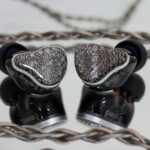




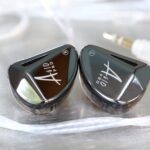


















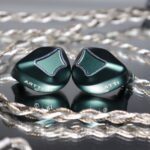



















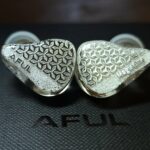



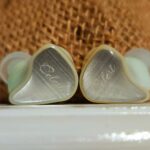




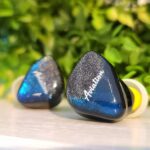
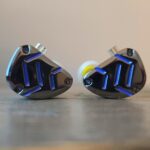



A technical hybrid at this price – dd Hifi x Moondrop Surface IEM Review ($279)


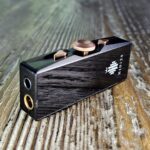
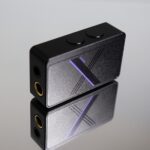
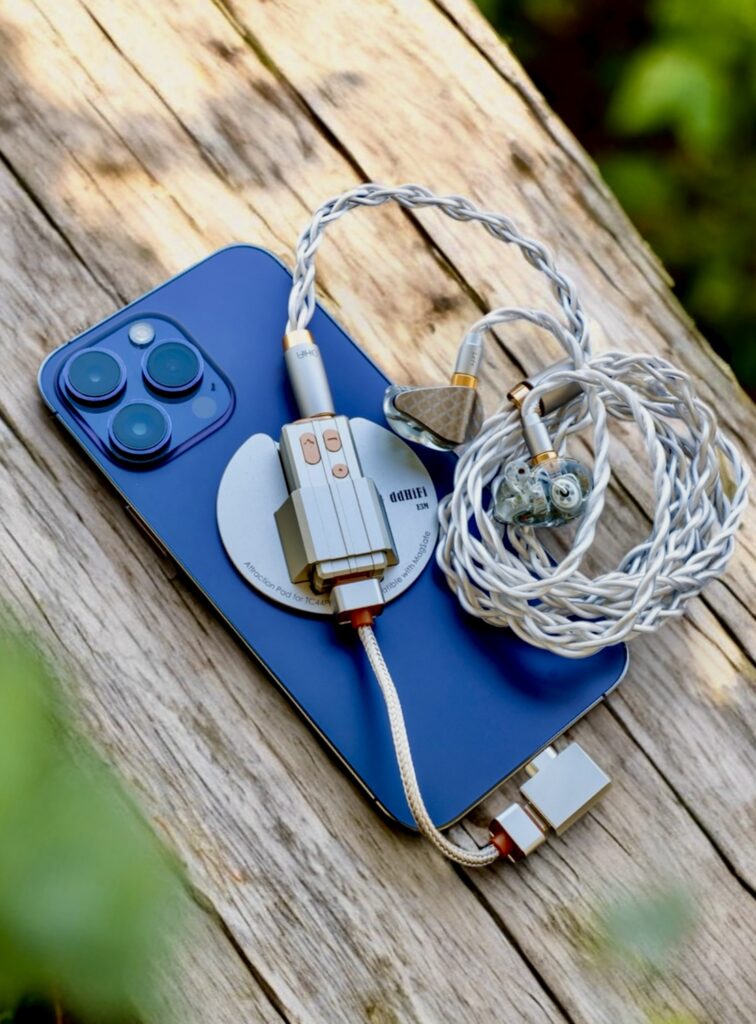
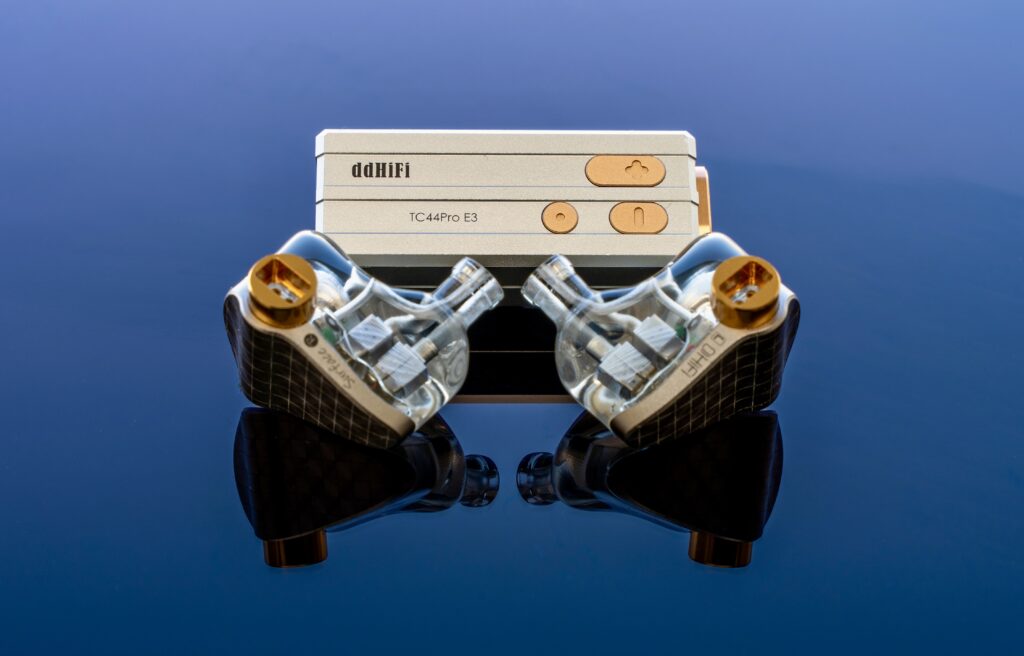
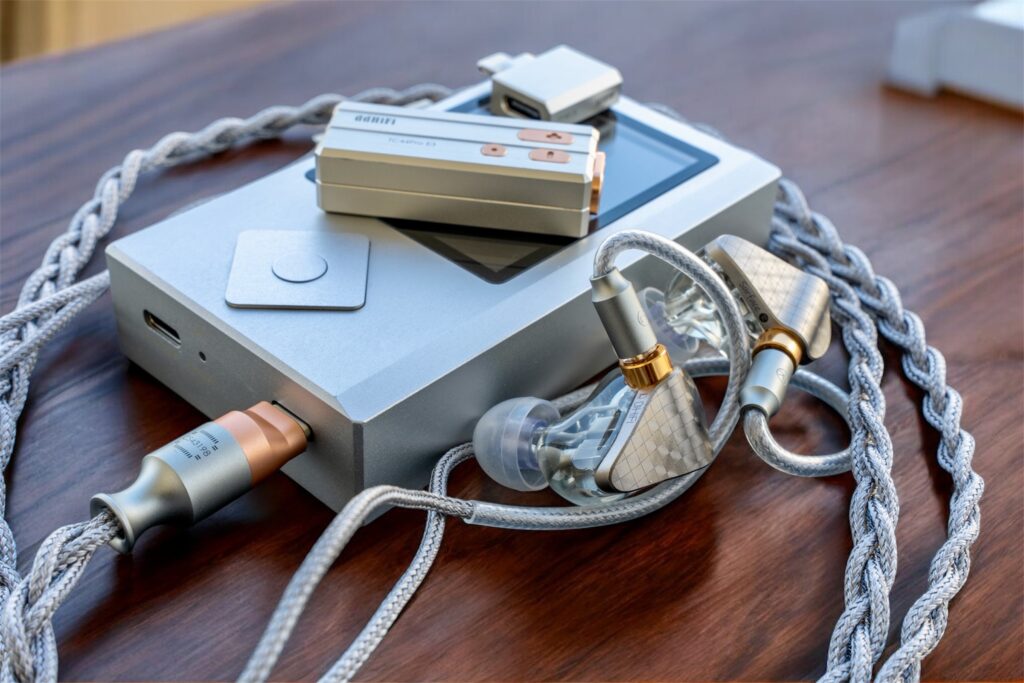
While writing this review, I’m listening to Avratz by Infected Mushroom on my iPad Pro M1 with a dd Hifi Eye3 DAC/amp and dd Hifi Surface IEM. The sound separation in this track speaks volumes about this IEM. I’m having a very comfortable listening experience.
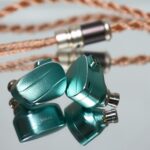
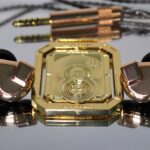
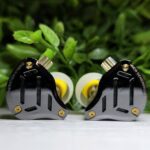
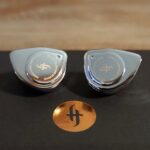
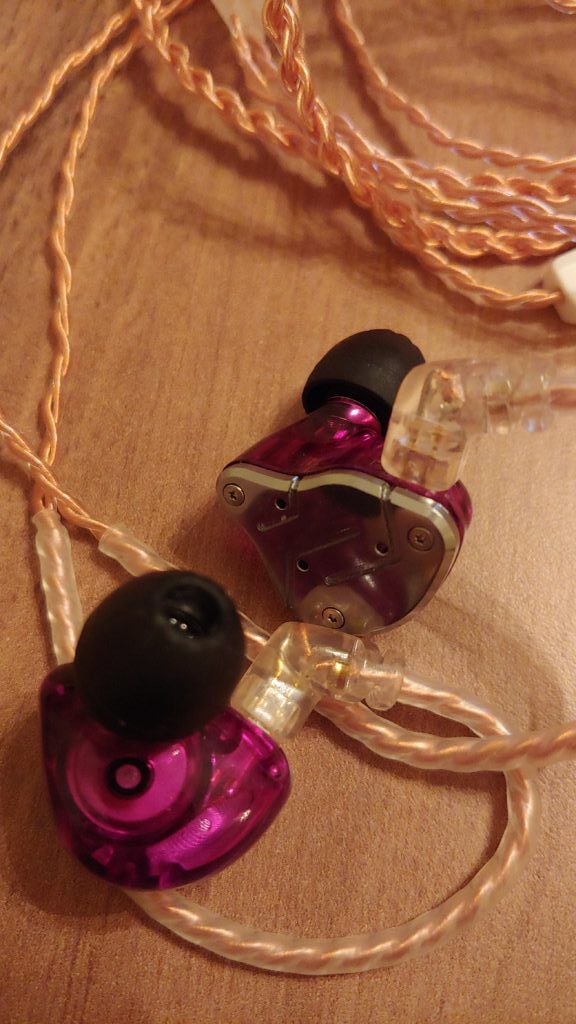
The ddHiFi Surface should be seen as a special collaborative product that combines ddHiFi’s craftsmanship approach in the world of accessories and portable audio with Moondrop’s years of acoustic expertise. This model is not just a brand release, but a fusion of two different areas of expertise for the same goal. While ddHiFi focuses on design language, metalwork, connector robustness, and practicality for everyday use, Moondrop focuses on the heart of the matter. Driver selection, acoustic chamber geometry, and crossover configuration.
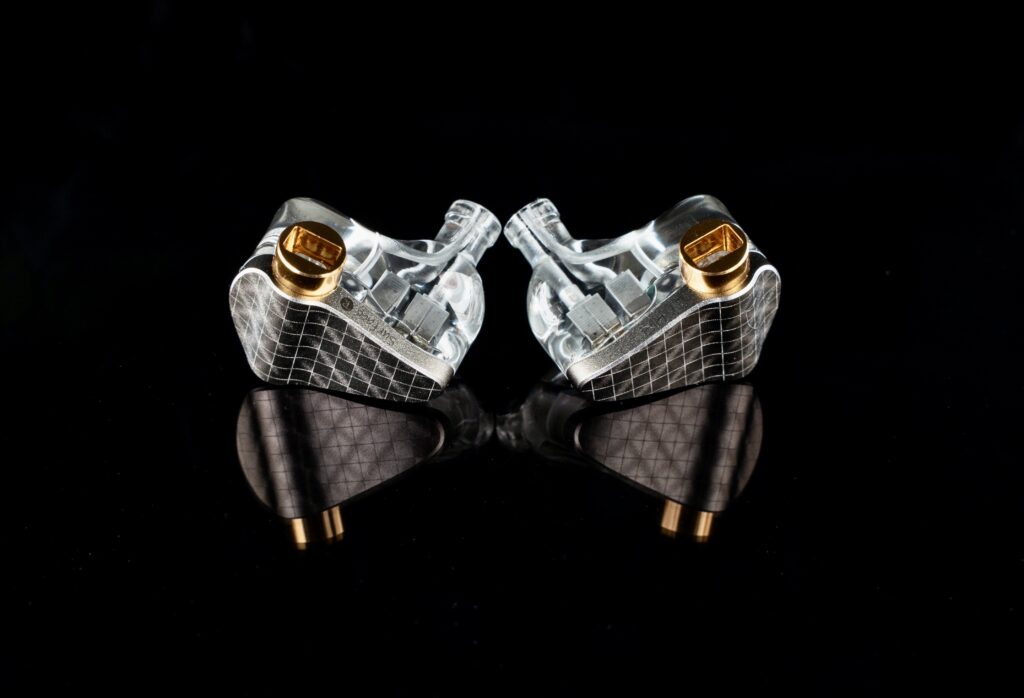
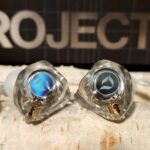
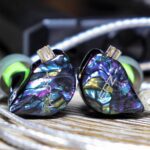
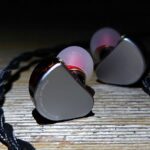
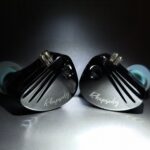
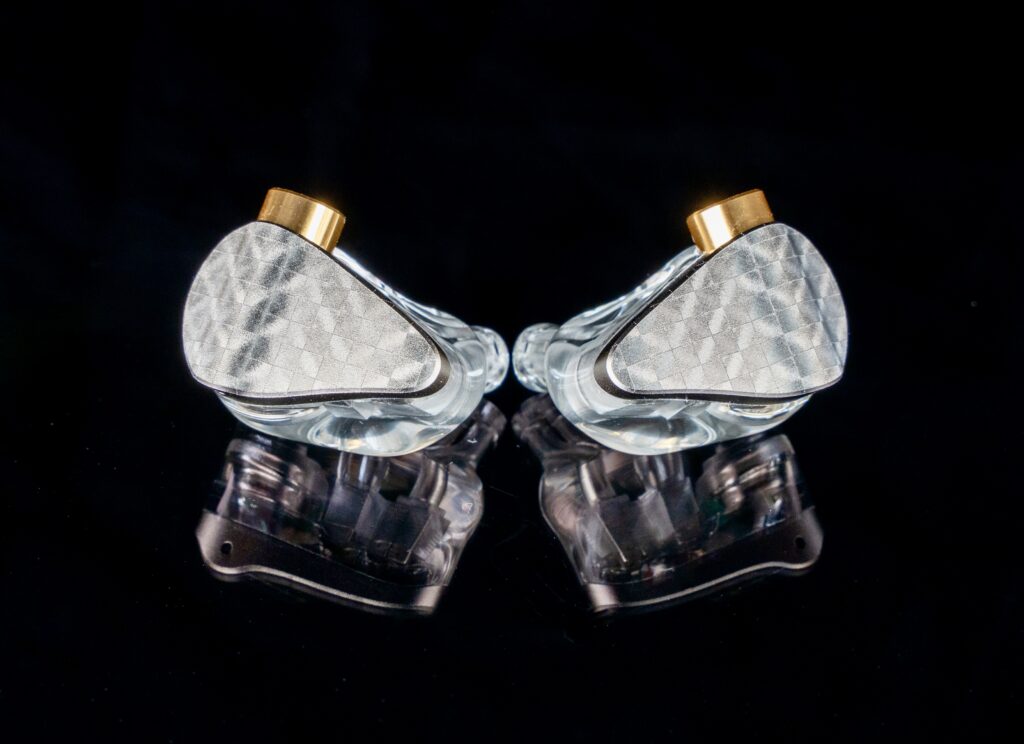
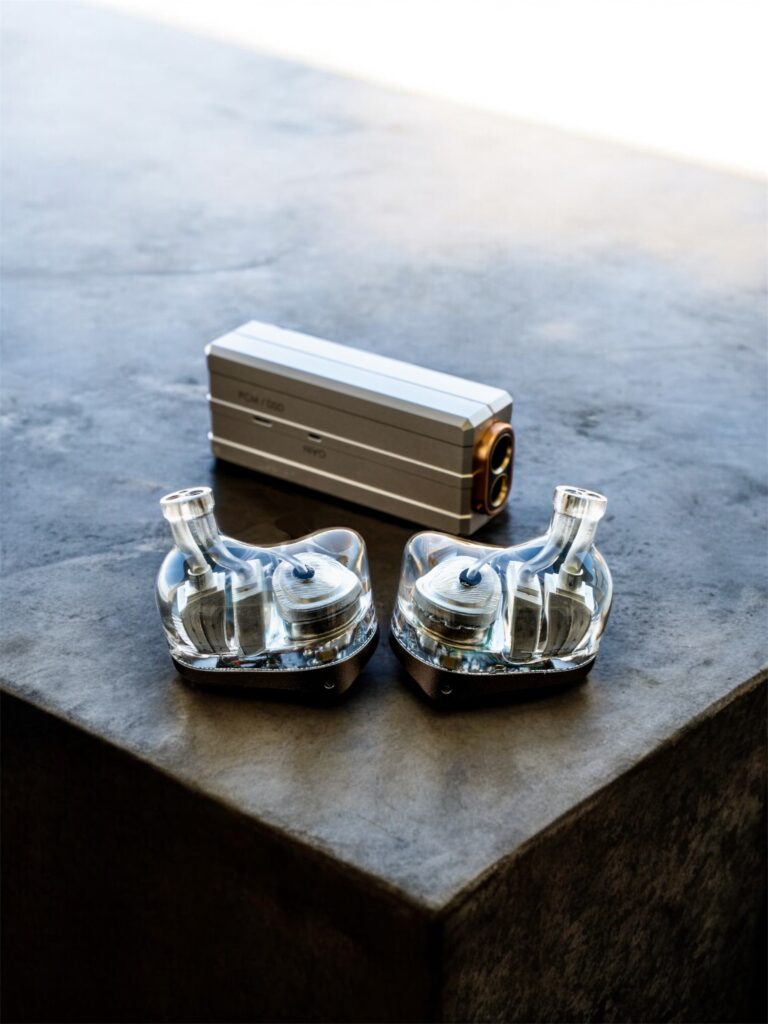
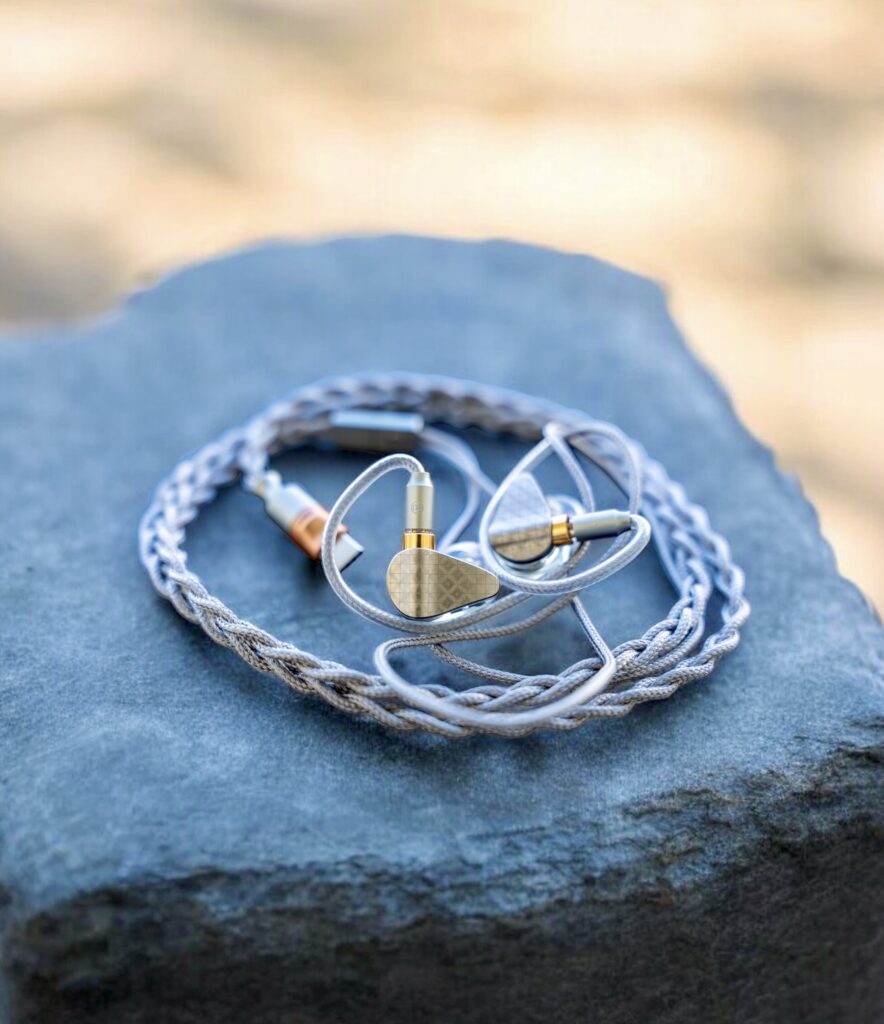
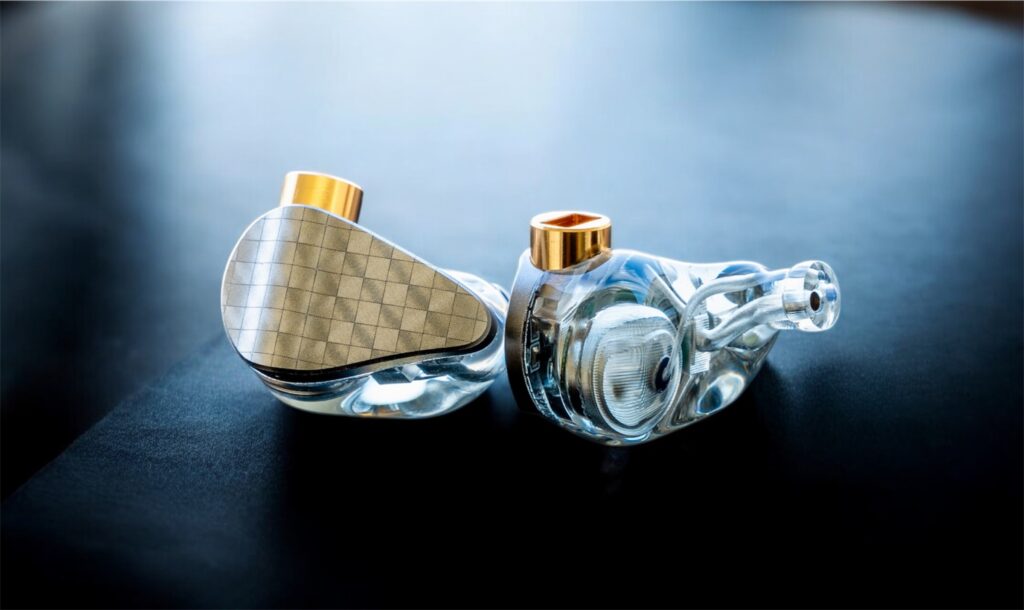
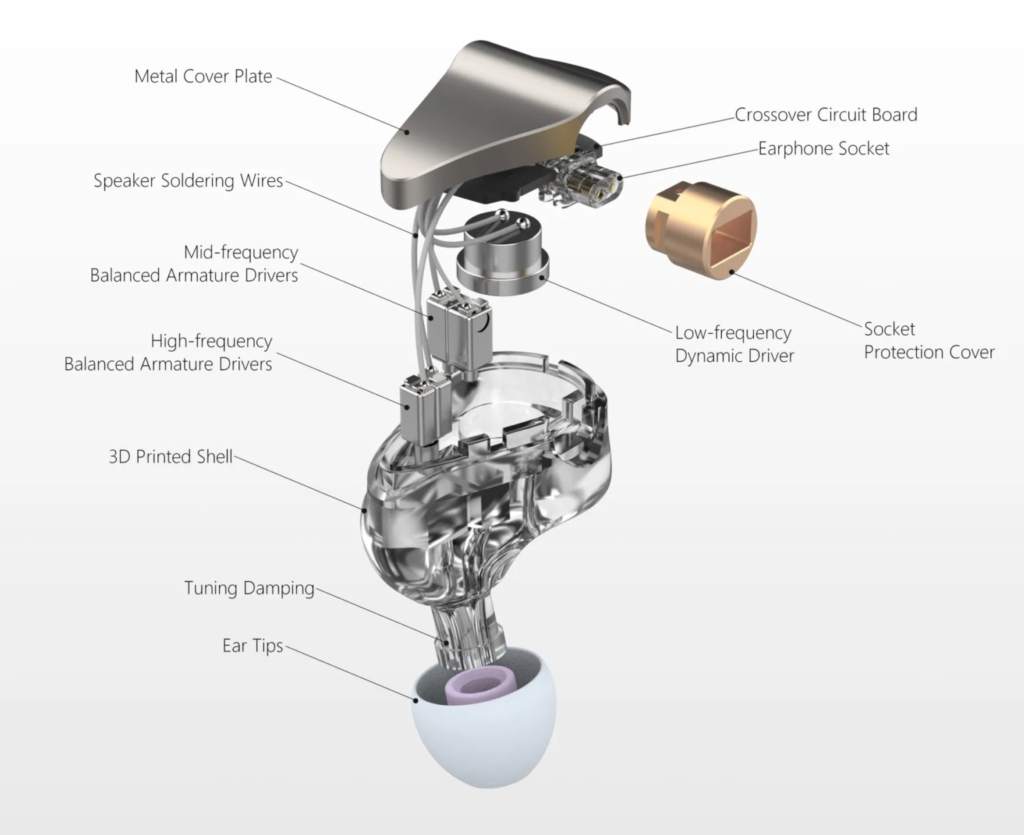
The Surface’s Moondrop expertise feel is particularly evident in its tonal balance. A hybrid arrangement of 1 dynamic driver and 4 balanced armatures is managed with a three-way crossover logic, preserving the body of the bass while keeping the mid range clean, and delivering bright yet controlled highs. The 3D printed acoustic structure and internal channels make frequency transitions smoother, contributing to a more natural soundstage. In short, Surface is a true collaboration, combining ddHiFi’s idea of premium portability with Moondrop’s engineering driven sound character.
A Consistent, Mature, and Seriously Addictive Hybrid Headset.
Some hybrid headphones impress you with their technical flair, but feel disconnected, like separate driver sections juxtaposed.
The ddHiFi Surface takes a more mature approach. Tuned to deliver full, uninterrupted sound, it offers a smooth, analog sounding stream that makes you want to listen to one more track, then another album, without thinking about the equipment. What surprised me most was how the Surface balances clarity and comfort. It delivers clean, resolving sound, but never becomes tiring. It feels more like something designed for real everyday listening than something trying to win a quick demo.
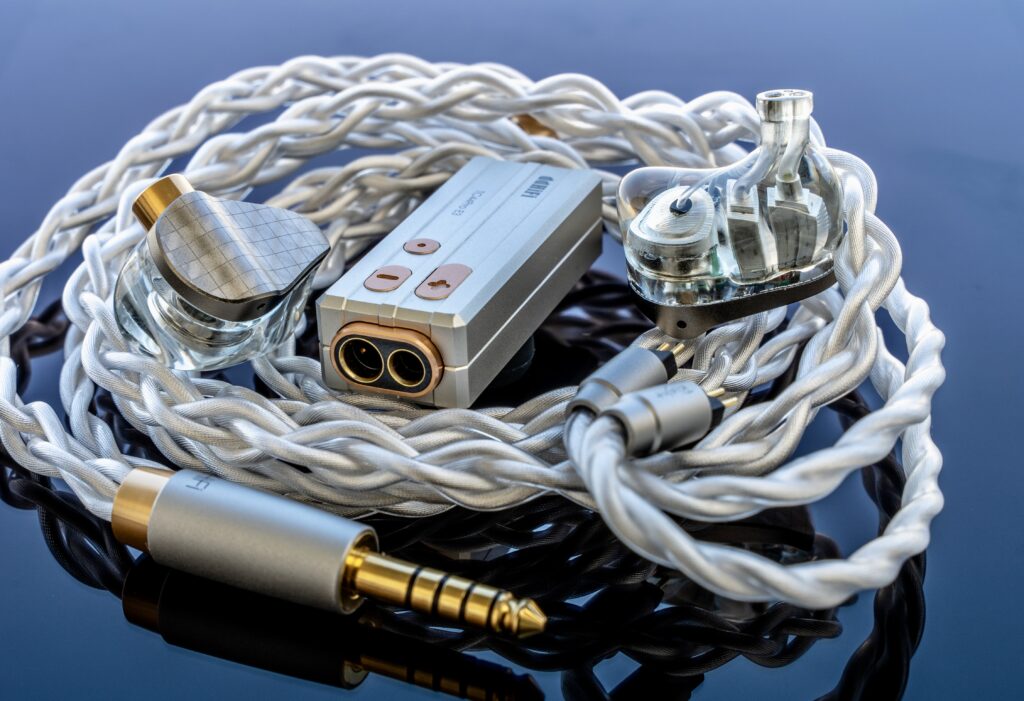
Overall Sound Signature: Smooth and balanced with a natural, slightly warm center. If I had to summarize Surface in one sentence: it offers a balanced and organic treble that feels emotionally accurate in the mid-frequencies and remains civilized.
It doesn’t aim for exaggerated sub bass hits or bright, sharp details. Instead, it prioritizes consistency. The bass is full enough to feel satisfying, the mid frequencies are stellar, and the treble is clean and distinct without becoming overly flashy. Surface gives you that feeling of everything needing to be in the same room, which isn’t always guaranteed in hybrid designs.
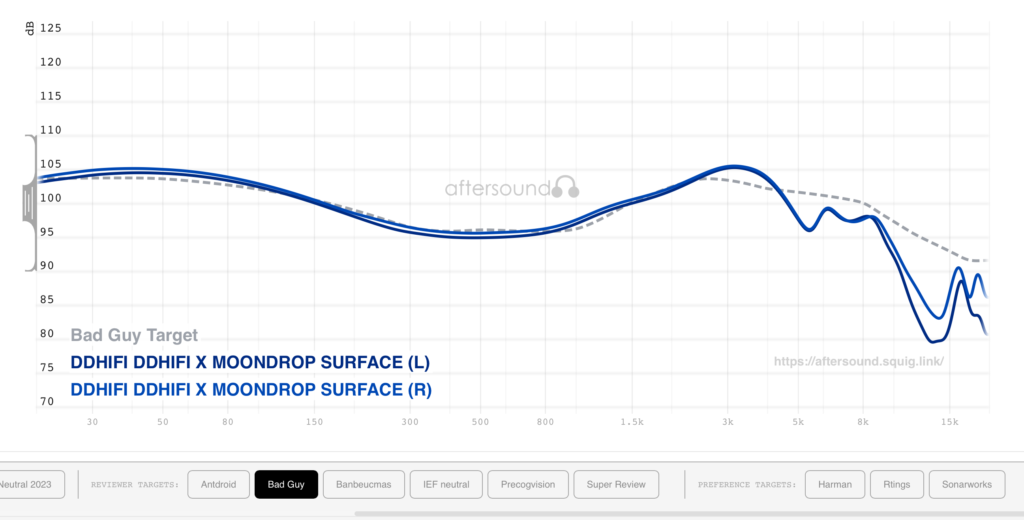
Bass: Controlled beat, not a bass enthusiast’s show, but Surface’s dynamic driver provides a physical foundation for the low frequencies while keeping the tuning disciplined. The sub bass hits lows with good pressure, while the mid bass remains under control, helping to prevent the mix from becoming thick or cramped. The kick drums have a distinct beat instead of a big bang. The bass guitar lines have not only warmth but also shape and pitch. I personally liked this presentation.
This isn’t the kind of bass that overwhelms a track for instant excitement. Instead, it supports the rhythm and groove while allowing the mid frequencies to breathe. If you have rock, metal, jazz, and vocal music in your library, this bass style generally works better in the long run than a heavy mid-bass upgrade.
Midrange: The Heart of Surface
This is where Surface sets itself apart from many competitors in its price range. Vocals are positioned very naturally, present enough to feel intimate but not so prominent as to cause shouting. Male vocals are full and textured. Female vocals come across as clear and expressive without being sharp.
Instruments also benefit from this setup. Guitars are full and realistic. Pianos have weight and a believable beat. Strings avoid that plasticky, overly bright BA tone that some hybrids struggle with. The overall mid frequency presentation is smooth, confident, and emotionally expressive.
Trebles: Measured and Clean Details
Surface’s trebles are present, but tuned for extended listening. Cymbals have clarity without bounce. Hi hats are clear without harshness. There’s enough top air to prevent muffled sounding, but the setup doesn’t force aggressive peaks that cause fatigue. If you like very bright IEMs that highlight every micro detail, Surface might feel more comfortable. However, if you want to listen for hours without getting tired, this treble adjustment is a real advantage.
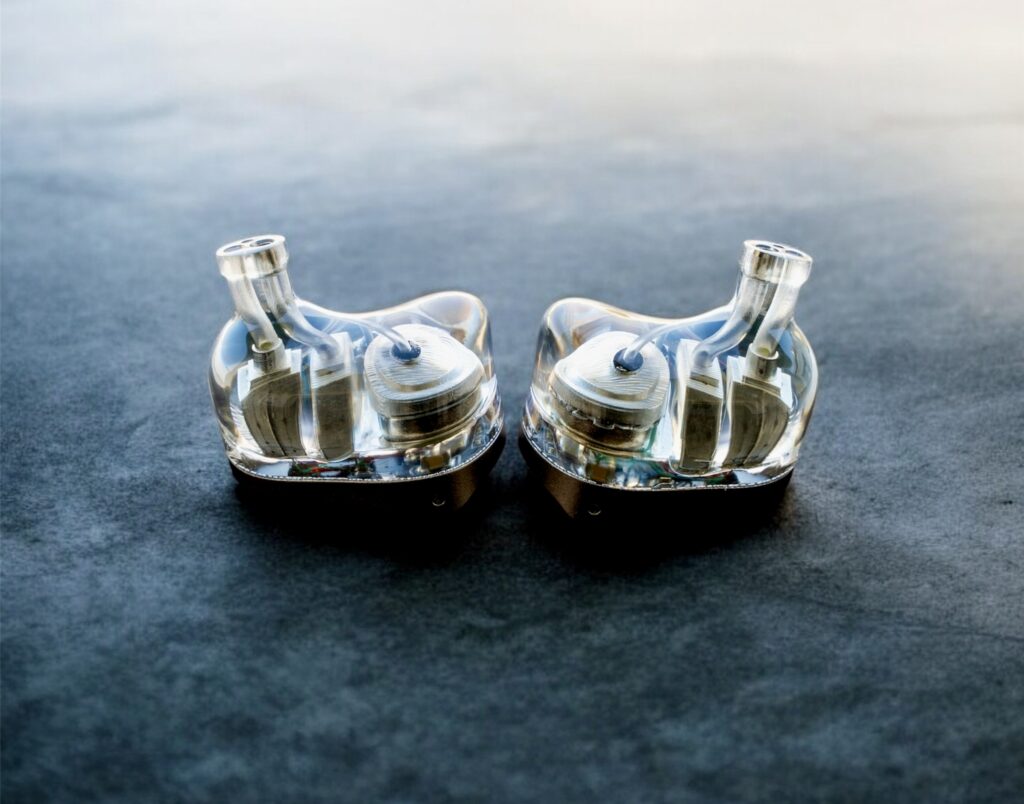
(Ear Tips Used : Spinfit W-1) >> Spinfit Official Link
Internal ear tips aren’t for me, but there’s always something better. My preference for these headphones is again the Spinfit W-1, a brand I love for its isolation. Now, the bass feels much more solid.
(Spinfit Eartips, which provide maximum insulation performance and are made of medical material, were used throughout the test.)
Soundstage and Imaging: Medium Size, Strong Organization
Surface doesn’t chase a massive, artificial soundstage. Instead, it creates a medium-sized soundstage with excellent organization. Imaging is stable. Separation is clean. Layering is particularly strong in the mid frequencies, making dense mixes feel organized rather than crowded.
It can deliver a surprisingly wide sound depending on the source, but even at its most open, it feels natural, not exaggerated.
How the Character Changes with Source Matching,
Surface is very easy to drive on paper and quickly reaches a comfortable sound level in practice. However, the character changes noticeably with different DAC and amplifier options.
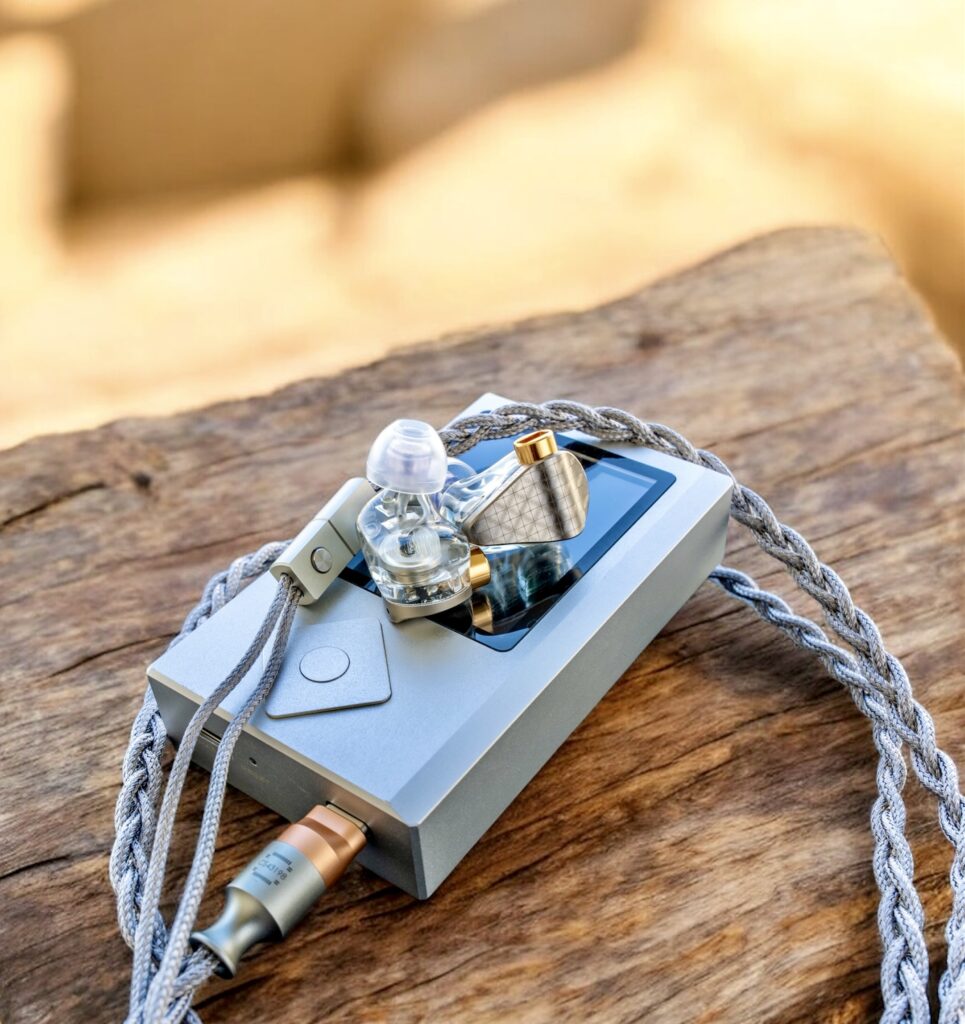
ddHiFi Eye3 (dual CS43198)
With Eye3, Surface gains a bit more dynamic punch and a slightly fuller low end. The midrange stays smooth, but the overall presentation feels more energetic and lively. CS43198 based devices often sound natural and fluid, and that plays perfectly into Surface’s musical style. Eye3 is an excellent match if you want Surface to feel a little more physical and fun.
Hidizs S9 Pro Plus (ES9038Q2M)
With S9 Pro Plus, Surface becomes cleaner and sharper around transients. The sound leans a touch more analytical. Edges tighten, micro detail becomes more obvious, and the stage can feel slightly more carved out. The ESS style presentation tends to emphasize clarity and precision, which can make Surface sound more resolving, especially in the upper mids and treble. If you want maximum definition and separation, this is the pairing.
Tanchjim Luna (dual CS43198)
With Luna, Surface shifts toward smoothness and a slightly richer midrange texture. Bass feels rounder, vocals become a bit more liquid, and treble stays polite and refined. This pairing emphasizes Surface’s analog side. Easy to listen to, emotionally warm, and very coherent. If you value long sessions and vocal intimacy, Luna fits beautifully.
Comparisons:
Surface vs Moritz Audio Dragon
Moritz Dragon is the kind of IEM that reminds you why a great dynamic driver can feel special. It tends to deliver a more physical, elastic low end and a more obviously live sense of macrodynamics. When you move from Surface to Dragon, bass hits feel bigger and more effortless, like the driver is pushing air with a little more authority. Dragon often gives you that energetic rise in impact that makes rock drums and electronic drops feel exciting. Surface, by comparison, feels more composed. Its bass is controlled and supportive, but it is less about slam and more about structure.
In the midrange, Dragon typically sounds more organically blended because everything comes from one driver, so tone transitions can feel extremely natural. Surface counters with a midrange that is just as engaging but slightly more organized, with clearer separation between vocal layers and instruments. Surface’s hybrid design helps it keep complex mixes tidy, especially when multiple guitars and backing vocals stack up. Treble is another difference: Dragon’s treble character often depends heavily on the dynamic driver’s behavior and can feel more alive or more rounded depending on the track. Surface’s treble feels more consistently controlled and safe, with less risk of fatigue on brighter recordings.
If you want emotion, impact, and single driver cohesion, Dragon can be addictive. If you want a smoother, more balanced all rounder with excellent vocal focus and consistent control, Surface feels like the more practical daily pick.
Surface vs Kiwi Ears HBB Punch
HBB Punch is unapologetically fun. It is tuned to deliver impact and excitement, with a strong low end that can dominate the experience in the best way if you love bass driven music. When you jump from Surface to Punch, the bass difference is immediate. Punch brings more sub bass pressure and more mid bass punch, creating that club like physicality. It is a thrill on electronic, hip hop, and modern pop. Surface does not try to compete there. Instead, it feels more neutral and controlled, keeping bass supportive rather than starring.
That bass emphasis on Punch can also change the way you perceive the midrange. Vocals may sit slightly behind the low end depending on the track, and dense mixes can feel thicker. Surface keeps the vocal region clearer and more centered. This is where Surface becomes an album listener IEM. With Punch, you sometimes chase the fun. With Surface, you follow the song. Instruments like guitars and pianos often sound more naturally placed on Surface because the bass is not pulling attention downward as much.
Treble character is also a key difference. Punch can sound airy and exciting, but depending on your sensitivity and the recording, it can feel more energetic up top. Surface’s treble is calmer and more consistent, which is why it can be easier for long sessions. If you want maximum excitement and bass power, Punch is built for that. If you want a balanced and smooth presentation that still has good punch but prioritizes coherence, Surface feels like the more mature choice, especially for mixed genre libraries.
Surface vs Ziigaat Arcanis
Arcanis is a technical hybrid that often impresses with separation, layering, and a very structured presentation. It tends to sound like a carefully tuned flagship style set, with a sense of precision and control across the spectrum. Surface shares that interest in coherence, but it arrives there with a softer touch. Arcanis can feel more resolving in complex passages, especially when the mix gets crowded. You may notice more micro layering in backing vocals, more clear separation in cymbal textures, and a slightly more studio monitor sense of order. Surface is still organized, but it leans more musical and relaxed in its delivery.
Bass is another point of contrast. Arcanis often feels tighter and more defined in the low end, with a presentation that is very controlled and sometimes slightly reference leaning. Surface has a more organic low end that feels a touch warmer, with punch that supports the midrange rather than emphasizing separation for its own sake. Midrange on Arcanis is clean and stable, sometimes more neutral in tone. Surface’s midrange feels more emotionally direct, placing vocals in a way that feels intimate and smooth.
Treble on Arcanis can feel more extended and airy, which helps stage openness. Surface keeps treble safer, smoother, and less likely to cause fatigue on sharp recordings. If you want maximum technical performance and a more explicit sense of detail, Arcanis can be the stronger tool. If you want a hybrid that still sounds refined but prioritizes comfort, vocal engagement, and long term listenability, Surface can feel more satisfying over hours rather than minutes.
Surface vs Moritz Audio Aura
Aura is the kind of IEM that wins people over with tone and intimacy. It tends to emphasize a smooth, emotionally rich presentation where vocals and midrange instruments feel close and personal. Surface shares the idea of smoothness but delivers it in a different way. Surface feels more balanced and slightly more open in the upper range, while Aura often leans more intimate and warm in the center. If Aura feels like a small, beautifully treated room with the singer just in front of you, Surface feels like a slightly larger space with more structure and separation around the performers.
Bass differences can be interesting depending on your taste. Aura can sound full and satisfying, but Surface’s dynamic driver foundation can give bass notes a more physical sense of air movement and punch. Surface also tends to keep bass cleaner, which helps prevent midrange masking in dense tracks. Midrange is where Aura can feel magical, especially for vocals and acoustic music. Surface’s midrange is still excellent, but it is more clear and organized rather than lush and romantic. Some listeners will prefer Aura’s richness. Others will prefer Surface’s balance.
Treble on Aura often feels very easygoing, prioritizing comfort. Surface keeps that comfort but adds a bit more articulation, which can reveal more cymbal definition and ambience without turning sharp. If your library is vocal heavy and you love intimacy, Aura remains special. If you want a smoother all rounder hybrid with excellent midrange plus slightly better structure and openness, Surface can feel like the more versatile daily driver.
Surface vs Oriveti Lowmaster
Lowmaster usually leans into a warmer, weightier presentation, particularly in the low end. It tends to satisfy listeners who want bass presence to be part of the personality rather than just a supporting actor. Switching to Surface, the first difference is how much more disciplined the low frequencies feel. Surface keeps mid bass tighter and cleaner, which reduces thickness in dense mixes. That changes the whole perception of speed. Fast kick patterns and bass guitar runs can feel more separated on Surface, not because it is thinner, but because it avoids extra bloom.
In the midrange, Lowmaster often delivers a richer, more relaxed tone that makes vocals feel cozy and smooth. Surface is still smooth, but it places vocals with more precision and slightly more clarity at the center. It is the difference between a warm lamp light and a clean studio light. Neither is wrong, but they serve different moods. Surface can make you notice small phrasing details and micro textures in vocals more easily, especially with a clean source. Lowmaster can feel more forgiving and romantic, especially on older recordings.
Treble is where preferences split. Lowmaster tends to avoid sharpness and can sound softer up top, which is great for long sessions but may reduce perceived air. Surface keeps treble present and articulate without getting spicy, so it often feels more open and better defined on cymbal work and room ambience. If your priority is comfort with warmth and a relaxed tone, Lowmaster is a strong choice. If you want smoothness plus better clarity and organization, Surface feels more balanced and versatile.
Surface vs Melodywings Venus
Venus is a very musical tuning with a strong sense of balance, often leaning slightly warm with satisfying sub bass and a smooth, friendly top end. It is an IEM that feels designed for enjoyment first, while still offering respectable technicalities for the price. Surface comes across as more reference leaning in comparison. It feels less about adding a signature flavor and more about presenting the track with a controlled, well behaved balance. Venus tends to give you a bit more sub bass presence and a slightly more romantic glow in the midrange. Surface keeps the bass tighter and more disciplined, and it often places vocals with a bit more precision in the mix.
Midrange is a key difference. Venus can feel more forgiving and more emotive, especially with casual sources. Surface feels more revealing. It exposes mix decisions more clearly, which is great when you want to focus, but it can also be less flattering to rough recordings. Treble on Venus typically stays smooth and non aggressive, while Surface maintains a similar comfort level but can sound a touch more articulate and defined in cymbal textures and upper harmonics. The difference is subtle, but over long listening, it becomes obvious.
The bigger contrast is the overall intent. Venus feels like a tuned for pleasure daily driver with great musical flow. Surface feels like a hybrid designed to keep that musical flow while adding a bit more organization and accuracy. If you want a warm, smooth, easy pick for everything, Venus is hard to dislike. If you want a smoother, balanced, and slightly more technical presentation that still avoids fatigue, Surface is the more “grown up” tuning.
Surface vs Tanchjim FOLA
FOLA tends to appeal to listeners who enjoy clarity, openness, and a more explicitly detailed presentation. It can come across as brighter and more resolving, especially in the upper mids and treble, which can make it sound very crisp and clean on well recorded material. Surface, by comparison, is calmer. It prioritizes smoothness and a natural midrange center, which makes it easier for long sessions. If FOLA is the set you pick when you want to analyze the recording, Surface is the set you pick when you want to keep listening without thinking.
Bass on FOLA often feels tighter and more neutral, sometimes with less perceived weight than warmer tuned sets. Surface brings slightly more body and punch, especially in the low end foundation, while still keeping control. Midrange on FOLA can sound very clean and open, but some listeners might find it a bit more intense depending on volume and track. Surface keeps vocals very natural and stable, avoiding that edge that can develop when upper mids are emphasized.
Treble is where the contrast is clearest. FOLA can provide more sparkle and more apparent air, which creates a larger sense of openness. Surface keeps treble present but softer, focusing on comfort and smoothness. If you love bright, airy, highly detailed tuning, FOLA can be thrilling. If you want an IEM that stays balanced, natural, and fatigue free while still being clear and engaging, Surface will likely become the set you reach for more often in real life listening.
What makes Surface different from many single dynamic driver IEMs
Even though Surface is not a single driver design, it often delivers the kind of coherence people chase in great single dynamic driver IEMs. Many hybrids sound segmented: bass feels like one device, mids another, treble another. Surface avoids that. Its hybrid structure is tuned to behave like one complete transducer, with a smooth transition from lows to mids to highs. In that sense, it offers a best of both worlds experience: the physical foundation and punch of a dynamic driver, plus the speed and separation benefits that balanced armatures can bring, without the typical hybrid “stitching” sensation.
Official Technical Specifications
Here are the key specifications released for the ddHiFi Surface (E14D):
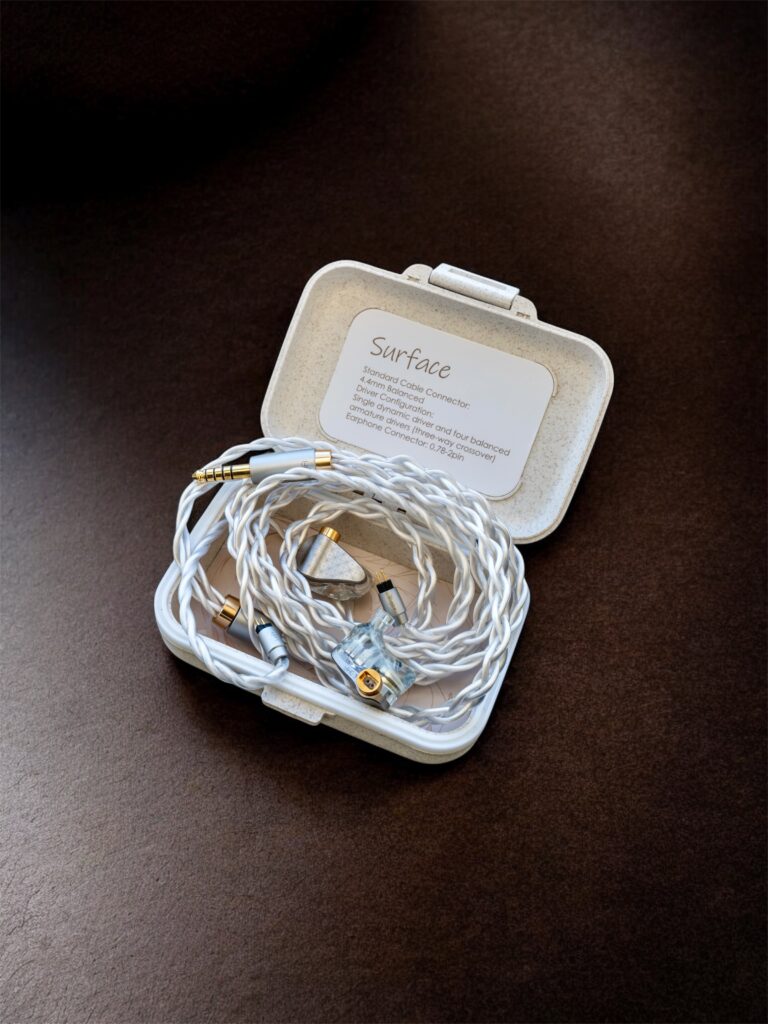
Driver configuration: 1 dynamic driver + 4 balanced armatures, 3-way crossover filter
Impedance: 15 ohm ±15% at 1 kHz
Frequency response range: 10 Hz – 30 kHz
Effective frequency response range: 20 Hz – 20 kHz
Sensitivity: 118 dB per Vrms at 1 kHz
THD+N: ≤ 1% at 1 kHz
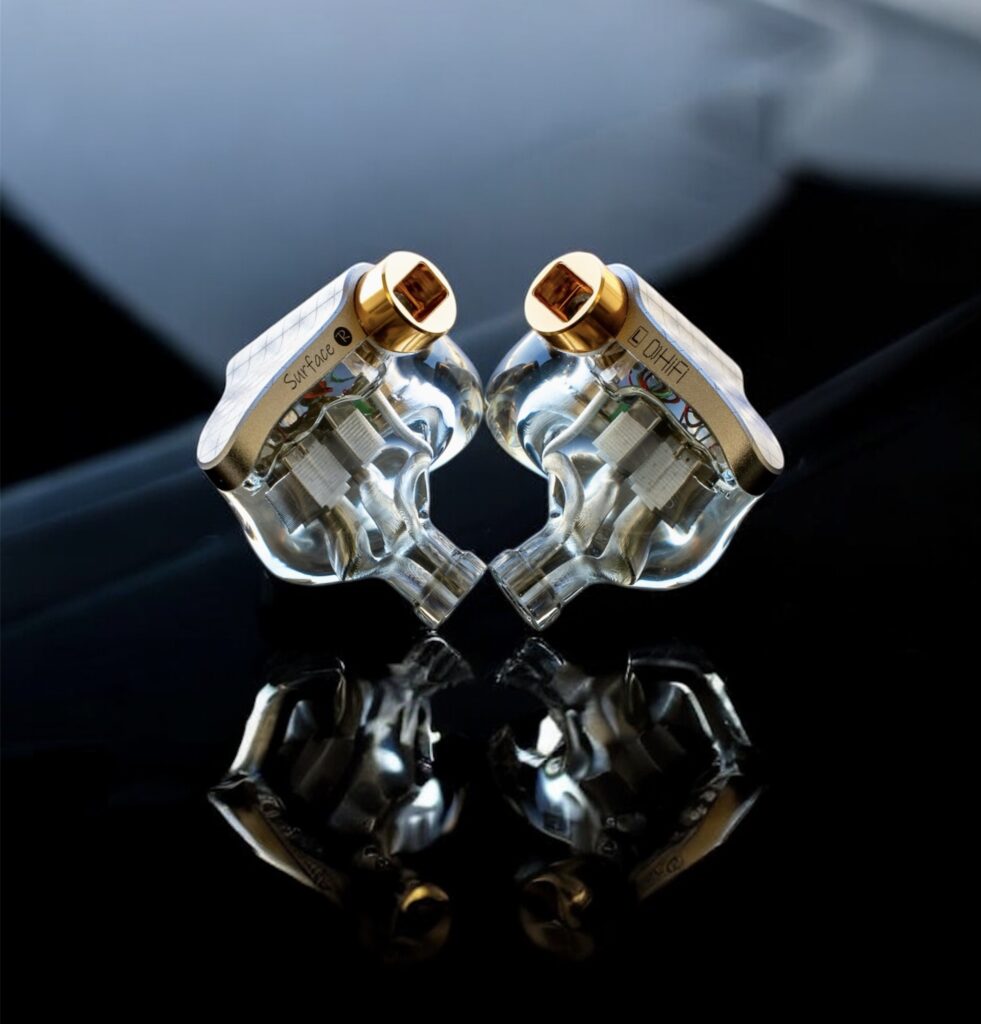
Case workmanship: 3D printing with imported medical resin, plus metal panel
Connector: 0.78 mm 2 pin
Standard plug: 4.4 mm balanced
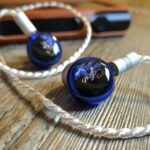
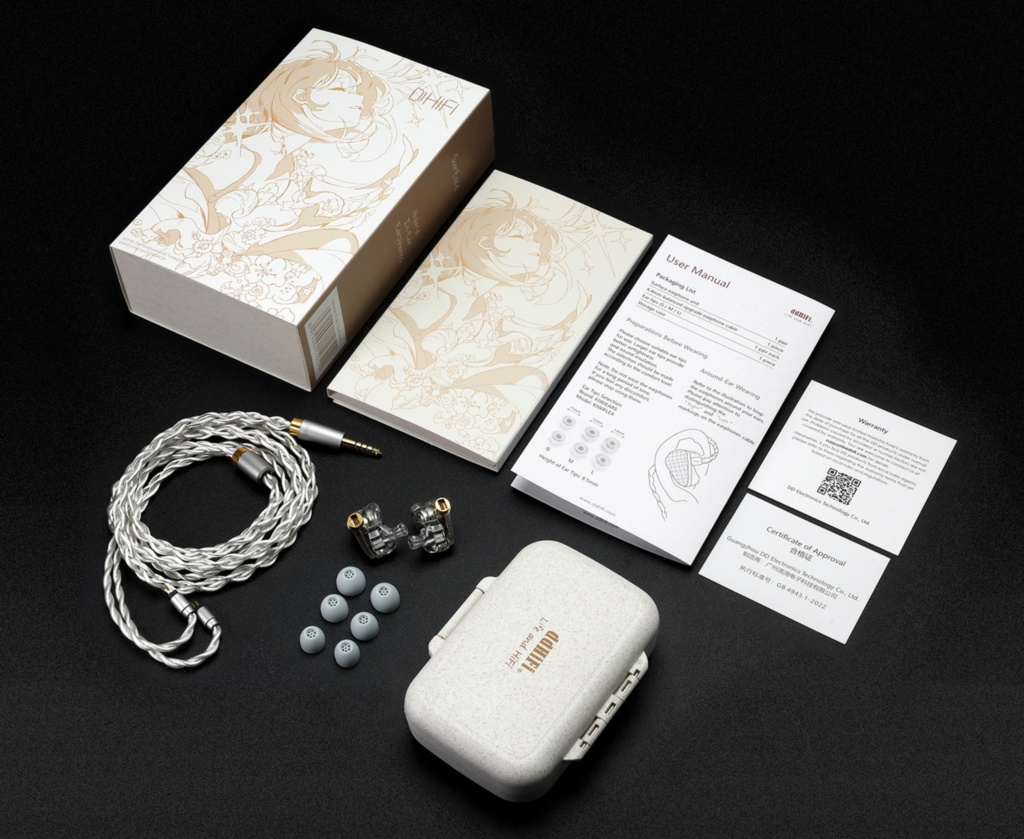
Comes with a 4.4 mm shielded cable as standard
Pros
- Smooth, coherent hybrid tuning that feels continuous rather than segmented
- Excellent midrange for vocals and natural instrument timbre
- Controlled bass that supports the music without masking the mix
- Treble that stays detailed yet comfortable for long sessions
- Very easy to drive and scales clearly with better sources
- Stock 4.4 mm balanced and shielded cable pairing makes it feel ready for serious portable setup
Cons
- Treble lovers who want maximum sparkle might find it too polite
- Stage is more realistic and organized than huge and dramatic
- Its smoother style can make quick demos feel less instantly exciting than more boosted tunings
Final thoughts
The ddHiFi Surface feels like a hybrid made by people who value real listening. It does not rely on gimmicks. It does not try to win on first impression. Instead, it builds trust through balance, coherence, and a midrange that keeps pulling you back.
If you want a hybrid that sounds complete, smooth, and emotionally convincing, yet still clean enough to satisfy experienced ears, Surface is the kind of IEM that can quietly become a long term favorite.
Product Official Link >> https://www.ddhifi.com/en/product/surface/
Discounted Official Purchasing Link >> https://www.aliexpress.com/item/1005008713302352.html
My Head-Fi Reviews >> https://www.head-fi.org/showcase/authors/derici2800.270390/reviews
Disclaimer: I would like to thank DD Hifi for providing the Surface IEM for review purposes. I am not affiliated with DD Hifi beyond this review and these words reflect my true and unaltered opinions about the product.
* All photos were taken by me (Ahmet Derici) >> https://www.instagram.com/electroaudioworld/
Used photo Gear : Sony A7 III + Sigma 24–70mm F/2.8 DG DN II Art Lens




No Comment! Be the first one.