

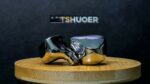

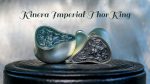








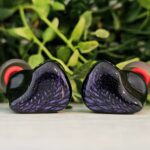
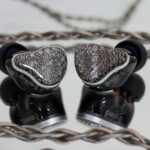
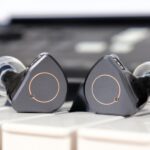


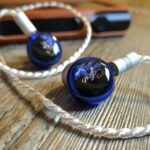
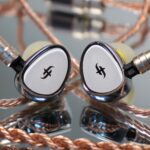







I’ve been following BQEYZ for years now, long enough to see the brand’s designs evolve from bold experiments to confident refinements. When they first introduced bone-conduction technology in the original Winter, it felt like a fresh but slightly unpolished idea — ambitious, yet still finding its footing. Then came Wind, arguably their best work at the time: textured, musical, and emotionally grounded. The Winter II picks up that legacy but feels different. It doesn’t try to impress right away; instead, it gives off an air of calm assurance — as if BQEYZ finally found the balance between innovation and restraint.
Table Of Content
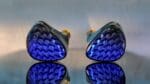
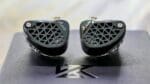
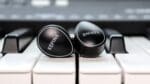
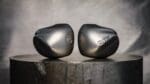
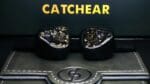
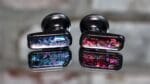
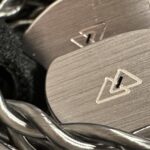
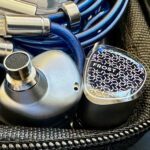
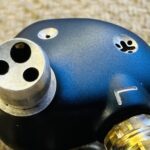
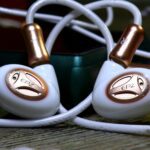
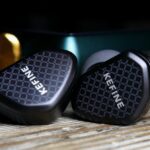
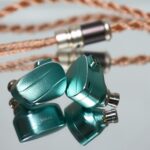
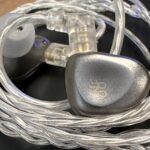
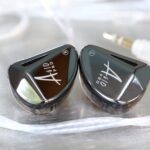
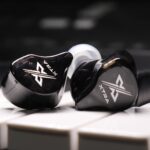
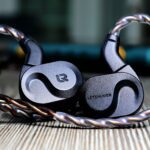
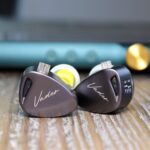
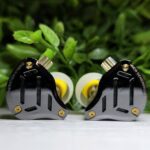
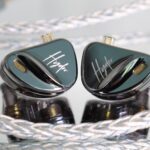
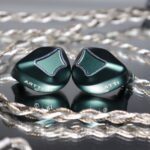
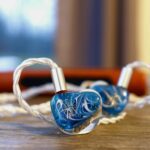
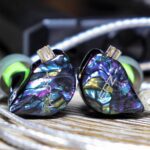
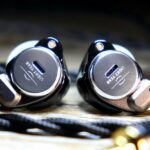
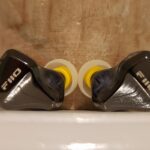
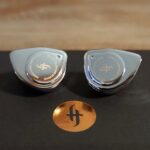
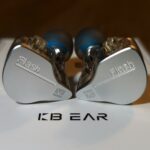
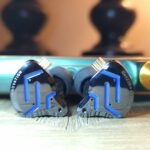
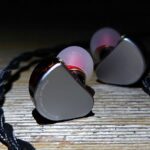
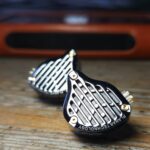
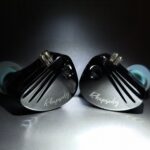
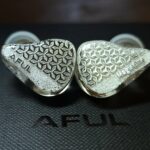
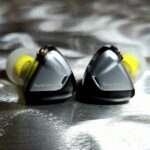
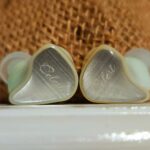
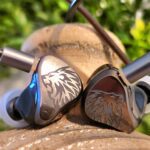
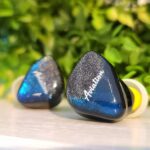
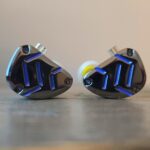
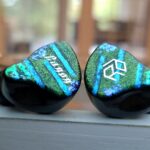
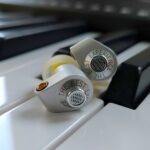
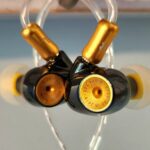
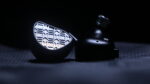
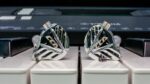
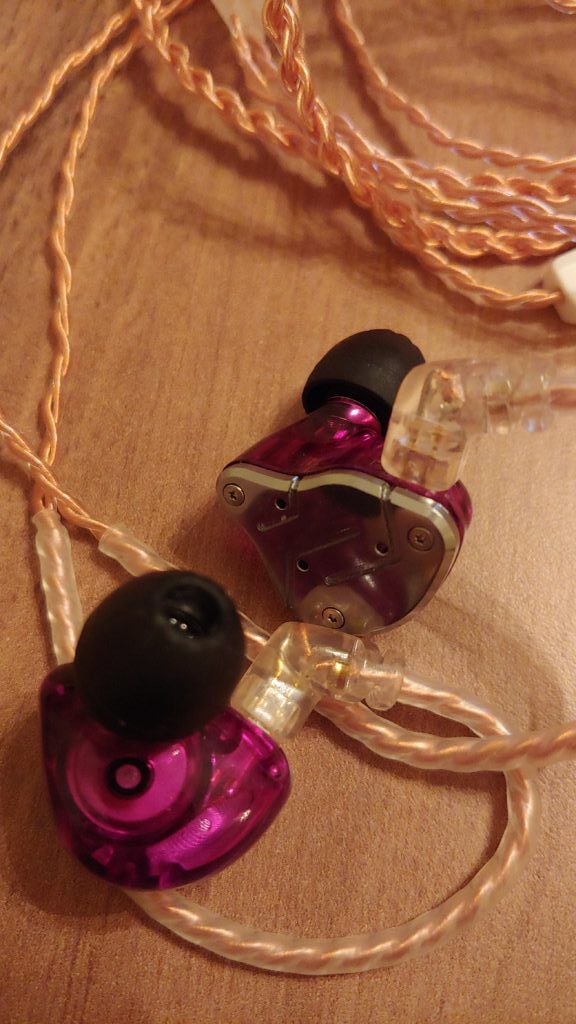
Winter II uses a hybrid driver setup combining a bone-conduction (BC) unit and a PZT element with a dynamic driver, aiming for improved upper harmonic response and tonal smoothness. The shell is compact, elegant, and far more ergonomic than earlier models — BQEYZ clearly took feedback seriously. Even before listening, you get the sense that this model wasn’t made to chase hype but to build on experience.
Unboxing
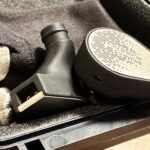
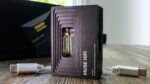
The packaging is unmistakably BQEYZ — clean, minimal, and subtly premium. The outer sleeve features a refined print with a soft, wintery aesthetic that fits the name perfectly. Inside, the IEMs rest in a foam tray, their sleek shells immediately standing out under the soft light. Below that, there’s the familiar magnetic lid accessory box, containing:
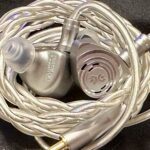
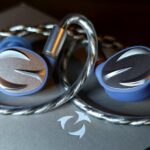
- A high-quality 4-core cable with interchangeable connectors (3.5 mm and 4.4 mm)
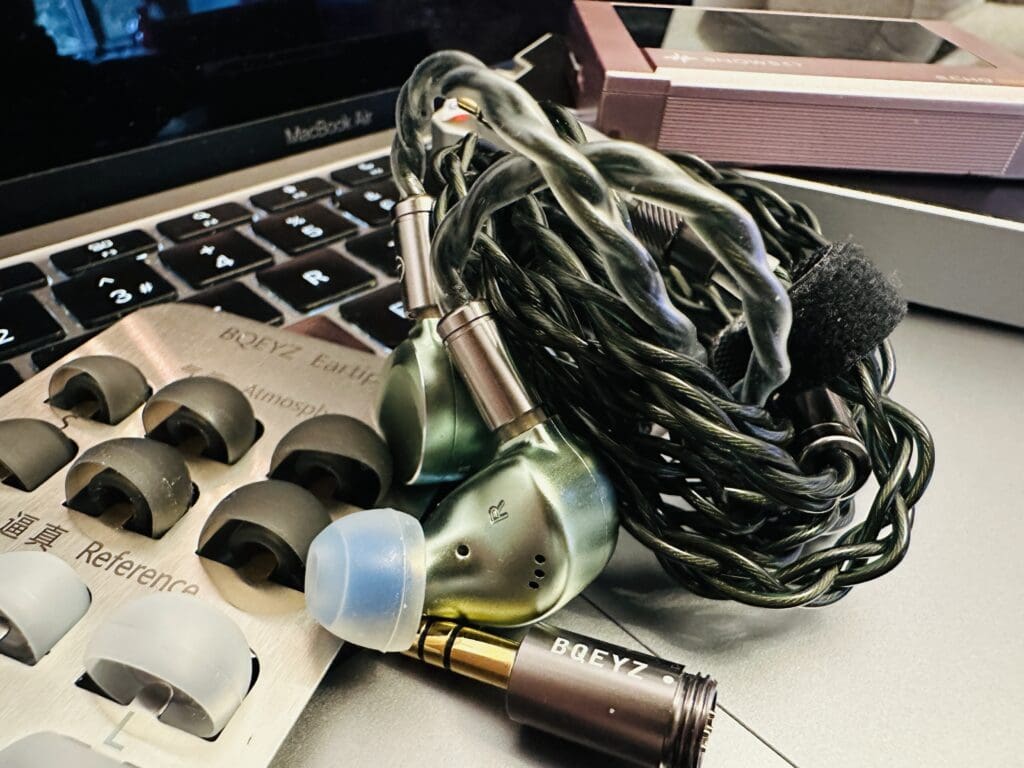
- Three pairs of silicone eartips ( 12 attached to the metal tipholder and a pouch including 6 truly balanced eartips)
- A small leatherette carrying case
- Paperwork and warranty card
Everything feels deliberate — no excess, no filler, just what you actually need. Even the cable feels like a quiet step forward; flexible, sturdy, and free of microphonics. The whole presentation reflects the same mindset as the sound: mature, focused, and refined rather than flashy.


First Impressions
I’ve been following BQEYZ since Spring and more carefully since they started experimenting with bone-conduction drivers on the original Winter. Back then, it felt like a bold idea; with Wind, they perfected it — full of life, texture, and balance. The Seasons line that came after never quite reached the same emotional peak. But now, Winter II feels like they’ve found their rhythm again. It’s a cleaner, more confident hybrid that combines BC and PZT drivers inside a smaller, more refined shell. From the moment I opened the box, it gave off that familiar BQEYZ sense of craftsmanship and subtlety — you can tell they’ve been listening to feedback.
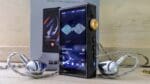
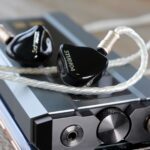
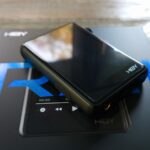
My setup was simple: HiBy R4 in Pure Music Mode with balanced eartips and the 3.5 mm output. On Live ID – Big Tech Brother, the sound brought back the same airy, atmospheric character I remember from BQEYZ Wind. Close your eyes and it’s as if you’re watching the band from a few rows up — vocals have warmth and space, strings stretch gracefully, and everything falls into place without shouting for attention. The bone-conduction driver mostly takes care of the mid-to-high range, adding clarity and sparkle, while the dynamic driver anchors the bass and lower mids with solid weight.
Sound Technical Analysis
The first thing that strikes me with the BQEYZ Winter II is how composed it sounds. It’s not chasing raw resolution or exaggerated sparkle — instead, it delivers a balanced technical performance that feels mature. Layering and separation come across cleanly without losing cohesion; instruments sit where they should, neither overly isolated nor glued together. It’s that kind of “honest” presentation that lets your ears relax while still catching details.
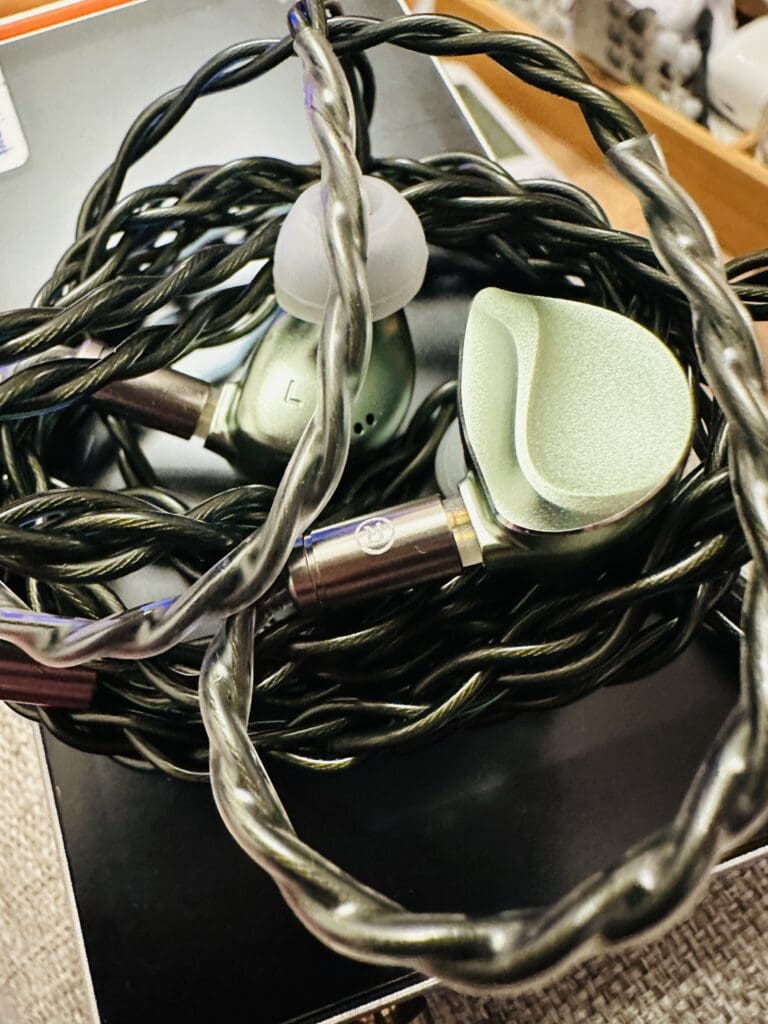
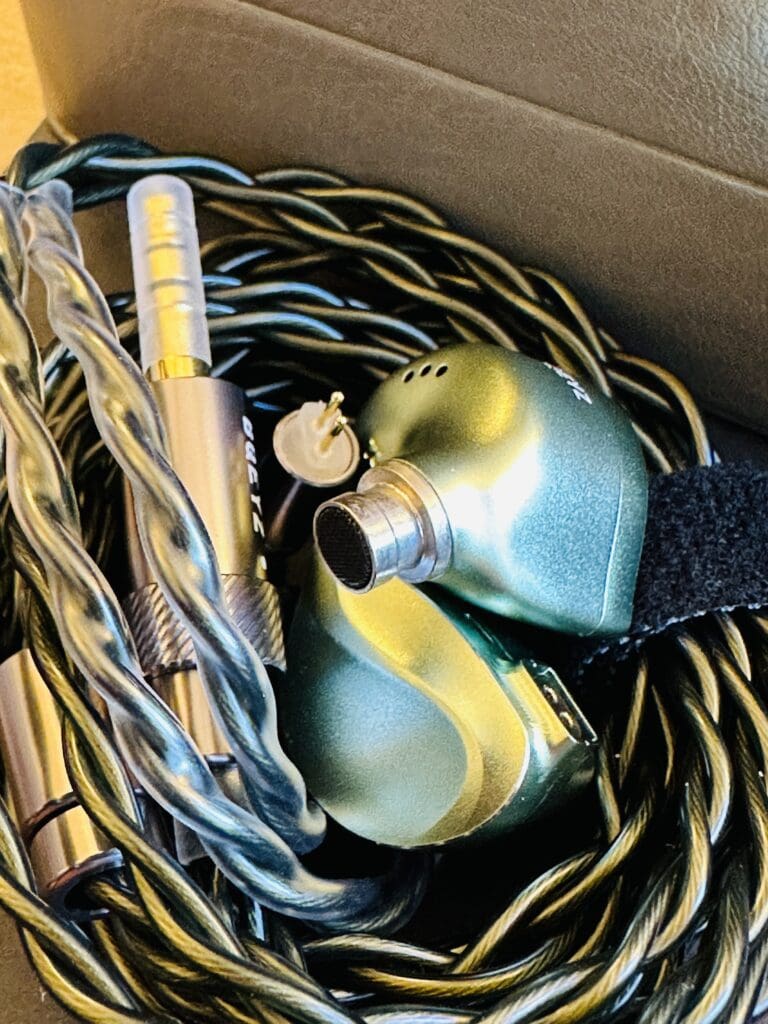
Imaging precision is a highlight. With the HiBy R4 in Pure Music Mode, spatial cues form naturally — vocals anchor dead center, drums have believable weight behind them, and guitars extend outward with a realistic left-right spread. The stage isn’t massive but well-proportioned, giving you depth and height without artificial widening. What’s more interesting is how the BC driver subtly reinforces the upper harmonics. Instead of a typical piezo “sheen,” it adds micro-texture and surface definition, letting things like cymbal trails, snare brushwork, or guitar plucks linger in space just a touch longer.
Transient response is quick yet organic — not the razor-edged kind you get from BA-heavy hybrids. Attacks are clear, but the decay feels smooth, especially in the lower mids where the dynamic driver does the heavy lifting. This balance between speed and body gives the Winter II its human tone — articulate without being sterile. Timbre is another win here: acoustic instruments sound believable, piano notes carry the right amount of weight, and string vibrato never feels metallic.
Detail retrieval is solid, especially when you feed it cleaner power. You can pick out reverb tails, low-level synth textures, and even faint room echoes in live recordings. But what stands out most is consistency — the way Winter II holds its composure across genres. Whether you play Live ID’s Big Tech Brother, older stoner rock, or rhythm-heavy math-rock, the IEM keeps its tonal center intact. It doesn’t collapse when things get dense, nor does it thin out at low volume.
In short, BQEYZ Winter II is technically sound but never showy. It’s the kind of tuning that grows on you with time — revealing more of its micro-layering and textural depth the longer you listen, like a lens gradually sharpening focus rather than flashing brilliance in the first second.
Bass / Midrange / Treble
Bass comes across tight and textured — not exaggerated, just right. With the dark-gray tips, it gains grip and impact without losing control. Sub-bass reaches deep enough to carry heavy riffs or electronic lines but never bleeds upward. It’s the kind of bass that supports the music instead of stealing the spotlight.
Midrange is where Winter II truly shows its charm. Vocals sit forward yet natural, guitars sound clean and layered, and piano notes feel rounded rather than thin. The BC driver gives mids a soft resonance — not artificial, just subtly “alive.” It’s that extra touch of realism that makes you stay in the song.
Treble is smooth and extended. The PZT driver adds fine shimmer up top without turning harsh. Cymbals breathe easily, upper strings shimmer, and there’s air between instruments, but never that piercing edge some hybrids suffer from. You can listen for hours without fatigue.
Source & Eartip Impressions and vs the Winter
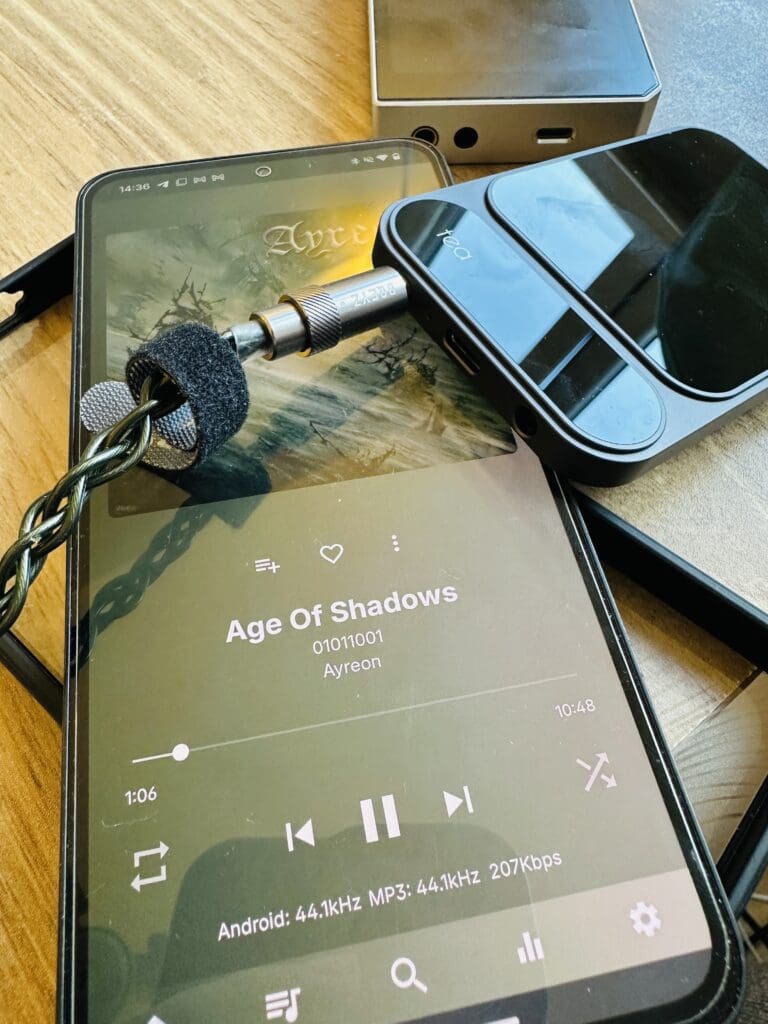
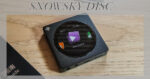
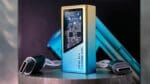
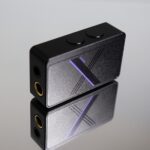
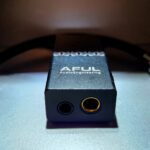
The whole review was carried out using the HiBy R4 in Pure Sound Mode, which became my tonal reference thanks to its clean yet organic delivery. Then I switched to the Snowsky Echo Mini, set to NOS (non-oversampling) mode, and kept the same 3.5 mm SE connection for consistency. Plus the Khadas Tea Pro that is yet to be reviewed. The change was immediate — instruments and vocals sounded a bit leaner, but the edges gained precision. The Echo Mini paints the music with finer lines; transient detail becomes crisp, even surgical at times. It’s the kind of sound that feels tighter and more analytical compared to the R4’s more fluid and forgiving presentation.
the Khadas Tea Pro added a notable boost to the BQEYZ Winter II, subtly enriching its low-end while keeping the vocal range crisp and articulate. Even at 30/100 volume in low gain, the presentation remained full and clean, with a crystal-clear treble and zero sibilance. The added low-end presence gave instruments and metal genres more texture and drive, without muddying the stage. This balance made the Winter II sound more “alive,” expanding the tonality and microdynamics without altering its natural tuning too much.
From a technical standpoint, the Echo Mini’s CS43131 DAC in NOS mode offers an impressively natural decay and a black background for its size. Microdynamics are handled with care — it won’t outpunch the R4 in headroom, but it keeps layering tidy and tonal balance uncolored. The stage shrinks a little, yet imaging sharpens noticeably, giving that “razor-focus” sense that works beautifully with acoustic tracks or fast electronic percussion. It’s not the kind of source that flatters every genre, but when paired right, it shows the Winter II’s precision at its best.
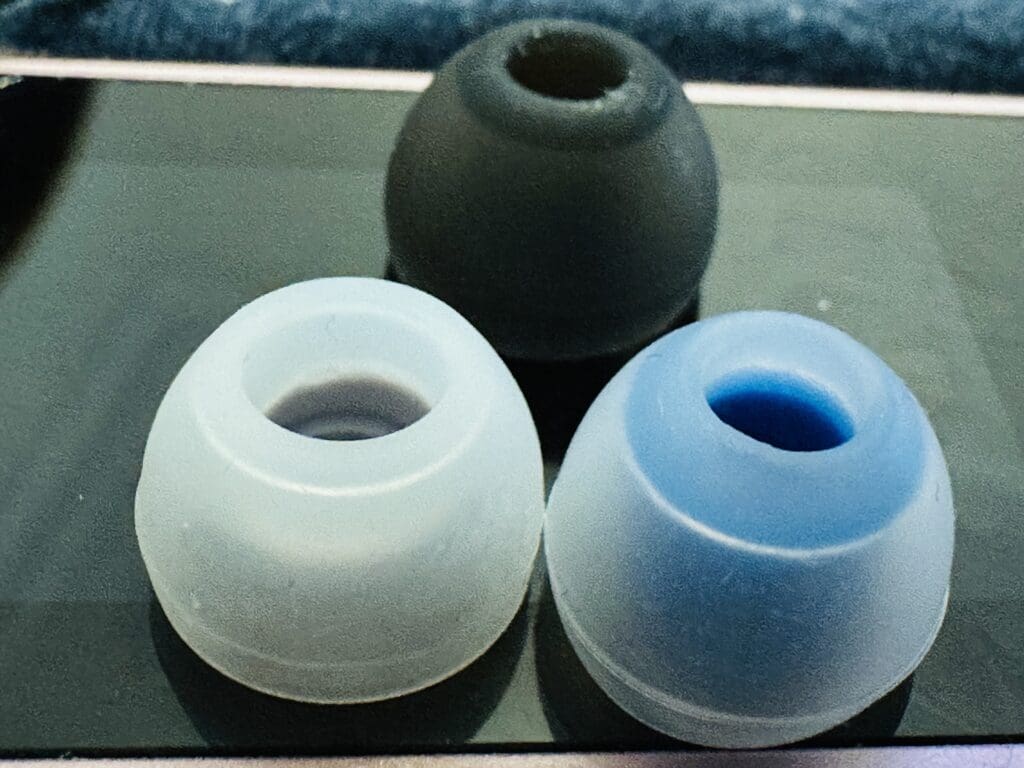
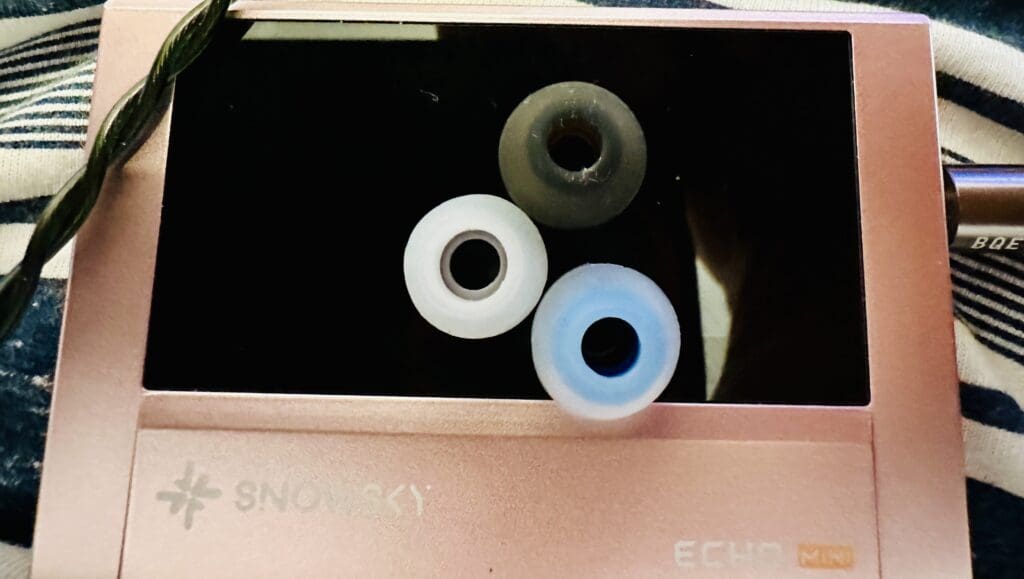
As for eartips, three sets shaped the experience differently. The transparent tips gave a softer, warmer listen, ideal for long sessions but slightly blunted in transient response. The dark-gray tips tightened the bass, lifted the upper mids, and added bite — perfect when you want focus and energy. The third set, the smoke-gray translucent tips (the ones sealed in the white pouch), landed right between the two: firmer stem, narrower bore, and the most balanced tonality. They add body to the bass without overdoing it, calm the treble a touch, and create a relaxed but textured sound. Among the three, these smoke-gray tips feel like the sweet spot — the “daily driver” pair that keeps musicality and detail in check.
The original BQEYZ Winter was where the brand first tried bone-conduction drivers, and you could feel both the potential and the rawness of that idea. It was airy, a bit sharp up top, and aimed for a sense of space that occasionally overreached. The Winter II takes that same foundation and rebuilds it with better control, smoother integration, and noticeably higher refinement.
vs OG Winter
The first Winter leaned analytical; Winter II sounds organic. Vocals have body, instruments carry texture, and there’s a sense of physicality missing from the predecessor. Technically, resolution is similar, but the perceived realism is far superior — fewer artificial edges, more natural decay. In short, Winter II feels like what BQEYZ wanted the first Winter to be all along: the same DNA, finally tuned to maturity.
Pros / Cons
Pros: balanced tone · pleasant midrange timbre · solid build · great comfort · well-tuned synergy between BC and PZT · doesn’t demand a high-power source.
Cons: some stock tips sound softer and less controlled · not for those chasing extreme treble sparkle.
Conclusion of BQEYZ Winter II Review
The BQEYZ Winter II doesn’t try to impress with loud dynamics or hyped detail — it wins you over with flow. Everything sounds connected and musical, as if the drivers speak the same language. Swapping tips alone shows how carefully tuned the base sound is. Compared with Wind, this one feels calmer and more mature — like BQEYZ took a breath, looked back, and chose refinement over flash. If you’ve followed the brand’s journey, Winter II feels like homecoming: honest, cohesive, and quietly confident.




Have you been able to compare this to the YU9 Que? They both seems competent in this regard but I’m having a hard time deciding between the Winter 2 and Que. There’s also little charts information on tuning charts to do comparisons to other options
How do you feel the Winter 2 compares with the Wind (which I have)?
Hi
Wind was like it’s name. Airy with a slight touch on notes, Winter II is somewhat opposite. I’ll do the comparison soon 😉 stay tuned sir