
































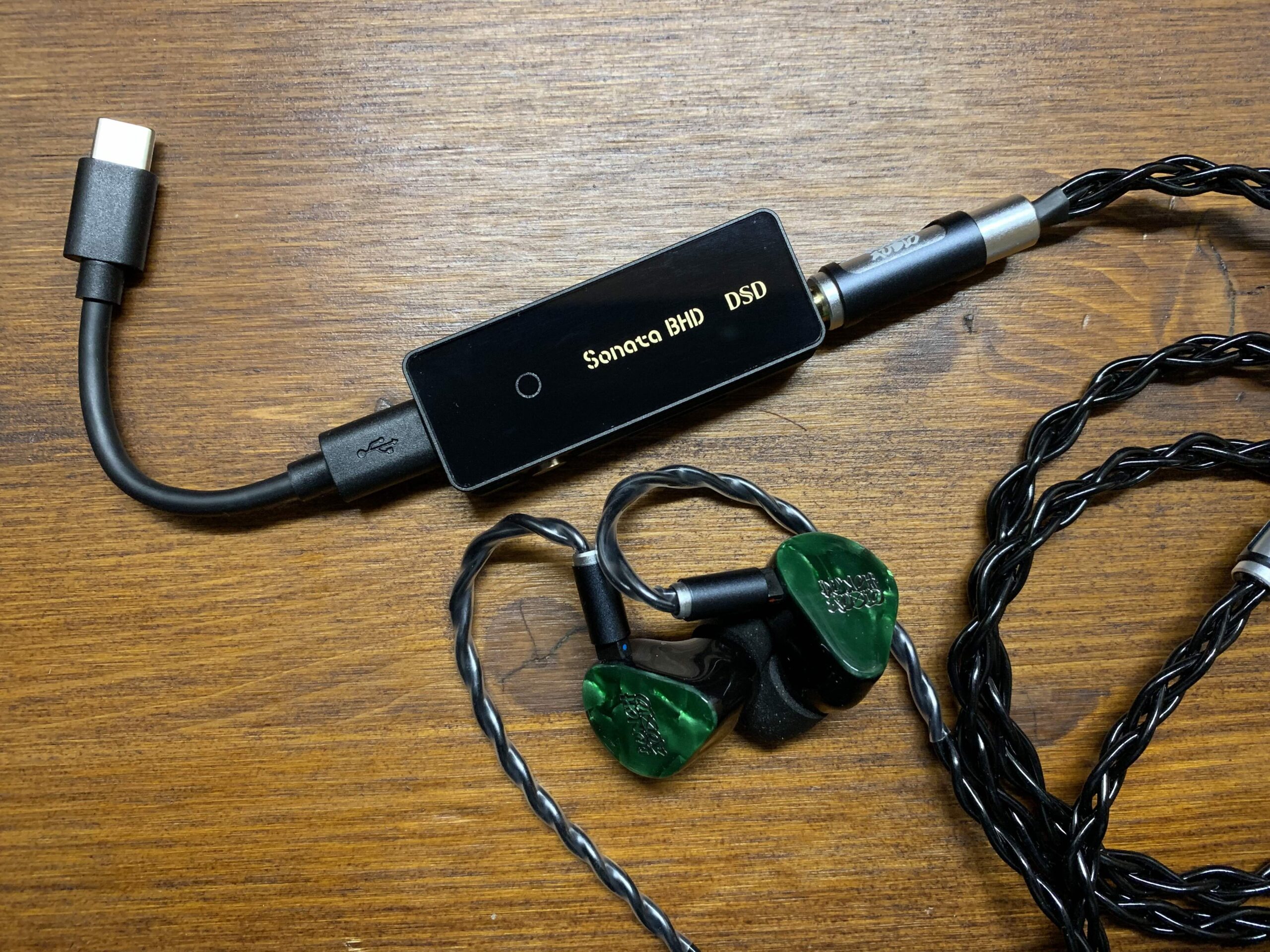
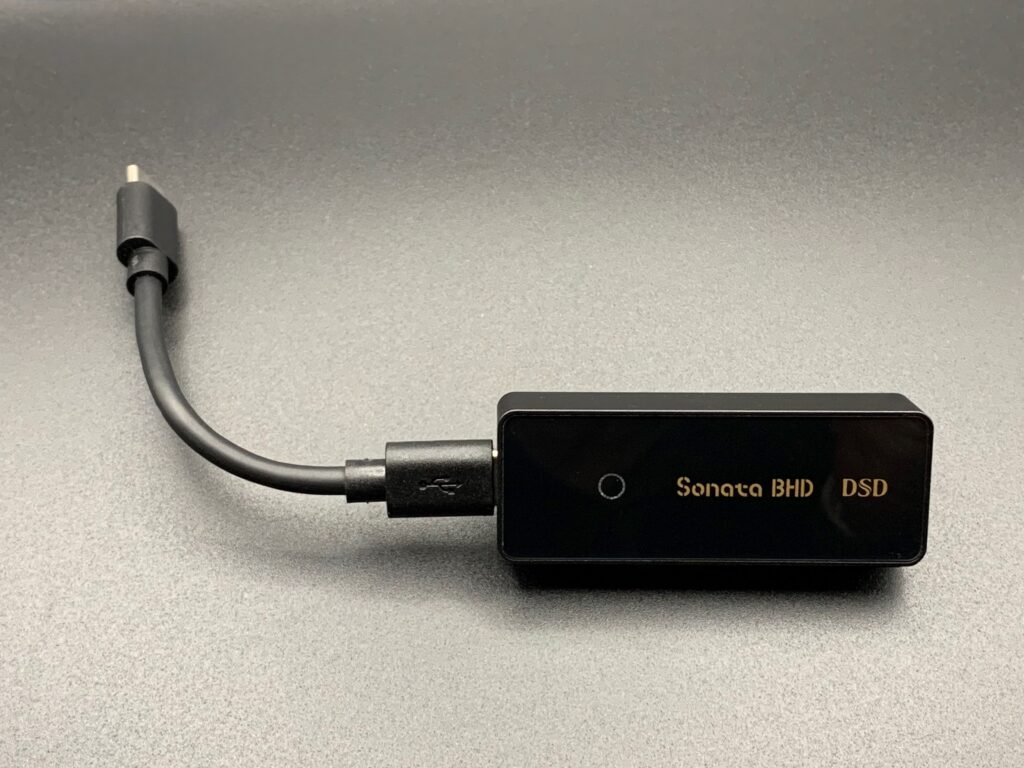
When I started looking for a truly affordable dongle that could still deliver credible, mature listening, the TempoTec Sonata BHD came up repeatedly in discussions and specialized forums.
Table Of Content
- Build, unboxing, and accessories
- TempoTec Sonata BHD: Technical Specifications
- Fit and Comfort
- Filters and Gain
- Sound Analysis
- Low Range
- Mid Range
- Highs
- Stage and Imaging
- Listening Tests
- Progressive Rock
- Experimental Synth-Pop
- Blues
- Pairing
- Analytical
- Musical
- Power Consumption
- Conclusions
- RATING
- 7,4 / 10
- 🟢 Pros
- 🔴 Cons
- Link to the purchase website
It’s not the typical product that relies on boastful specifications or aggressive marketing. The low price can be misleading, but behind it lies a compact design that seeks to make the most of the Cirrus dual DAC configuration.
The goal was to understand whether this small USB DAC amplifier had its own sonic identity and whether it could be a reliable travel companion. I used it for several days with IEMs of varying sensitivity, lightweight headphones, and my usual rock, jazz, and acoustic repertoire. What follows is a firsthand account, with no discounts.
Build, unboxing, and accessories:
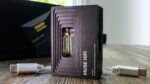
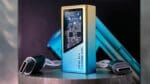
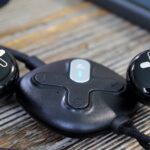
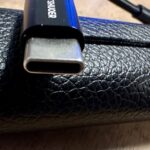
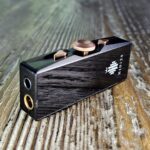
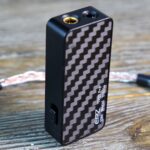
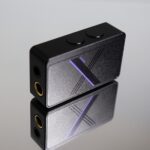
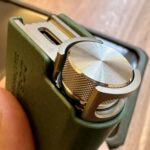
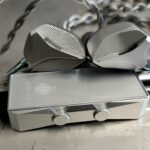
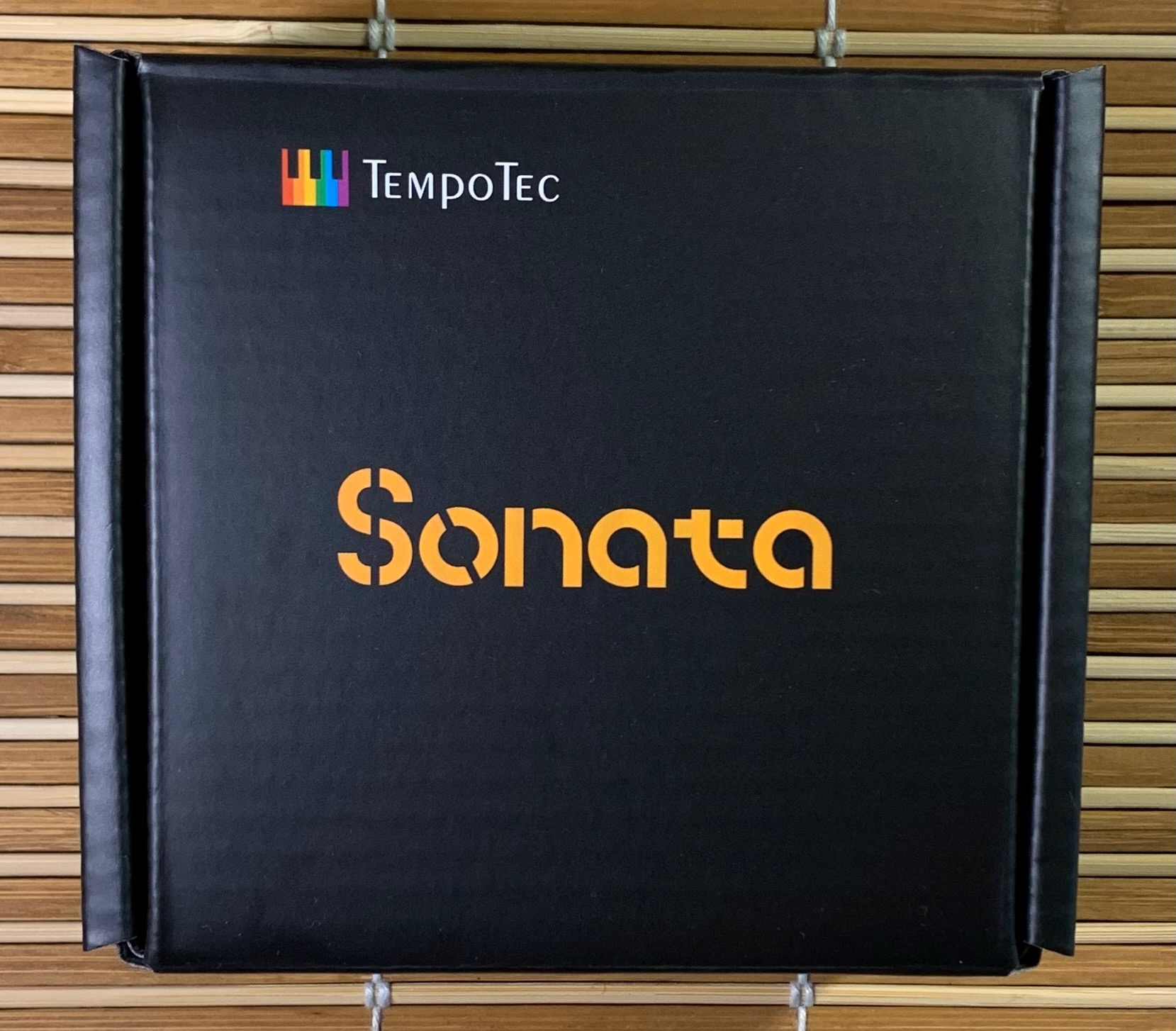
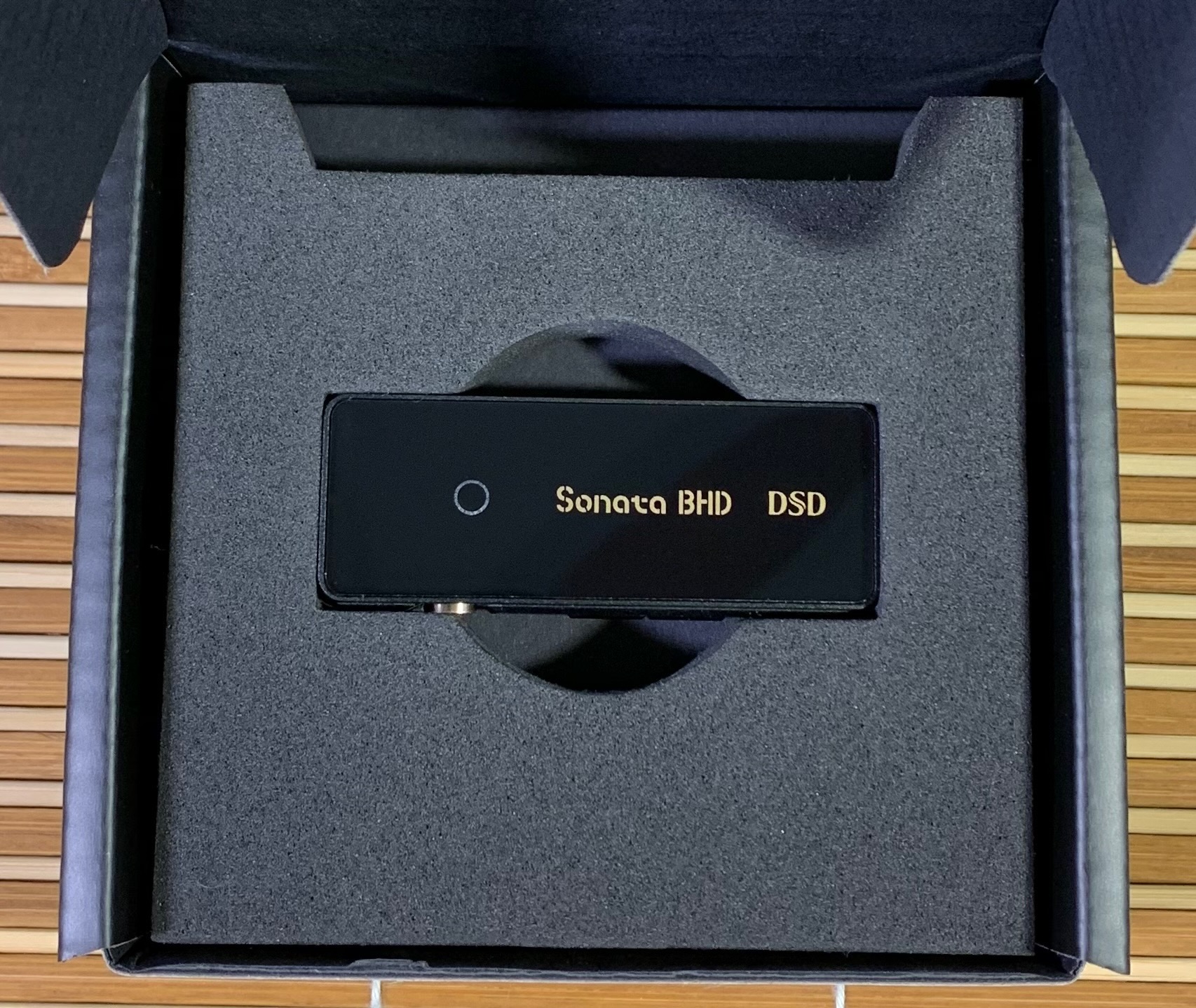
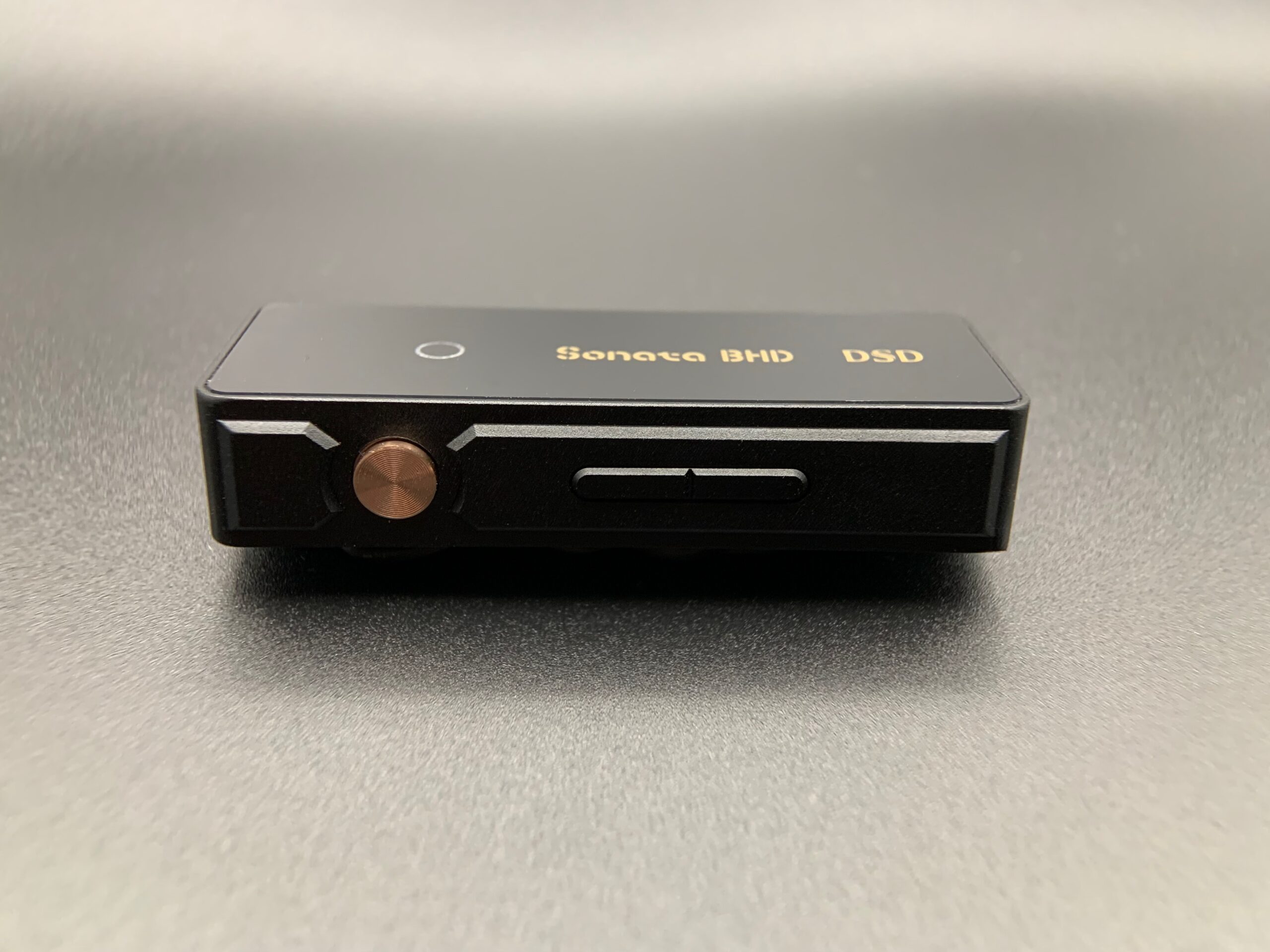
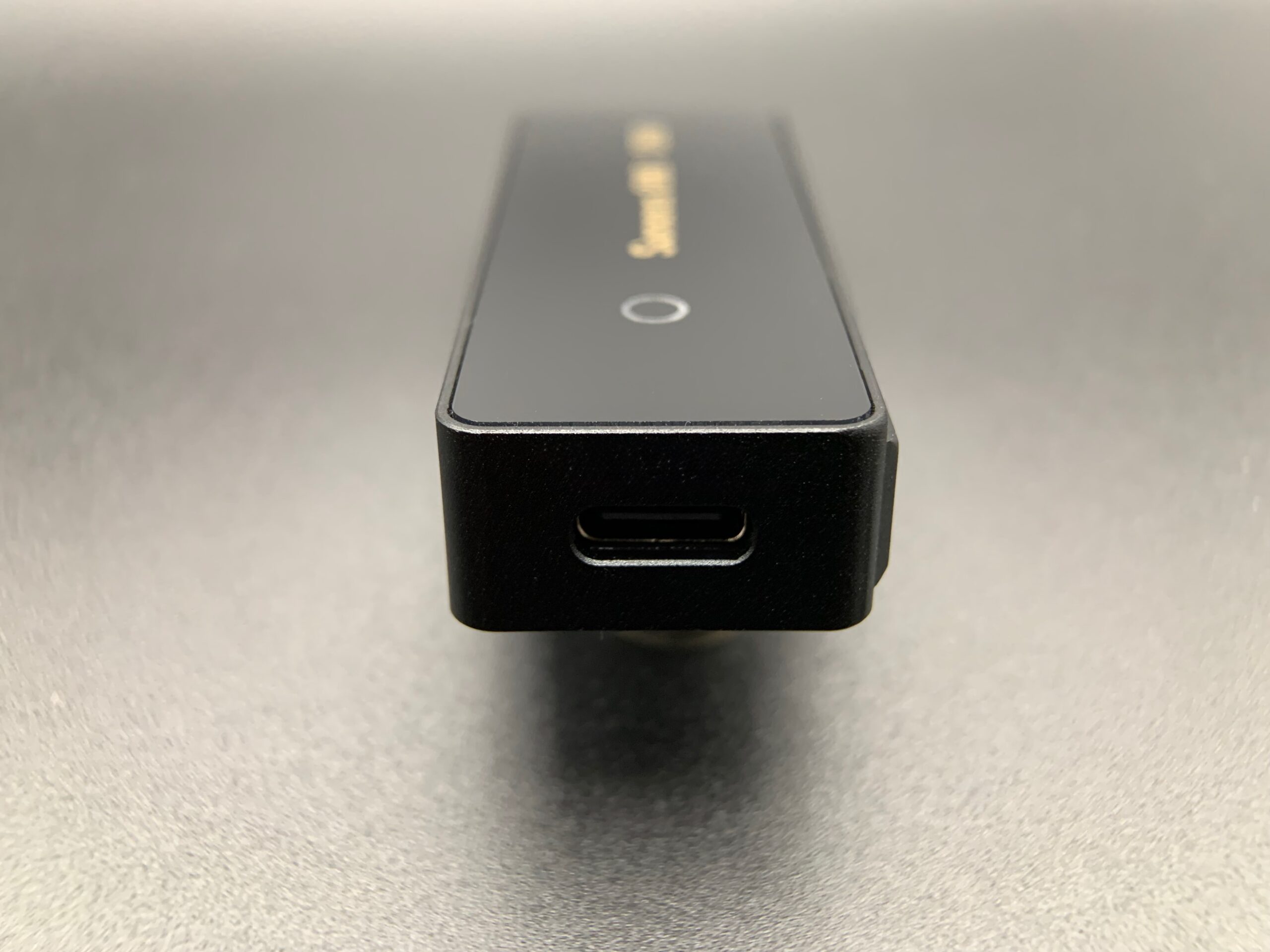
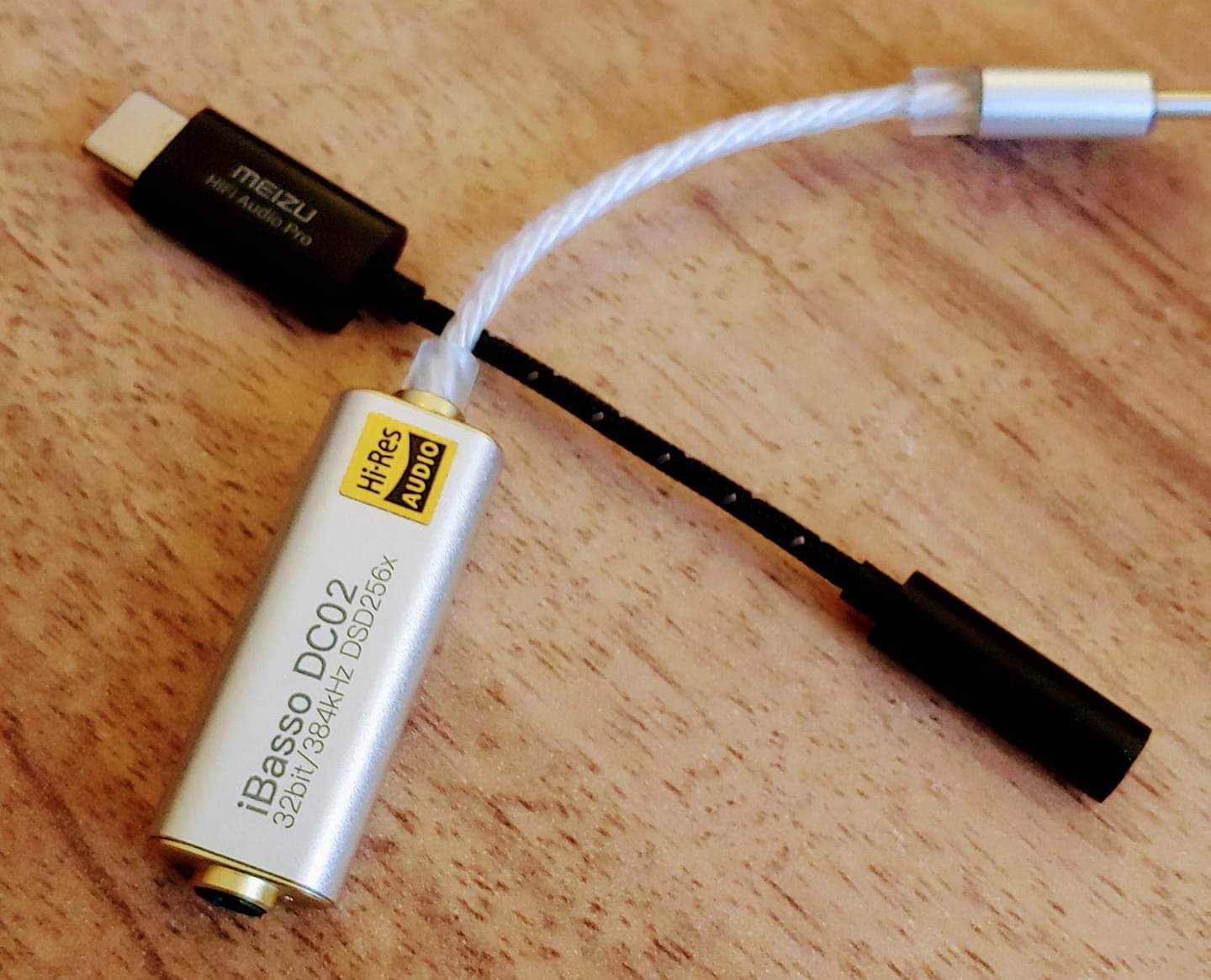
The TempoTec Sonata BHD comes in a basic yet neat package. The dongle is compact, lightweight, and well-assembled. The Sonata BHD’s body has a simple, clean finish that’s more functional than aesthetic. A very positive aspect is the detachable cable via the USB-C port, and you know how I feel about that. This detail increases its longevity and allows you to pair it with your favorite cables.
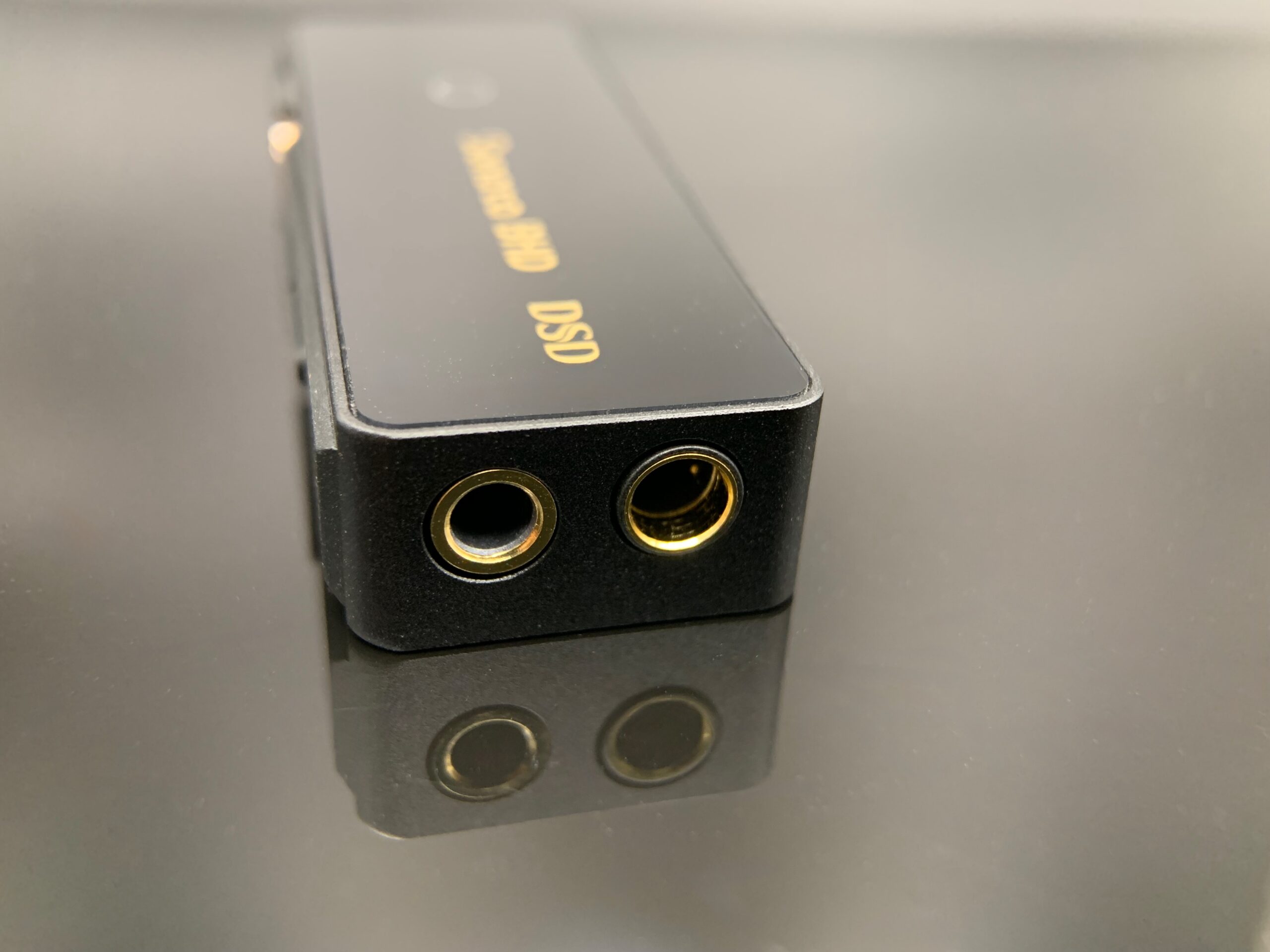
The volume buttons are responsive, although the adjustment isn’t the most precise. The presence of a 4.4 mm balanced output is a rarity in this category, while a 3.5 mm output ensures full compatibility. The Sonata BHD dongle also comes with a small soft case, a pouch that I really appreciated for carrying it around.
TempoTec Sonata BHD: Technical Specifications
- Cirrus Logic CS43131 dual DAC chip
- 4.4 mm balanced and 3.5 mm unbalanced headphone outputs
- Single USB-C port
- Supported formats: PCM up to 32-bit 384 kHz
- DSD support up to native DSD256
- Low THD and linear frequency response
- Output power: approximately 280 mW on balanced output
- Compatible with Android, iOS, macOS, Windows
- Three selectable gain levels
- Lightweight and metal body
Fit and Comfort:
The TempoTec Sonata BHD is a small and lightweight dongle. It doesn’t bother even when connected to already heavy smartphones. After about an hour of use, it tends to heat up slightly, but the heat is minimal and doesn’t affect comfort in your hand or pocket. The edges are rounded and won’t damage cables or cases. Portability is one of its strong points.
Filters and Gain:
The BHD uses the internal filters of Cirrus DACs, with a setting clearly geared toward natural, non-artificially bright sound. The three gain levels prove very useful in practice. With sensitive IEMs, low or medium gain is sufficient, while with more demanding headphones, high gain ensures adequate power reserves. Level transitions are immediate, and I didn’t detect any clicks, noise, or artifacts.
Sound Analysis:
The TempoTec Sonata BHD offers a slightly warm, but well-controlled, tonal signature. The overall sound is clean and uncluttered, surprising for the price range. It’s not a dongle geared toward hyper-analysis or the surgical rendition of detail, but rather favors coherence and fluidity. The sound is easy to listen to, well-balanced, and free of obvious coloration. It’s a classic DAC that doesn’t try to dazzle with artificial effects, but rather strives for solid and credible musicality, maintaining a consistent performance across different genres.
Low Range:
The low range is well-extended and well-proportioned. The BHD delivers a present and consistent bass, without any bloating or artificial emphasis. Control remains good even on complex passages, and the behavior is always composed. It’s not a bass designed to impress with extreme physical impact, but it does focus on continuity and density, proving particularly pleasant during long listening sessions.
Mid Range:
The midrange represents one of the BHD’s most balanced points. Vocals and central instruments are reproduced with a natural timbre and good focus. Acoustic guitars and piano maintain a credible texture and aren’t masked by the other ranges. Separation is adequate, though it doesn’t reach the level of more expensive and analytical DACs. Considering the price, the result is more than convincing and coherent.
Highs:
High frequencies are handled with care and restraint. Extension is sufficient to ensure air and micro-information, without ever becoming harsh or fatiguing. Attacks are slightly rounded, a choice that favors a softer, more musical rendition rather than excessive brightness. A balanced approach, rare in this price range.
Stage and Imaging:
The soundstage isn’t particularly wide, but it’s well-constructed and credible. Depth is perceptible, and instrument placement is stable. Separation is surprisingly positive considering the device’s size and cost. Some limitations in terms of micro-detail emerge in more crowded tracks, but spatial coherence remains solid.
Listening Tests
After numerous listening sessions, alternating between Android smartphones, MacBooks, and various types of IEMs and lightweight headphones, the most obvious thing is the overall balance of the TempoTec Sonata BHD. Considering its price tag of around $35 (at the time of review), the level of control and tonal coherence it offers is surprising. The dongle never attempts to impress with artificial dynamics or hyper-definition, but delivers a consistently clear, stable, and musical sound, even on challenging recordings.
Progressive Rock

Jethro Tull – In the Past
This is a recent and well-crafted recording, built around a string quartet with flute and vocals by Ian Anderson. The BHD manages to correctly separate the different sound levels, distinguishing the low strings, the high strings, and the central flute without obvious overlap. The sound is smooth and natural, with a particularly credible midrange. The listening experience is relaxing and seamless, almost like a small acoustic concert, without ever becoming aggressive or fatiguing, even at high volumes.
Experimental Synth-Pop
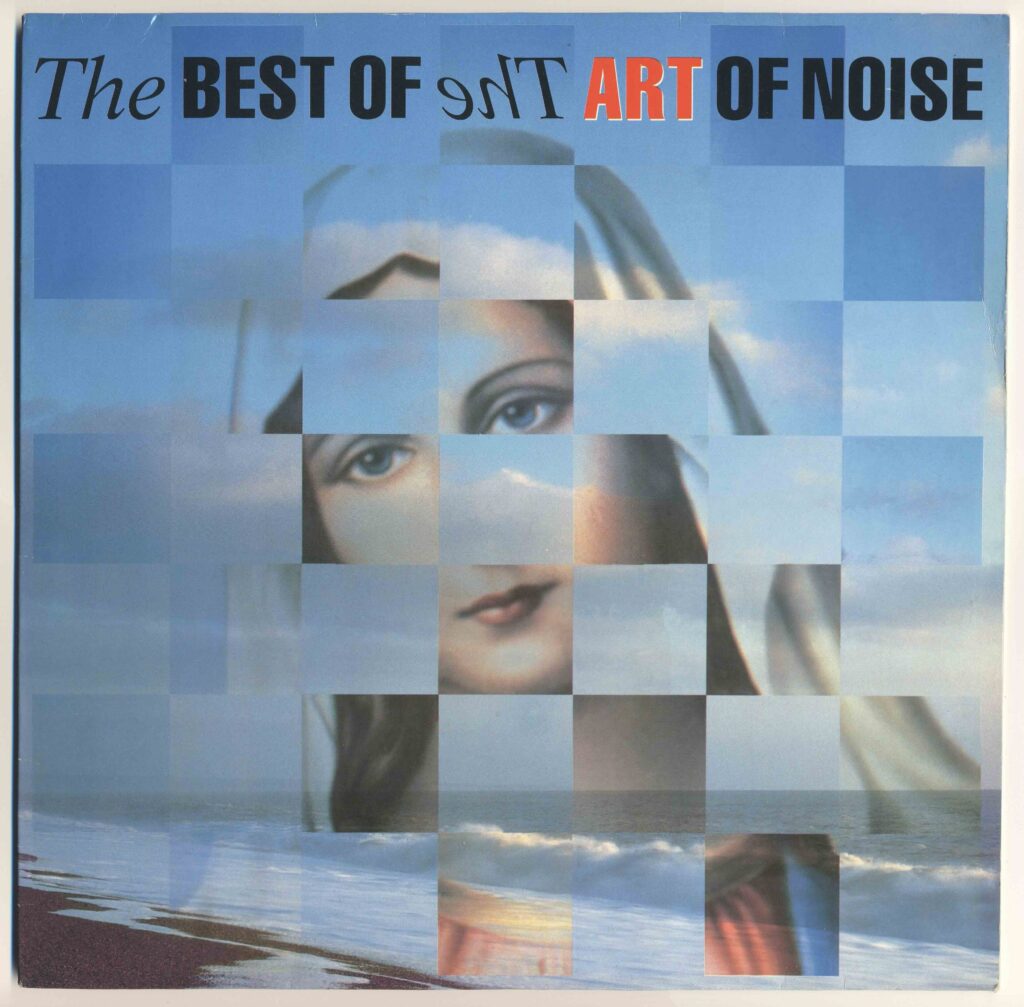
The Art of Noise – Paranomia
A complex track, rich in electronic layers, effects, and strong dynamic ranges, often a problem for many budget dongles. The BHD approaches the mix with a good sense of order, maintaining control and limiting muddy and unbalanced sounds. The low end remains clear and coherent, while the effects remain well-placed. “Moment Is Love,” from the same album, also confirms that any bass tails or roundness are attributable to the original recording and not to coloration from the DAC.
Blues

Gov’t Mule – Love Is a Mean Old World
Deliberately dirty blues rock, with saturated guitars and a pronounced graininess. In this context, the BHD demonstrates a good ability to follow the recording without unnecessarily emphasizing the distortion. The result is a credible and coherent listening experience, where the guitar texture remains intelligible and the mix doesn’t collapse even in the densest passages. This is not a given for a dongle in this price range.
Pairing:
Analytical:
With analytical or bright IEMs, the TempoTec Sonata BHD performs particularly well. Its slightly soft signature doesn’t introduce any additional harshness and helps smooth out the rough edges of the high frequencies, making listening more natural and less fatiguing. Detail remains clearly present, especially in the midrange, without the sound losing definition or precision. With more demanding headphones, the 4.4 mm balanced output offers substantial power reserves, improving control and dynamics compared to the 3.5 mm, allowing the dongle to express itself fully.
Musical:
With warmer-sounding IEMs or those with a fuller tone, the BHD manages to create an extremely pleasant and engaging listening experience. Its performance emphasizes overall fluidity, a well-present midrange, and a full but controlled bass. Even with particularly bassy IEMs, no annoying tails or resonances emerge, a sign of good output control. This type of pairing highlights the musical vocation of the dongle and promotes long, relaxed listening sessions, without ever giving the sensation of fatigue.
Power Consumption
I ran several tests on the Sonata BHD’s power consumption, varying formats, volume, and headphone types, and its behavior remained fairly consistent. Whether listening to PCM at 44.1 kHz or higher resolutions, or DSD, power consumption didn’t show any noticeable or sudden variations.
Because it doesn’t have an internal battery, it draws power directly from the source, but its impact on the smartphone’s battery life remains minimal. After extended listening sessions, I didn’t notice any abnormal drops compared to other dongles in the same category; in fact, in some cases, it seemed slightly more efficient. Thermally, it also performs well: it tends to heat up slightly, but never to an annoying or worrying degree.
Overall, power consumption is in line with the product’s philosophy: simple, effective, and designed for everyday use without overly stressing the device’s battery.
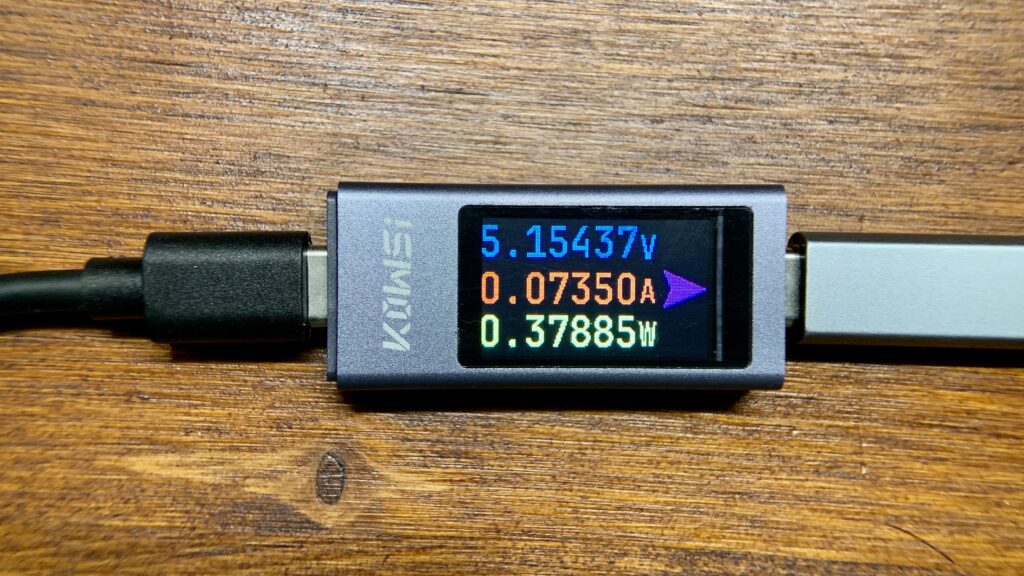
44.1 – 96 kHz
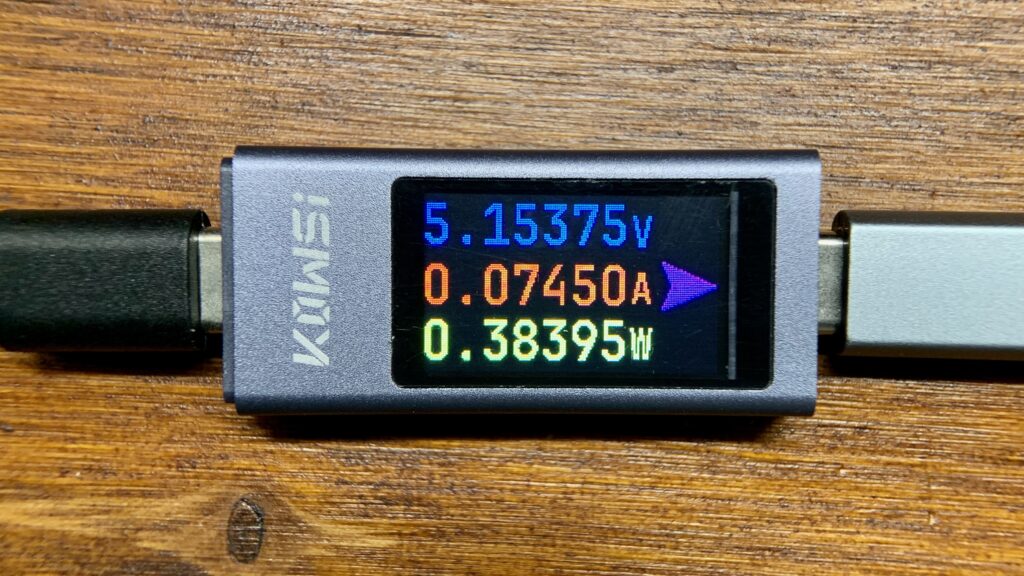
192-384 kHz
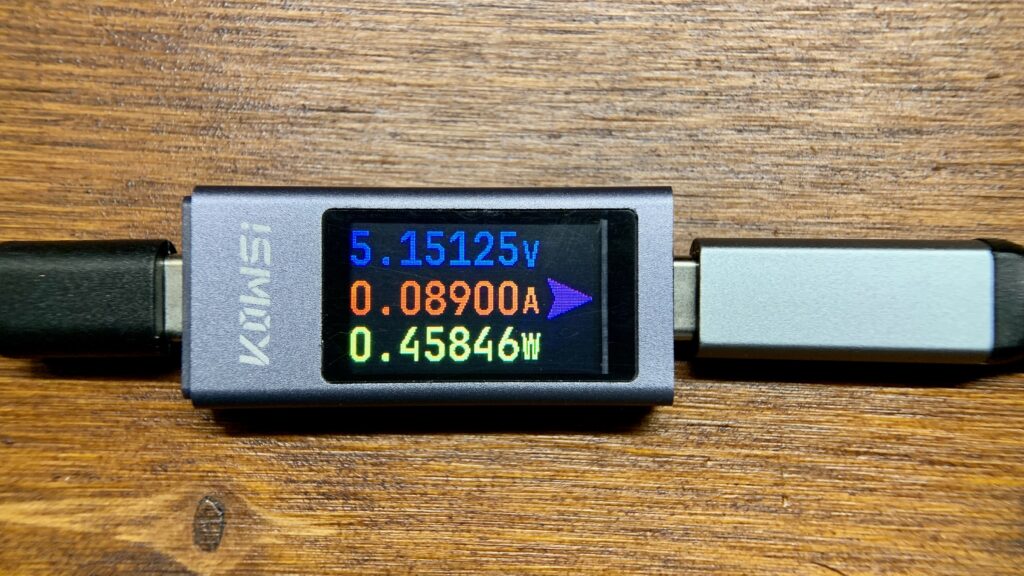
DSD
Conclusions:
After several days of use, the basic version of the TempoTec Sonata BHD proves to be one of the most balanced and successful budget dongles I’ve tried. It offers a mature, clean, and musical sound, a truly usable balanced output, and a replaceable cable that increases its durability. Its limitations are mainly related to the volume control and a limited soundstage, but overall it’s a product that works well with a wide range of headphones and IEMs. Considering the price, it remains an extremely sensible purchase.
RATING:
7,4 / 10
🟢 Pros:
- Excellent value for money.
- Clean and musical sound for this price range.
- Effective 4.4 mm balanced output.
- Replaceable USB-C cable.
- Universal compatibility.
- Three well-calibrated gain levels.
🔴 Cons:
- Inaccurate volume adjustments.
- Limited soundstage.
- Simple finish.
Link to the purchase website:
I purchased it from TempoTec here.



No Comment! Be the first one.