



















Disclaimer:
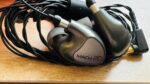
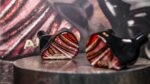
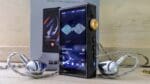
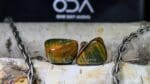
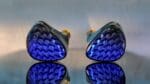
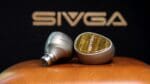
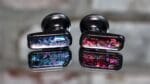
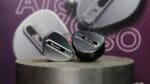
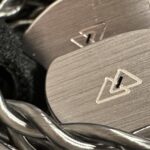
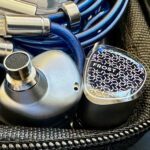
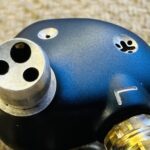
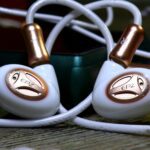
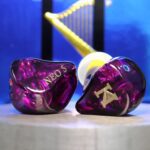
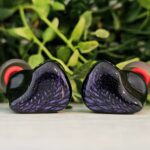
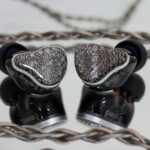
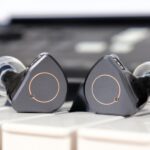
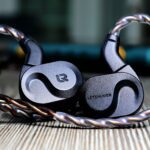
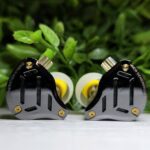
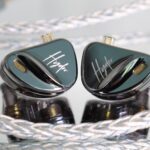
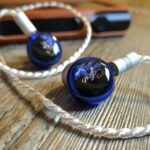
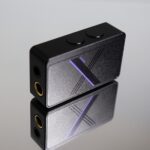
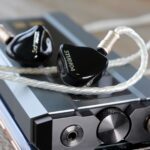
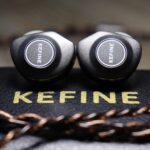
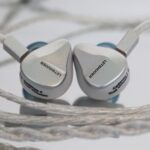
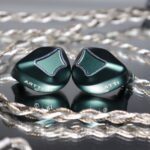
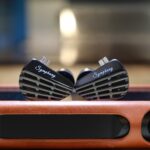
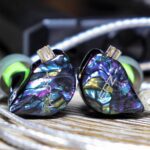
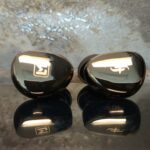
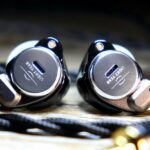
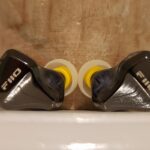
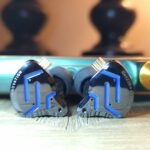
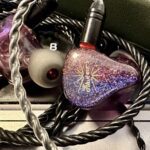
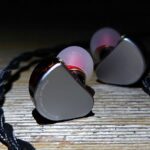
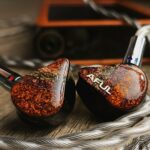
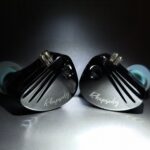
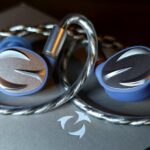
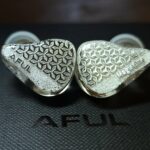
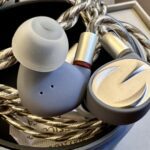
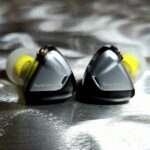
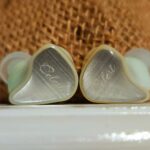
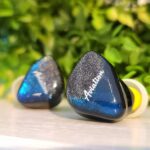
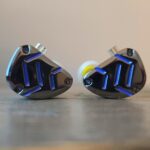
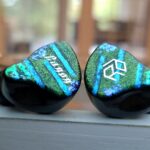
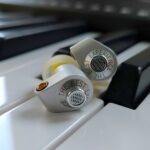
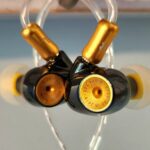
Good morning, MBA readers! Today, we have in our hands a planar from Sivga, a brand I’m particularly fond of for its consistently high-quality products. The Sivga Nightingale PRO is a truly beautiful planar IEM, perhaps one of the few that can compete with Hidizs products in terms of build quality. Just look at the photos to see how well it’s built. Something can definitely be improved, especially in the packaging, but these are just details.
Table Of Content
I’m not an audiophile; I’m just a guy who likes to try out different IEMs and DACs and spends a lot of time listening to music.
So, I won’t use overly technical words to review it, but I will do my best to describe it.
Tech Specs:
- 14.5mm dual magnet planar driver
- Wood Faceplates
- High-Precision Zinc Alloy Ear Shells.
- 8-core LITZ Copper & Silver-Plated Cable 0.78mm 2-pin connectors.
- Impedance: 16Ω. (needs a definitely strong source)
- Sensitivity: 107dB.
Packaging:
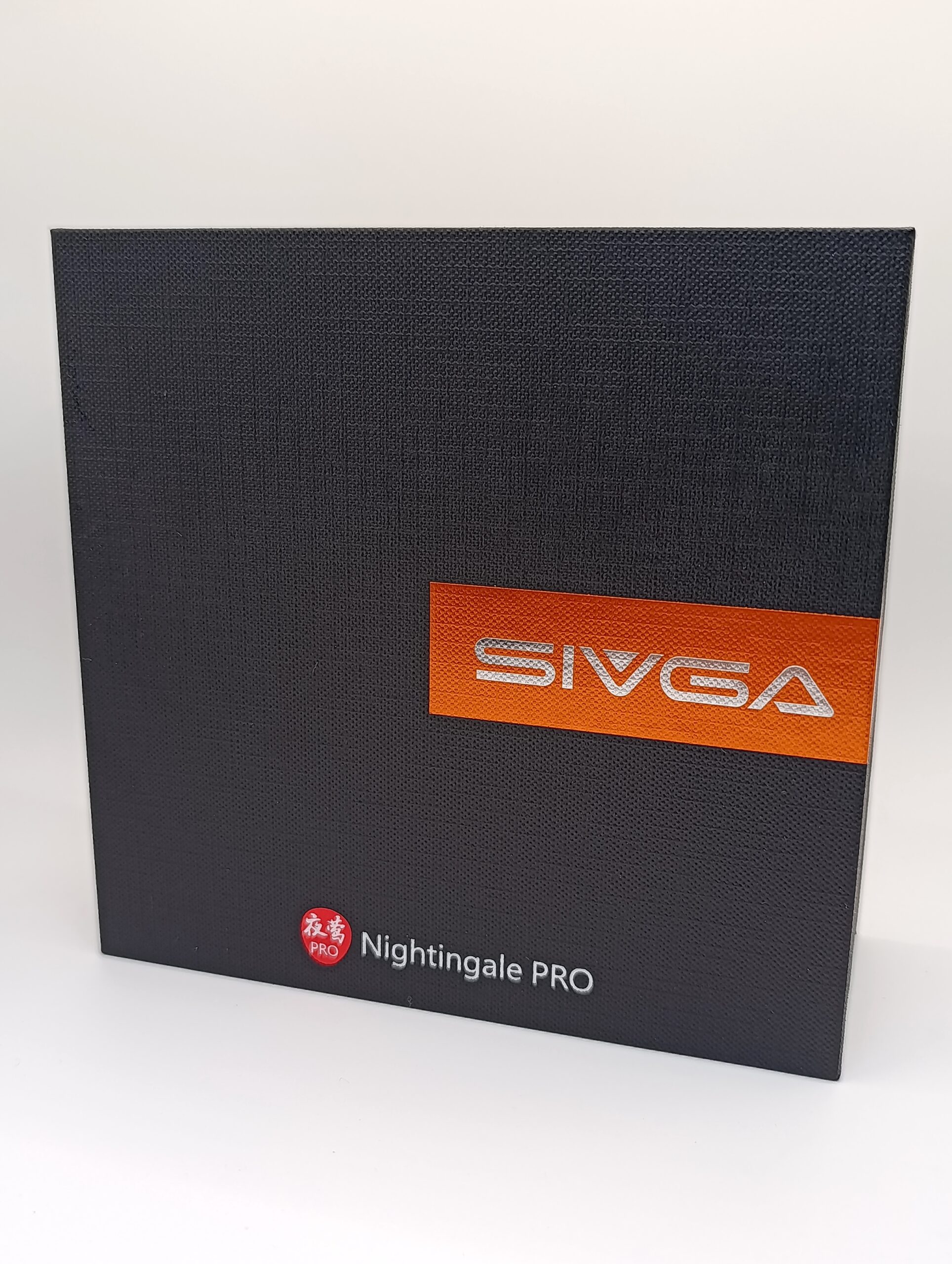
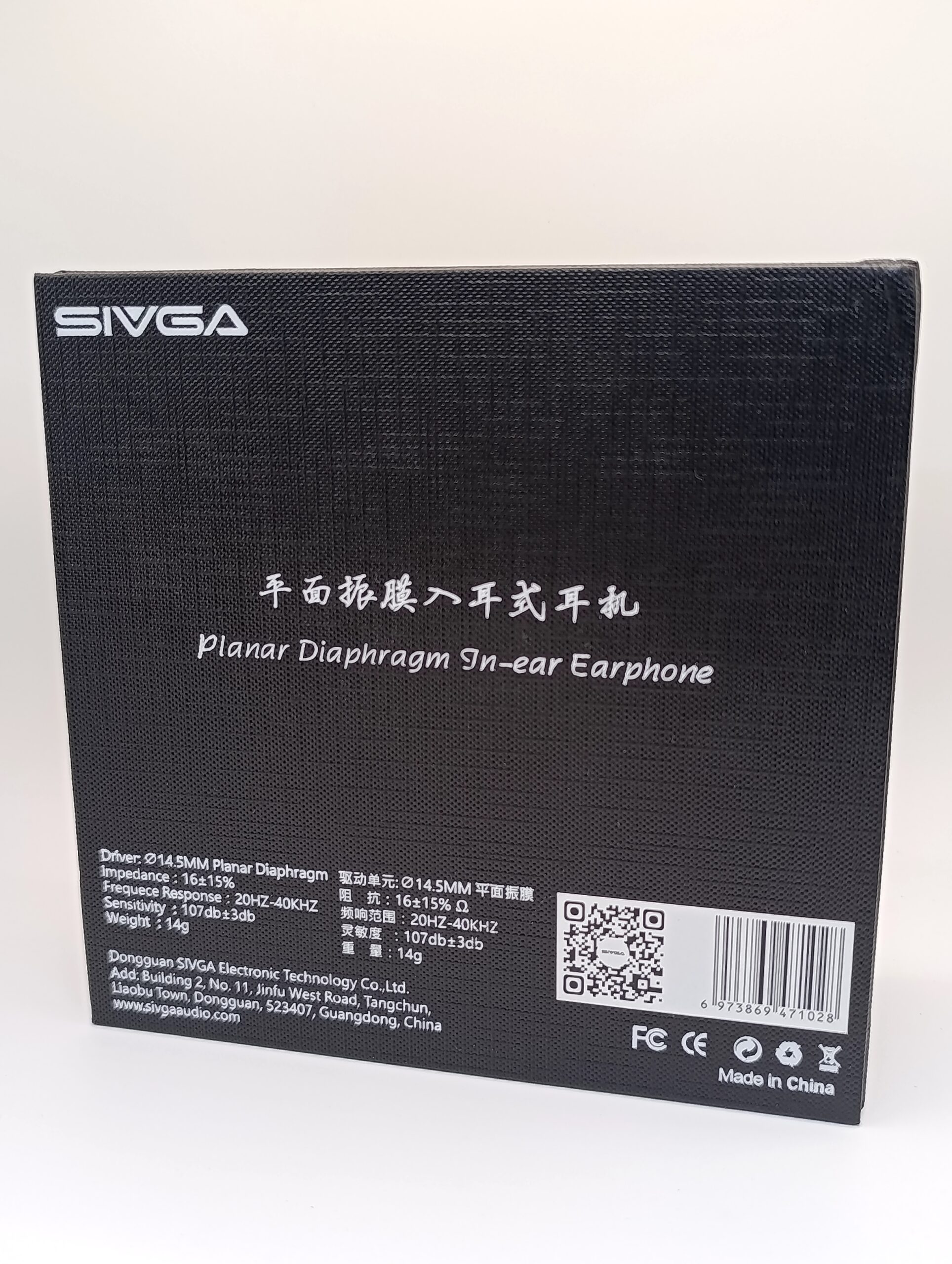
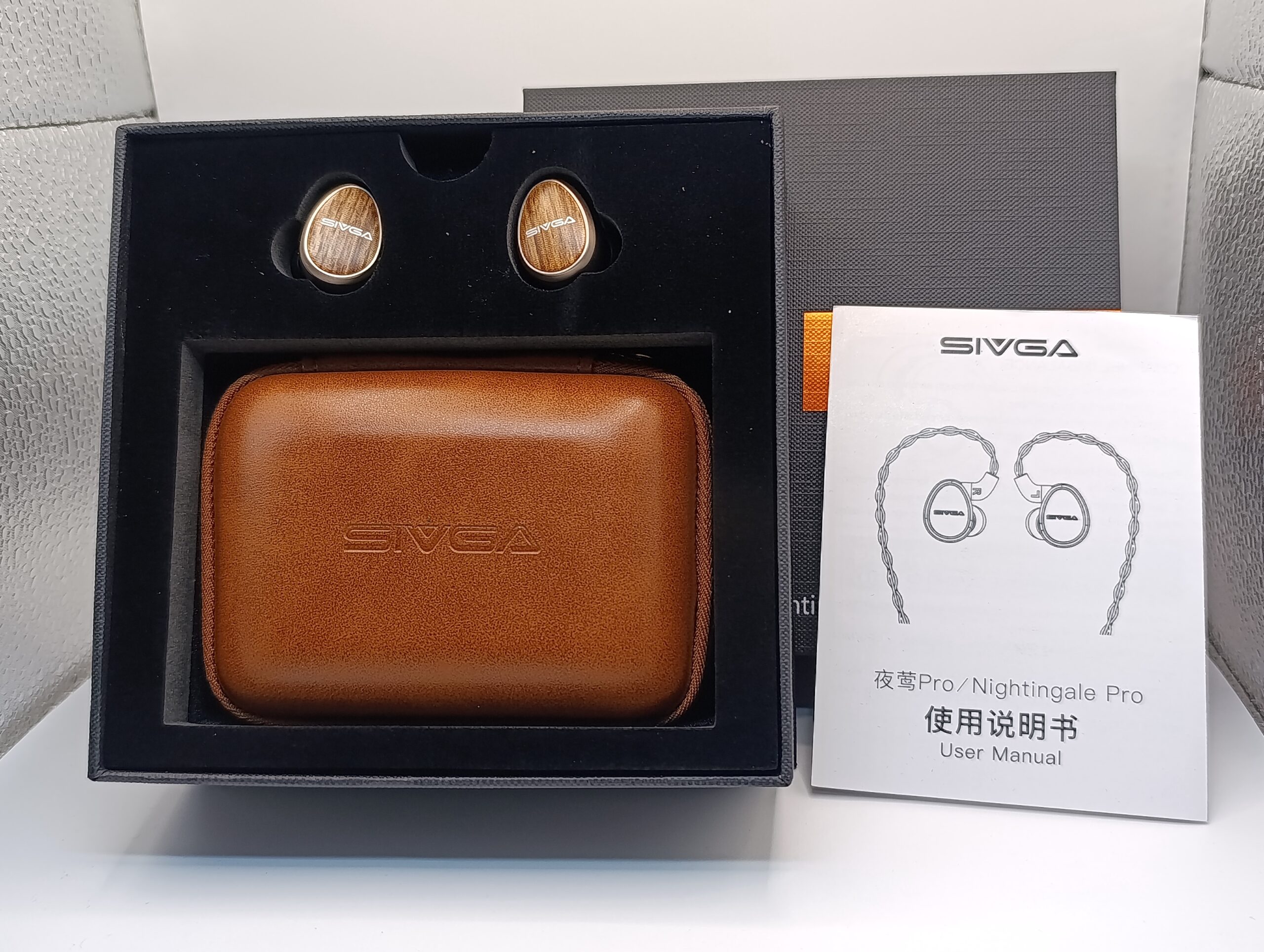
The Sivga Nightingale Pro box, as per the brand’s tradition, is elegant yet minimal, because substance and quality must be present in the product. Inside the box, we find:
- The leather-colored hard case (beautiful)
- Good-quality balanced cable
- A case with 6 pairs of SS20 eartips
- Manual
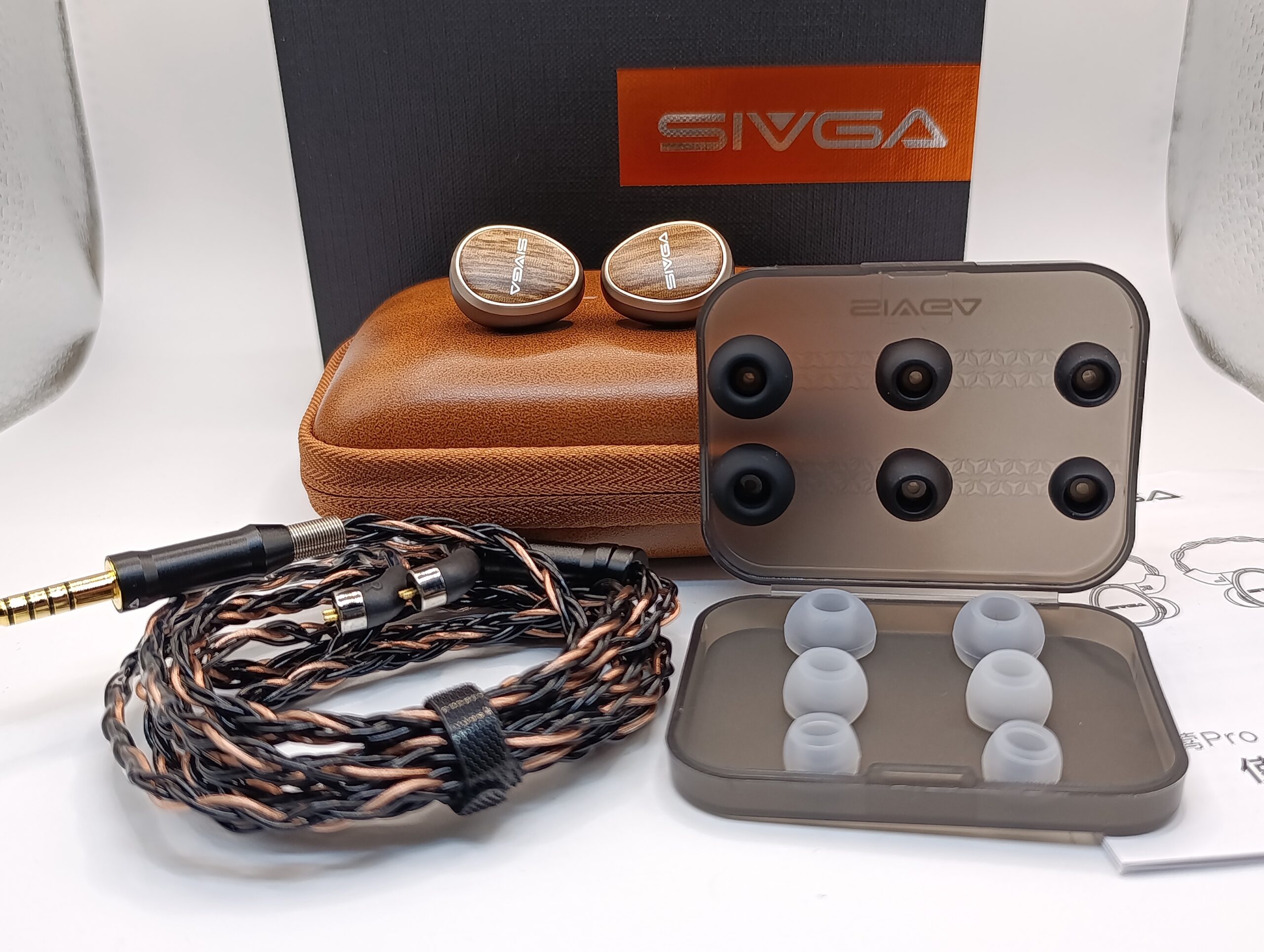
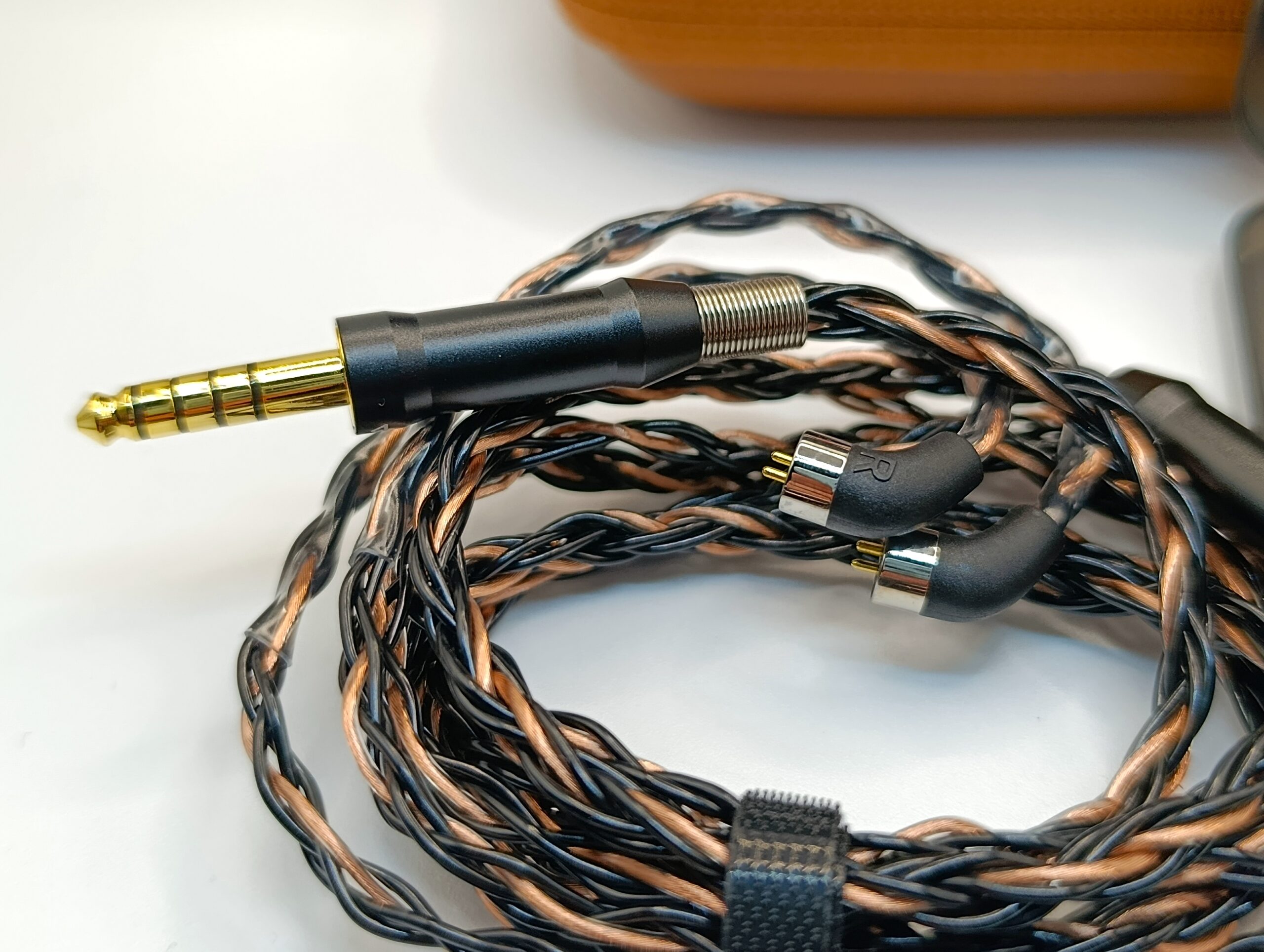
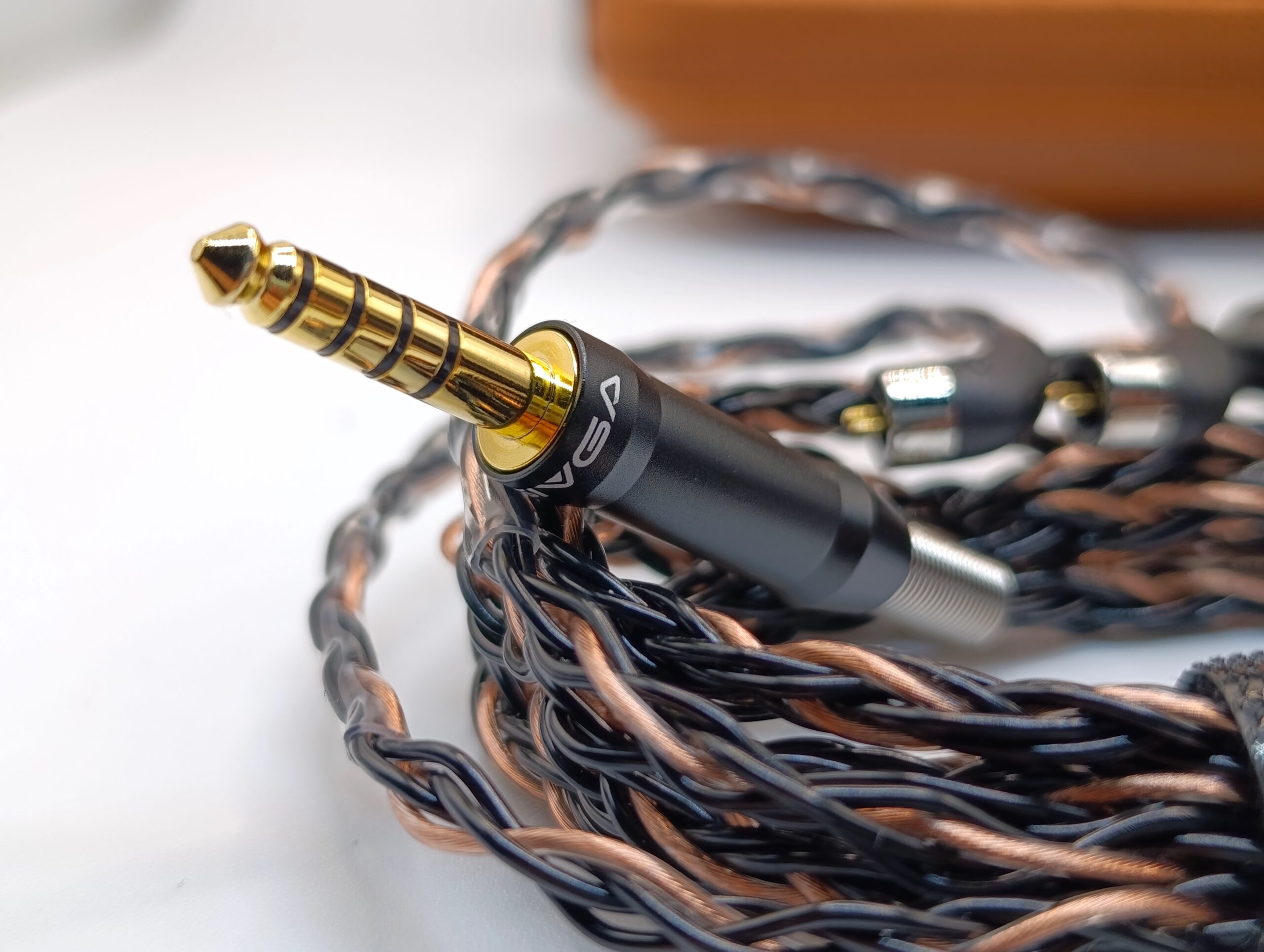
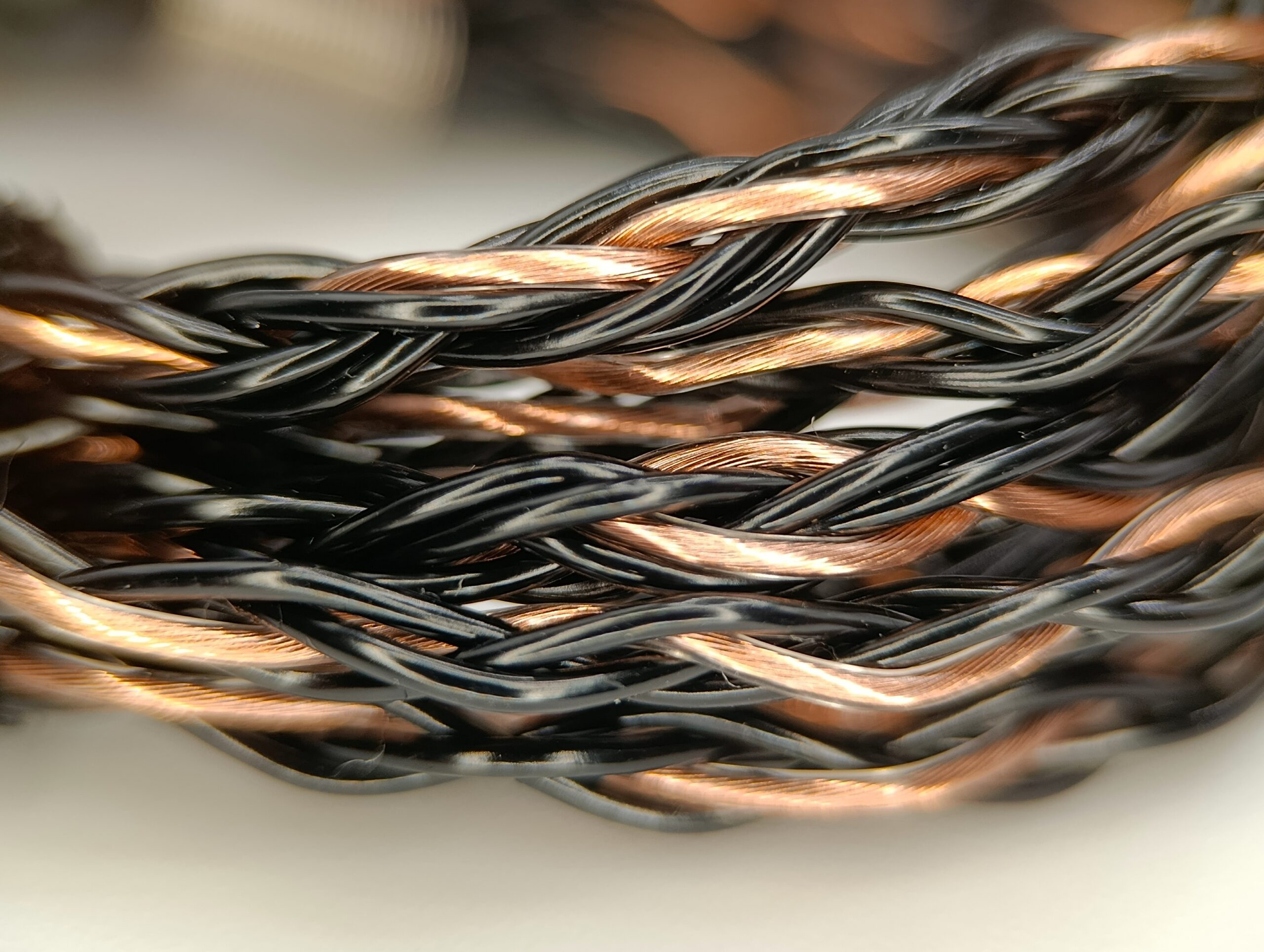
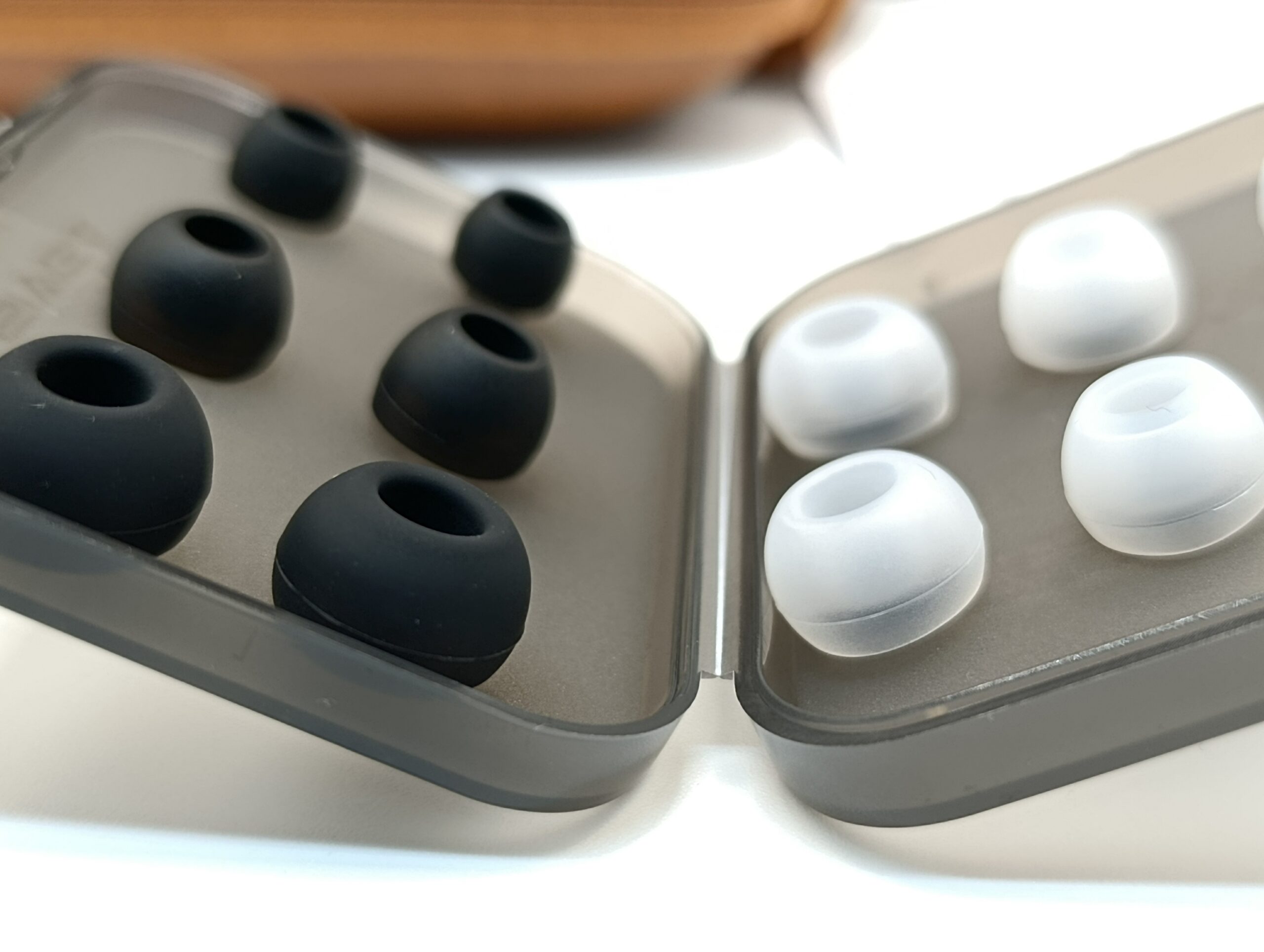
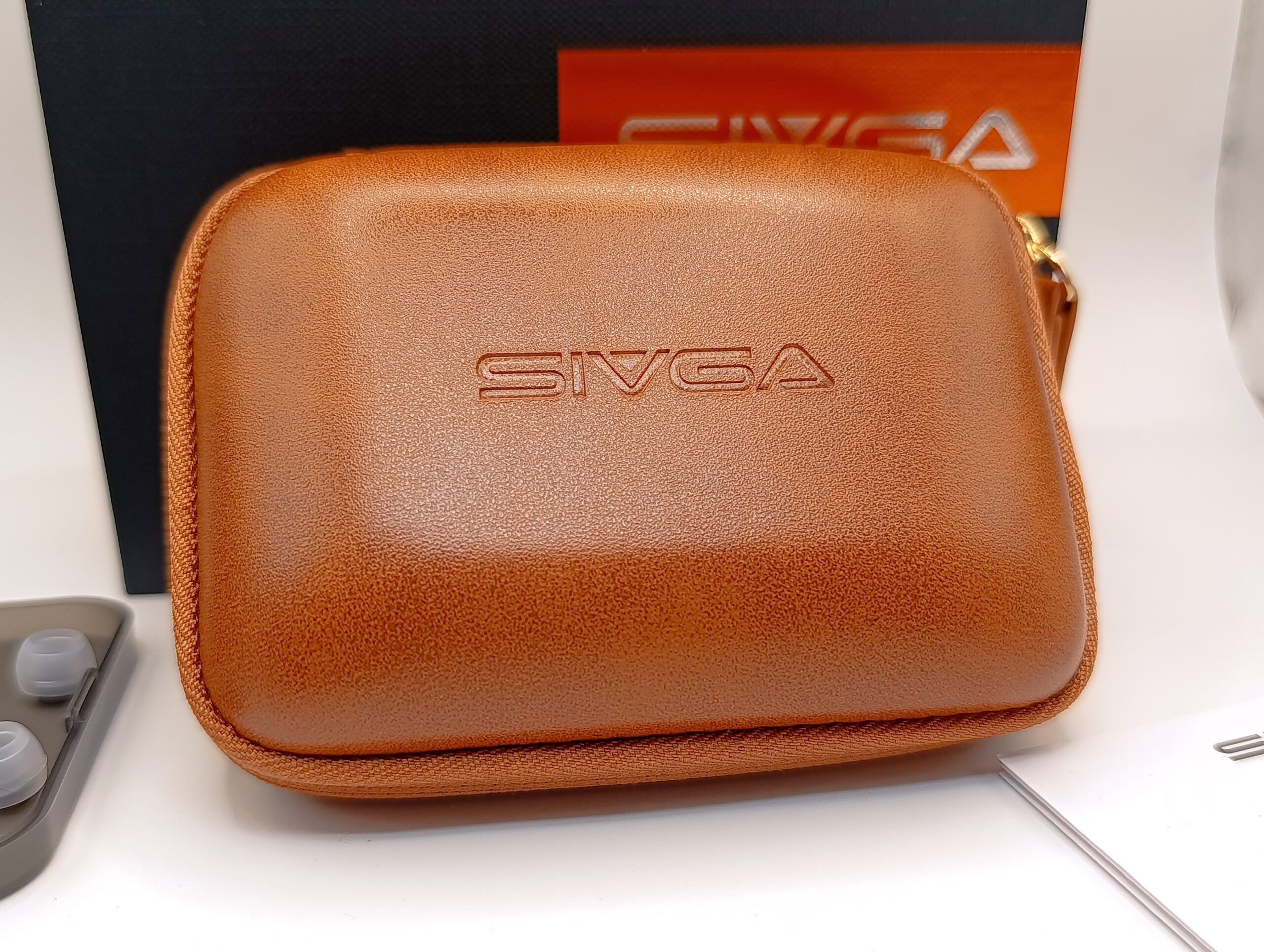
Having become a bit of a stickler for detail, I can’t help but notice that the cable is a model I’ve already seen on something much cheaper. This could just be aesthetics, but perhaps the strain gauges are superior (the cable is still good), but the ear tips are not. The ear tips are absolutely not up to par with a similar set. It’s true that people like me have ear tips everywhere, but these are truly very cheap. Extremely soft and flimsy, they’re even difficult to fit on the generous nozzle. Furthermore, they are all the same model, only the color changes.
Design/Build quality:
In terms of shells, Sivga and Kefine are working exclusively with CNC and metals. These Sivga Nightingale Pro boast two very lightweight CNC-machined aluminum shells with beautiful zebrawood faceplates. The shells have a very unique, though particularly minimalist, design that could vaguely recall some small details from an Italian supercar.
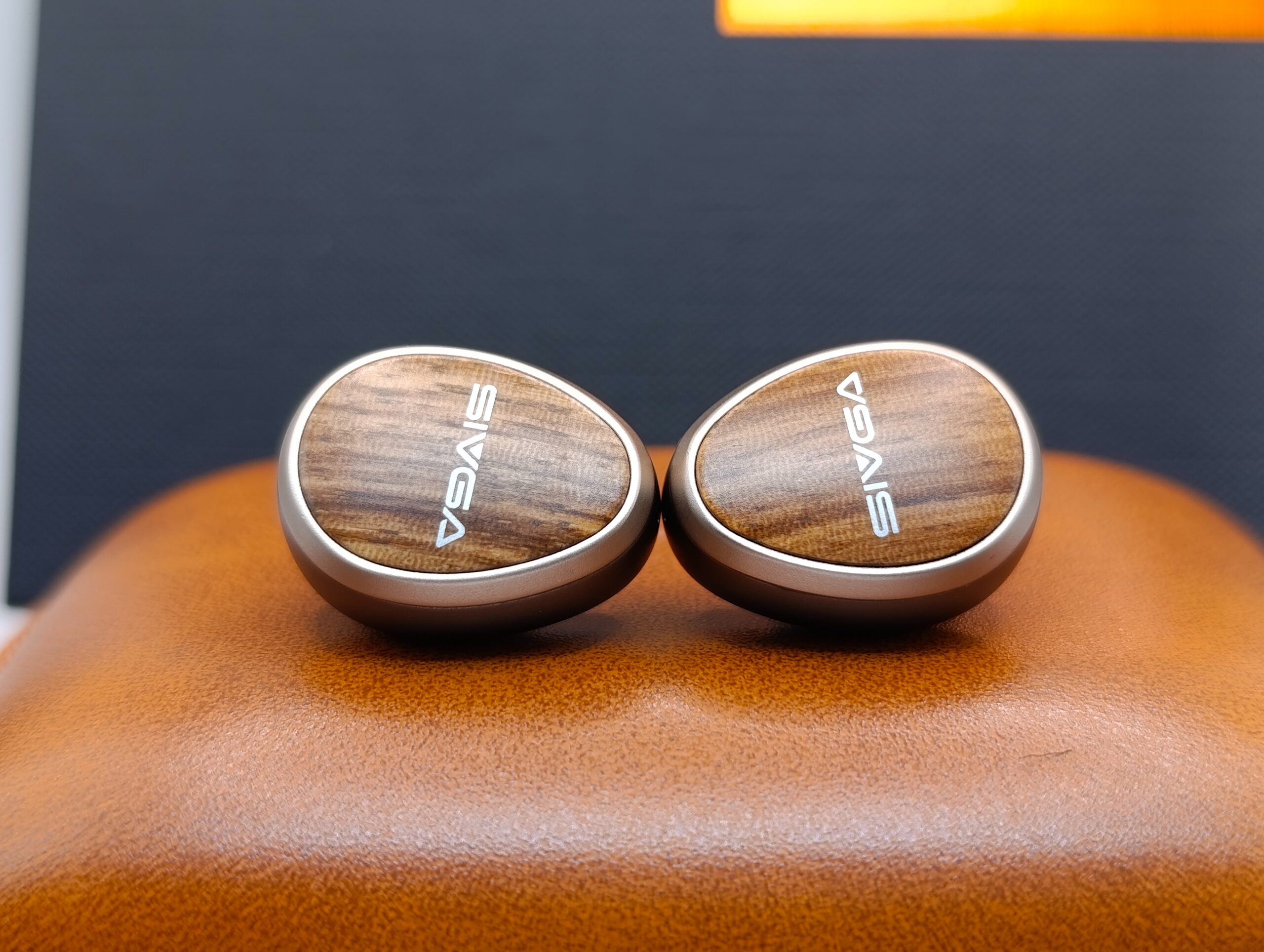
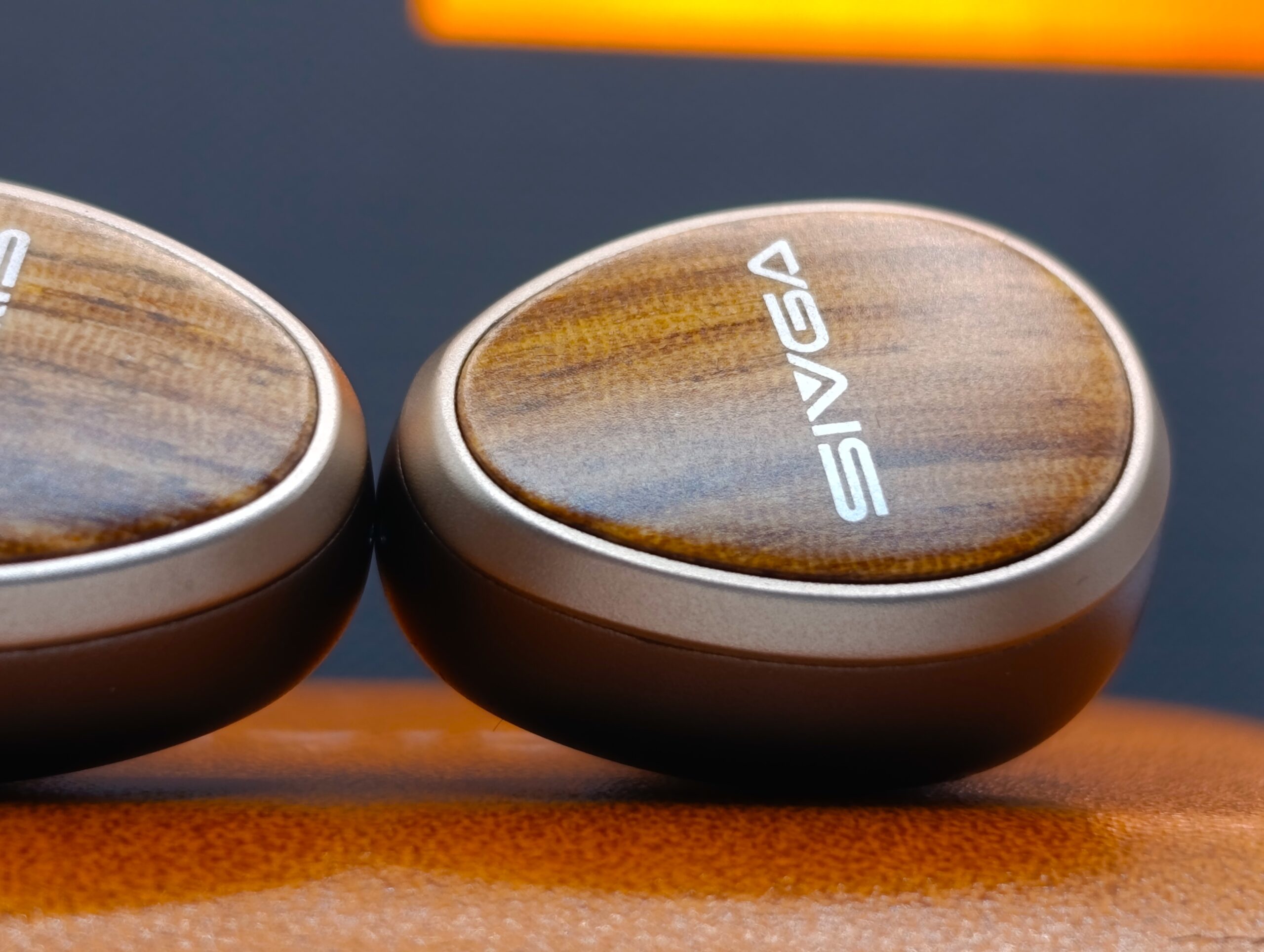
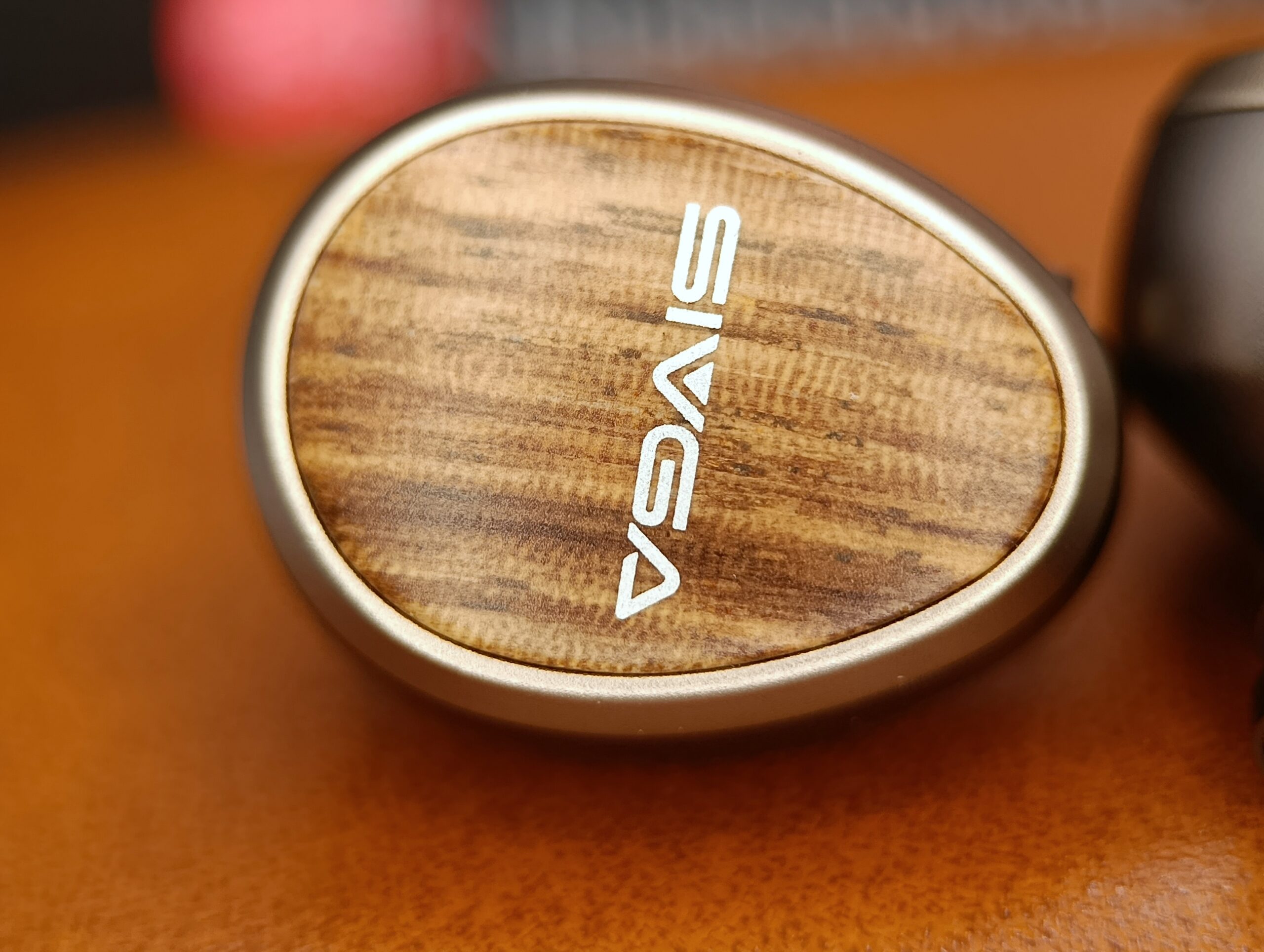
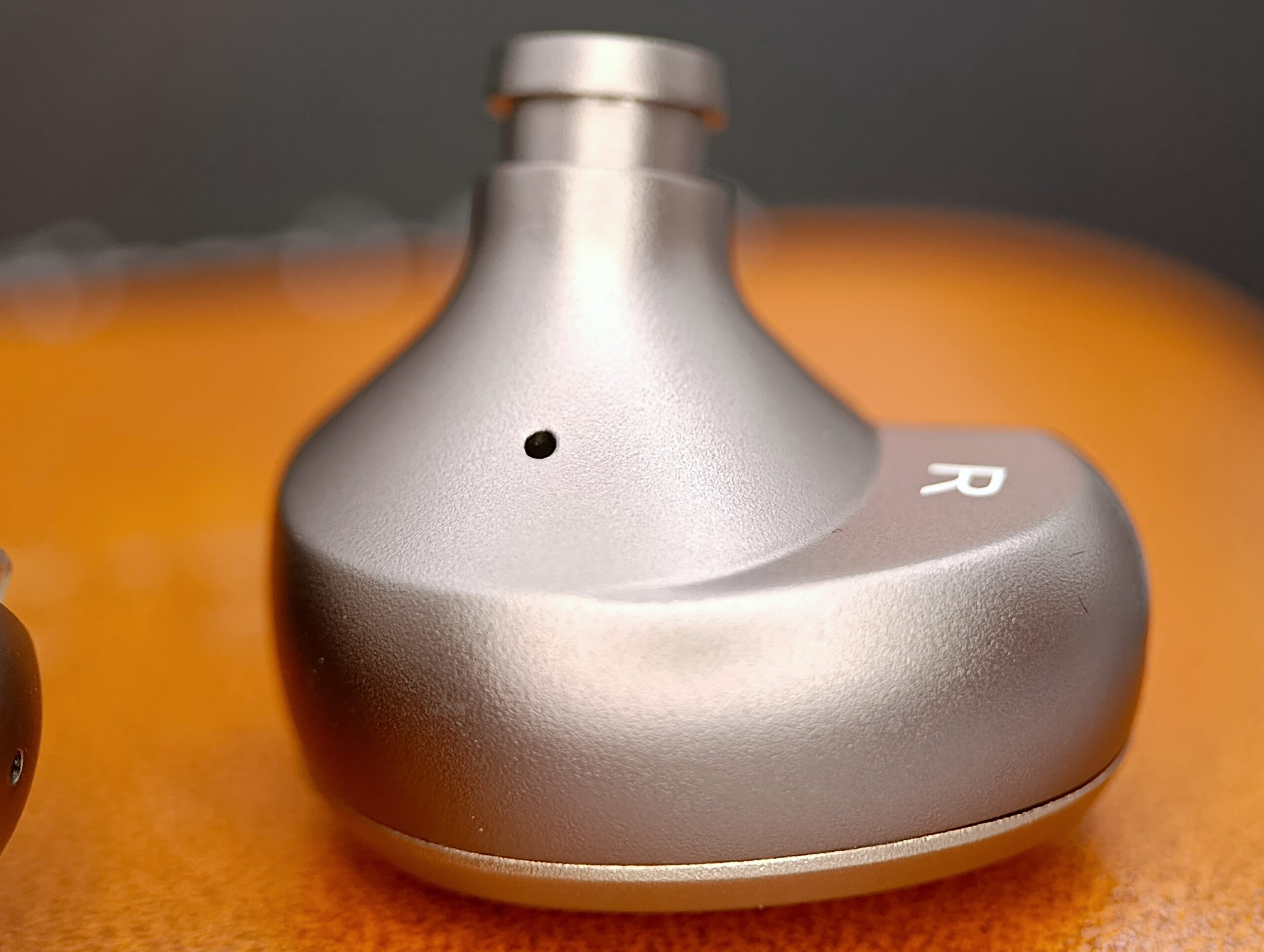
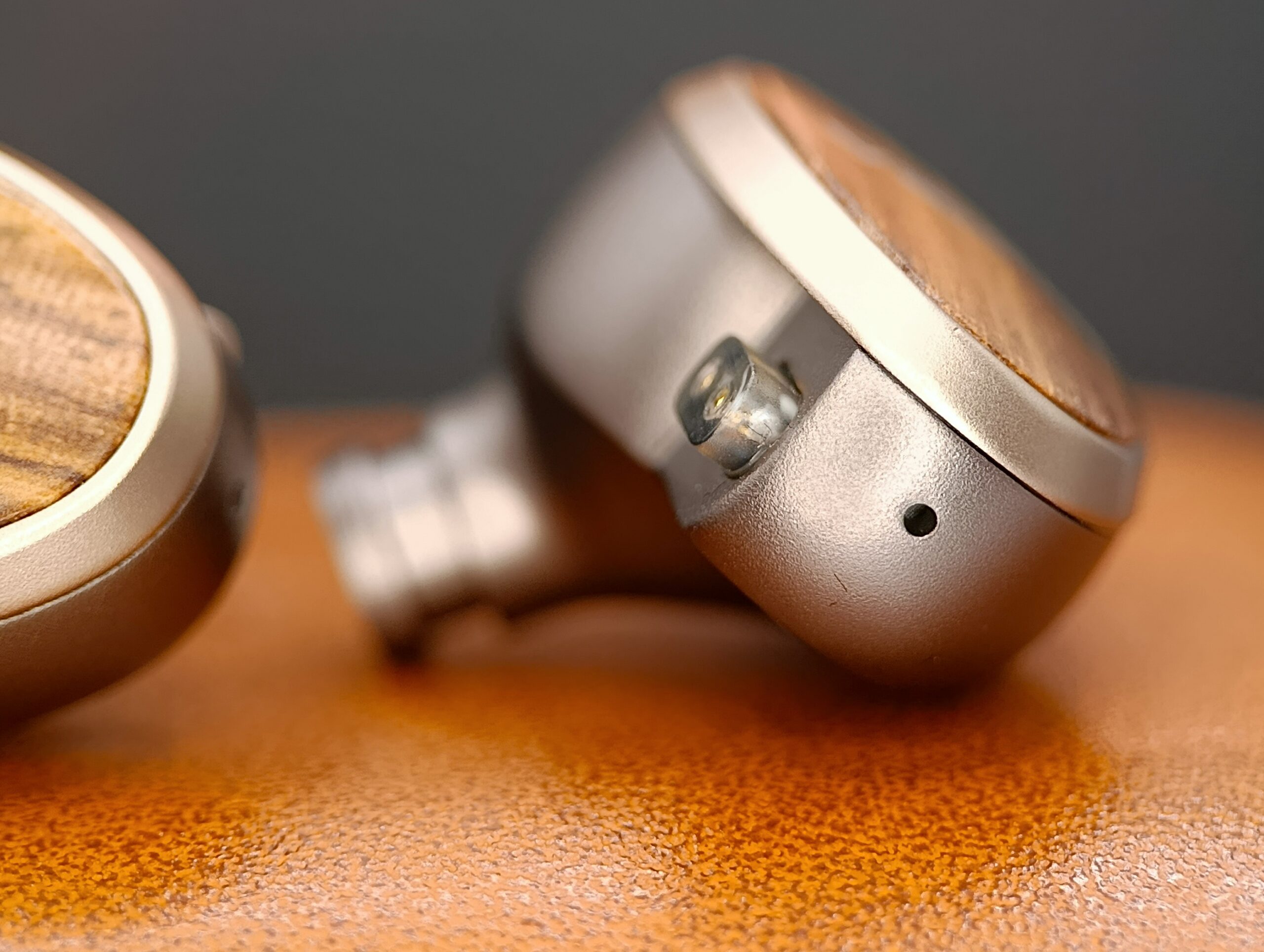
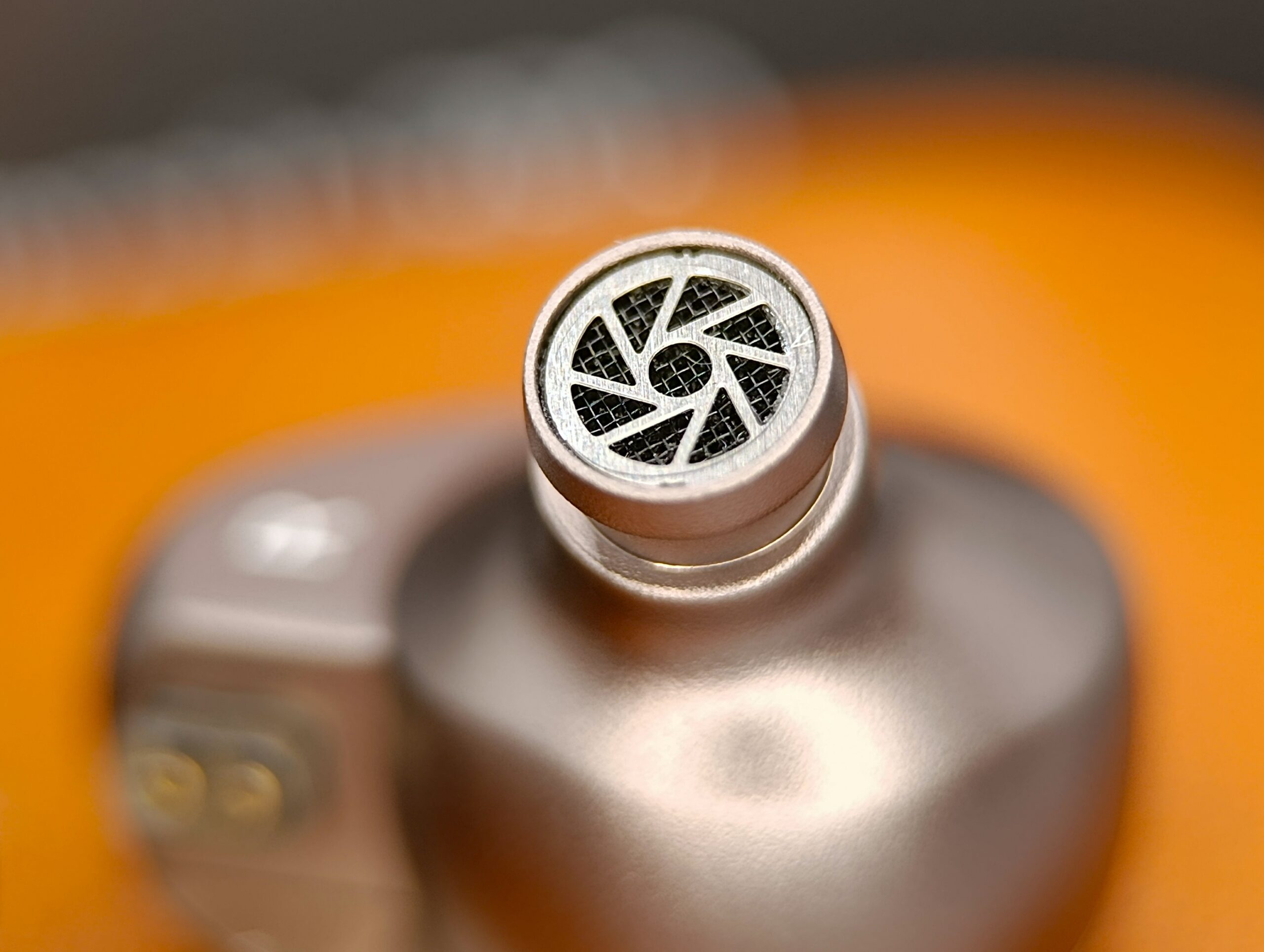
We can see that the shells have two ventilation holes before and after the driver for sound pressure balancing. The nozzle is generous and has a clear step that allows for very stable eartips, but if they are too soft, like the included ones, you’ll have to struggle a bit to insert them. The rest of the shell shapes are normal; the smaller ones should be worn as if they were a drop of water.
Obviously, an IEM of this caliber should have at least a quality set to avoid compromising the audio quality. The included cable is not bad overall; it’s not modular, but these require a lot of power to deliver 100% performance.
Initial sound impression:
Sivga has accustomed us to unique tunings that don’t always follow trends but sometimes simply break the mold with something different. If you’re looking for the usual Harman V-shaped setup, then perhaps you need to move on. The sound, as tuned, emphasizes the mids, with vocals and instrumentals sounding particularly clear and rich. The treble extension is crisp, adding a pleasant sparkle with plenty of air and microdetail. The mids have great presence and naturalness, but are striking for their vividness. The bass, on the other hand, has a sub-bass roll-off and sounds very neutral, but when amplified properly, something more moves.
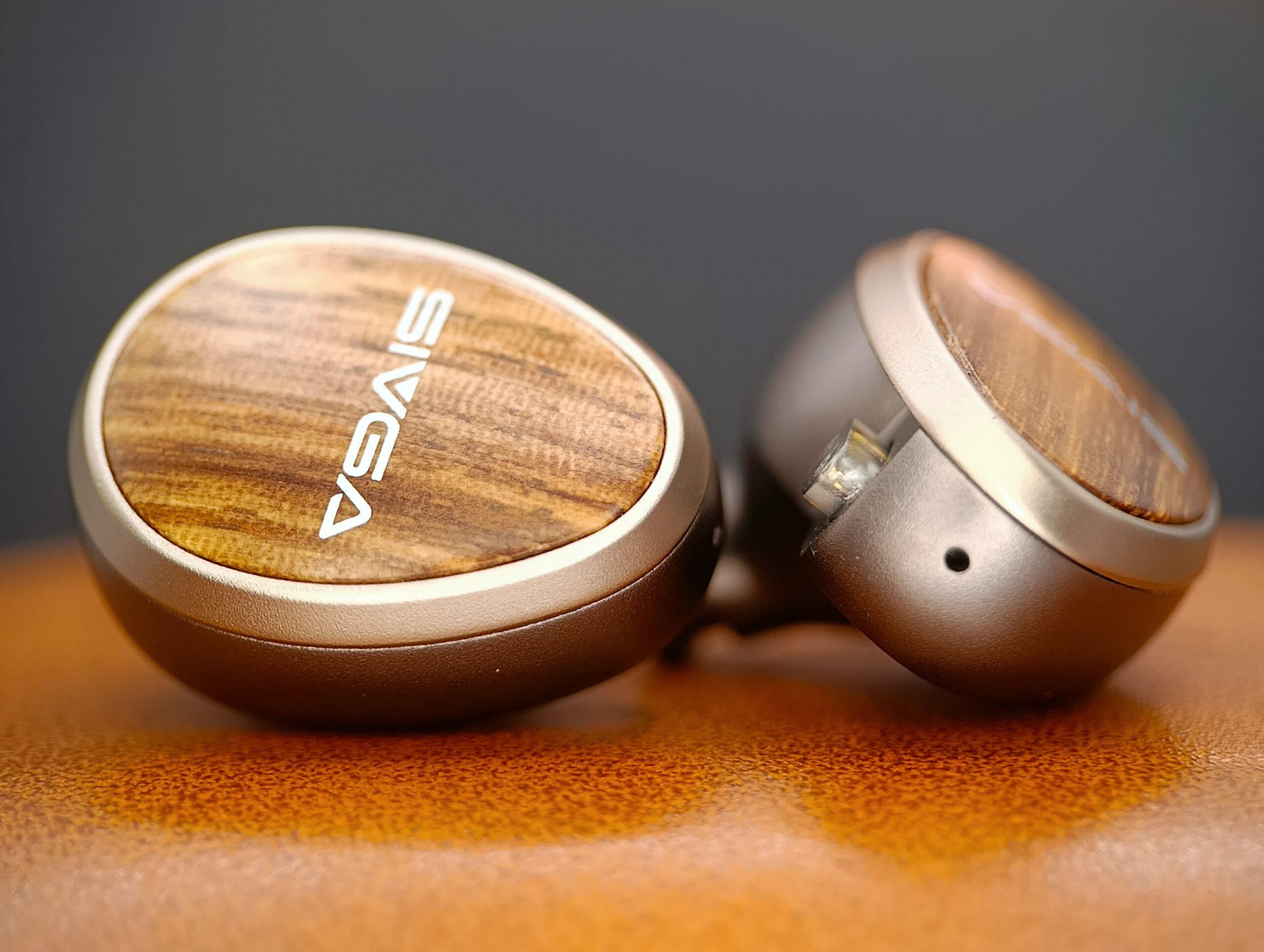
Reading the specs, it seems like any dongle would work, but with planar speakers, the scalability at higher power levels is immediately noticeable. Don’t be fooled by the specs; give them the maximum you can get, and you’ll see how even the low end gains tone.
Cable & Tips Rolling?
The Sivga Nightingale Pro cable is a good 8-core cable with LITZ copper and silver-plated single-crystal wires. A good cable of decent workmanship, even if it’s not modular, does its job perfectly without altering the sound. As for the eartips, I don’t doubt that the included ones might work for some, but such a planar earphone deserves something better.
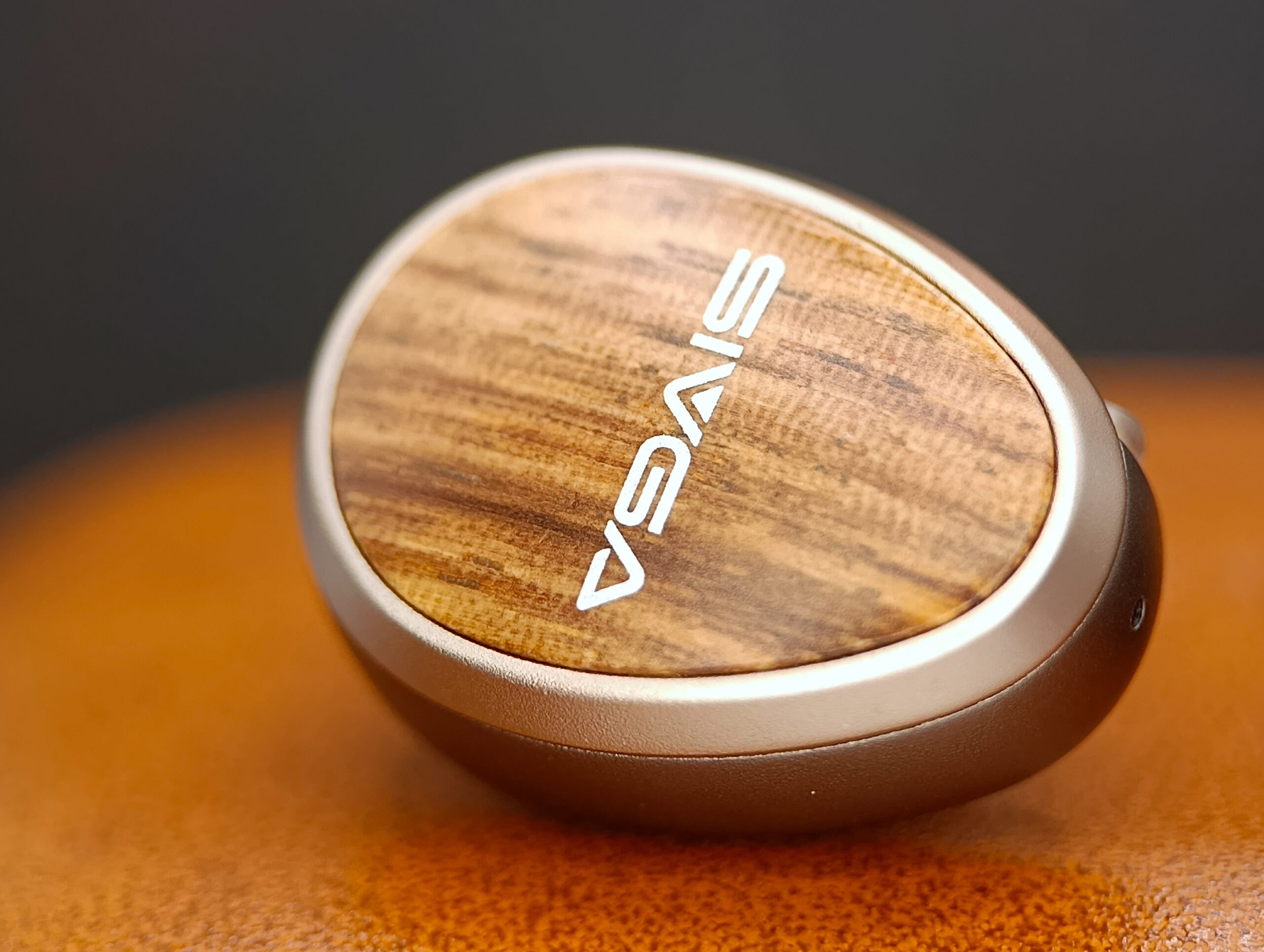
Compared to usual, I went down a size to compensate for the larger 6.5/6 mm nozzle and mostly used size S eartips, but depending on the type, size M eartips are still fine.
Undoubtedly, significant improvements in sound can be achieved by upgrading to higher-quality eartips.
In order of personal preference:
- Divinus Velvet M
- Dunu S&S S
- Tri Clarion S
- Hidizs Anemone S/M
- Epz M100 M
All of the above models offer easily audible improvements. The most comfortable are the Divinus Velevet but the most surprising are the Dunu S&S, which make the Sivga Nighngale PRO even more energetic and overall also comfortable.
Comfort & fit:
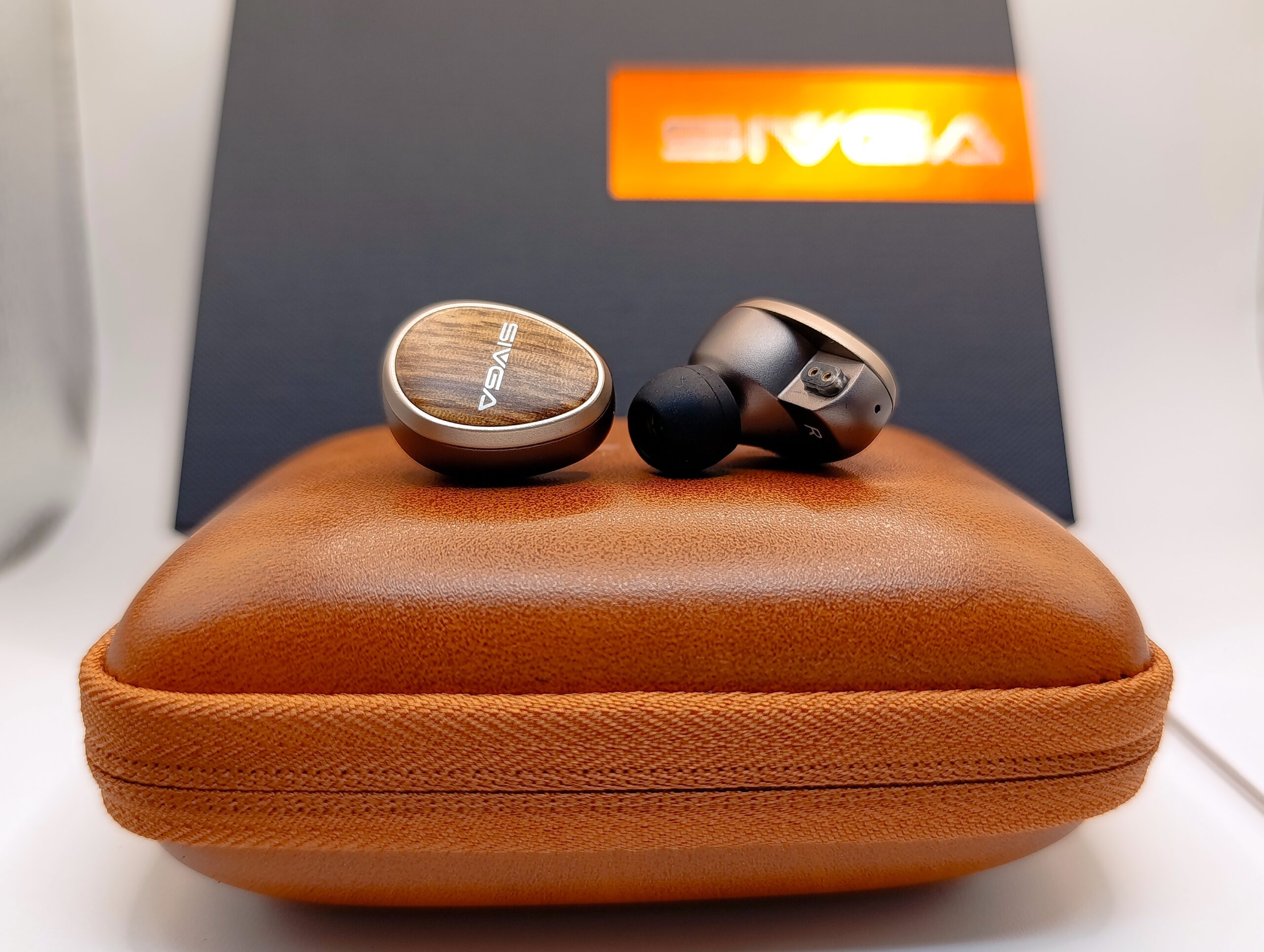
The Sivga Nightingale Pro’s shells are made from CNC-machined aluminum and magnesium alloys and are particularly lightweight. Their dimensions are also compact and easy to adjust. You might have some trouble with deep insertions due to the nozzle, but I don’t think you’ll have any sealing issues with the right eartips. The IEM and cable combination is perfect, and the weight is low, so you won’t experience any discomfort during prolonged sessions.
Equipment used for testing:
Device:
- Mac Mini
- Redmi Note 14 Pro 4G
Software:
- Amazon Music UHD 24bit 96kHz (Both)
DAC:
- Creative X5 (added warmth, fuller bass)
- Fosi Audio K7 (neutral brighter)
Final sound impression:
After a few hours of testing with the Fosi Audio K7, I decided to try a slightly more powerful, albeit less neutral, source: the Creative X5. Besides being much more powerful, it has a slightly warmer tone, but I have to say it pairs perfectly with the brightness and naturalness of the Sivga Nightingale Pro. I picked up an R&B/Jazz playlist and started listening, amazed by how every track was literally fantastic.
I listened to the entire album “wHIMSY by Destin Conrad,” enjoying it track by track, focusing particularly on the cymbals and various musical instruments that literally seemed to be in the middle of it. After the Hidizs MP145, this is the planar that’s making me dream the most. Am I exaggerating? To me, it sounds ridiculously good.
Treble
I immediately think of the Letshuoer Embers I reviewed recently, which adopted a completely different curve. We could even call them opposites. The Sivga Nightingale Pro adopts very bright trebles that might offend the more sensitive, but in reality, if you listen carefully, you’ll only notice an extension at the edges. The advantages are a resolution and brightness similar to the Letshuoer S12 Pro, but with a greater sense of soundstage and airiness. However, it’s a more refined, less pungent brightness, even if it might seem as if the S12 Pro has more detail.
Mids
Midrange frequencies come to the forefront, ladies and gentlemen! They’re served to you on a silver platter with unexpected naturalness. The energy envelops and makes the midrange, especially with the right musical genre, so beautiful that you’ll want to listen to the same song at least a couple of times. This kind of midrange entertains the listener with energy and liveliness, maintaining a natural, knife-sharp sound with lightning-fast transients. If the track is of high quality, it almost always feels like you’re at a live concert.
Bass
The bass has some peculiarities that might make it less than particularly noticeable and beloved. The first problem is that it requires a very good source with a certain amount of power. Otherwise, I think the very thin original eartips don’t do it justice and don’t enhance the bass perception at all. Obviously, the sub-bass roll-off is also noticeable. However, the bass strives for naturalness but has other peculiarities, such as its quality, definition, and speed. We could call it a somewhat flat bass, but sometimes, if the track calls for it, it stands out. Furthermore, it handles the equalizer very well.
Soundstage and Imaging
There’s a wide soundstage, rather than a broad spread; the sound opens up in multiple directions, creating a noteworthy soundstage. Planar drivers are always excellent in terms of soundstage, especially if you play your cards right. In terms of imaging, some genres don’t quite shine, but if you focus on the genres it was designed for, then it has no rivals. Without a doubt, one of the most interesting planars and with an unusual tuning.
The desire to exploit the frequencies so well has led the Sivga Nightingale PRO to have a very high transparency and ability to separate sounds.
Comparison:
vs Hidizs MP145
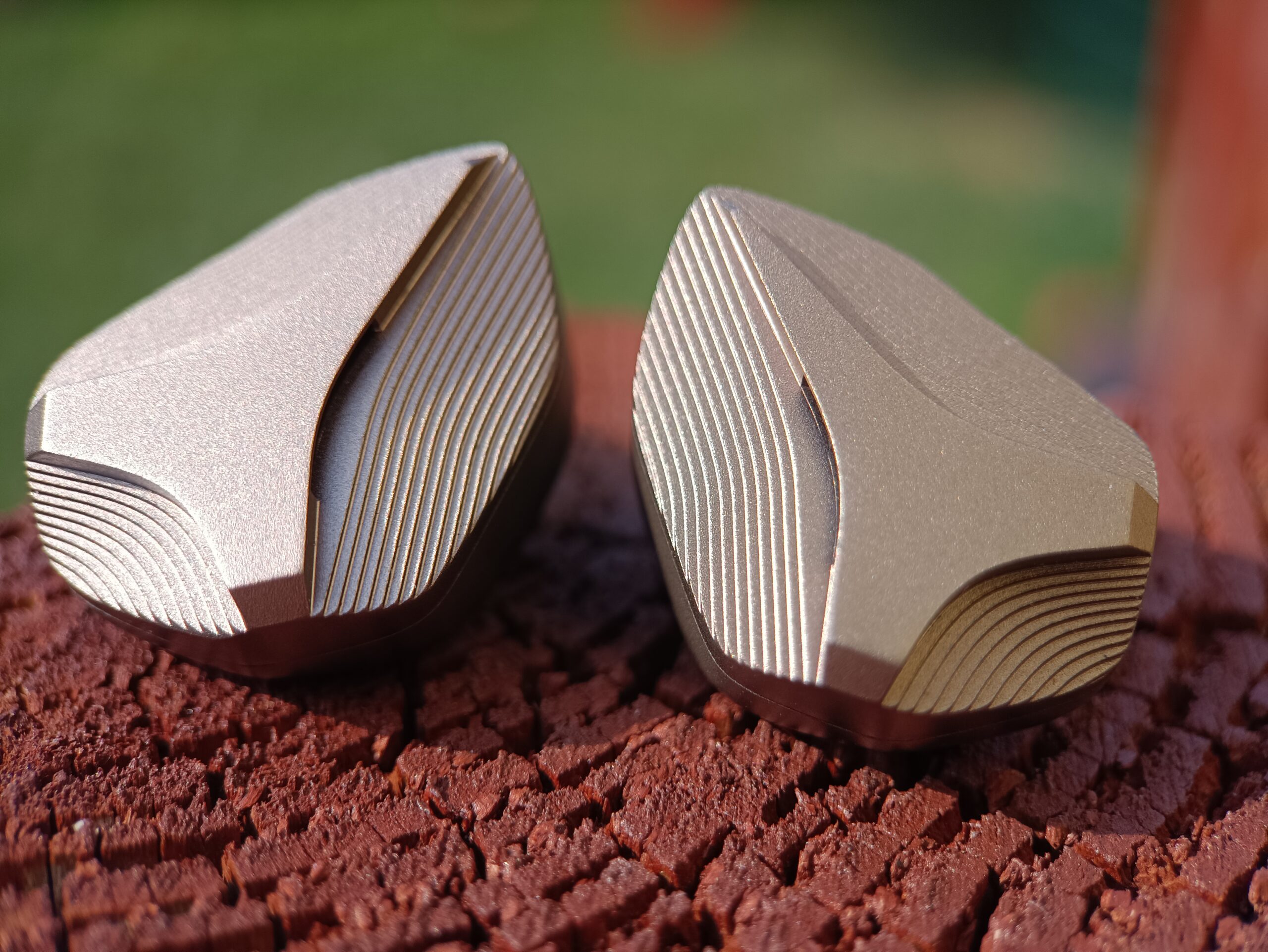
The Hidizs MP145 is just as interesting as the Sivga Nightingale PRO, but it has other peculiarities. The soundstage is developed in depth rather than width; the bass is very rich and extended, but in some aspects, it is comparable. Both mids and treble are very interesting, even if the Hidizs’ sonic signature is more typically Harman V-shaped.
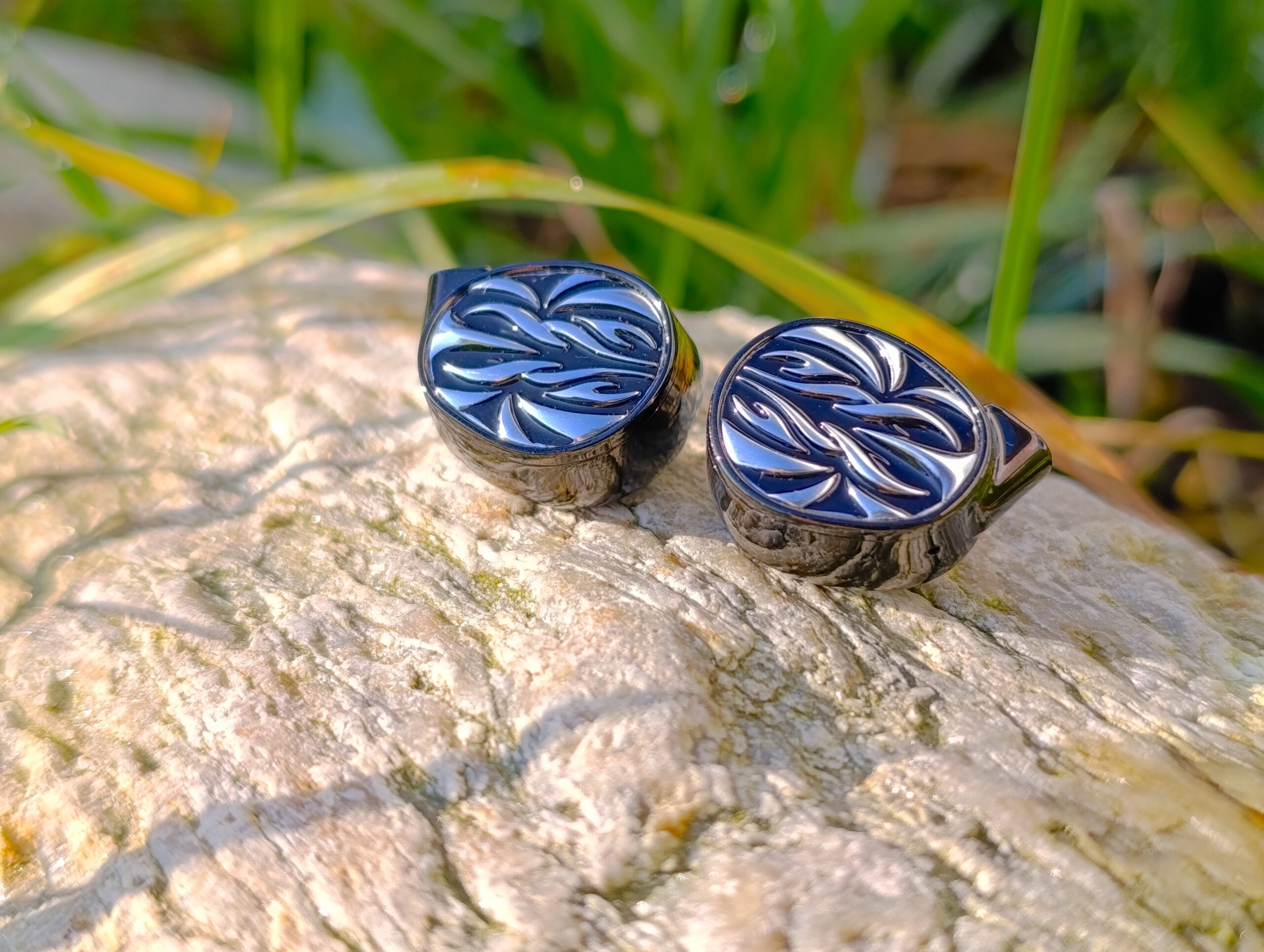
To keep things simple, I could define it as the complete opposite. The EMBER’s sound is dark, with denser bass, but the driver is kept in check by a very fluid tuning that aims to be as linear as possible without peaks. The Letshuoer Ember is also unique in its genre and is currently competing in a solo competition. It manages to sound high resolution without missing out on detail, but somehow the macro details and air are a bit veiled. However, if treble bothers you, this one is as smooth as butter.
Conclusion:
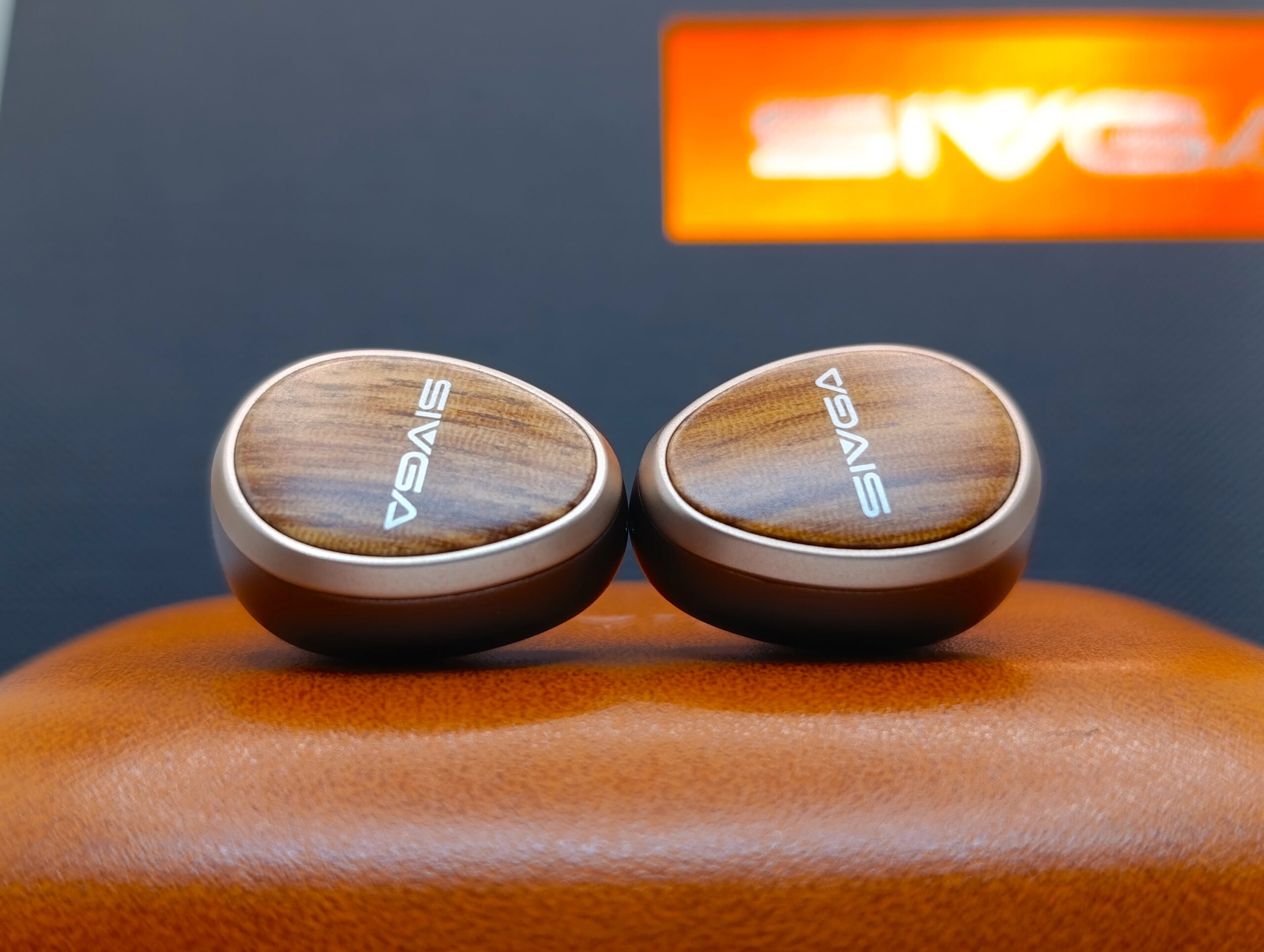
The Sivga Nightingale PRO suffers from scalability, and when connected to low-performance dongles, the first problem I notice is the bass, which loses its authority and completeness. Like all planar drivers, even with high sensitivity and interesting SPLs, you also need to consider an adequate amplifier. I’ve read some reviews that claim almost no bass, but I honestly don’t understand. I think they’re somehow limited to weak sources or the included eartips, which, being very thin, could reduce the bass.
I assure you that when I push the bass too hard, the songs start to push it with authority, even though it maintains a noble and natural presence. The Sivga Nightingale Pro is the set I’d recommend to anyone who already owns the Hidizs MP145 and wants something equally distinctive and unique, but with a brighter punch and a wider soundstage.
8.8/10
Pros:
- 14.5mm multi-magnet Planar Driver
- Zinc Alloy shell + wood faceplates
- Complete packaging
- Good 4.4mm cable
- Midrange king with emotional vocals
- Fast, detailed, natural bass response
- Good details and layering
- Treble extension & Airiness
Cons:
- Eartips are really soft and cheap (needs to be upgraded)
- Bass is light /sub-bass roll-off (it depends, too be honest)
- The nozzle is quite big
- Needs proper power to shine (not really a con)
More Information:





No Comment! Be the first one.