
























































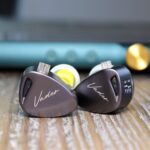







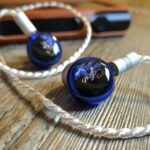
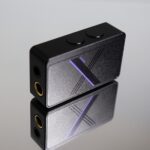







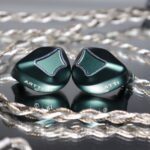



































ZAYLLI LYRÖ Review – Mechanical Tuning, On-Ear Design, and a Straightforward Take on Sound


The ZAYLLI LYRÖ enters the headphone landscape not by following trends, but by quietly redefining what we expect from mechanical sound control. At a time when most headphones rely on DSP profiles, companion apps, or marketing-driven EQ curves, the LYRÖ takes a refreshingly analog path: a physical tuning knob built right into the earcup that lets you shape the sound mechanically.
Table Of Content
This open-back, on-ear design and clip on with the addition adapter isn’t about flashy specs or studio pretension. It’s about real listening — immediate, tactile, and adaptable without cables, screens, or software menus. Whether you lean toward a warmer, bass-forward presentation or slide the tuning toward a cleaner, more neutral sound, the LYRÖ responds in a way that’s both predictable and musically satisfying.
TL;DR (Quick Verdict)
- Form factor: Open-back, on-ear
- Key feature: Mechanical tuning knob (SCS)
- Sound range: Warm & bass-forward → clean & monitor-leaning
- Best setting: Vertical knob position for neutrality
- Who it’s for: Listeners who want physical tuning without DSP
- Who should skip: Those needing isolation or fixed reference tuning
Verdict:
A genuinely useful mechanical tuning system paired with a comfortable, honest on-ear design. Not a studio tool, but a flexible listening headphone that actually does what it claims.
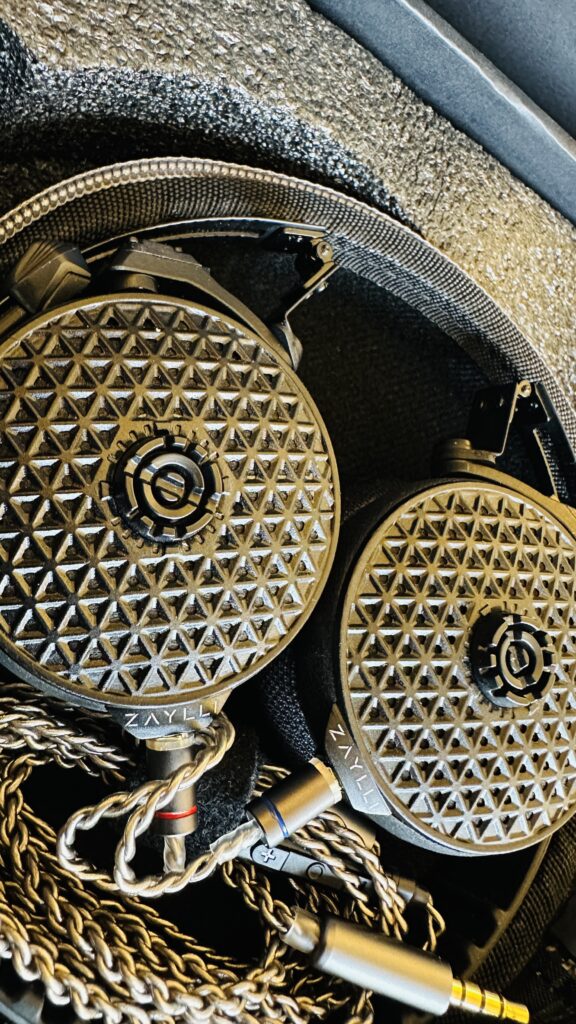
The ZAYLLI LYRÖ doesn’t try to impress with exaggerated claims or studio-grade posturing. It accepts its identity as an open-back, on-ear headphone and builds around that reality instead of fighting it with DSP or software tricks.
What sets it apart is the Sound Curves System (SCS) — a physical tuning knob integrated into the earcup. This isn’t a mode selector or a digital profile. Turn the knob one way and the sound becomes warmer and fuller. Turn it the other way and it cleans up toward neutrality.
That simplicity is the entire point.
Build & Comfort
The LYRÖ is lightweight and minimal by design. The open-back on-ear construction keeps pressure low, and clamping force is well judged. Despite being on-ear, it stays stable and doesn’t require constant adjustment during longer sessions. And lets not forget the stylish carring case it comez with.
Heat buildup is minimal, and the headband distributes weight evenly. Comfort is not something you “notice” — which is exactly what you want.


The detachable MMCX cable includes an inline microphone, reinforcing that this isn’t a desk-only headphone. Build quality feels intentional rather than decorative.
Sound Overview
The LYRÖ does not lock itself into a single tuning philosophy. Its sound is defined by where the SCS knob is set, but several traits remain consistent:
- Open and breathable presentation
- No artificial stage expansion
- Clean resolution without sharpness
- Clear scaling with better sources
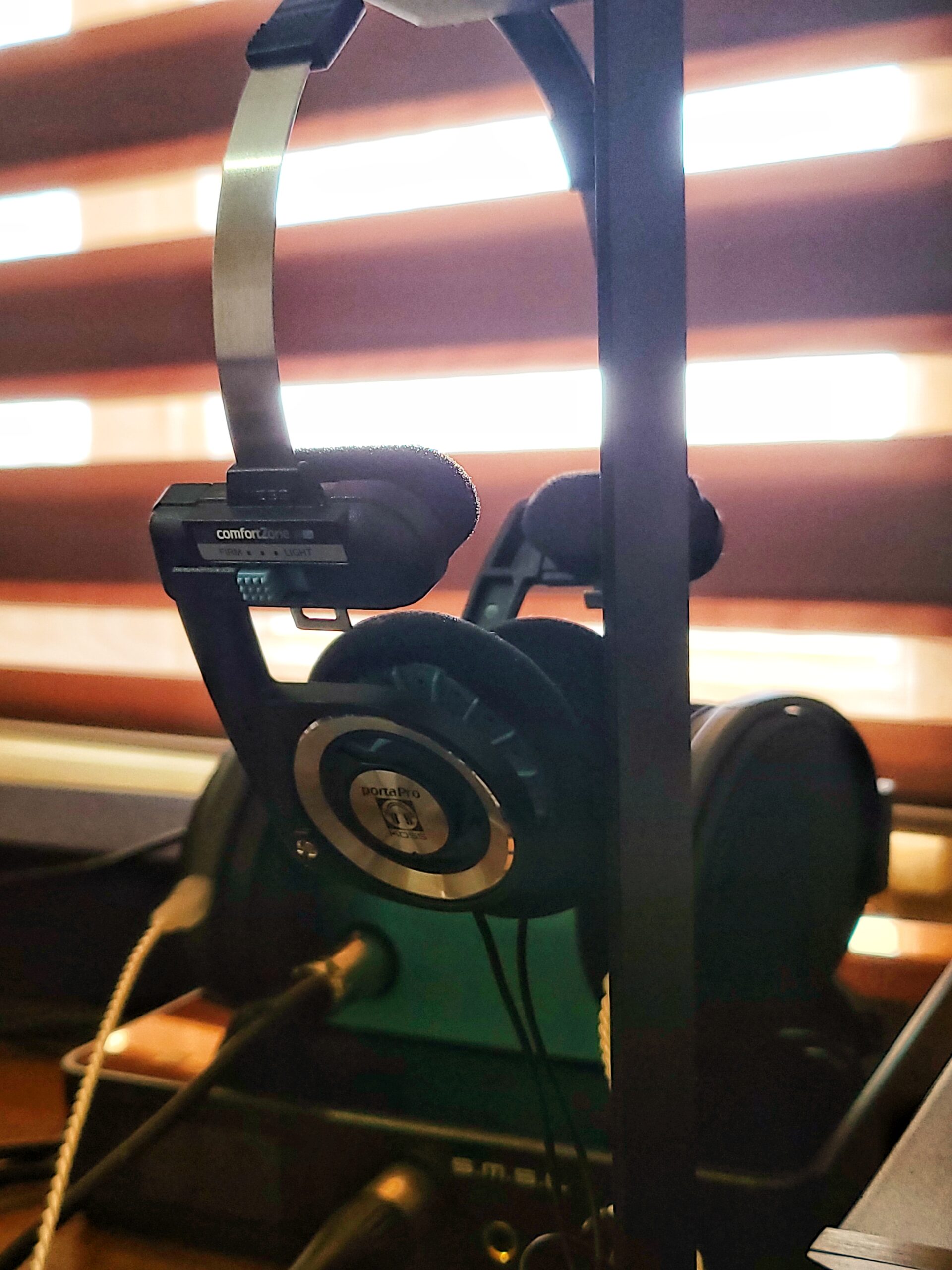
This is not an analytical tool like the DT1350, nor does it chase classic reference balance like the HD600. The LYRÖ is meant to be set, then listened to, not constantly dissected.
SCS – Sound Curves System (How It Actually Works)
The SCS knob rotates freely, but it does not behave as a circular or directional control.
It works along one tuning axis:
- Warm / Bass-forward end
- Neutral / Monitor-leaning end
What matters is how close the knob is to either end — not the direction the slot points.
Opposite orientations (180° apart) sound exactly the same.
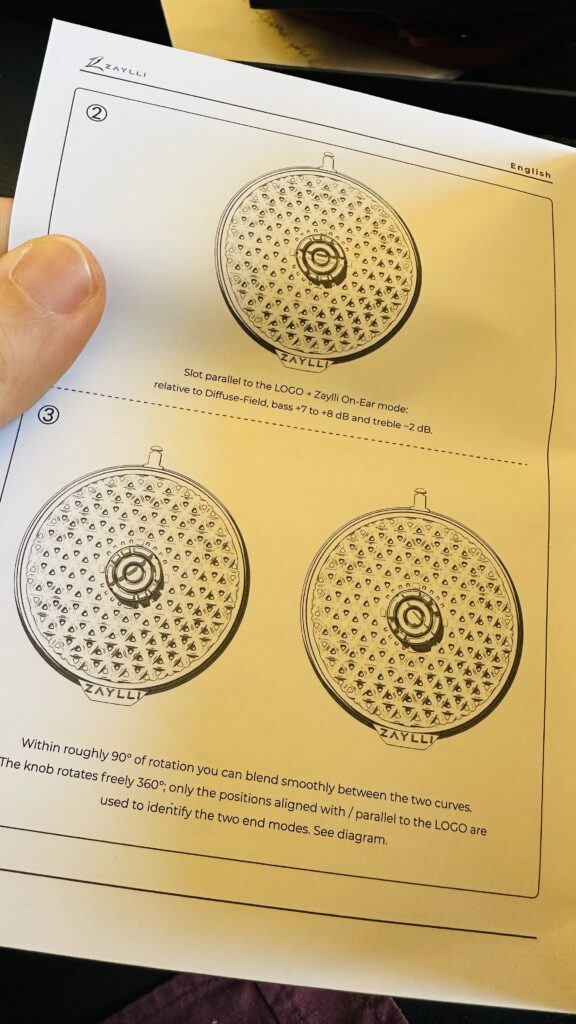
Horizontal vs Vertical (Key Reference)
- Horizontal (slot parallel to the logo)
→ Warmer, fuller, bass-forward sound - Vertical (slot perpendicular to the logo)
→ Cleaner, more neutral, monitor-leaning sound
Any position between these two is a smooth transition, not a separate mode.
How It Plays – From Warm to Neutral
Warm / Horizontal Side
- Fuller bass presence
- Thicker midrange
- Smoother, relaxed treble
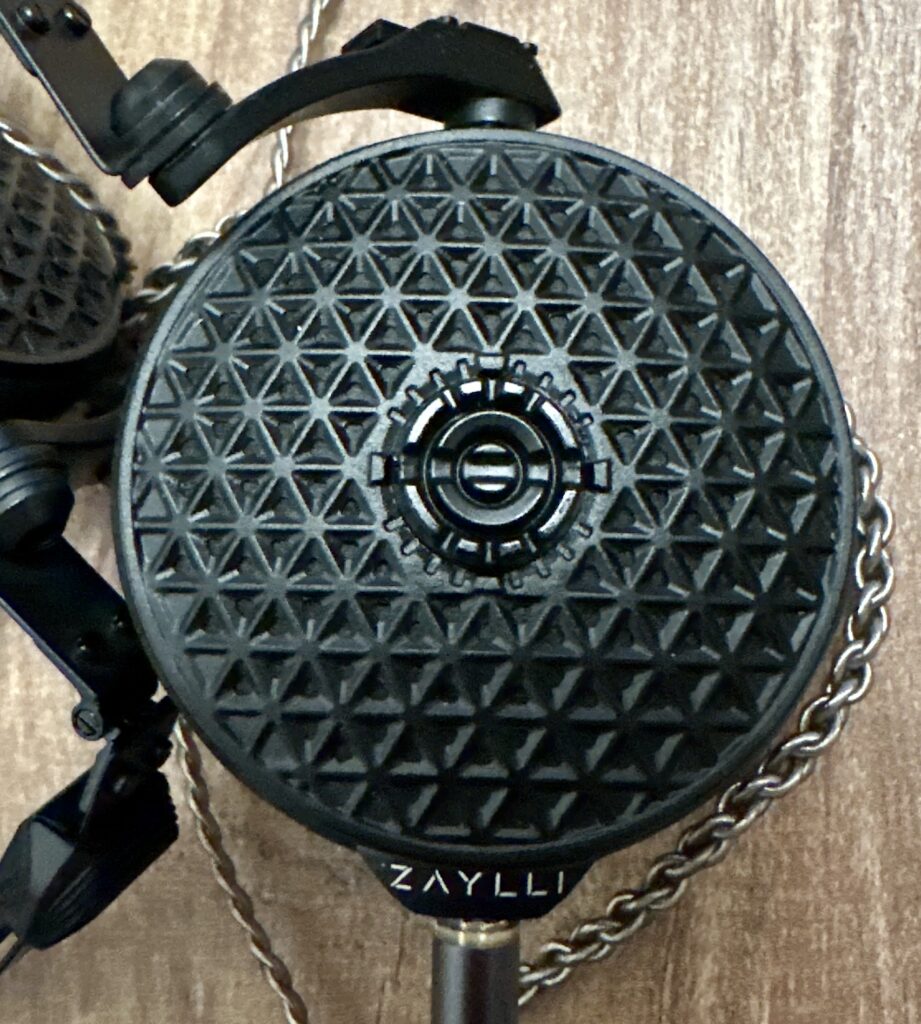
This setting compensates for on-ear bass loss and favors comfort and body. Ideal for long sessions or bass-light recordings.
Mid Range
- Bass tightens and steps back
- Midrange clarity improves
- Separation becomes more apparent
This is the most balanced area and works well across genres.
Neutral / Vertical Side
- No added bass emphasis
- Midrange accuracy becomes central
- Treble opens up with more air

This is the most neutral and most monitor-like setting the LYRÖ can offer within its physical limits. It does not turn into a studio monitor, but it clearly steps out of the way of the recording.
Source Pairing
The LYRÖ scales cleanly with better sources. Even from modest portable players it sounds controlled and open, but higher-quality sources improve layering, separation, and bass discipline.
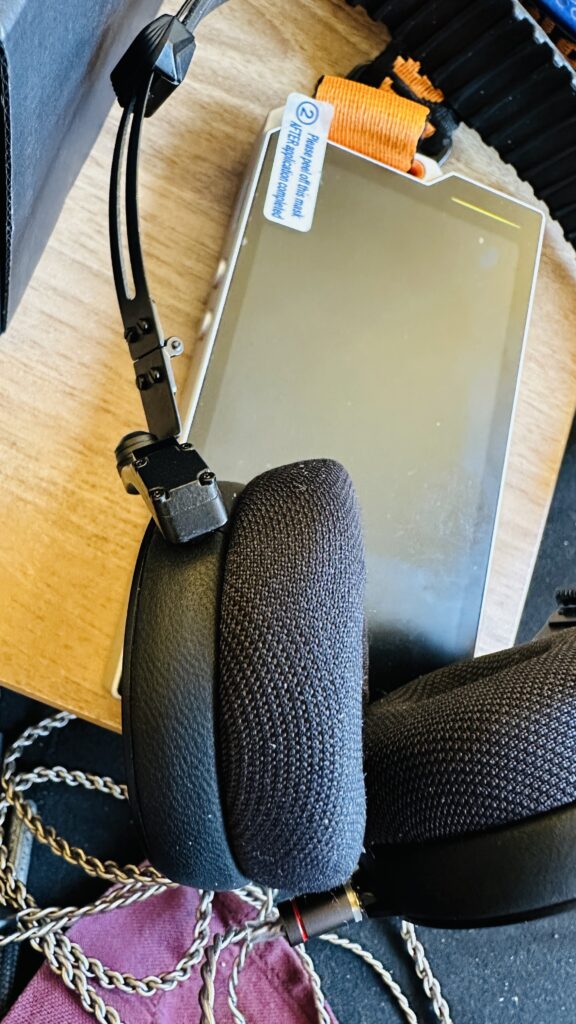
It doesn’t plateau early, which reinforces that the SCS system isn’t masking technical weaknesses.
Listening with Cayin N8ii
Switching from a mid-tier portable source to the Cayin N8ii makes one thing immediately clear: the LYRÖ scales, and it does so in a very honest way. The headphone doesn’t suddenly change character, but the edges sharpen, the space opens, and control improves across the board.
With the SCS knob closer to the neutral / vertical position, the N8ii highlights what the LYRÖ does best in that range. Midrange resolution improves noticeably — vocals sound cleaner and more layered, and small dynamic shifts within recordings are easier to follow. The background feels darker and quieter, which helps micro-details and room cues come through more naturally.
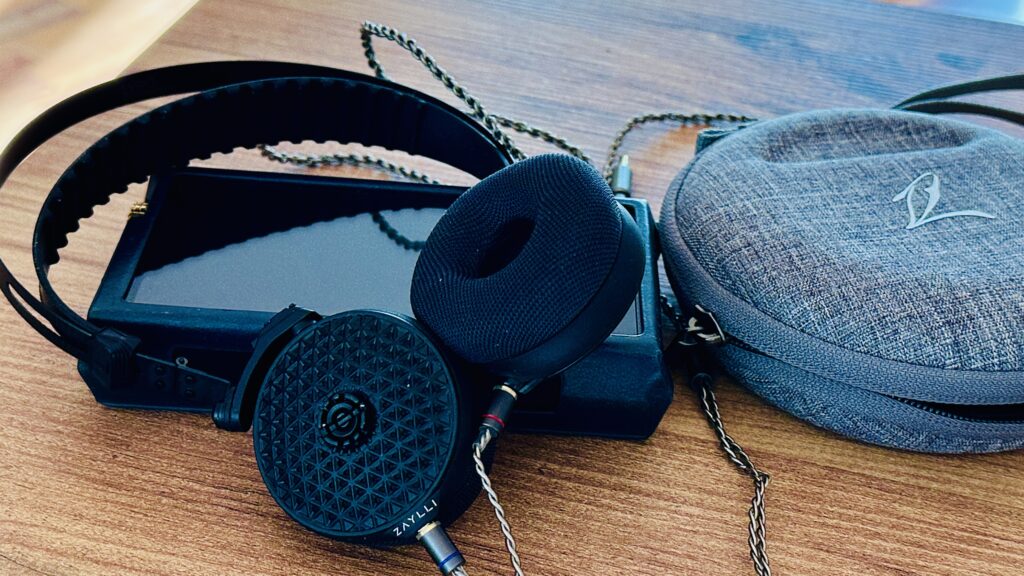
Bass behavior is also more disciplined. Even when the knob is nudged slightly toward the warmer side, the N8ii keeps the low end tight and textured rather than thick or slow. This pairing avoids the “too soft” presentation that some warmer sources can introduce when combined with bass-forward tunings.
In its most neutral setting, the LYRÖ with the N8ii gets closer to a monitor-style presentation than with simpler sources. Transients feel cleaner, decay is more realistic, and the headphone steps further out of the way of the recording. This doesn’t turn it into a studio monitor, but it does underline that the LYRÖ’s neutral end is genuinely capable, not just theoretically so.
Overall, the Cayin N8ii doesn’t exaggerate the LYRÖ’s strengths — it clarifies them. It confirms that the SCS system isn’t masking limitations and that the headphone continues to reward better amplification and cleaner signal paths.
Pros
- Mechanical tuning that actually changes the sound
- Clear warm → neutral range
- Neutral setting is genuinely monitor-leaning
- Lightweight and comfortable
- Open, natural presentation for an on-ear
- Scales with better sources
- No DSP or software dependency
Cons
- Not a fixed reference headphone
- Open on-ear design offers little isolation
- Bass lovers may stay near the warm end
- Monitor character only appears near neutral extreme
- Not intended for studio or professional monitoring
Final Verdict of ZAYLLI LYRÖ Review
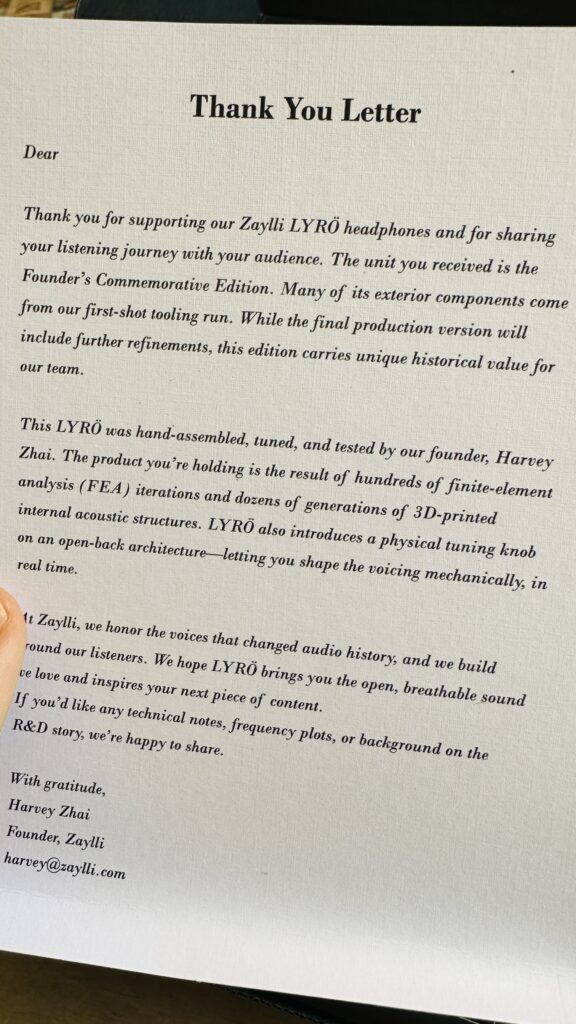
The ZAYLLI LYRÖ doesn’t try to tell you what the “correct” sound is. It gives you a physical, mechanical way to decide how it plays.
Turn the knob one way and the sound gains body and warmth.
Turn it the other way and it becomes cleaner and more neutral.
That’s it — and it works.
The SCS system isn’t a gimmick. It’s simple, audible, and predictable. The LYRÖ’s strength lies in that honesty. This is not a showcase headphone. It’s a listening headphone, designed for real use
Click if you want to see the backstory behind this effort.





No Comment! Be the first one.