













































































Table Of Content
The Letshuoer EJ10 enters the tribrid IEM market with a configuration that immediately signals ambition: 2 dynamic drivers, 4 balanced-armatures, and 4 EST units, arranged with the goal of delivering a controlled, refined, and technically stable sound. It sits in a competitive price bracket filled with hybrids and tribrids that try to impress with boosts, coloration, or exaggerated staging. The EJ10 does not follow those patterns. Instead, it approaches sound with discipline. This review aims to understand how that discipline shapes its everyday performance, how it reacts to power, and whether it reaches its full potential in real-world listening.
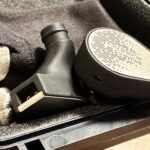
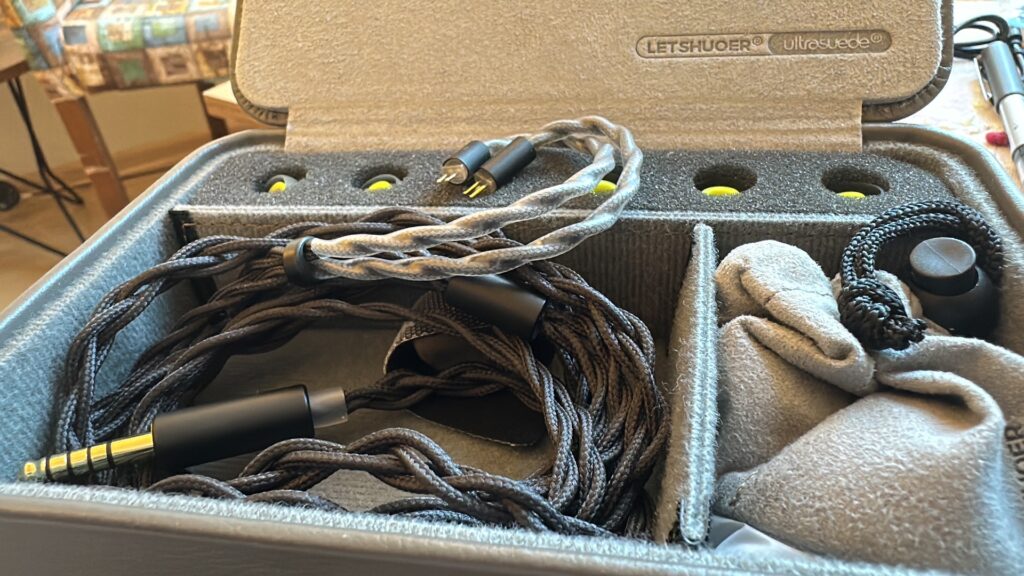
From the first interaction with the product, the EJ10 feels deliberate. The unboxing experience is clean and efficient: a suede-lined case, metal housings with a stable geometry, and a practical cable that avoids unnecessary visual flash. There is nothing excessive, and nothing cheap. It is a design that aims for usability instead of theatrics. Even before listening, the EJ10 gives the sense that Letshuoer built it with a clear target in mind: stability, structure, and predictable behavior across sources.
Disclaimer: This unit is the loaner I took from AG EU section and EU Rep of the Letshuoer. Thanks to both parties
Build & Fit
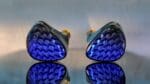
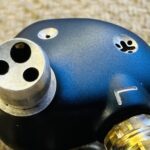
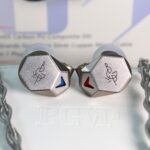
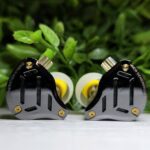
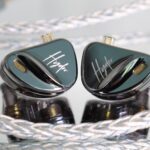
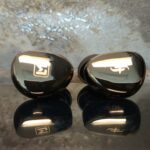
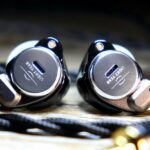
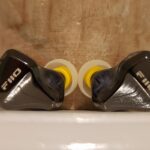
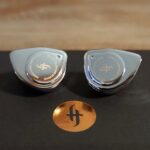
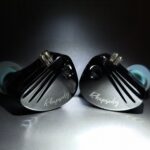
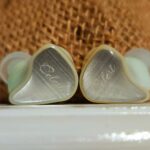
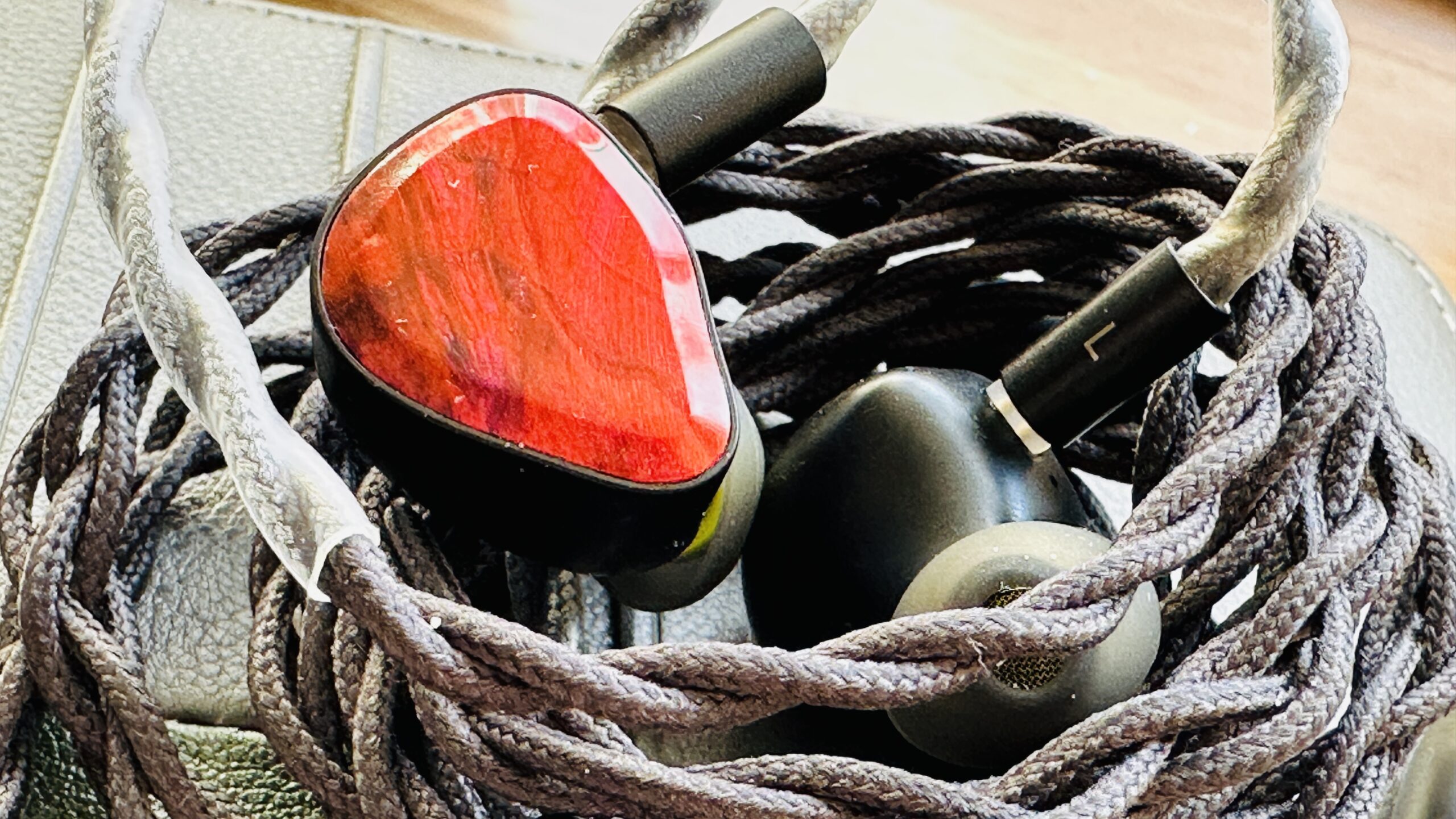
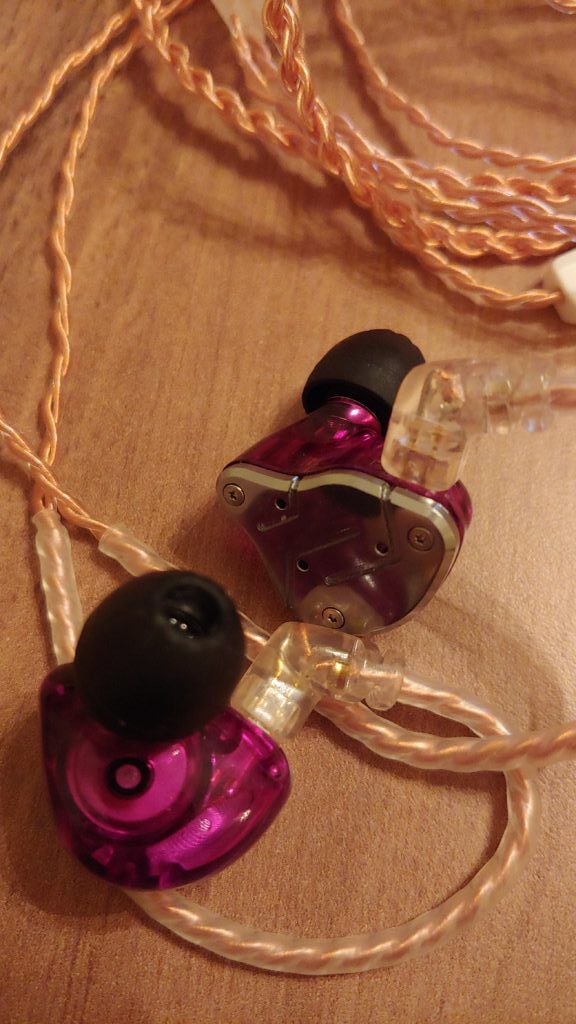
The EJ10’s shells are made from metal with uniform weight distribution, providing a sense of durability without becoming fatiguing in the ear. The nozzle length and angle accommodate most eartips without stress. Fit is secure, isolation is above average, and micro-adjustments are minimal. The design feels like it was made for long listening rather than a quick demo.
Comfort remains consistent even after extended sessions. There are no hotspots or pressure issues. The shells seat naturally and provide a confident seal. This is important because the EJ10’s sound—particularly bass and treble balance—depends on stable insertion depth. Its sensitivity to eartip changes also makes fit an essential part of the tuning experience.


The included cable, though simple, is functional and resistant to microphonics. It is neither stiff nor overly soft. The 4.4 mm balanced termination is a welcome inclusion given how significantly the EJ10 responds to better amplification.
Technical Architecture (Driver Function and System Design)
The EJ10 uses a 2DD + 4BA + 4EST structure, but it does not behave like a typical tribrid. Many tribrids emphasize separation and sparkle; some focus on cohesion. The EJ10 aims for controlled organization. Each driver group seems tuned to avoid dominance.
- The dual dynamics contribute to low-end structure, extension, and pressure control rather than heavy impact.
- The balanced armatures are tuned for midrange clarity and consistency, forming the backbone of the presentation.
- The EST drivers operate with restraint, adding air and smooth treble texture without exaggeration.
What stands out is how predictable the system behaves across volume levels. Some tribrids shift tonal balance when pushed; the EJ10 maintains its character. There is no sudden sharpness, no midrange thinning, and no abrupt changes to staging. It is a stable design, and stability is a defining trait of this model.
Bass
The EJ10’s low end is built on controlled bass, not elevated bass. The sub-bass reaches deeply but remains firmly tied to the music rather than spreading across the soundstage. There is a notable sense of order in the way low frequencies behave. Tracks with complex bass layering—common in rock and metal—retain clarity without blending into the mids. This gives the EJ10 a grounded presentation.
Mid-bass impact is clean and consistent. It does not behave like a warm or heavy bass tuning; instead, it supports rhythm and structure. On many tracks, especially ones where kick drums and bass guitars share frequency space, the EJ10 maintains separation well. Even though it does not deliver a thick or lush impact, it rarely feels insufficient. Its tuning avoids bloat and muddiness, favoring accuracy and timing.
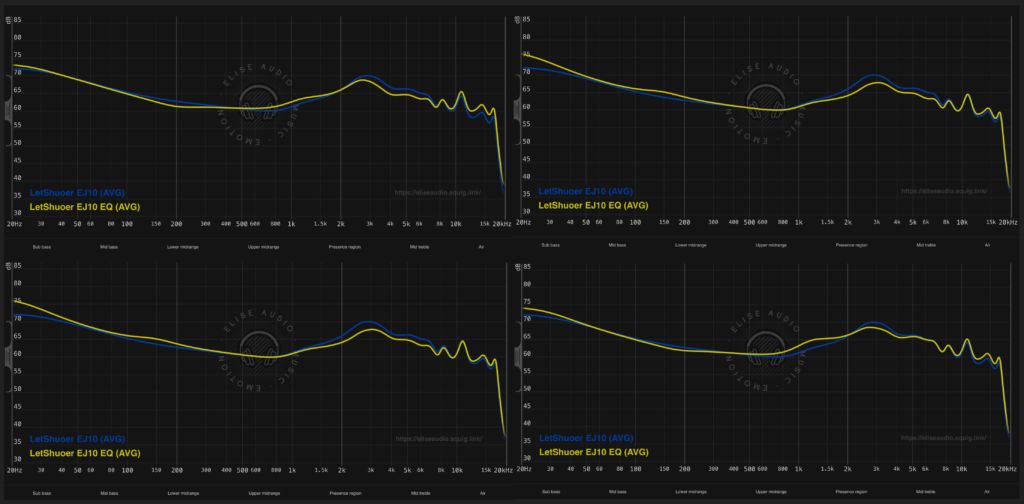
With stronger amplification, the bass improves in both density and grip. VE Megatron tightens the leading edges and increases punch. Questyle M15i adds depth and better layering. The EJ10 does not transform into a bass-heavy earphone under power, but it gains weight and control that helps balance the overall presentation. For listeners who appreciate precision over quantity, the EJ10 offers a consistent and reliable low-end response.
Midrange
The midrange is one of the most stable components of the EJ10’s signature. Vocals sit in a natural position—not forward, not recessed—and maintain their clarity even when the mix becomes dense. There is no artificial warmth added; the mids remain clean without veering into coldness. This neutrality supports a variety of genres and prevents fatigue during long sessions.
Instrument separation in the midrange is handled with care. Guitars, pianos, and string instruments maintain texture and presence without dominating others. Layered arrangements remain intelligible, allowing listeners to follow individual lines with minimal effort. This quality is particularly beneficial in IEMs for fast complex music, where many earphones begin to blur elements together.
The EJ10’s BA implementation avoids the dryness sometimes associated with balanced armatures. While it does not offer the thick body of some dynamic-driver mids, it provides a reliable, honest portrayal of midrange content. For listeners who prioritize clarity, organization, and accuracy, the EJ10’s midrange is one of its strongest features.
Treble
The EJ10’s EST treble is defined by refinement rather than brightness. Many EST earphones emphasize brilliance or sharpness; the EJ10 opts for smooth extension and balanced air. Cymbals have clearly defined texture without excessive shimmer. Treble timbre is accurate and free of harshness.
High-frequency detail emerges naturally without demanding attention. This allows long listening sessions without fatigue. The EST units add ventilation and openness to the stage but do not create artificial emphasis. Listeners sensitive to treble peaks will likely appreciate this restrained implementation.
Different eartips slightly modify treble behavior. Prism wide-bore tips open the top end further, giving a more analytical impression. Velvet tips soften the edges and provide a gentler presentation. Clarion tips balance the two, offering a neutral, stable treble. Regardless of tip selection, the EJ10 maintains control and avoids undesirable sibilance.
Technical Performance
The EJ10 performs well across technical categories. Resolution is above average for its segment, providing good microdetail without turning clinical. Imaging is stable and predictable, supported by the structured staging created by its controlled tuning. Instrument placement is easy to follow, and transitions maintain clarity even in busy tracks. The background remains quiet, contributing to its perception of order.
Dynamics and transient control improve significantly with power. The EJ10 responds clearly to better amplification, gaining authority and sharpness without altering tonal balance. Stage dimensions do not expand dramatically but remain wide enough to create a sense of space. Layering benefits from the disciplined tuning, allowing the EJ10 to keep track of complex mixes without collapsing elements into each other.
Eartip Synergy
Eartip selection affects the EJ10 more than many earphones in its class.,
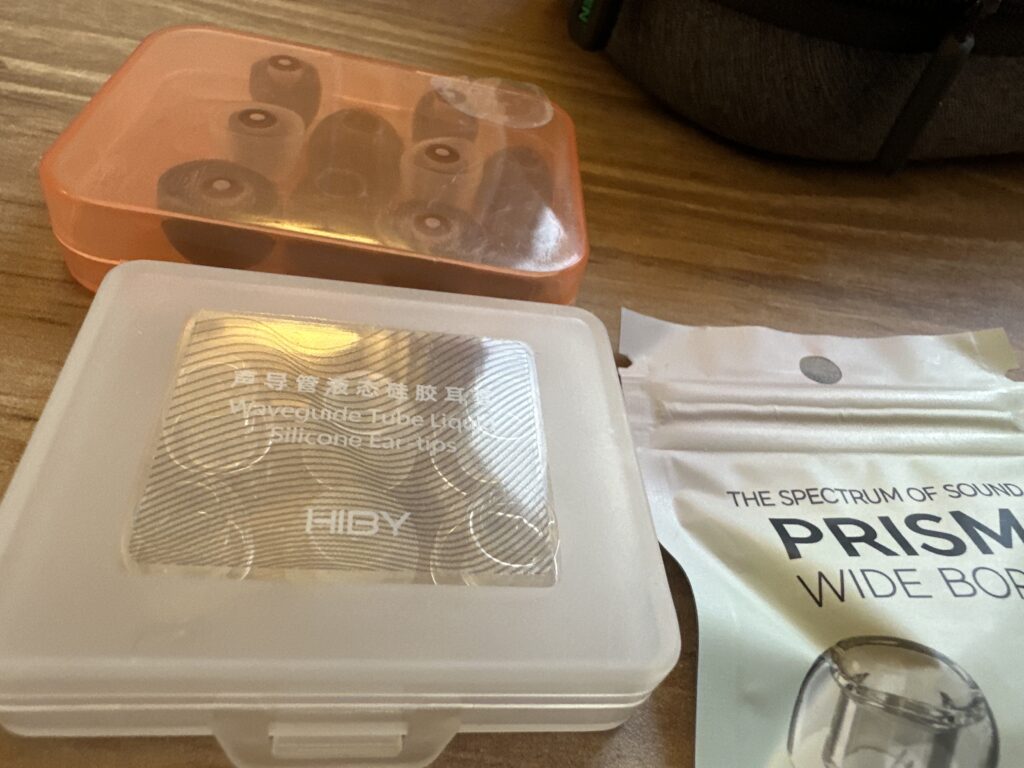
- Clarion M provides the most balanced experience, offering controlled bass and clear mids.
- Prism Wide-Bore increases upper treble visibility and opens staging.
- Velvet softens treble while preserving air.
- HiBy Waveguide sharpens definition and reduces bass quantity.
- HiBy Anemon offers the best bass grip and everyday comfort, creating a stable and calm treble region.
These variations allow the EJ10 to adapt to listener preference without disrupting its core tuning.
Source Synergy__
HiBy R4
The EJ10 performs cleanly and predictably. R4 provides enough power for normal listening but does not fully exploit the tribrid system’s capabilities. The presentation is balanced and coherent, offering a clear baseline for evaluation.
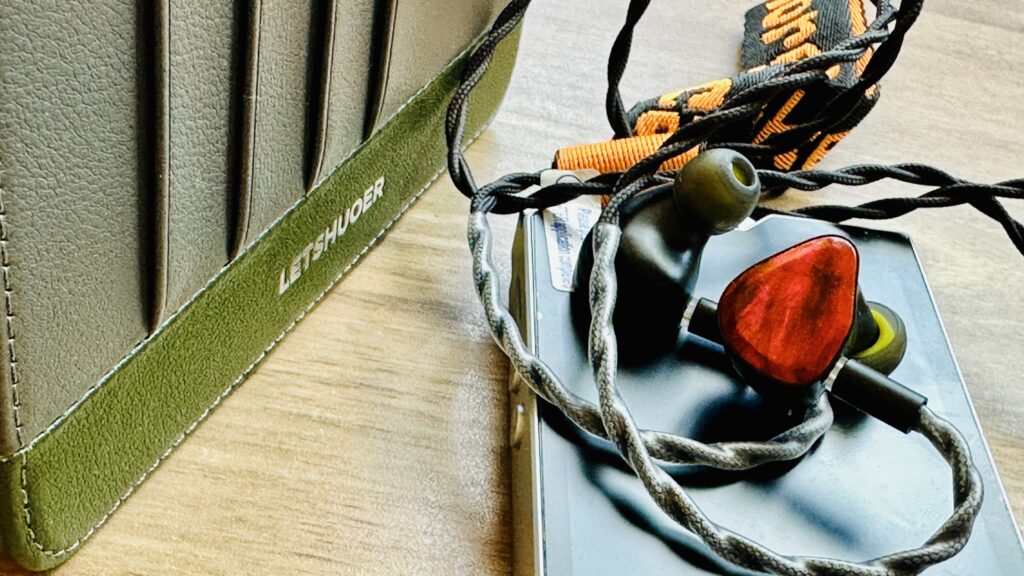
VE Megatron
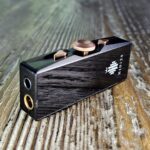
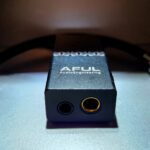
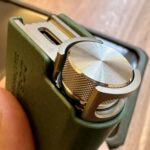
Thanks to the XMOS XU208 and OPA1612, the EJ10, which receives power in a much cleaner and more torquey way, behaves like a noble cat. That famous R4 is only dealing with the carry-and-bring job. The result? Much more pronounced details, more defined effects, and a slight cooling in the sound. Just as every transport comes with its own sea color, the DAC and amp modules also come like that when combined. At the same time, hearing whatever was added in the recording and mix in a HiFi manner is quite sweet, and the EJ10 plays “like a boss” from its own perspective. But it feels like the noise floor has risen a bit. I heard that there isn’t that much room left for free resonance.
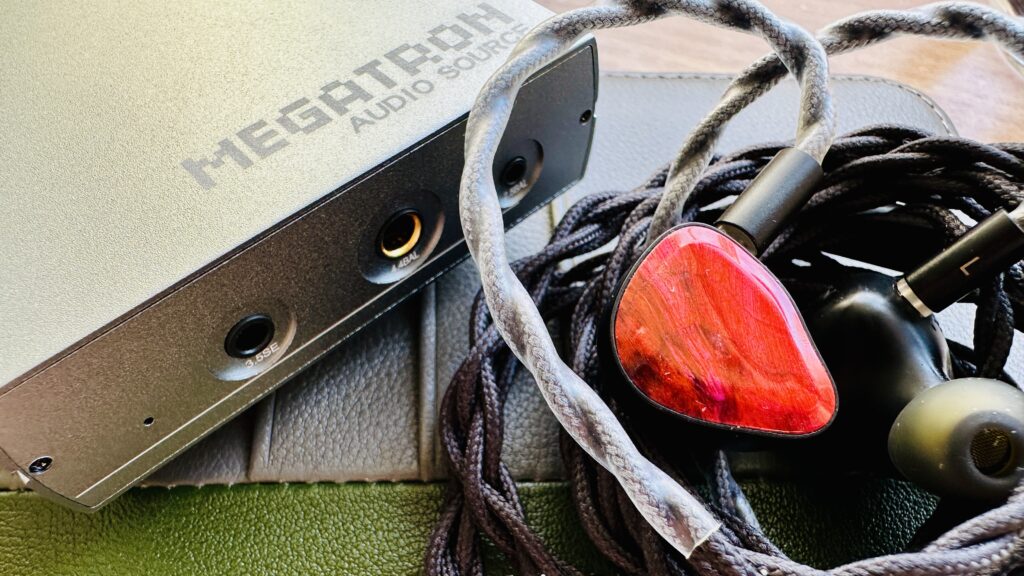
Tanchjim Pure Asano Tanch
Along with the Tanchjim Luna Asano Tanch Edition — with its extremely strong features — and the EJ10 gaining a bit more flesh, it rises into a state where it fully deserves its price in rock and all genres that require body, just as Megatron provides. This time, with the neutral-to-warm contribution, it makes my entire playback process more enjoyable while experiencing those noise flood situations less. But to speak honestly, in one part of a track, I would have liked to hear the bass guitar line positioned under the riff a bit more clearly. I will also perform the same test with the Qudelix M15i and report back.
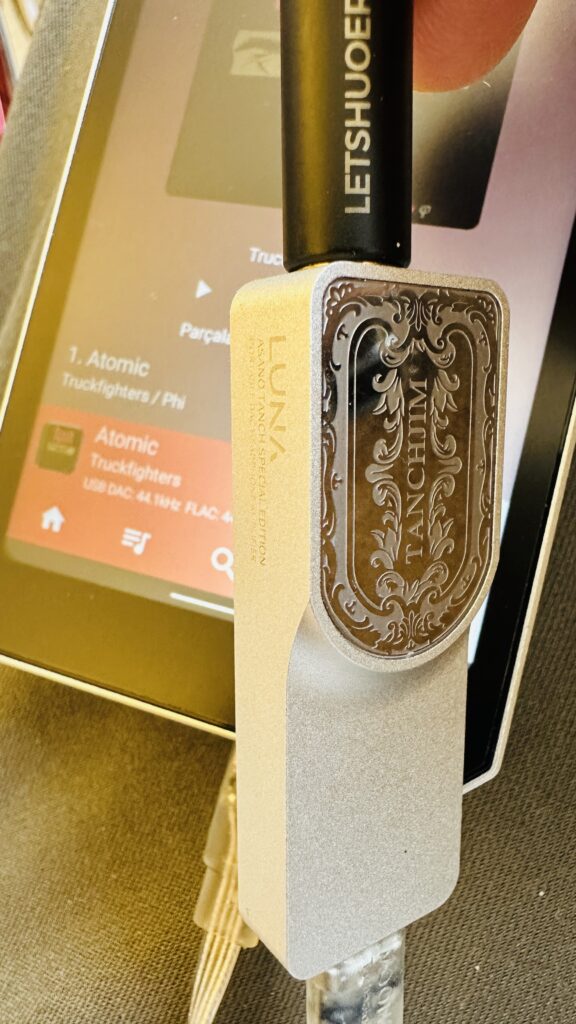
Questyle M15i
Switching from the Megatron chain to the Questyle M15i changes the EJ10 in a very different direction. If Megatron feeds it torque and physicality, the M15i feeds it purity. Questyle’s current-mode amplification has a way of stripping away anything unnecessary, and the EJ10 reacts almost instantly.
The first thing I noticed was the cleanliness of the leading edge. Transients become crisp without turning metallic. Drum hits feel snappier, guitars carve out more defined shapes in the mix, and vocal articulation becomes even more intelligible. Unlike Megatron’s slightly cooler and heavier stance, M15i gives the EJ10 a sense of precision without pressure — the sound becomes cleaner, not colder.
Bass becomes firmer, not necessarily louder. Sub-bass gains texture, and mid-bass tightens in a way that gives faster genres more footwork. The EJ10’s natural sense of control benefits from this; metal riffs become cleaner, electronic basslines pulse with better contour, and jazz bass gains articulation without losing warmth.
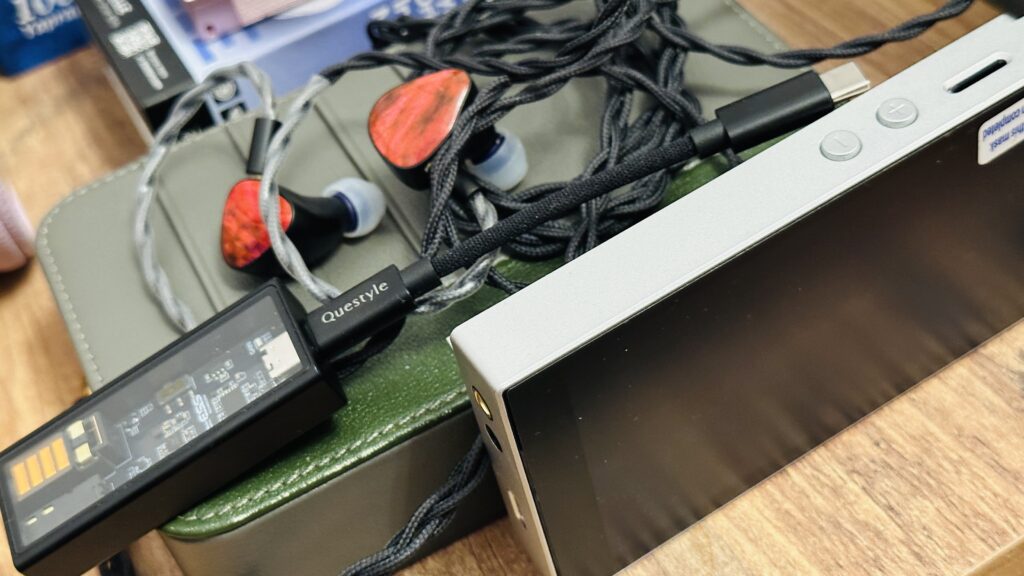
Compared to Megatron, the M15i has less body but more precision. Compared to the R4 alone, it is simply on another tier of refinement. And compared to all three chains so far, the M15i feels like the most reference-like pairing — the one I would use for checking placement, tone accuracy, and microdynamics.
Cayin N8ii
P mode adds warmth and weight, improving midrange presence and low-end density. AB mode widens the stage without sacrificing control. High gain creates more treble openness. Overall, the EJ10 sounds more complete and confident on N8ii.When paired with the Cayin N8ii, the EJ10 takes on a noticeably fuller personality. In P mode, the presentation becomes warmer and more organic, giving instruments a natural weight that smaller dongles cannot replicate. Vocals gain intimacy and dimension, standing a step closer to the listener without becoming too forward. Bass extends deeper and feels physically denser, yet never loose. The dual dynamic drivers finally show their authority, delivering a sense of low-end pressure that completes the tribrid’s foundation. What was previously a technically correct sound under portable sources begins to bloom into a more musical, textured experience.
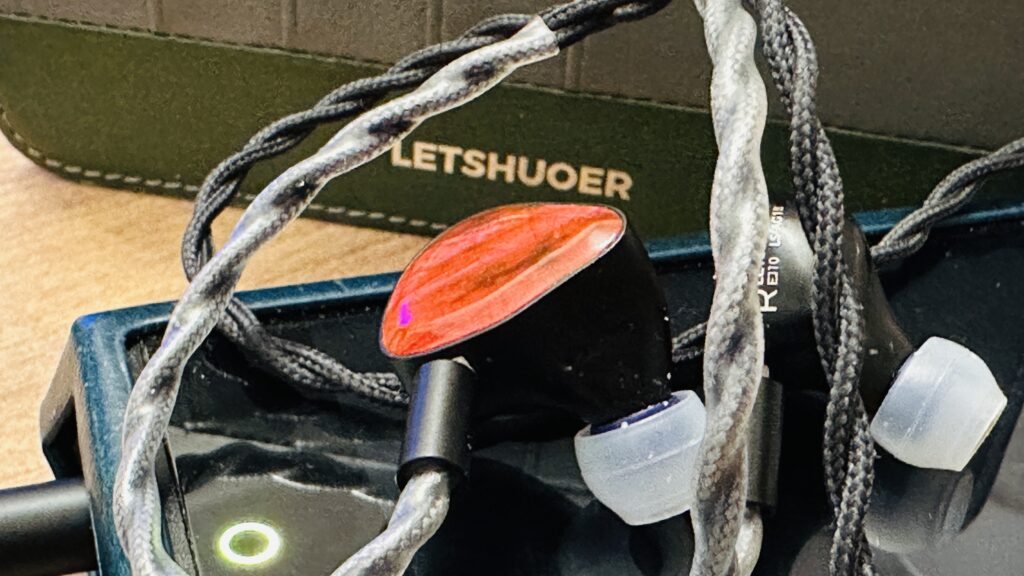
Switching to AB mode shifts the focus from intimacy to scale. The soundstage widens horizontally, creating more distance between layers while preserving imaging accuracy. Instruments breathe with extra air, and reverbs trail longer before fading, producing a more immersive, concert-like sense of space. Despite this wider projection, control is never lost—the midrange keeps its clarity, and transient edges remain precise. The balance between spaciousness and definition here feels like the ideal zone for the EJ10, revealing its capability to expand without turning diffuse.
Engaging High Gain completes the transformation. Treble extends further, cymbal textures reveal additional sparkle, and micro-details in recordings surface more freely. Importantly, this treble lift comes without glare; the EST drivers maintain composure and fine resolution. Together, these modes reveal how responsive the EJ10 is to the amplifier architecture of the N8ii. It sounds not only more powerful but more confident—each note better anchored, each transient cleaner. On this chain, the EJ10 performs near its technical ceiling, balancing warmth, stage width, and articulation in a way that defines it as a truly scalable, reference-grade tribrid.P mode adds warmth and weight, improving midrange presence and low-end density. AB mode widens the stage without sacrificing control. High gain creates more treble openness. Overall, the EJ10 sounds more complete and confident on N8ii.
Pros & Cons
Pros
- Controlled bass with accurate structure
- Clean, balanced midrange
- Smooth, refined EST treble
- Strong scaling with power
- Excellent synergy with Megatron, M15i, N8ii
- Stable imaging and layering
- Low fatigue, long-session friendly
- Responds well to eartip changes
Cons
- Bass quantity may feel conservative
- Needs good amplification to reach full potential
- Megatron adds minor noise
- Stage is controlled but not expansive
Conclusion of the Letshuoer EJ10 Review
The Letshuoer EJ10 is a tribrid designed for listeners who appreciate structure, stability, and clean technical presentation. It does not aim for exaggerated bass, bright treble, or dramatic staging. Instead, it delivers a reliable, organized, and accurate tuning that scales noticeably with better sources.
Its strengths lie in controlled bass, honest midrange, refined EST treble, and strong synergy potential. While it is not for users seeking a bold or heavily colored signature, it is an excellent choice for listeners who value clarity and discipline in a tribrid IEM review.
The EJ10 performs especially well with complex and fast tracks, where many IEMs lose composure. Its consistency across genres and sources positions it as a mature, stable option in its price bracket.





No Comment! Be the first one.